


Cambodian food speaks to the richness of Cambodia’s culture, with fresh herbs, mild spices, and a balance of flavors. From traditional dishes, such as amok, to street food, Khmer cuisine is a unique and authentic culinary experience.
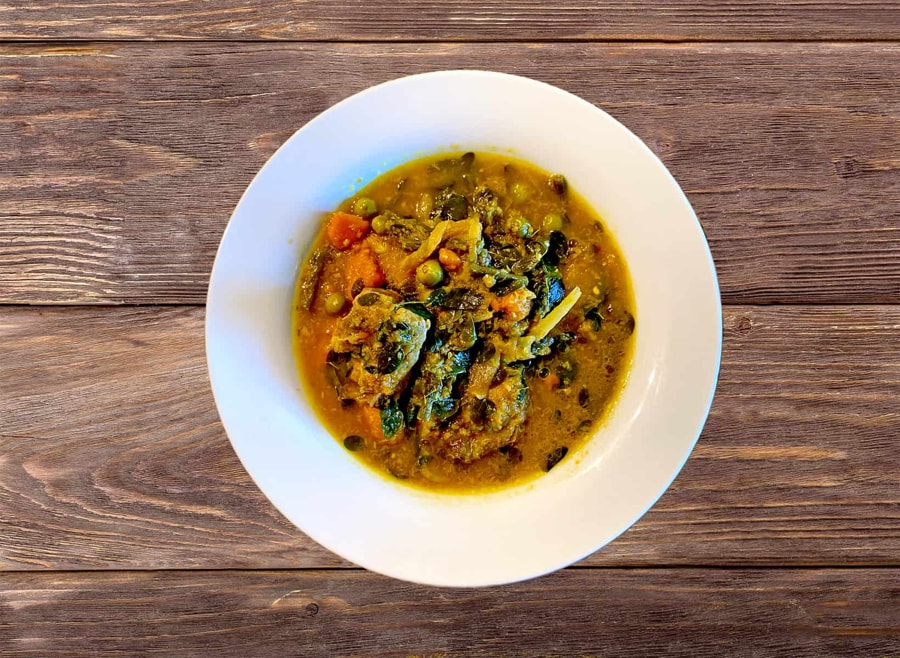
Samlor Korko
Samlor Korko has long been recognized as one of Cambodia’s most traditional soup dishes and is construed as a symbol of Khmer cooking. The soup embodies harmony and abundance, as the Khmer cooking culture has offered the ingredients for cooking this soup in abundance. Samlor Korko soup consists of different ingredients, mainly fish or meat, vegetables like green papaya, pumpkin, eggplant, long beans, kroeung paste, prahok, etc., which are slowly cooked and continuously stirred to produce a thick paste consistency in the soup. The taste of Samlor Korko soup consists of earthy, savory, and herbal tastes with unique aromas and balanced flavors.
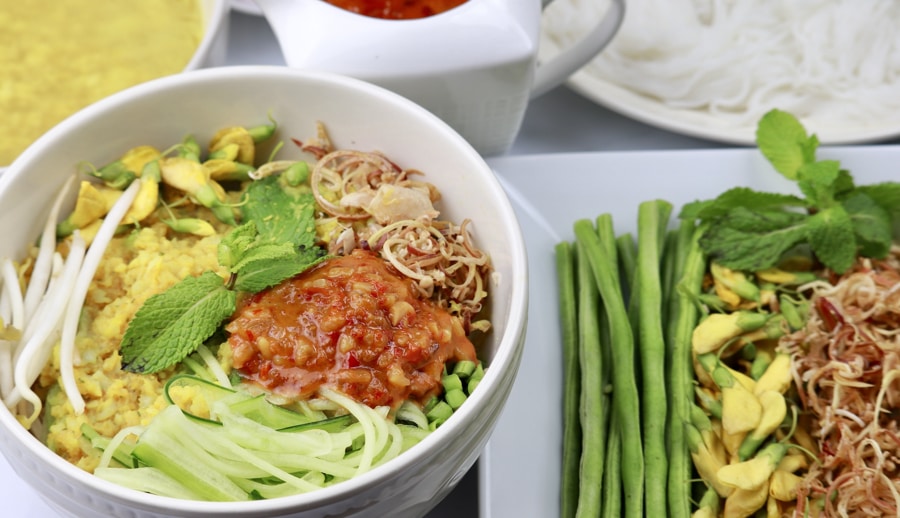
Nom Banh Chok
Nom Banh Chok is a popular Khmer noodle dish, commonly consumed as a traditional breakfast or lunch, and is a quintessential example of Simplicity in day-to-day food. Nom Banh Chok is a breakfast dish consisting of fresh rice noodles served with a green fish-based curry sauce, typically made with freshwater fish, lemongrass, turmeric, and Kaffir lime leaves. The noodles are served along with fresh vegetable sticks, including cucumber, banana blossom, bean sprouts, and herbs. The sauce is cooked on low heat to infuse all the spices and generate a creamy texture. Nom Banh Chok possesses a mild, refreshing flavor and features spices, herbal notes, and a sweet-tasty undertone.
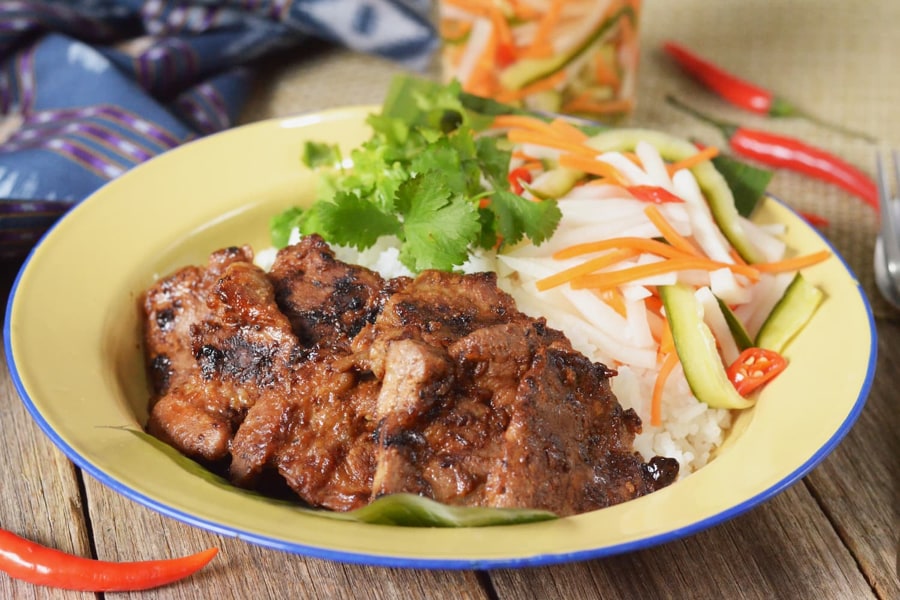
Bai Sach Chrouk
Bai Sach Chrouk is a well-known Khmer meal that is consumed during breakfast by Cambodians, and it is a symbol of the simplicity of Khmer life. It is called “rice with pork,” and its simplicity is a mark of Cambodian cuisine, especially when consumed early in the morning during breakfast. It is simply marinated pork, which is slowly grilled over charcoal and served over steaming hot rice and a side of pickled vegetables, as well as a light soup in some versions, and although its taste is very savory, there is a sense of sweetness coming from its ingredients.
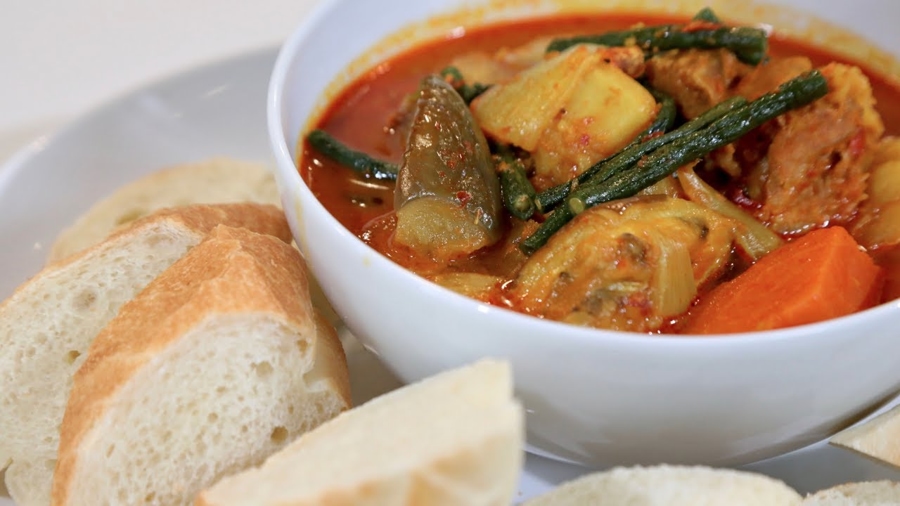
Kari Sach Moan
Kari Sach Moan is a traditional Khmer chicken curry that is widely served during family gatherings, weddings, and special feasts. In the Khmer culture, it is considered to be one of those dishes that symbolize warmth and togetherness. The dish is made from chicken cooked with coconut milk, potatoes, carrots, and kroeung spice paste comprising lemongrass, turmeric, garlic, and galangal. It is slowly simmered in order to have the flavors mix well. Unlike Thai curry, Kari Sach Moan is mild and creamy, with a gentle sweetness, aromatic spices, and a rich yet comforting taste.
Kha Sach Ko
Kha Sach Ko is a braised beef dish popular in Cambodia. This dish includes traditional Khmer flavors and is a braised beef dish that stands for home-style flavors. Braised beef is cooked slowly in coconut water, palm sugar, garlic, star anise, and fermented fish sauce or soy sauce. Braising is a cooking technique where food is cooked on low heat for a long period of time. Kha Sach Ko tastes amazing and has a hearty flavor. The braised beef dish has a combination of sweet and savory flavors, along with aromatic flavors, and is extremely soft to eat. This dish is best served with steamed rice.
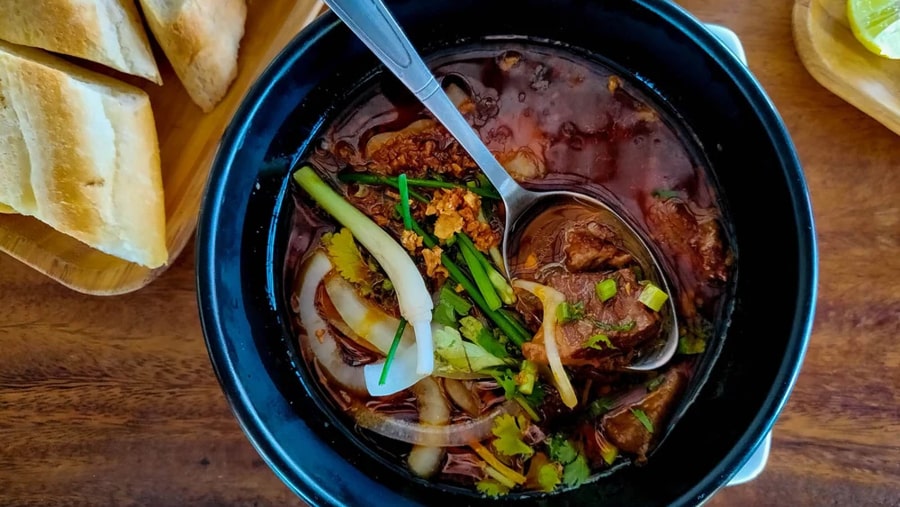
Sngor Chruak Sach Trei
Sngor Chruak Sach Trei is a sour and fish-based soup of Cambodian origin, embodying balance and freshness. The dish is commonly taken as a light and healthy meal in Cambodia, particularly in hot weather. The soup is prepared using freshwater fish, pineapple, tomato, and tamarind, along with various herbs like lemongrass and kaffir lime leaves. The combination of vegetables is cooked in a light broth to ensure that the fish is tender while also developing the sourness of the soup. Sngor Chruak Sach Trei has a delicious taste with a hint of sourness, sweetness, and fragrance.
Kari Saraman
Kari Saraman is a rich and aromatic curry from Cambodia that has its roots in both Indian and Islamic cuisine. It is sometimes used for major ceremonies and celebrations, representing the themes of opulence and jubilation in Khmer culture. Kari Saraman is essentially made with beef or chicken, potatoes, peanuts, coconut milk, and a mix of spices including cardamom, cinnamon, cloves, and garlic, simmered until the sauce thickens. It is described as having a deep taste with notes of sweetness, creaminess, and spice that have a luxurious and warming effect.
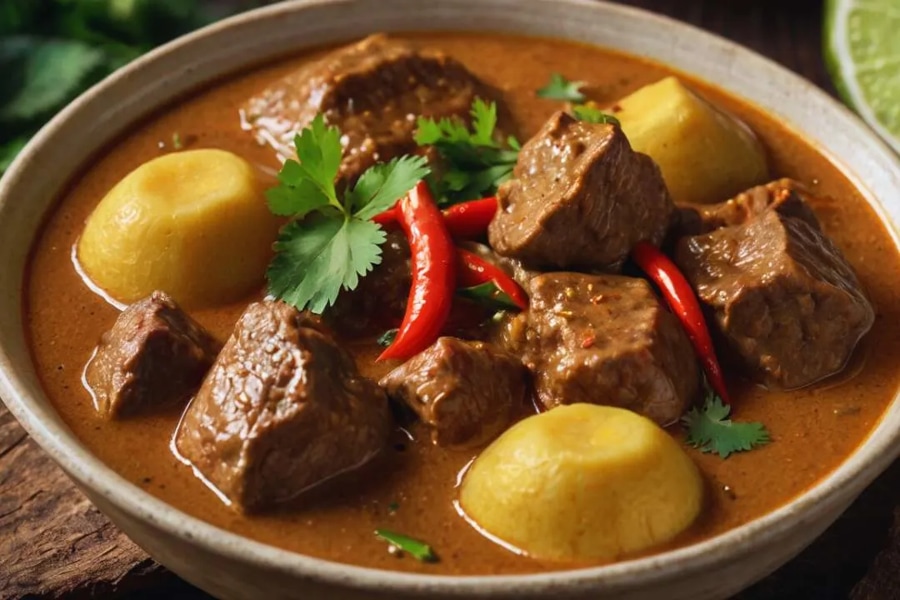
Nhoam Krauch Thlong
Nhoam Krauch Thlong is a delicious Khmer salad made with pomelo, representing the theme of pure and fresh Khmer cuisine. Nhoam Krauch Thlong can be served as a light dish or appetizer, especially during the hot season. The dish mainly contains pomelo, shrimp or dried fish, herbs, chili, lime juice, fish sauce, and some coconut flakes, which need to be tossed with the pomelo segments with care so that the fruit can be kept fresh and crispy. Nhoam Krauch Thlong has a fresh taste, with the sweetness and juiciness of the fruit combined with sour, salty, and spicy flavors, making it crunchy and crispy in taste.
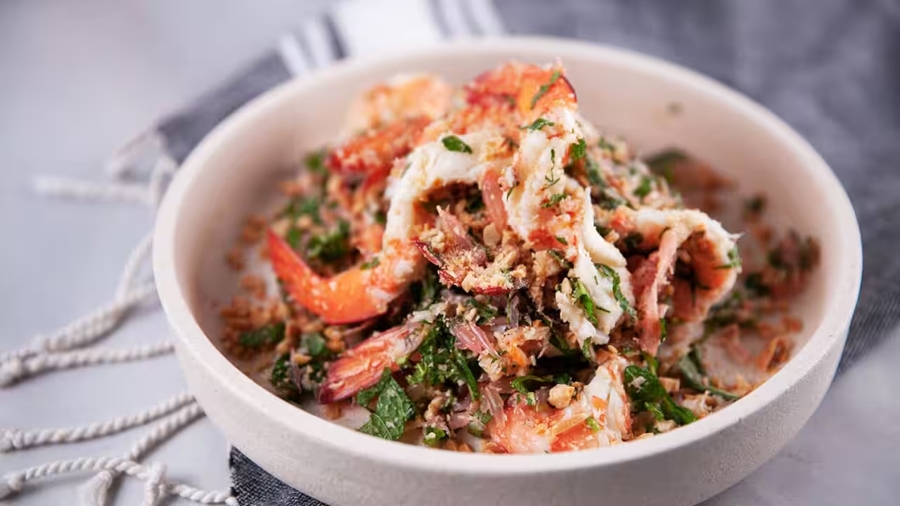
Kha Trei Svay Kchai
Kha Trei Svay Kchai is a braised fish dish popular among Khmers and is a symbol of harmony and togetherness. The traditional dish is widely enjoyed within family circles and during other functions. Kha Trei Svay Kchai is a braised fish dish made with green mangoes, palm sugar, garlic, shallots, and fish sauce. The process of making this dish requires slow cooking of fish while it absorbs the flavors and sweetness of a combination of all the ingredients. Kha Trei Svay Kchai is a dish with a distinct taste, a delicate sweetness, and a light sourness and fragrance.
Kangkep Baob
Kangkep Baob is a type of Cambodian street food that is seen to embody the spirit of adventure in Khmer cuisine. This is normally served as a snack or a platter, usually in a Cambodian market. It is a dish comprising stuffed frogs, mostly filled with combinations of minced meat, herbs, garlic, and spices, and is normally grilled or pan-fried to a dark golden brown and crispy outside and tender within. Kangkep Baob has a distinctive taste, close to chicken, tender in texture, and aromatic, providing a unique culinary experience.
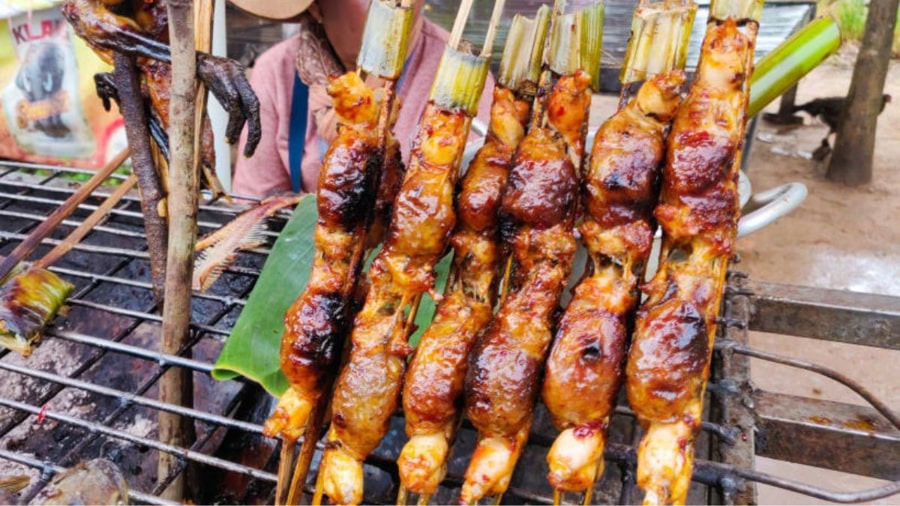
Kola Noodles
Kola Noodles is a tasty Cambodian stir-fry dish made from noodles that combines the culture of the Kola minority group living in Cambodia. Therefore, it can be regarded as a product of cultural diversity or the mixing of different cultures. This meal is made from stir-frying noodles and other ingredients such as beef or chicken, garlic, soy sauce, fish sauce, and fresh vegetables including carrots and cabbage. All these components are quickly fried under high heat to ensure the noodles are fresh and aromatic. Its taste is unique, and it has a nice balance of savory and smoky flavors, combined with tender meat and fresh vegetables.
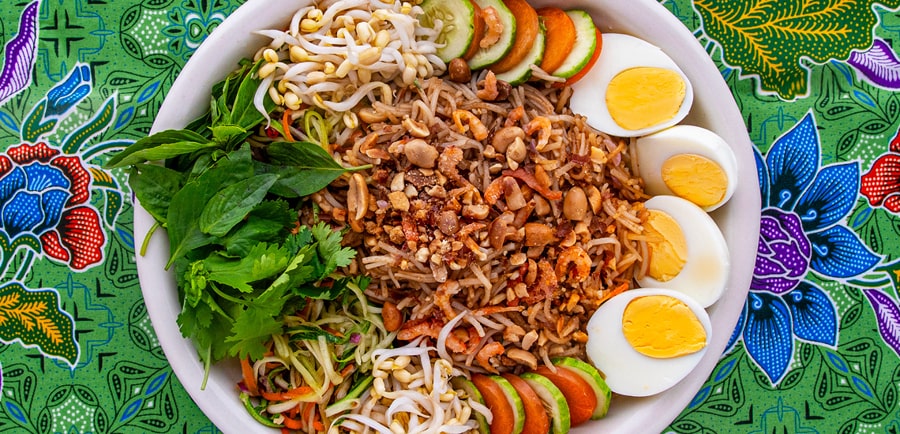
Chha Trop Dott
Chha Trop Dott, or traditional Khmer grilled eggplant salad, reflects the simplicity and natural beauty found in traditional Khmer cuisine. The Khmer salad, made with grilled eggplant, is commonly served as part of meals alongside Khmer rice and grilled meats, demonstrating balance and harmony with meals. The salad is prepared by grilling eggplant over an open flame, then mixing it with minced pork, garlic, chili, fish sauce, and lime juice, and mixing it lightly with other ingredients to create a warm salad dish. Chha Trop Dott has a strong flavor, texture, and aroma, highlighted by its smokiness and its subtle sour and spicy taste, with its mild satisfaction.
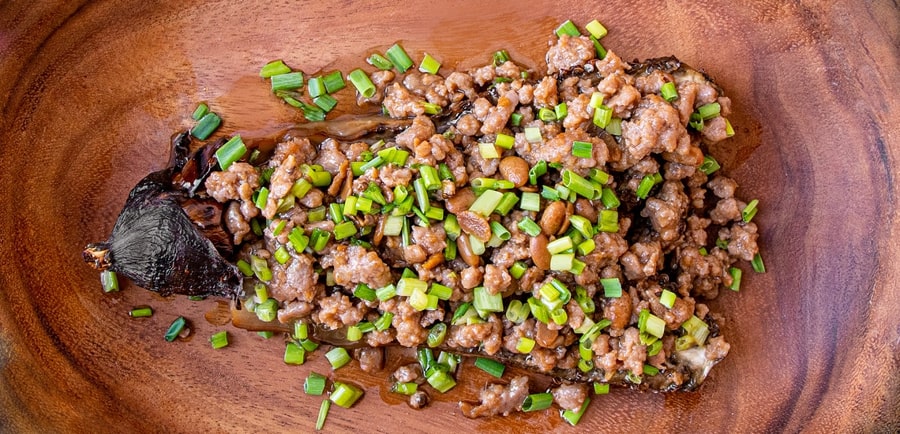
Chaa Kdam Meric Kchai
Chaa Kdam Meric Kchai is a well-known Cambodian crab dish that is an expression of Cambodia’s rich oceanic cuisine, especially from provinces like Kep. The dish is a representation of fresh food and pride in Cambodian seafood. The dish is prepared with fresh crabs cooked with green peppercorns, garlic, and aromatic spices. The crabs are stir-fried quickly over high heat, giving them a sweet, juicy texture while absorbing all the savory flavors. Chaa Kdam Meric Kchai has a distinctively spicy, aromatic, peppery aroma with a sense of sweetness, savory, and slightly pungent undertones.
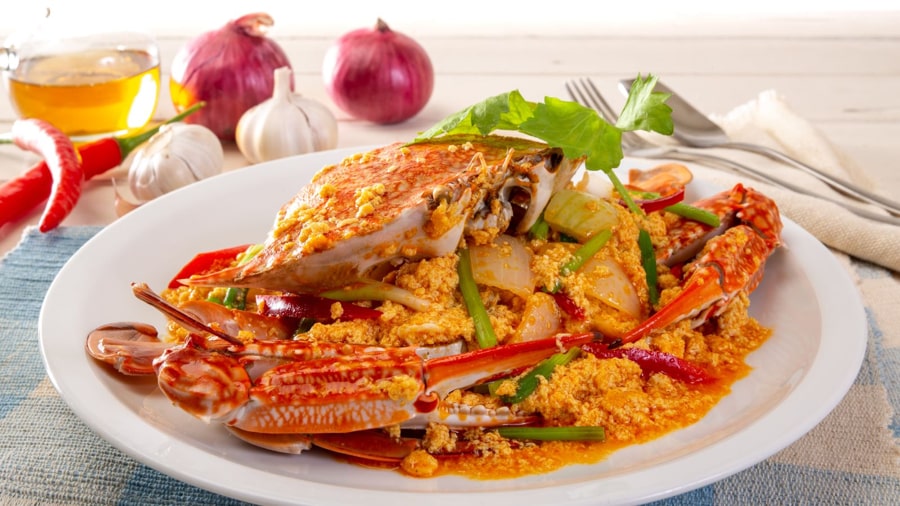
Samlor M’chu Kroeung Sach Ko
Samlor M’chu Kroeung Sach Ko is a traditional Cambodian dish, also written as “Sour Beef Soup.” This dish is an epitome of the strong flavors so prevalent in Khmer cuisine. It is usually enjoyed as a homely comfort food, especially during family meals. The ingredients used in Samlor M’chu Kroeung Sach Ko include cooked beef, kroeung spice paste, lemongrass, galangal, pineapple, tamarind, and so forth. These are cooked together to enable the flavors to meld into a fragrant broth. This Cambodian dish is quite refreshing, with a mix of tanginess, mild ‘heat’ from spices, and a strong smell reminiscent of herbs, which in turn makes it light but at the same time substantial.
Maam Chao
Maam Chao is a traditional Khmer dish, and it presents an aspect of Khmer cuisine: preservation and ingenuity. The dish can be eaten as a complement, representing the idea of using basic food items and turning them into delicious cuisine. The Khmer traditional dish, Maam Chao, consists of fermented vegetables, often papaya and cucumber, fermented with fish, salt, sugar, and chili, and at times some fermented fish paste is also added. The dish has a pungent, tangy taste with undertones of salt and spice, presenting the Khmers with an explosion of taste.
Ang Dtray Meuk
Ang Dtray Meuk is another popular Cambodian dish, and its recipe is a perfection of grilled squids, reflecting Cambodia’s seafood cuisine tradition and inviting people to try Cambodian street food, especially in coastal towns and at night markets. To prepare it, squids marinated in a combination of garlic, sugar, fish sauce, and lime juice, and then barbecued until slightly charred, are a delight to taste, especially when accompanied by a spicy and sour lime dipping sauce, and to smell, as they have a nice-smelling aroma and a chewy texture and a balanced sweet, salt, and sour taste.

Nhoam Svay Kchai
Nhoam Svay Kchai is a typical form of Cambodian green mango salad. It is a display of the fresh and lively aspect of Khmer cuisine. It is normally eaten as an appetizer or a side dish. Nhoam Svay Kchai is often enjoyed during hot weather as a symbol of coolness and harmony. Nhoam Svay Kchai is a mixture of shredded green mango, dried shrimp or dried fish, herbs, chili, lime juice, fish sauce, and palm sugar. The ingredients are combined to produce a light and savory dish. Nhoam Svay Kchai is crunchy in texture and sour in taste. However, the sourness is complemented by sweetness, saltiness, and mild spiciness.
Chaa Angrong Sach Ko
Chaa Angrong Sach Ko is a Khmer-style stir-fried beef dish, reflecting the character of Khmer cuisine with the use of local herbs and forest ingredients. It is also valued both for its flavor and its medicinal reputation, as some believe that the red tree ant eggs used in the dish are nutritious. The dish consists of beef sautéed with red ant eggs, garlic, shallots, chili, and fresh herbs. These ingredients are fried quickly over high heat to preserve the full texture and aroma. Chaa Angrong Sach Ko has a special flavor with savory beef, slight sourness from ant eggs, and a bold aromatic flavor.
Num Ansom
Num Ansom is a kind of Cambodian sticky rice cake traditionally prepared on special occasions like the Khmer New Year and Pchum Ben. It symbolizes family unity and good fortune since one usually prepares it and shares it with relatives. The ingredients for making Num Ansom are glutinous rice filled with banana or pork and mung beans, then wrapped in banana leaves and steamed for several hours. The length of time it cooks allows all flavors to combine nicely. Num Ansom is soft, chewy, with mild sweetness, comforting, yet satisfying, and sometimes salty for the pork version.
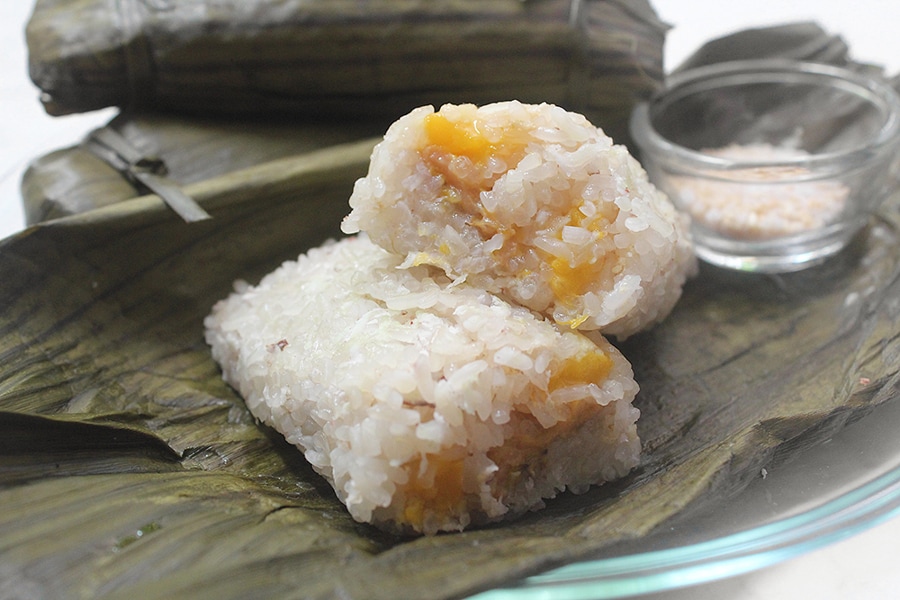
Trei Boeng Kanh Chhet
Trei Boeng Kanh Chhet is a traditional Khmer dish consisting of fried fish and is a reflection of the role of freshwater fish in Khmer society. The dish is commonly served during simple meals and is reminiscent of the close relationship between people and natural resources in Cambodia. The ingredients required to prepare this dish comprise small fish, which are lightly salted, and spices. The fish is then deep-fried, giving it a crispy texture and a taste that is slightly salty. The texture and taste of this traditional dish allow for a pleasant meal with rice, accompanied by a side of fish sauce.
Content Seniworld
Subscribe
Login
0 Comments
Oldest


Related articles


Cambodia Travel Guide
