logo mobile sidebar
support-image-mobile
Share your ideas with our local expert team - we’re here to listen and help you shape a meaningful journey through Indochina.
(+84) 868 663 993
Asia Leading Tour Operator 2025
tripadvisor travelers choice awards 2024
Travelers' Choice Awards 2025

Author: Content Seniworld

A Peaceful Morning At Luang Prabang’s Sacred Giving Alms Ceremony

The Alms Giving Ceremony in Luang Prabang is a tranquil morning ritual where Buddhist monks receive offerings from locals. Visitors can observe and engage with this tradition and learn about Lao culture, mindfulness, and the everyday life of the city.

Introduction To The Alms Giving Ceremony

The Alms Giving Ceremony, or “Tak Bat,” is one of the most recognizable cultural activities in Luang Prabang. Each morning at dawn, monks in bright saffron robes walk silently along the streets, receiving food and alms from locals. The tranquility of the ritual creates an ambiance of calmness and spirituality in the town.

Alms Giving Ceremony in Luang Prabang

Participating and observing the ceremony provides visibility into the Buddhist traditions of Laos. For locals, giving alms is a process meant to create merit and offer generosity, whereas visitors observe the deep connection between the monks and the community. Being a part of Tak Bat not only has visual appeal but will also leave a very nostalgic experience of Laotian culture. Travelers will leave any experience of Tak Bat with a memorable impression of the culture.

History Of Alms Giving Ceremony

The origins of the Alms Giving Ceremony can be traced to Theravada Buddhism, the main religion of Laos, and have been practiced for centuries. and is thought to have been established in Luang Prabang in the 14th century. During that time, the city was known as the capital of the great Lan Xang Kingdom. The ceremony has continued to hold a meaningful place in the spiritual lives of the local residents and is an important indication of the connection between the monks and the local community.

4 Unforgettable Experiences You Shouldn’t Miss

Participating in the Alms Giving Ceremony in Luang Prabang is not just a travel experience, but a profound cultural and spiritual experience. Below are meaningful moments that will last long after your travels are over.

Watch The Dawn Procession

As the sky slowly turns golden, you will see lines of barefoot monks and novices walking unhurriedly along the quiet streets of Luang Prabang. Their saffron robes become brilliantly lit by the gentle morning light and create a serene scene. The sound of silence enhances the spiritual nature of the moment; tranquility takes you back in time. Watching the ceremony at dawn presents an opportunity to enjoy some serenity before the city awakes to chaos. It is a powerful reminder of a simple, humble life lived in mindfulness and discipline.

Participate In Offering Ritual With Respect

The Tak Bat ceremony offers you an opportunity to take part in this Buddhist tradition that has existed over time. Tourists can make offerings to monks as they walk by, and this can include offering them rice, fruits, and food. This tradition allows tourists to learn more about values such as generosity, compassion, and appreciation, which exist in Lao culture. The tradition is not conducted by performers intended to entertain tourists. Participating in respect can make this one of your special moments while traveling.

Participate In Offering Ritual With Respect

Explore The Deep Bond Between Monks And Locals

One of the most poignant moments in the ceremony is seeing the relationship between monks and local people. Locals wake up early in order to prepare food at home, instead of buying it from food vendors. The local people offer food with their heads down and their hearts full of devotion and respect.

The monks, in return, divide all this food among the poor, symbolically representing compassion and harmony in society. This represents a balance between religious and social support. For tourists, this is one of the most interesting ways to learn about values in Luang Prabang society.

Experience A Tranquil And Spiritual Atmosphere

The Tak Bat is conducted in complete silence, and this serves to heighten the religious nature of this ceremony. All you can hear is the sound of the monastery footsteps and the praying voices. This ceremony seems remote from today’s fast-moving world of travel and serves to encourage one to slow down and take notice. Many tourists come away with a spirit of perfect tranquility after experiencing this ceremony. This ceremony is one of reflection and serves to make one realize the peacefulness and purity of Theravada Buddhism.

Experience A Tranquil And Spiritual Atmosphere

Entrance Fee

There is no entrance fee charged to observe the Alms Giving Ceremony in Luang Prabang, as this is a daily religious practice open for all to see.

If you want to take part in giving alms, you can provide food items like sticky rice, fruit, or simple snacks that are within your preference and budget. Of course, there is no minimum amount that is required, and the contributions totally depend on one’s will. It is recommended that the visitor prepare the offerings accordingly and refrain from purchasing low-quality food from street vendors that may be unsuitable for the monks.

Best Time To Enjoy The Alms Giving Ceremony

In Luang Prabang, the Alms Giving Ceremony is held at dawn, typically commencing at around 5:30 AM during the summer season and 6:30 AM during winter, while the city still lies peacefully quiet. This early morning moment is viewed as a representation of purity and an indicator of a meaningful start to a new day. The ceremony is particularly famous for the large number of monks and novices wearing their traditional saffron dress walking barefoot in line through the streets with their alms bowls.

In Luang Prabang, the Alms Giving Ceremony is held at dawn

The majority of the processional process occurs along the main streets – Sisavangvong Street, Sakkaline Street, around the ancient temple, and in front of Wat Xieng Thong. The setting contributes to a calm and spiritual environment, making it an exceptional experience for visitors.

Things To Know Before Traveling To The Alms Giving Ceremony

To fully enjoy the Alms Giving Ceremony in Luang Prabang, you need to be prepared and respectful. Here are some simple but important tips to experience this wonderful tradition in a more intentional way.

  • Try to arrive early (at around 5:30 AM) to grab a good view right along the monk’s walking route. It is best to see the whole ceremony from beginning to end from that viewpoint.
  • Dress in loose-fitting clothing that keeps your shoulders and knees covered. Avoid bright, flashy, or revealing garments that look disrespectful.
  • Be quiet and contemplative while the monks go by. Do not laugh or make loud noises at all while they walk by.
  • Prepare a small offering that you can place gently into the monk’s alms bowl with both hands, to show respect for the monk and the ceremony. You could make an offering of sticky rice or fruit, or meat.
  • Either purchase sticky rice and foods very early in the morning from the market, or ask your hotel or homestay to help prepare fresh offerings for the Ceremony.
  • Do not touch the monk, their robes, or the alms bowl at any time, and space yourself respectfully from the monk at all times.
  • Do not take a photo as the monks proceed through the ceremony. Rather, wait until you have finished and take a respectful photo of the scene, then.

FAQs About Alms Giving Ceremony

The ceremony of Alms Giving is an important religious practice that attracts numerous tourists. To make it easier for first-time tourists, some FAQs are as follows:

Can tourists take part in the ceremony?

Yes, of course, and tourists can participate as long as they act according to etiquette rules. This means dressing modestly, conducting oneself with respect, and offering food while keeping quiet and with honest intentions.

tourists take part in the ceremony

What time does the ceremony take place?

The ceremony generally begins at about 5:30 in the morning during summer and a bit later in winter. Visitors must come early to get a respectful viewpoint or prepare an offering. The whole procession generally takes about 30 to 45 minutes.

Is it permissible to take pictures during the ceremony?

The act of photography is not prohibited, but tourists are requested not to take pictures while making the offering. This is because disrupting either the monks or the religious ambiance with loud photo flashes or intrusive closeness can be quite distracting. The opportune moments to take pictures are either prior to or after such ceremonies.

Can photo shoots be conducted during the ceremony?

Taking pictures is not prohibited, but tourists are asked not to take pictures during the offerings. This is because cameras with loud shutters, flashes, and those that take pictures from afar may disrupt the monks and reverent surroundings. The act of picture-taking should be undertaken before or after the ceremony.

What type of food should be offered?

Typical offerings can be in the form of rice, snacks, fruits, or packaged foods. Consider buying food from markets in case you need fresh food, and you can request your hotel to prepare food offerings. Low-quality food can be found along your route from some vendors.

Where is the best location to watch the ceremony?

The tradition is conducted along various roads in Luang Prabang, particularly in and around historic temples. The roads include Sisavangvong and Sakkaline. Coming early can ensure one finds a quiet location that does not interfere with the locals.

Final Thoughts: Is the Alms Giving Ceremony Worth Visiting?

The Alms Giving Ceremony in Luang Prabang is a fantastic way to access the spiritual core of Laos by blending tradition, devotion, and community in a tranquil morning practice. Watching or participating in this ceremony is a great way for travelers to immerse themselves in the local culture in addition to viewing a wonderful expression of generosity. The monks’ steady pace as they receive the alms sets a peaceful and contemplative mood that stays in the memory. We recommend that you plan your Laos visit to Seni World to maximize your experience of this unforgettable tradition.

Climb Mount Phousi In Luang Prabang For Stunning Viewpoints

Mount Phousi is the iconic hill in the center of Luang Prabang, recognized for its sacred temples and its panoramic views. Guests ascend an almost 300-step pathway restful ambiance, golden stupas, and an unforgettable sunrise or sunset vista.

Introduction To Mount Phousi

Mount Phousi, or Phu Si, stands some 100 meters above the heart of Luang Prabang and is a sacred hill. Nestled between the Mekong and Nam Khan Rivers, it is a spiritual and geographical feature overlooking the town’s skyline and offering a tranquil contrast to the bustling streets below.

Mount Phousi is the iconic hill in the center of Luang Prabang

Visitors make the short ascension to this tranquil summit for panoramic 360° views of the old town with its gold temples and winding rivers down below. The gilded stupa of Wat Chom Si crowns the mountaintop, a respected shrine in Buddhism that imbues the scene with beauty and spirituality. The hilltop is an excellent place to watch the sunrise or sunset, inviting travelers to muse upon, take photos of, and immerse themselves in the gentle beauty of Luang Prabang.

History Of Mount Phousi

Mount Phousi holds great spiritual significance for the residents of Luang Prabang, also known as a ‘sacred mountain’, which features various temples and stupas that demonstrate the relationship between nature and spirituality. Locals, along with tourists, visit the site to see the beautiful views of the sunrise and sunset while reflecting on the town’s cultural and religious history.

“Phousi” comes from the Lao vocabulary, where the word “Phou” means mountain, and also “Si” means sacred or holy. Mount Phousi is roughly 100 meters high from sea level, around 330 feet, and is the tallest hill in the historical town of Luang Prabang. Visitors can observe everything around the hill, including both the tremendously winding Nam Khan and Mekong rivers.

Unique Structure Of Mount Phousi

Breathtaking color views Of Mount Phousi

Mount Phousi is a quaint mountain, but it still has an interesting and picturesque landscape, making it worthy of a visit. The different climatic slopes, along with constructed stairways to climb to the top and wide views back over the mountain, make the process of climbing fun and rewarding.

  • Lush green slopes: As one climbs the mountain, the surrounding green slopes reveal a rich greenery of trees, shrubs, and vegetation. The green slope has an air of peacefulness that makes a climb towards the summit refreshing.
  • Architectural appeal: The well-maintained stairways and serpentine paths leading to the top are thoughtfully integrated into the natural environment. These pathways help improve the overall experience and highlight the beauty of the mountain.
  • Breathtaking color views: Mount Phousi is famous for the variety of hues both at dawn and sunset. From the top, the sky turns into a palette of colors, a visual treat that is unforgettable and breathtakingly beautiful.
  • 360-degree panorama: From the top, travelers have sweeping views in every direction. Luang Prabang, the Mekong and Nam Khan Rivers, and surrounding mountains come into view, all together bringing a mesmerizing panorama, especially during serene early mornings and golden evenings.

5 Unforgettable Experiences You Shouldn’t Miss

Mount Phousi offers a unique experience of natural beauty and spirituality while providing spectacular views of Luang Prabang at sundown and sunrise. Mount Phousi will inspire lasting memories for every visitor.

See The Panoramic View Of Luang Prabang

The climb to the summit of Mount Phousi presents significant views and truly expansive views of Luang Prabang. The calm town unravels below you, while the Mekong and Nam Khan rivers weave and curve around the landscape. Golden Rooftops of Temples and ancient houses where the townspeople live meld the hilltop in nature back to time and place outside the human world. The views are ideal for photographs and self-reflection.

See The Panoramic View Of Luang Prabang

Enjoy The Beautiful Sunset On The Top

One of the most powerful experiences for travelers visiting Luang Prabang, or the region of Southeast Asia, is the sunset from the top of a mountain. As the sun sets behind the mountains, the sky’s vibrant colors explode into hues of golden oranges, and light bounces off the Mekong River. It is an unbelievable and romantic scene, allowing you to embrace just the exact moment of life and breathe into the peacefulness of the view of Luang Prabang above.

Hike And Discover The Mountain

The ascent of Mount Phousi consists of about 300–328 steps, but the hike is anything but tiring. Along the way, carved statues of Buddhas create intrigue and a spiritual telling. The hike is maintained and has stairs that are safe, as well as resting areas, making this hike enjoyable for both an easy-going walker and an avid hiker.

Hike And Discover The Mountain

Visit The Spiritual Sites

Mount Phousi has many historical spiritual sites that encapsulate the cultural heritage of Laos. At the top, Wat Chom Si is a golden Buddhist temple. It has a courtyard that holds breathtaking views looking over the town of Luang Prabang. Wat Tham Phousi is a smaller standout cave temple that hosts a reclining Buddha statue that has attracted many visitors throughout the years.

Encounter Buddha Statues and Everyday Spiritual Monuments

During your hike, you will encounter forms of sitting Buddha statues, sacred footings, and other spiritual monuments. Each site creates small snippets of information about local spiritualism, prayer, and a moment of reflection. Walking and exploring these locations promotes reflection and time to appreciate the rich culture that Mount Phousi builds upon.

Entrance Fee

A fee of 20,000 kip, or approximately $0.87 USD, must be paid by each visitor to Mount Phousi. The low cost of entry allows you to enter the hill and the historic Wat Chom Si temple at its summit.

Prices may vary depending on the time of year, so be sure to check before you go. You can purchase tickets for entry to Mount Phousi at the bottom of the hill near a ticket counter. Be sure to bring cash as card payments are not available.

Best Time To Visit Mount Phousi

Mount Phousi is accessible throughout the year, including the rainy season, between June and September in Luang Prabang. Just be careful, the stairs and rocks can be slippery, and the views may be obstructed by heavy clouds. Unless you are feeling brave, a better time to visit would be between November and March. This period is after the rains and typically has warmer and milder weather.

Best Time To Visit Mount Phousi

For the best experience, you should hike early in the morning to watch the sunrise or in the evening for the sunset. Both times offer cooler weather and more enjoyable hiking. The sunset is very popular with visitors and can become crowded quickly. When there are many visitors, some may have to go around the areas of the temple to find the best place to take photographs.

If you want to avoid crowds, consider summiting before sunrise. There is another perk to summiting before sunrise, and that is being able to see the daily offerings and almsgiving of the monks in Luang Prabang. Just make sure to take a flashlight or a headlamp with you, as it will be very dark before sunrise.

How To Get To Mount Phousi

In the heart of Luang Prabang, Mount Phousi rises at the meeting point of the Mekong and Nam Khan Rivers, taking prime position in the city. Most travelers find Luang Prabang to be compact and walkable; for them, the base is within walking distance from the central area. For those who do not wish to walk, bicycles, motorbike rentals, and tuk-tuks are also available and convenient.

There are two paths up Mount Phousi. The most popular route begins off Sisavangvong Road, opposite the Royal Palace Museum, near the Night Market. This stairway has approximately 328 steps and is the fastest route up, despite there being fewer scenic viewpoints to stop at along the way. Another entrance to Mount Phousi is off Phousi Road, near the Nam Khan River, and has around 355 steps. It also includes a map at this entrance, a number of viewpoints, Buddha statues, a small cave temple called Wat Tham Phousi, and even the legendary Buddha footprint.

For a more cultural and scenic climb, the second route is recommended. The journey allows you to visit spiritual sites along the way and appreciate the great views of Luang Prabang and its two rivers. Take your time on the climb up, relishing the peaceful surroundings and the beauty that Mount Phousi affords.

Things To Know Before Traveling To Mount Phousi

Things To Know Before Traveling To Mount Phousi

Mount Phousi has many attractions: beautiful panoramic views and encounters with the spiritual ground of Luang Prabang. Here are some important tips and customs to keep in mind during your visit:

  • It is early. The roads may well be totally dark, so bring a flashlight or headlamp and watch your step very carefully along the stairways.
  • Make a hike up and down the opposite staircase, wherein you experience the overlooking scenery and viewpoints from both sides.
  • The locals do regard Mount Phousi as a holy place, and so, it goes without saying that one should never climb over the temples, statues, or into sacred areas. A respectful attitude is also encouraged.
  • Suppliers along the stairs sell flowering offerings, incense, and other items for temple offerings. These are great to offer at shrines or statues during your visit.
  • Some stalls sell birds in cages for release as one of the rituals, although it sometimes turns out to be harmful connections with wildlife. It is best to just enjoy their presence without taking part in any of the rituals.
  • The climb exposes you to hundreds of steps, hence carry some sturdy footwear for a safe and enjoyable journey.

FAQs About Mount Phousi

Mount Phousi is among the most famous landmarks in Luang Prabang, and it is known for its beautiful views, religious significance, and cultural appeal. Here are some frequently asked questions to help you plan your experience and ensure the best visit possible:

Is Mount Phousi for children or very elderly guests?

Climbing Mount Phousi involves walking around 300-328 steps, so it may be difficult for very young children or guests who have limited mobility. However, the effort is achievable for most visitors if they take their time, with rest stops along the way. The views and temples along the way make it all worth it!

Are there any rules, etiquette, or guidelines?

Yes! Mount Phousi is considered sacred, so guests should not walk over the temple boundaries or statues, should keep noise to a minimum, and should avoid alcohol. Dressing modestly is recommended, especially if entering Wat Chom Si.

How long will I spend on Mount Phousi?

A general visit will require about 1-2 hours for the walking distance, the temples, and the view spots. However, you may take longer if you want to catch the sunset, watch the glow from either stairway, or include educational content.

Final Thoughts: Is Mount Phousi Worth Visiting?

For anyone visiting Luang Prabang, a trip to Mount Phousi is highly recommended. The hike to the top gives an impressive and fulfilling experience of serene pathways, sacred temples, and stunning views of the town and the Mekong River. Mount Phousi is a space to slow down and enjoy nature while enjoying the spiritual legacy of Laos. You can pre-arrange a hassle-free experience with expertly planned activities and guided tours to Mount Phousi with Seni World.

Luang Prabang Night Market Guide For Your Perfect Night

The Luang Prabang Night Market is a vibrant and lively evening destination featuring local artisans with handmade crafts, textiles, souvenirs, and an opportunity to enjoy authentic Lao street food, colorful stalls, and a vibrant atmosphere in the heart of the old-town historic site.

Introduction To Luang Prabang Night Market

Every evening, the Luang Prabang Night Market lights up the stretch of Sisavangvong Road, turning the historic town centre into an enjoyable open-air marketplace. Hundreds of local craftsmen display their textiles, silver, and other specially hand-crafted Lao licensed merchandise.

Luang Prabang Night Market lights up the stretch of Sisavangvong Road

This place offers an evening market, starting from the time of sunset and continuing into the evening, which is a great experience to have at this spot, offering many refreshing markets and street food options. One can find typical market food items like sticky rice, meat, and colored lanterns at every corner, fresh and perfect to take along. This market is surely a laid-back way of experiencing the local culture, and all this happens right in Laos.

History of the Luang Prabang Night Market

The Luang Prabang Night Market started in December 2002 when a few local merchants who sell handicrafts and other items began gathering along the main street of the town. Today, it is one of the strongest cultural attractions among locals and visitors alike. The dynamism of the market moves people through it. What was once solely a place for exchange has transformed into a display of traditional Lao craftsmanship, local food, and local engagement.

Currently, this market has become not only a source of income for many artisans, but also a chance for visitors to experience a cultural celebration of Luang Prabang and a lively community engagement of real importance to be visited during their time in the ancient city.

Top 4 Iconic Attractions In The Luang Prabang Night Market

As the day draws to a close, this 1-kilometer stretch of road becomes a vibrant pedestrian zone lined with enough color, aroma from street food, and what can be described as an endless array of unique handicrafts. The Night Market of Luang Prabang has been divided into different regions. Every region presents a completely different experience to visitors.

The Food Zone: A Foodie’s Paradise Of Lao Street Flavors

This part of the night market is where things truly come alive, as there are plenty of BBQ foods, steaming soups, and stalls laden with local cuisine choices. The travelers will circuit through the choices of Lao, Chinese, and Thai foods, which will include BBQ poultry and fish, sticky rice, noodle soups, and an infamous vegetarian spread.

The Food Zone in luang prabang night market

The more adventurous eaters might consider trying the fried insects to truly indulge in the local fare. As you wander through the food alleys, the smell of spices and charcoal hits you from every direction. It’s hard not to be at least a little bit repelled by the smell of this dish. This truly is the best part of town to unwind and enjoy dinner as the warm evening of Luang Prabang envelops you.

Handicraft Zone: A Celebration Of Local Artistry

This market road has hundreds of stalls, which are managed by artisans from the villages close to the city of Luang Prabang. Tourists are encouraged to browse through silver jewelry, clothes embroidered in various designs, ceramics, paints, as well as natural materials, which the vendors take great care of to ensure that only the best materials are sold. Most of the items sold are made through traditional methods passed from mother to child, hence the priceless experience of culture whenever one visits the market.

Handicraft Zone In The Luang Prabang Night Market

The prices are quite reasonable (and negotiating is encouraged), and the vendors are mostly friendly and prone to friendly repartee rather than hard-sell tactics. A portion of each sale will support local families directly and also support the preservation of indigenous craft.

Textiles And Weaving Displays: Beautiful Colors Of Lao Heritage

One of the most exciting attractions is the variety of fabrics that are handwoven, naturally dyed, and decorated with traditional Lao motifs. From scarves and shawls to clothing and furnishings, textiles are made by skilled women artisans. It is wonderful to sit and watch women work or listen as they explain what each design means; learning the stories gives a greater context of Lao culture. This is an area for people who value authentic, purposeful, slow-made work.

The Art And Souvenir Corner: Creative Artworks From Local Artisans

If you’re looking for unique souvenirs, this corner has independent works ranging from paintings, hand-made postcards, woodwork, and small collectables that draw inspiration from life in Luang Prabang. Many artisans sell their work directly, allowing visitors to discuss with artisans what their inspiration was for their work. A perfect souvenir that embodies a reflective and sensitive artistic community.

Creative Artworks From Local Artisans

6 Unforgettable Experiences You Shouldn’t Miss

The Luang Prabang Night Market is much more than a shopping site. It is a cultural, culinary, and creative hotspot. It’s definitely a place that visitors cannot afford to miss when planning a trip to the beautiful city of Luang Prabang.

Experience The Bustling Night Market Atmosphere

As the sun goes down, the evening street vendors line up along the main road, offering a colorful assortment of goods. The evening market is full of the sound of happy chatter and the occasional bout of haggling, accompanied by the soft tunes of local musicians. Taking a walk through the evening market, visitors are immersed in the true rhythm of Luang Prabang, where every step becomes a discovery of handcrafted items and a look into the local way of life. Bargaining is encouraged, and refusal is not an issue.

Experience The Bustling Night Market Atmosphere

Enjoy The Flavors Of Street Food

The night market is a paradise for the senses with food stalls featuring hot soups, barbecue delights, and other snacks. Though the dishes are tourist-friendly, they are a good way to experience the culinary delights of Laos. If you are looking for a true experience, you could also check the local food market that sells ingredients and food sourced from local farmers and fishermen. The vibrant night market provides the opportunity to feast on meals starting from a mere 40,000 LAK (approximately 4.50 USD).

Discover Unique Local Crafts

Aside from the food, the night market is also a paradise of arts and crafts. Colorful woven fabrics, custom-made clothing, and other decorative items are a testament to the skills of local craftsmen. Painted artworks, leather items, accessories, and unusual souvenirs are all worth buying, not only because they help the local economy but also because of the exclusivity that travelers can bring back home. Careful consideration should be given to items such as animal products that might not be allowable in other countries.

Discover Unique Local Crafts

Engage With Cultural Performances

At times, local artists are brought into the market to entertain the crowd through local dances and songs. These cultural events will give you a chance to experience the cultural aspects of Laos and interact with the local residents. This includes local songs, local dances, and entertainers. So admiring these amazing performances is one of the must-see activities when you enter Luang Prabang.

Featuring The Magic Of Sunset Coverage

The experience of reaching the marketplace during the twilight hours is even more exhilarating. The colors of the sunset add to the colors of the market, and the effect is even more photogenic. Taking a cue from the surroundings and people around you, you could consider the colorful culture of Luang Prabang and the community that lives through the vibrant streets.

Optional: Attend A Mini Workshop

Stands are also offering interactive experiences such as weaving and craft workshops. Tourists are also able to participate and even make a small item of their own using the traditional Lao method. This experience not only brings back fond memories but also shows a level of respect for the time and effort put into these craftworks.

Entrance Fee

The Night Market in Luang Prabang is free to enter, making it one of the easiest places to access in the city. Once you enter the market, you only need to pay for what you decide to buy – street food, handicrafts, souvenirs, or drinks. You can wander as leisurely as you like, with no required purchases.

Opening Hours

The Luang Prabang Night Market is open daily from 5:00 PM to around 10:00 PM, providing plenty of opportunities to explore the stalls and lively atmosphere. The market runs every day, rain or shine, and there is no admission fee, unless you are buying food, drinks, or items. The best time to visit is in the early evening when the night market is illuminated with lights, sellers showcasing local crafts, and a variety of street food, providing an authentic cultural experience in the midst of the historic town of Luang Prabang.

The Luang Prabang Night Market is open daily from 5:00 PM to around 10:00 PM

From November until March in Luang Prabang, the market peaks during the dry season when the weather is nice and enjoyable for a stroll in the evening. The market operates year-round, but the weekend is usually the most popular time, so you may want to get there a little early. If you go after visiting the historic town for the day, it will be a great way to immerse yourself in local crafts, culture, and street food.

How To Get To The Luang Prabang Night Market

The Luang Prabang Night Market is located on Sisavangvong Road close to the Royal Palace and is about one kilometer long with stalls selling handicrafts and décor, clothing, tea, and, of course, Lao whisky. The food section is located in the square at the intersection of Sisavangvong Road and Kingkitsalat Road, and a smaller food area is just across the street, down a small alley. This will be easy to find on Google Maps.

It’s easy to get to the Night Market because it is centrally located in the heart of town. If you’re staying in a nearby hotel or guesthouse, you will simply be able to walk there while enjoying a pleasant after-dinner stroll. For those who are staying further away, tuk-tuks and taxis are always around town waiting to give you a quick and easy ride. Some of the really nice Mekong River cruises will even stop at the Luang Prabang Night Market to give travelers periodic opportunities for exploring some activity in the local scene.

Things To Know Before Traveling To The Luang Prabang Night Market

Discover Unique Local Crafts

Before going to the Luang Prabang Night Market, here are a few practical tips to keep in mind so you can best enjoy the buzz of the market. These tips will allow you to shop with confidence, eat local food with peace of mind, and maximize your night out in this lovely small town.

  • Bring enough cash with you, because most vendors accept only Lao Kip. Credit cards can be used for some vendors, but the options are limited. Also, just be aware that there are some ATMs nearby, but they can have high fees, or may even run out of cash on busy nights, so it’s better not to rely on them.
  • Bargain politely, and with a little smile. The vendors here are relaxed and friendly, and while prices are probably already affordable, politely negotiating a little bit is expected and makes it easier to have fun picking up a bargain.
  • Watch your belongings. The market can get crowded, particularly around the food section and the souvenir stalls. The market is very safe, but just as a precaution, it’s better to be aware of your belongings.
  • Wear comfortable shoes, as the market is along a long street, and you will likely be walking, browsing, and stopping many times to look at handmade crafts.
  • Bring your reusable shopping bag if you are going to buy souvenirs, such as handmade textiles, silver jewelry, or tea and coffee. It’s good for the planet and makes carrying your purchases easier.

Final Thoughts: Is Luang Prabang Night Market Worth Visiting?

The Luang Prabang Night Market should be on the Luang Prabang itinerary of anybody who is visiting the city. While walking through its busy stalls, you’ll find a great selection of handmade souvenirs, delicious authentic Lao street food, and an irresistible atmosphere. When planning your visit, contact Seni World to have an unforgettable trip to the Night Market and ensure you have an unforgettable night.

Kuang Si Waterfalls – A Refreshing Heaven Near Luang Prabang

Kuang Si Waterfalls is a spectacular multi-tiered waterfall and a serene natural environment. It has beautiful turquoise pools, scenic hiking trails, and gorgeous, lush forest! Kuang Si Waterfalls is a must-see!

Introduction To Kuang Si Waterfalls

Kuang Si Waterfalls is one of Laos’ most stunning natural attractions, located in lush tropical surroundings just outside of Luang Prabang. This multi-tier waterfall features bold turquoise pools, gentle cascades, and serene forest paths. The transparent, clean water creates a peaceful and picturesque landscape, making it an attractive destination for photography, nature buffs, and day trippers.

Kuang Si Waterfalls is one of Laos’ most stunning natural attractions

A visit to Kuang Si Waterfalls is both exhilarating and relaxing, so you should add it to the Luang Prabang adventure. You can hike the forest trails, take a swim in the cool pools, or enjoy a picnic on the soft rocks at the base of the falls, all while enjoying the surroundings. Apart from being a natural wonder, the area has cultural significance as well. There is a bear sanctuary nearby to rescue Asiatic black bears, an added level of depth and meaning to a visit. A trip to Kuang Si gets you out of the town and to a pristine area of Laos wilderness, sure to refresh and rejuvenate.

History Of Kuang Si Waterfalls

The origin of the name Kuang Si, or Tat Kuang Si, can be found in an ancient folktale that has been told and passed down through the ages. The tale describes a wise sage who dug down deep into the earth and took the water from the Nam Xi River to this area. Where the water came, nature thrived, and the land surrounding it became green, warm, and lively.

Soon after, a golden deer arrived and made the bottom of the rocky ledge beside the waterfall its home. From this tale comes the story behind the name, “Tat Kuang Si,” meaning “Tat”-waterfall, “Kuang”-the deer, and “Si”-digging down into the earth.

Top 5 Iconic Attractions In Kuang Si Waterfalls

Kuang Si Waterfalls is a magnificent natural wonder located in a beautiful wildlife sanctuary in Laos. Guests will not only find the incredible cascading water of Kuang Si, but also a lush forest surrounding it with other attractions, providing a wholesome experience with nature.

The Main Falls

The main feature of Kuang Si is the numerous falling waterfalls with a bright turquoise tint pouring down the higher tiers into silent blue pools. The features of the falling water make an intriguing image, but so do the natural limestone terraces that can create picturesque waterfalls, making them aesthetically pleasing opportunities to sit, pose, and take photos of how remarkable Kuang Si really is.

Natural Swimming Pools

In addition to the waterfalls, there are several turquoise pools at the base of the waterfalls where you can swim and cool off. The water is refreshing and cool, and the picturesque surroundings provide a relaxing, comforting swimming or floating experience. It can be dangerous to enter the pools because of the rocks and currents, so it is advised to be mindful of the swimming experience to safely swim.

Natural Swimming Pools

Hiking Trails to the Upper Falls

For more adventurous guests, stone steps continue uphill to the upper tiers of Kuang Si. The hiking trail provides sweeping views of the waterfall and neighbouring forest. Take care in slick areas and give yourself time to stop at the scenic viewpoints and admire the lush forest.

Kuang Si Bear Rescue Centre

Nearby, the Kuang Si Bear Rescue Centre is a sanctuary for bears that have been rescued from illegal hunting or captivity. Guests can view these gentle animals in their protected enclosures and learn about the conservation work that involves caring for wildlife in Laos.

Tat Kuang Sie Bear Rescue Centre spot

Visitor Park and Facilities

The park includes restaurants, change rooms, restrooms, and walking trails. You can trek through the forest, stop to take in views of the scenery, or stroll through the landscaped areas to make the most of your visit to this natural playground.

7 Unforgettable Experiences You Shouldn’t Miss

Kuang Si Waterfalls has a lot of activities for visitors to connect with nature, adventure, and local culture. Activities such as swimming in the turquoise pools or hiking the nearby trails allow guests to connect with the picturesque beauty of the falls in diverse ways.

Swim And Relax In The Natural Pools

At the base of the Kuang Si Waterfalls, there are many turquoise pools to jump into to swim and cool yourself. While swimming and relaxing in the clear, cool water, you can hear the waterfall rumbling above you. The natural pools create a tranquil atmosphere away from the sun’s glare, so you can relax in an extremely beautiful location.

Explore The Surrounding Nature

Visitors will find the dense jungles around the Falls filled with many types of plants and animals. Walking along established paths gives visitors an opportunity to explore places in the jungle where they can see some small animals as well as bright green plant life, giving eager photographers an opportunity to capture photos of the beauty of life in many different colourful settings.

Explore The Surrounding Nature

Hiking To The Top Of The Waterfall

The area around the waterfall has a dense jungle with many different plants and animals to see. If you walk on the paths that have been created by park staff, you will find small animals, jungle areas, and many shades of green throughout the trees and plants. This is a great opportunity for anyone who enjoys being in nature as well as for photographers looking for images of vibrant life.

Hiking On Trails In The Jungle

If you want to take an adventure, you can hike up to the top of the waterfall using the stone staircase, where you can see breathtaking views from many different locations on the way up. While hiking up the stairs, there are some sections that could be difficult due to a steep incline or wetness from the waterfall, but when you get to the top of the mountain, it will be worth every moment of your hike! You will have many opportunities to take photos of the waterfall from a different perspective, and each one will be awe-inspiring!

Adventures In Kayaking On The Water

Boating with a kayak is offered for guests who want to experience the falls or explore caves on the water. The guided kayak tour will allow the visitor to see the waterfall cascade from the water level as well as the other tranquil parts of the river. Though this activity will add to a guest’s overall cost, it will be a unique experience to enjoy nature in a bohemian way.

Go To The Kuang Si Bear Rescue Center

The bear sanctuary, located nearby, saves bears from illegal hunting and offers sanctuary to them. Guests can learn about conservation efforts, observe the bears in their naturalistic enclosures, and support wildlife conservation efforts. A visit to this site will help make your visit educational, which you really should try in Luang Prabang.

Tat Kuang Sie Bear Rescue Centre spot

Picnic And Sample Local Cuisine

Around the falls are many spots where guests can picnic and enjoy the scenery. Additionally, there are local restaurants and food stalls that serve up delicious local Lao dishes that would allow guests to sample local flavors while taking a break after visiting. In eateries with amazing food and an amazing location, this combination of food and nature can develop a great experience that you’ll remember long after the visit ends.

Entrance Fee

Yes, there is an entrance fee for Kuang Si Waterfalls. The general adult ticket costs around 20,000 Kip (roughly $1 USD). This ticket allows you to enjoy not only the waterfalls, but also the Tat Kuang Si Bear Rescue Center and the butterfly park.

Best Time To Visit Kuang Si Waterfalls

Laos experiences a dry season from December to April, and a rainy season from May to November. The time of year with the strongest water flow from up the river and the most spectacular visual experience at Kuang Si Waterfalls is during the rainy season.

take photo in Kuang Si Waterfalls

If you like adventuring in the vicinity and walking any of the nearby trails, the rainy season will provide the most amazing, luscious greenery and breathtaking scenery. Just anticipate some slippery trails and rain! If you prefer calmer conditions and easier accessibility, the dry season would be more ideal, but the falls will not have the same intensity.

How To Get To Kuang Si Waterfalls

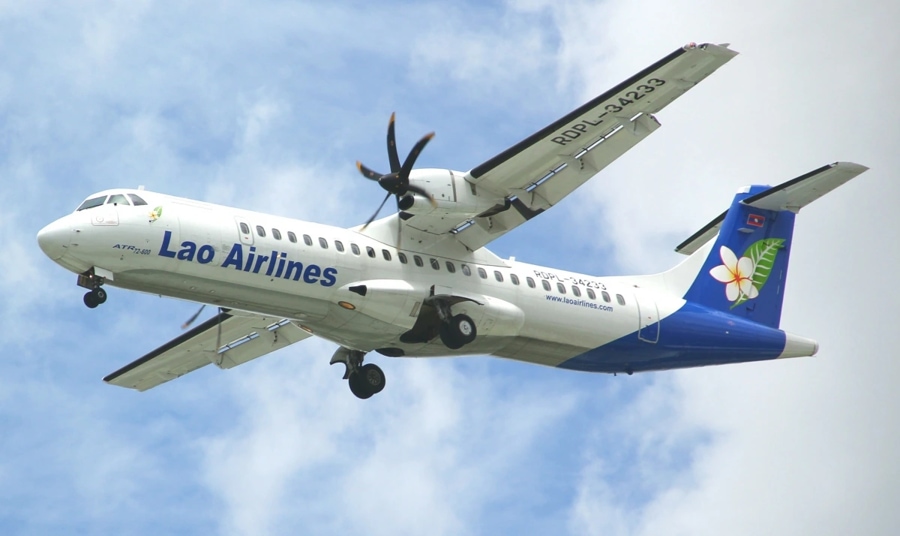
Kuang Si Waterfalls is situated approximately 30 km from the center of Luang Prabang, making it easy to access for the majority of tourists. If you are coming from Vietnam and would like to take a short trip, you can fly directly to Luang Prabang and get to the falls by local transport.

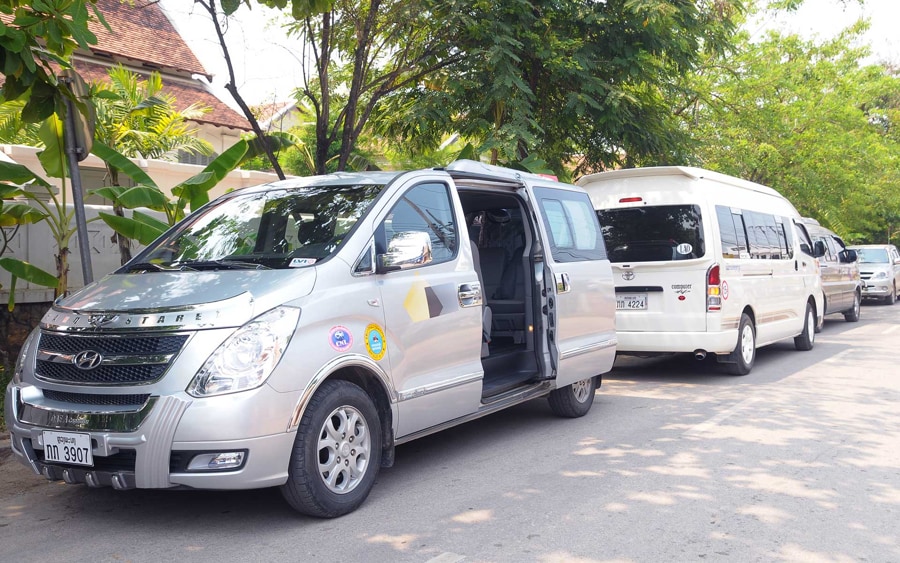
One of the more requested methods to visit Kuang Si is to take a tuk tuk, which provides round-trip transportation for 550,000 VND each. This option is very flexible, easy to do, and you can also take the scenic road between Luang Prabang and the falls.

A local bus is another option, which you would most likely have to book through your hotel or booking service, and this typically only provides 2 departures. The progression of this journey to the falls with the local bus is typically 50 minutes, but it can depend on road conditions.

Things To Know Before Traveling To Kuang Si Waterfalls

Kuang Si Waterfalls is a spectacular multi-tiered waterfall

Before visiting the Kuang Si Waterfalls, it can be great to know a few basic tips to ensure a safe, enjoyable, and memorable trip. This information will give you some sexperience with the terrain, facilities, and customs while visiting this beautiful natural landmark.

  • It does get crowded at the falls, especially on the weekends and during peak season. If you would like a quieter experience and for photo opportunities, time your visit as early as possible.
  • The trails and stone steps near the waterfalls can be slippery. Wearing sturdy, non-slip shoes would be ideal for climbing and walking.
  • If you intend to swim in the turquoise pools, it is recommended to wear your swimsuit and bring a towel. It is refreshing and cool, so you may want to only take a short dip.
  • Visiting the waterfalls and surrounding trails can definitely be tiring. You should carry water and light snacks for the duration of the visit.
  • When watching the bears at the Kuang Si Bear Rescue Centre, be respectful and do not disturb the bears. Be mindful of littering to help maintain the natural beauty of the area.
  • The best time to visit the falls is during the dry season from November – May. Heavy rains during the wet season can create slippery paths and limit access to particular areas of the trails.

Final Thoughts: Are Kuang Si Waterfalls Worth Visiting?

Kuang Si Waterfalls is definitely worth the trip, with stunning turquoise pools, beautiful forest scenery, and a serene natural environment that is like getting away from it all! From swimming in the refreshing waters to walking on scenic trails and spotting wildlife, Kuang Si will leave you with amazing memories, no matter what style of traveler you are. If you’re looking for the perfect combination of nature, adventure, and relaxation, be sure to add Kuang Si to your Laos travel list.

Wat Mai Suwannaphumaham: Luang Prabang’s Sacred Masterpiece

Wat Mai Suwannaphumaham is one of the most recognizable temples in Luang Prabang, with its gold facade, lavish carvings, and serene ambiance. It embodies Laotian spiritual tradition and offers visitors an amalgam of history, art, and a holy quality.

Introduction To Wat Mai Suwannaphumaham

In the former royal capital of Luang Prabang, Wat Mai Suwannaphumaham glows with a relatively quiet splendor. The temple, which was originally constructed in the late 1700s and then repaired on various occasions, is recognized for its gold-leaf facing, with red and black lacquered walls, and the five-tiered roof that reflects the light and beckons your attention as if it were echoing the spirituality of the structure.

Wat Mai Suwannaphumaham at night

Upon entering Wat Mai, you will find not only visual delight but also an opportunity for a more profound cultural and religious experience. You can’t help but see the finely-carved wood and the murals that depict both Buddhist legend and daily life in Laos, suggesting that the temple is more than mere architecture, but rather a dynamic embodiment of faith, skill, and tradition. Locals and visitors alike come to enjoy the beauty for which the temple is celebrated, and explore why the temple has shaped and influenced the social heritage of Laos for centuries.

History Of Wat Mai Suwannaphumaham

Wat Mai Suwannaphumaham was erected in 1796, located in the busy Sisavangvong Night Market area, and also next to the area of the former Royal Palace complex. In addition to the original construction of the sim in 1796, several verandas were added to the front and back of the sim in 1821, and additional construction development occurred in the following decades.

Notably, during the invasion and looting of Luang Prabang by the Chinese Black Flag Armies in 1887, Wat Mai was among the few temples that were not destroyed. After the upsetting event, and numerous temples were ransacked, Wat Mai remained untouched and became a temporary home for the sacred Phra Bang statue, the most revered Buddhist statue in Laos, before moving to the Royal Palace Museum in approximately the middle of the twentieth century.

people will come to Wat Mai to pay respect

While Wat Mai was historically important architecturally, it also has great religious significance for the Lao people. During the Lao New Year, local Lao people will come to Wat Mai to pay respect to their elders and partake in traditional purification rituals. During the New Year, the highly respected Phra Bang statue is moved from the Royal Palace Museum to Wat Mai so that worshippers can ceremoniously wash it and pray for blessings in the upcoming year.

Unique Architecture Of Wat Mai Suwannaphumaham

Admired for its stunning artistry, Wat Mai Suwannaphumaham is remarkable in its beauty and executed in the finest of traditional Lao design qualities. With its golden exterior and elaborately decorated interiors, the temple exemplifies the extraordinary achievement of spiritual and cultural expression.

Elaborate Golden Exterior

One of the most remarkable features of Wat Mai is its striking exterior, adorned with intricate wood carvings and gilded relief and lacquer work. The exterior is freed and empowered with details of flower motifs, mythological creatures, and traditional Lao patterns, which come together to create a dazzling visual masterpiece. The golds in these details shining in the sun attest to the skills of local craftsmen, while establishing the grandeur of the temple.

Elaborate Golden Exterior of Wat Mai Suwannaphumaham

Richly Colorful Interior Murals and Decorative Art

Upon entering, visitors are welcomed by vividly colored murals that depict the stories of Buddhist mythology and the folklore of Laos. These brilliant wall paintings are beautiful and represent detailed choreography of moral lessons, Jataka Tales, and views into daily life in Old Laos. The patterns on the columns and ceilings are a blanket of lacquer, gold, and natural pigments that create a warmth that envelops the structure. The murals are a visual form of scriptures that immerse visitors into Buddha’s teachings through legends and the spiritual legacy of Laos.

The Five-Tiered Sim (Ordination Hall)

The sim is the architectural focus of Wat Mai and serves as a representation of both beauty and historical significance. The sim is reported to have been spared during the invasion of the Haw in 1887 due to its beauty and features a five-tiered roof with a large extended front veranda. The front reliefs depict scenes from both the Ramayana and Jataka Tales that are intricately carved and gilded. Inside the sim are golden columns, calm Buddha images, and an impressive main altar with a large Buddha image that emanates calmness and respect.

The Sacred History of the Phra Bang Buddha Image

One of the most special pieces in the history of Wat Mai is the sacred Buddha image Phra Bang, which is one of the most sacred Buddha images in Laos.

Phra Bang Buddha Image in Wat Mai

After arriving from Wat Wisunarat in 1894, Phra Bang was housed at Wat Mai for 52 years before being moved to the Royal Palace Museum. During the Lao New Year, many devotees return to Wat Mai and gather to wash the image and say prayers to it. This practice of reverence strengthens the significance of Wat Mai as a place of spirituality in Lao culture.

4 Unforgettable Experiences You Shouldn’t Miss

Even though Wat Mai Suwannaphumaham serves as a place of worship and reflection, it is still possible to have many enjoyable experiences. Whether you admire the buildings’ beauty or take part in a spiritual or cultural activity, each visit offers the opportunity to experience something unique to Lao culture.

Tour the Temple Complex

Stroll around the calm property at Wat Mai Suwannaphumaham and admire its detailed architecture and fragile decoration. The temple complex contains the sima, rooms for meditation, a few stupas, and small chapels. Each area provides a calm atmosphere and allows visitors to meet, sit, and appreciate the carvings, gold columns, and tranquility of its courtyards, experiencing the temple in a visual and spiritual way.

Unique Architecture Of Wat Mai Suwannaphumaham

Observation of Buddhist Ceremonies

While on site, visiting during the time of a Buddhist festival or religious event, you may hear chanting and see monks or locals offering in the temples. This is a good time to engage in either observing the rituals or the ceremonies while considering the spiritual context of Lao tradition and the sacred atmosphere of the temple.

Discover The Deep Meaning Of Buddhism

Speak with the monks or elders at the temple to learn about Buddhist philosophy, teachings, and the history of the Wat Mai Suwannaphumaham. Visitors are encouraged to ask questions about special rituals or customs and about the Lao Buddhist way of life. Speaking with the monks and elders creates a great way to discover the spiritual meaning of the temple, providing both an enriching and introspective experience in Luang Prabang.

Discover The Deep Meaning Of Buddhism

Take In Cultural Performances

Check the calendar of events at the temple to see if there are any cultural events occurring during your visit. Performances may include traditional Lao dance, live music, or narration about local myths or fable storytellers. Cultural events will provide a lively, interactive way to experience the rich cultural background of Luang Prabang while at the temple.

Entrance Fee

The price of entry to Wat Mai Suwannaphumaham is 10,000 LAK per person, which is around 0,46 USD. When you visit, you could also donate money for the upkeep and preservation of the temple to keep this spiritual/historic site safe and sound for many years to come.

Opening Hours

Wat Mai Suwannaphumaham is open every day from 8:00 AM until 5:00 PM. The best time to visit the temple is during the dry season in Luang Prabang, from November to April, when the weather is pleasant and favorable for exploration of the temple and temple grounds. In addition, during the dry season, namely from November to February, the weather is cooler, and the humidity is low, allowing for more comfort and enjoyment during outdoor activities and sightseeing.

April is also a great time to visit because not only is the weather favorable that time of the year when the Lao New Year, really known as “Pi Mai”, occurs, but the temple is lively with rituals, including the ceremonial washing of the sacred Phra Bang Buddha statue. If you get the chance to visit the temple during this festival, don’t miss the opportunity to view and participate in so many traditions and Lao festivities!

How To Get To Wat Mai Suwannaphumaham

travel by tuktuk in laos

Wat Mai Suwannaphumaham is situated immediately adjacent to the Royal Palace Museum along Sisavangvong Road within the center of the old Luang Prabang town area. Because of the temple’s central location, there are plenty of ways that a traveler could get to the site. The following are the ways that a person could get to the site:

  • Walking: If a person is staying in the center of Luang Prabang, the option that will be the most convenient among the ones described below is definitely going to be the walking option. The temple is not very far away from the Royal Palace Museum and several hotels and guest houses.
  • Cycling: Cycling is a good way to discover Luang Prabang because you get to see the place at your own pace. You should be able to rent bicycles to go to Wat Mai from anywhere in Luang Prabang. The rental fee per day for bicycles during the time of our visit went for between 2-4 USD.
  • Tuk-tuk: Tuk-tuks are also widely available both in and around Luang Prabang. You should be able to get a ride that will take you straight to Wat Mai. You could hail one of these vehicles yourself, but you could also get assistance from the place you are staying at. The fee for a short distance within the city will be around 3-6 USD.
  • Motorbike: If you rent a motorbike, you will be able to go wherever you wish and see whatever you want whenever you want. The charges are usually 10-15 USD a day, plus fuel consumption. Make sure you have the appropriate driving documents and insurance.
  • Taxi or Ride Hailing: Taxis are not very common compared to the tuk-tuk, but are available around the center of the town; however, the trend has changed to ride-hailing (e.g., Grab), if available. The average fare for a short distance would be around 5-8 USD.

Things To Know Before Traveling To Wat Mai Suwannaphumaham

Wat Mai Suwannaphumaham is a sacred site and a place of pilgrimage, so you must be respectful of local customs and traditions when you go there. The following are important tips that you should consider before visiting the site:

  • Dress in a way that keeps your shoulders and knees covered. This shows respect as you enter the temple.
  • It is customary to remove your shoes before going into the main prayer hall (sim) and any other holy places.
  • Respect rituals: Refrain from interrupting monks and followers during prayers and rituals.
  • Photographs are permitted, but the use of the flash is not acceptable within the prayer hall and during any religious rituals.
  • You must be very quiet while you are within the temple grounds so that you avoid disturbing the peaceful environment.
  • It is appropriate to participate in the Pi Mai festival and other festivities.

Final Thoughts: Is Wat Mai Suwannaphumaham Worth Visiting?

Wat Mai Suwannaphumaham is truly a temple you should not miss visiting when in Luang Prabang. The shimmering gold-leaf exterior, ornate carvings, and overall tranquil atmosphere all add to the temple’s charm and beauty, making it the most compelling temple in the city. It attempts to bond the visitor to history, art, and sacred beauty in a manner that feels pure and authentic and inspired. Make a day to go visit with Seni World and explore the beauty of Luang Prabang without worries!

What’s Inside Luang Prabang’s Icon: Royal Palace Museum

The Royal Palace Museum in Luang Prabang is a permanent historical establishment that affords guests the opportunity to witness Lao royal heritage. Visitors will make their way into the royally preserved living quarters, view sacred objects, and enjoy traditional architecture.

Introduction To the Royal Palace Museum

The Royal Palace Museum in Luang Prabang is something you have to see. It represents the story of the Lao royal family. The palace was built in 1904 during the French colonial period and was originally the home of King Sisavang Vong – a stunning blend of French architecture and traditional Lao design. At the end of a palm-lined avenue and close to the Mekong River, the palace seems elegant and even tranquil while keeping the interest of travelers.

Royal Palace Museum in Luang Prabang

Now it sits as a museum, welcoming the curious traveler to roam the grand reception rooms, the private living areas, and one or two cultural treasures. You will see a variety of royal furniture, gifts of diplomacy, photographs, and, of course, the revered sacred Buddha Prabang. Visiting the Royal Palace Museum is a great opportunity to engage with Lao history and royal culture in a genuine and timeless venue.

History Of The Royal Palace Museum

The Royal Palace of Luang Prabang was built in 1904 during the French colonial period as King Sisavang Vong’s royal residence and his family’s place of habitation. Upon King Sisavang Vong’s death, Crown Prince Savang Vatthana became the final member of his royal family to reside within the palace walls before being relocated himself after the royal family was evicted following the Royal Family’s ousting during the 1975 Communist Revolution.

History Of The Royal Palace Museum

It was not until two decades later, in 1995, that this former palace became a museum containing some of the nation’s most prized royal artifacts and documents, as well as its religious and Lao cultural treasures. Perhaps its most prized is the Prabang Buddha Statue, one of its most valuable national treasures.

Unique Architecture Of The Royal Palace Museum

Upon entering the Royal Palace Museum, visitors are welcomed by an inviting garden with plenty of greenery and a peaceful lotus pond. There is a bronze statue of King Sisavang Vong and several historical canons in the garden. The palace complex features several important structures, including the Royal Barge House situated adjacent to the residential area, the main throne hall, and Haw Pha Bang, a beautifully decorated hall with the noted standing Buddha statue, Prabang.

Royal Barge House Royal Palace Museum

Previously, Prabang and several other religious items were stored in the front wing of the palace.

Additionally, the complex features a structure housing the collection of royal cars, which mostly consists of American vehicles between the years 1950-1970. Along the back of the garage is another building containing rotating exhibition galleries. All of the work and disassembled items are beautifully preserved and demonstrate the previous splendor of the royal palace. The palace consists of three main sections: the Front Wing with entrance areas, the Throne Hall in the middle, and the Rear Wing, which was the residential section.

Front Wing

The Front Wing features the reception hall for the King, which has busts, paintings of the kings of Lao, and two large folding screens with gold leaf made from Ramayana. The walls are painted with murals that depict rural life in Lao, which were painted by a French artist in the 1930s. Next to the reception hall are the most valuable pieces of art in the palace, including the Buddha statue Prabang that is made of gold, silver, and bronze weighing 48 kg and 83 cm tall. On Lao New Year, the statue goes to Wat Xieng Thong for an annual ritual of cleansing with water and flowers.

On the left side of the reception is the place for the former secretary to meet guests and receive gifts from foreign leaders to the Lao monarchy. The gifts range from a socialist state to a capitalist country. The Queen’s former reception room includes paintings of King Savang Vatthana, Queen Khamphoui, and Crown Prince Vong Savang by a Russian artist in 1967, friendship flags from China and Vietnam, and molded replicas of sculptures at the National Museum of New Delhi.

Throne Hall

The Throne Hall, utilized for meetings and other occasions, contains a throne resembling a chair on the back of an elephant, deeply carved with eagle designs. The Throne Hall was where essential decisions were made by the king. From the Throne Hall, the reception area leads to the residential wing, which exhibits a multitude of crystal Buddha statues transferred from Wat That Makmo. The walls are ornamented with mosaics including mirrors, echoing Wat Xieng Thong.

Rear Wing (Residential Area)

The Back Wing acted as the residential section for the royal family and included bedrooms, a dining room, a library, and exhibition spaces featuring traditional Lao dancing masks and musical instruments. This section of the palace is largely intact from 1975 and provides an insight into the lifestyle of the Lao royal family.

4 Unforgettable Experiences You Shouldn’t Miss

A trip to the Royal Palace Museum is about finding living cultures, customs, and the stories that formed Laos. Here are some of the highlights you won’t want to miss as you explore this historic site.

Luang Prabang Royal Palace Museum

Witness The Performance Of The Traditional Phra Lak Phra Ram Dance

One of the unforgettable experiences at the Royal Palace Museum is enjoying the Phra Lak Phra Ram dance performance, a breathtaking artistic version of the Lao version of the Ramayana. The performance is presented in the theater on the museum grounds and features live music, exquisitely designed costumes, and storytelling through movement. The dancers will take you into the ancient Kingdom of Lane Xang and allow you to truly feel Lao history and culture. There is no photography at the show (e.g., no videos, cell phone pics, etc.) to enhance everyone’s experience.

The performance is typically two hours long and occurs on select evenings a week, depending on the season. Tickets can be purchased ahead of time and vary by location of seating.

Discover The Story Of The Lao Royal Family

A visit to the museum provides much greater insight into the life and legacy of the last monarchy of the country. Each of the rooms, including royal reception rooms, bedrooms, and ceremonial rooms, is preserved and allows visitors to imagine how the royal family lived. The informative exhibits and guided explanations allow visitors to recognize the political, cultural, and personal accounts that contributed to modern Laos.

If you are a traveler who’s interested in context, this is one of the best experiences in Luang Prabang for a front-row seat to see the transition from a traditional kingdom to a modern state. The museum helps bring the past alive and personal; it is not just something to be read in a history textbook.

Marvel At The Exceptional Royal Structure Of The Palace

The Royal Palace Museum is distinguished for its captivating combination of French Beaux-Arts architecture and distinctive Lao style. The building’s appealing features, including its golden embellishments, red roofs, and graceful stylization of columns, place it within the category of Luang Prabang’s most dazzling sights.

Exceptional Royal Structure Of The Palace

Visitors can roam the manicured grounds and observe decorative motifs, thematic carvings, and detailed traditional design elements. Several items catch the eye at different spots around the structure, whether it’s examples of royal insignia, historical murals, or Buddhist designs. Standing in front of the Palace evokes a sense of grandeur & serenity in many travelers that echoes Luang Prabang’s soul; a perfect juxtaposition for photos and tranquil reflection.

Discover The Unparalleled Collection Of Cultural Treasures

The museum has an impressive array of unique objects and exhibits that mark the heritage of Lao royalty. Some of the exhibits include religious art, royal regalia, handcrafted instruments made for ritual use, ceremonial gifts from world leaders to Laos, and other culturally significant items preserved over generations. Each artifact reflects not only the art of craftsmanship, but also the evolution of Laos’ political and spiritual history.

the royal's car collection

Entrance Fee

Access to the Royal Palace Museum costs 30,000 Kip (around 1.38 USD). This ticket applies to the museum building only; walking around the lovely gardens and gawking at the palace exterior is free. Therefore, if you are a traveler on a budget, this is a great option.

Opening Hours

The Royal Palace Museum is operational daily and opens its doors to visitors in the morning between 8:00 AM and 11:30 AM, and also between 1:30 PM and 4:00 PM in the afternoon. The last entry is at 3:30 PM daily but closes 30 minutes earlier on Thursday afternoons. This is because Royal Palace Museum officials are very rigid regarding opening and closing hours and may deny entry to any visitor arriving late by even one minute past opening time.

The Royal Palace Museum is best visited between November and January in Luang Prabang, when the weather is cool and dry, with comfortable daytime temperatures. From June to October, Luang Prabang receives heavy rains that may result in closed shops, flooded roads, and reduced access to some areas.

On the other hand, the period between March and May falls into Laos’s slash-and-burn season. The sky at this time is commonly covered with smoke haze, and sometimes an acrid, persistent burning smell fills the air, affecting overall travel comfort and experience.

How To Get To The Royal Palace Museum

The Royal Palace Museum is situated in the center of Luang Prabang, within walking distance of other popular tourist attractions. The museum address is 27 Ounheun Road, although the main entrance is on Sisavangvong Road. People will recognize the museum right away thanks to its large and impressive façade.

The museum is located on the peninsula between Mount Phousi and the Mekong River, just a 2-minute walk from the Night Market and the main tourist area of the city. There are several methods of travel to the museum besides walking, such as by motorbike, taxi, or tuk-tuk, all of which make it very easy to add to a Luang Prabang travel itinerary.

the royal palace museum is near from Mount Phousi

Things To Know Before Traveling To The Royal Palace Museum

Prior to visiting the Royal Palace Museum, there are a few basic rules that would be important to make your experience comfortable. Since this place represents a very important cultural and historical landmark, visitors must behave according to certain guidelines during their visit.

  • Dress modestly, taking care to cover your shoulders and knees, out of respect for the fact that the museum is still a former royal residence.
  • Photography inside most exhibition halls is strictly prohibited to protect historical artifacts and preserve their condition.
  • Large backpacks, luggage, or other bulky items must be checked at the entrance. Do not carry more than needed.
  • The museum gets quite crowded during mid-morning and late afternoon, so arriving early helps you enjoy the exhibits more calmly.
  • Visitors should remove hats and sunglasses before entering indoors as a sign of respect, just like dress etiquette in temples.
  • Opening hours are worth checking in advance because the museum can sometimes be closed unexpectedly for an official ceremony or some special event.
  • Keep some cash handy to pay for entrance fees, as not all places, especially smaller ticket counters, allow for credit card payment.

Final Thoughts: Is the Royal Palace Museum Worth Visiting?

The Royal Palace Museum in Luang Prabang is a must-see when experiencing history, culture, or traditional Lao architecture. The beautifully preserved royal living quarters, sacred objects, and rich exhibits will provide visitors with a unique view of Laos’ royal past. Visitors will see exquisite craftsmanship and learn about the life of Lao royal individuals and the country’s spiritual heritage at the Royal Palace Museum. Please join us at the Royal Palace Museum with Seni World to augment and have the experience of a lifetime while you are in Luang Prabang.

Iconic Wat Xieng Thong: A Golden Sanctuary In Luang Prabang

Wat Xieng Thong in Luang Prabang is a beautiful Buddhist temple built in the 16th century with elaborate carvings, golden mosaics, and layered roofs. It showcases the rich culture of Laos and provides visitors with a calm spiritual experience in a historic environment.

Introduction To Wat Xieng Thong

Located at the top of the Luang Prabang peninsula at the confluence of the Mekong and Nam Khan rivers is Wat Xieng Thong, a prime example of Luang Prabang’s Buddhist architecture. Built in 1559-1560 under King Setthathirath, the roofs of Wat Xieng Thong dramatically sweep toward the ground, the rich golden facades gleam in the tropical light, and the famous “Tree of Life” mosaic decorates the rear wall of the temple.

Wat Xieng Thong built in 1559-1560 under King Setthathirath

While the aesthetic beauty of the temple is compelling, visitors have been drawn from throughout the globe for its cultural and spiritual significance. For centuries, it served as Laos’ royal temple, a site for coronations, and a center for festivals, and in doing so reflected the links between religion, monarchy, and art. Today, Wat Xieng Thong is also a peaceful site for travelers to connect with Lao tradition while visiting one of Luang Prabang’s most beautiful landmarks.

History Of Wat Xieng Thong

Built in 1559-1560 during the reign of King Setthathirath, Wat Xieng Thong is among the oldest and most significant temples in Luang Prabang. Remarkably, the temple withstood the destruction from the invasion of the Black Flag Army in 1887, remaining largely intact in its original architecture and design.

In the 1970s, the temple served as a site for the coronation of Laotian kings, blending royal and religious traditions in ceremony. Today, Wat Xieng Thong remains a prominent temple in the spiritual life of Luang Prabang, functioning as the site of many annual festivals and celebrations of culture reflecting the deep history of Buddhism in Laos.

Unique Architecture Of Wat Xieng Thong

Wat Xieng Thong is not just a sacred site for devout religious beliefs but a remarkable piece of traditional Lao architecture. Each building within the temple grounds has a story to tell about faith, artistry, and cultural pride, thus finding itself as one of the most beautiful sites in Luang Prabang, and below are some highlights of its architectural elegance.

The Sim – The Main Sanctuary Of Grace

The Sim, or main ordination hall, is actually the centerpiece of Wat Xieng Thong and is the most opulent structure on the grounds. Sporting elegantly sloping, multi-tiered roofs nearly touching the ground, the building is a prime representation of traditional Lao architecture. Every detail of the Sim is lavishly designed with gold patterns and outcomes of intricate carvings, depicting their faith whilst also exuding a dominant artistic adornment.

The Sim - The Main Sanctuary Of Grace

The main Buddha image is the only statue amongst the vastly colored murals telling the story of the life of the Buddha and ancient legends, which all collectively provide a serene and sanctified location for meditation and prayer.

A Compound Of Sacred Chapels

There are several smaller chapels that surround the Sim, each possessing its distinct architectural character, personality, and spiritual interpretation. The most distinguished of these chapels is the Red Chapel, a small but spectacular chapel decorated with luminescent glass mosaics on vibrant red walls that shimmer in the sunlight.

The Red Chapel also harbors a unique reclining Buddha statue, likely from the 16th century. The adjacent Chapel of the Standing Buddha, adorned with a tall and elegant statue exemplifying compassion and enlightenment, complements the duo of chapels that give visitors insight into both Lao spiritual expression and artistic variety.

Ho Trai – The Temple Library

The Ho Trai, or temple library, exemplifies innovation and devotion. To avoid dampness and termites attacking sacred Buddhist scriptures, the Ho Trai is built on wooden stilts. The structure exemplifies harmony between function and design. Gold stencils adorn the exterior, and intricate carvings epitomize dedication.

Ho Trai - The Temple Library

The Ho Trai had colored palm-leaf manuscripts in ancient times that preserved Buddhist teachings. The raised wooden-stilt foundation, intentional design choices, beautiful carvings, and abstract and figurative motifs of Ho Trai signify the auspiciousness of elevated knowledge and enlightenment in Buddhism.

The Drum Tower And Royal Crematorium

The tall wooden frame of the Drum Tower, with its beautifully carved details, would once have been the site of a rhythmic beating during the temple ceremonies and festivals. This served as a spiritual communication, calling monks and the local populace to gather in worship.

Nearby, a royal crematorium, with expensive embellishments decorated with gold, was erected to honor Lao kings and members of the royal family. Together, these structures create a somber and regal space that conveys a sense of the spiritual and royal heritage of Luang Prabang.

The Drum Tower And Royal Crematorium

Vibrant And Symbolic Decorations

Every corner of Wat Xieng Thong is filled with color, artistry, and meaning. The temple walls are embellished with gold stencils, elaborate wood carving, and mosaic panels that cover the walls and depict scenes from Buddhist mythology and Lao life.

Among the most celebrated pieces of art in the temple is the famous “Tree of Life” mosaic that occupies the back wall of the Sim, along with vibrant glass, a splendid piece that represents creation and renewal. The artistic details exhibit the exceptional craftsmanship of the Lao artisans, and they embody the rich spiritual and cultural essence of the temple.

Vibrant And Symbolic Decorations

6 Unforgettable Experiences You Shouldn’t Miss

A trip to Wat Xieng Thong can be more than just a place to view art, culture, and spirituality. Here are some key nuggets of experiences that make this temple a must visit in Luang Prabang.

Take In The Beautiful Architecture

The temple is a prime example of traditional Lao architecture with its elegantly swooped roofs and finely detailed decorations. All of the buildings demonstrate the skill of talented artisans in gilded carvings and details on wooden panels. Walking around the temple complex allows visitors to appreciate how the design of the buildings reflects a combination of beauty and spiritual stories within the architecture. The eyeful details and colors truly give visitors a taste of Lao culture.

Explore The Culture And History Of Laos

The temple contains captivating insight into the history and tradition of Lao Buddhism. Stunning murals, sculpted figures, and calming spaces provide glimpses into the lives of prior generations, and assist visitors in contextualizing the cultural and spiritual backdrop of Laos. Visitors learn to connect with the spiritual foundations of the nation through understanding the art and history on display, and ultimately, this enriches their experience and legacy of culture.

Explore The Culture And History Of Laos

Enjoy The Spiritual Calm

To venture into the peaceful nature of Wat Xieng Thong is to go on a spiritual experiential opportunity that does not compare to any other place. The calm halls, gentle chanting, and sacred space invite moments for calm contemplation. Almost all visitors feel the calmness, the connection, the appreciation of the temple not only for its stunning beauty, but also for its preserved spiritual roots.

Engage In Traditional Festivals

Wat Xieng Thong is part of the numerous higher-profile Buddhist festivals, including Vesak and That Luang, all of which are celebratory gatherings of culture. The temple comes alive with rituals, performances, and festivities that extend to the surrounding area. Visiting during these ceremonies provides a first-hand understanding of Lao religiosity – the joyful spirit of local communities gathering in celebration of their religiosity.

Enjoy Local Art and Handcrafts

Additionally, the temple exhibits traditional arts and handicrafts of the Lao. The visual art is illustrated by bright colors of Thangka paintings and textile weaving, among others, all of which emphasize the region’s tradition of cultural expression. Many tourists are fascinated by experiencing the work that occurs in the fields of art and textiles, which provides insight into the skill and dedication needed to keep unique expressions of culture alive across generations.

Pray For The Peace and Blessings

A spiritual landmark for Laos, local followers and travelers seeking blessings for peace and happiness of body and mind. Visiting Wat Xieng Thong is a common experience in Luang Prabang to remember people making prayers, lighting incense, or simply meditating in many spaces in the temple or temple grounds. Visitors become engaged with the temple on a personal level, so they leave with a certain sense of peace and appreciation of the spiritual aspects of the temple.

Pray For The Peace and Blessings

Entrance Fee

The standard entrance fee to Wat Xieng Thong is around 20,000 LAK (about 2.5 USD per person). This ticket grants guests entry to the temple’s main areas and gives them an opportunity to take in the beautiful architecture and cultural history it has to offer.

Opening Hours

Wat Xieng Thong is open every day from 8:00 AM until 5:00 PM. However, special events, ceremonies, or festivals may sometimes change the visiting hours, so check ahead if you want to avoid a disruptive surprise. You can visit any time throughout the year. However, afternoons are best. The sunset creates a golden light across the temple at sunset and produces a calm, picturesque view of peaceful Luang Prabang.

How To Get To Wat Xieng Thong

Wat Xieng Thong is situated at the northern end of the Luang Prabang peninsula, at the confluence of the Mekong and Nam Khan rivers, wedged between Khem Khong Road and Sakkaline Road. Most people are able to walk to the temple from anywhere in central Luang Prabang comfortably. Those staying further away may take bicycles, motorbikes, or tuk-tuks, convenient modes of transportation.

Pray For The Peace and Blessings

Although many travelers prefer to walk to the temple, if you choose to take a mode of transportation, it is wise to seek advice from your hotel or guesthouse. Bicycles and motorbikes can also be rented directly from your accommodation. While it is best to travel in groups rather than solo, riding a motorbike or car around town will make it safer. You can consider the following options:

  • Tuk-tuk: Rental prices are around 200,000 LAK (~23 USD) for a few hours, or 250,000 LAK (~29 USD) for up to 6 hours. A tuk-tuk can fit 6-8 people comfortably, and drivers know all the local routes. There might be a small fee of 10,000 LAK (~1.2 USD) to cross the Nam Song River.
  • Motorbike rental: A daily rental is usually about 100,000 LAK (~12 USD) plus the cost of gas. This is a great option because you can spend as much time as you like at the different temples or in the area.
  • Bicycle: It is very easy and inexpensive to rent a bike to reach Wat Xieng Thong. It should only take a few minutes to get to most places if you are riding one. Daily rent prices are about 25,000 LAK (~2.9 USD).

Things To Know Before Traveling To Wat Xieng Thong

Before visiting Wat Xieng Thong, please consider that this is not only a well-known travel site, but also a place of great religious significance. Out of courtesy and respect for this sacred site, it is a good idea to take a look at a few helpful points to keep in mind as a traveler:

  • While you can take pictures in most areas, just be sure to pay attention to any signage restricting photographs. This is particularly important in holy areas, as they can take away from the experience of those who are praying.
  • Dress appropriately in the temple. No short skirts, sleeveless tops, or revealing clothing should be worn. Shoes must be removed before entering the main hall.
  • Be quiet and consider the others who may be praying or meditating. It is important to preserve the tranquil and spiritual environment in temples.
  • Visiting in the early morning or late afternoon will help to avoid large crowds and give you the pleasure of experiencing the temple surrounded by soft light.
  • Bring cash to pay for the entry fee, and perhaps a small donation, as credit cards are not accepted.
  • If you join a tour, observe your guide’s instructions and listen to their explanation so you can understand the symbolism and architecture of the temple and the significance of the history.
  • Please do not touch the statues, murals, or any object in the temple, as it may be considered disrespectful in Lao culture.

Final Thoughts: Is Wat Xieng Thong Worth Visiting?

Wat Xieng Thong is a timeless work of art that tells the story of the spirit, artistry, and religious faith of Laos. Every detail, from the golden carvings to the gardens infused with calmness, indicates devotion to tradition and belief. When visiting, you will have the rare opportunity to witness the heart of Luang Prabang’s cultural heritage and see one of Southeast Asia’s most beautiful temples. Prepare for an unforgettable Luang Prabang trip with the help of Seni World, and let the magic of Wat Xieng Thong capture your heart.

Hotels In Luang Prabang For A Comfortable And Enjoyable Trip

There are various wonderful lodgings for you to select from when searching for the best hotels in Luang Prabang. Let’s find out the most wonderful place to stay in this city, favored and trusted by both local people and vacationers.

Top 9 Hotels In Luang Prabang For Your Journey

After taking part in a long and interesting list of things to do in Luang Prabang, it will be wonderful if you choose a great hotel to stay in after these energetic times. The 9 hotels in Luang Prabang below are usually mentioned first when travelers look for a place to stay in this city.

Elephant Boutique Hotel (3 ★)

Not only famous for its restaurant, but Elephant Boutique Hotel is also one of the beautiful boutique hotels in Luang Prabang. The design is cozy and locally stimulated, with warm wooden tones, stylish wooden furniture, and highlighted Lao touches. Staying here, you can enjoy both the restaurant and accommodation, which are preferred in Luang Prabang, with a personalized service and intimate vibe.

Elephant Boutique Hotel (3 ★)

Elephant Boutique Hotel has many modern benefits and services, including an airport shuttle, free Wi-Fi, 24-hour room service and front desk, private parking, family rooms, modern television, and air conditioning. The hotel also has rooms that overlook famous landmarks and the whole view of the city for vacationers who love a comfortable and free atmosphere. The price of the Elephant Boutique Hotel in Luang Prabang is from $38.5 to $134.6 per night, based on the type of room you book for your journey.

Villa Chittara (3 ★)

Villa Chittara is one of the captivating yet cheap hotels in Luang Prabang’s Old Town, only a few minutes’ stroll from the local night market and major temples. Designed in an elegant Lao-French style, the hotel has wood interiors, parquet flooring, and conventional furnishings that evoke a pleasant and local vibe. Each room in the hotel has a personal balcony that overlooks both a tropical lawn and the serene road.

Villa Chittara (3 ★)

There are many great benefits and services, consisting of a generous buffet breakfast on the lawn terrace, 24-hour reception, baggage storage, laundry, air conditioning, minibar, tea or coffee making facilities, satellite television, free Wi-Fi, as well as a safety deposit box. This is an awesome choice for travelers who need a convenient and still economical stay during this Luang Prabang itinerary. The price of the Villa Chittara hotel in Luang Prabang is from $80.8 to $92.3 per night, based on the type of room you book for your journey.

Villa Maly Boutique Hotel (4 ★)

Once a royal residence, Villa Maly Boutique Hotel brings travelers a historical boutique feeling with French colonial decoration and luxurious garden surroundings. Some rooms have parquet wooden floors and comfortable furnishings. Being one of the brilliant 4-star hotels in Luang Prabang, this place has a serene swimming pool, a spa, an open-air restaurant, and bicycles for visitors to explore.

Villa Maly Boutique Hotel (4 ★)

You can enjoy many great benefits and services, consisting of air conditioning, tea or coffee making facilities, a minibar, an airport shuttle, free Wi-Fi, a green garden, and rooms overlooking swimming pool view or garden view. Villa Maly Boutique Hotel is just a 10-minute drive from Luang Prabang International Airport and easily reachable from the main attractions, so it is very convenient for you. The price of the Villa Maly Boutique Hotel in Luang Prabang is from $142.3 to $426.9 per night, based on the type of room you book for your journey.

Le Sen Boutique (4 ★)

Le Sen Boutique combines modern minimalism with Lao heritage, just a short stroll from famous attractions like Wat Manorom. The accommodation’s architecture and design highlight natural materials, creating a peaceful and nature-stimulating atmosphere. Each room in this hotel has a balcony or terrace overlooking the swimming pool or lush garden, so you can loosen up in privacy.

Le Sen Boutique (4 ★)

There are many great benefits and services, consisting of a spa, a gym, and a green lawn terrace for yoga or meditation. You can also use free bicycles, a shuttle service, a 24-hour reception, and free Wi-Fi. The on-site restaurant serves both Lao and global dishes. The price of the Le Sen Boutique in Luang Prabang is from $253.8 to $403.8 per night, based on the type of room you book for your journey.

My BanLao Hotel (4 ★)

My BanLao Hotel is one of the luxury hotels in Luang Prabang, which combines colonial structure with traditional Lao touches, bringing travelers an elegant yet sustainable atmosphere. Especially, the hotel uses modern solar power, electric vehicle transport, and carefully implements waste-control structures. My BanLao Hotel is an awesome choice for tourists who love enjoying heritage design in a contemporary boutique hotel.

My BanLao Hotel (4 ★)

My BanLao Hotel has many modern benefits and services, including an on-site restaurant and coffee shop, a hot tub, a sauna, and a gym. Besides, you can also unwind in eco-friendly finishes, feel comfortable with air conditioning, quality furnishings, 24-hour reception, baggage storage, laundry, and an airport shuttle. The price of the My BanLao Hotel in Luang Prabang is from $101.2 to $130.8 per night, based on the type of room you book for your journey.

3 Nagas Hotel Luang Prabang (4 ★)

Located in 3 restored heritage houses, 3 Nagas Hotel Luang Prabang is a boutique hotel that fantastically keeps the spirit of Luang Prabang’s past. The hotel mixes French colonial and Lao styles, with rosewood flooring, conventional walls, and warm clay-tiled roofing. Vacationers can also use the free bikes of 3 Nagas Hotel Luang Prabang, which is the best way to explore this UNESCO heritage city.

3 Nagas Hotel Luang Prabang (4 ★)

You can enjoy many great benefits and services, consisting of elegant rooms and suites, a serene garden by the beautiful Nam Khan River, an on-site library, and a restaurant serving Lao iconic delicacies. The hotel also has a pleasant terrace, a minibar, tea or coffee-making facilities, a shuttle service, and a 24-hour reception. The price of the 3 Nagas Hotel Luang Prabang is from $146.2 to $169.2 per night, based on the type of room you book for your journey.

Satri House Hotel (5 ★)

Satri House Hotel, which is one of the heritage boutique 5-star hotels in Luang Prabang, was once a royal residence. Now, being a famous accommodation, it is surrounded by green gardens and brilliant tropical courtyards. The hotel has a colonial architectural layout, with elegant wooden flooring, vintage furniture, and cozy common areas.

Satri House Hotel

There are many great benefits and services, consisting of a large swimming pool, a library, a garden bar, and a spa. Staying here, you can enjoy symbolic foods with an authentic flavor of Laos, unwind in rooms overlooking the beautiful, large view of the city, and enjoy many modern amenities like free Wi-Fi, tea or coffee making facilities, air conditioning, and satellite television. The price of the Satri House Hotel in Luang Prabang is from $276.9 to $457.7 per night, based on the type of room you book for your journey.

Avani+ Luang Prabang Hotel (5 ★)

Avani+ Luang Prabang Hotel is a modern boutique hotel, which is positioned in converted French officers’ quarters. The hotel’s layout mixes contemporary minimalism with colonial charm, including open-plan rooms with elegant teak floors, decoration with indigenous fabrics, and unique louvered French doors opening to private balconies or terraces.

Avani+ Luang Prabang Hotel has many modern benefits and services, including a very large outdoor swimming pool, a tranquil and beautiful garden, a coffee machine, an airport shuttle, oversized daybeds, and a quiet lounge. The service is excellent, and the staff are very hospitable, making it a stylish holiday for travelers when traveling to Luang Prabang. The price of the Avani+ Luang Prabang Hotel in Luang Prabang is from $353.8 to $669.2 per night, based on the type of room you book for your journey.

La Résidence Phou Vao (5 ★)

La Résidence Phou Vao is positioned on a hill above Luang Prabang. This 5-star hotel brings vacationers captivating panoramic mountain views and an impressive layout that combines classic French colonial structure with traditional local Lao touches. The atmosphere here is peaceful and refined, offering an amazing holiday for you and your family after a busy work period.

La Résidence Phou Vao (5 ★)

You can enjoy many great benefits and services, consisting of luxurious spacious suites, lush gardens, a large swimming pool, a spa, and a high-end restaurant serving both global and local dishes. You can also overlook the pretty tropical gardens from your private terrace, enjoy the room with rosewood, natural wood furnishings, and a large bathroom with a free-form terrazzo bath. The price of the La Résidence Phou Vao hotel in Luang Prabang is from $530.8 to $884.6 per night, based on the type of room you book for your journey.

Tips To Choose The Best Hotels In Luang Prabang

To feel comfortable, interesting, and safe with your family and friends in this Northern Laos itinerary, you need to remember the following essential travel tips to select a wonderful place to stay when searching for hotels in Luang Prabang.

  • You need to read and focus on recent reviews and feedback from other guests within the last 3 to 6 months. Therefore, you can have accurate information on the service, cleanliness, as well as facilities of the hotels in Luang Prabang.
  • Particularly in the peak travel seasons, during the cool and dry season (from November to February), which is the best time to visit Luang Prabang, rooms in this city fill quickly. So don’t forget to book them in advance to ensure availability.
  • The weather in Luang Prabang can be very hot and humid, especially during the hot and dry season (from March to April). So you need to ensure your room has efficient air conditioning.
  • Rates of accommodation between booking platforms can differ. Let’s compare between agencies and the hotel’s own website before paying.
  • If you are sensitive to noise, fear not saying no to hotels on busy and dynamic streets. Remember that the Old Town area can be lively in the evenings, so you should consider this when booking one in this area.
  • Wi-Fi quality varies between hotels in Luang Prabang. So you need to check and ask for support from the hotel’s manager for Wi-Fi availability if you are a business traveler and need to work online.
  • Many hotels in Luang Prabang offer delicious traditional Lao or Western breakfast choices for travelers. This will save both time and money each morning for you, so you should ask about this point before booking and paying.
  • The weather in Luang Prabang can be unpredictable, so you should select a hotel or resort that offers flexible and supportive booking policies.

Final Thoughts

There are many different hotels in Luang Prabang, from economical to high-end or luxury ones, for vacationers to book when looking for where to stay in Luang Prabang. Besides, choosing to stay in a suitable accommodation, you will refresh yourself after an energetic trip. If you want to be consulted about this adventure in Luang Prabang, interesting things to do and to see in this city, as well as receive support for the visa process, let’s contact Seni World, a reputable tour operator from Vietnam.

Luang Prabang Itinerary With Top Activities And Local Highlights

A Luang Prabang itinerary helps you explore temples, slow riverside corners, Kuang Si Falls, and nearby craft villages without rushing. With a clear route, you enjoy the city’s calm rhythm while still covering its most essential highlights.

Who Is The Luang Prabang Itinerary Suitable For?

First-timers find Luang Prabang mixes famous temples with calm moments by the river. A getaway blending quiet moments with adventures? This plan nails it. Head to Kuang Si Falls for a fresh take on Luang Prabang with vivid blue waters, tree-covered paths, but also crisp woodland breezes. If culture pulls you in, check out Wat Xieng Thong, peek inside the old Royal Palace, or watch locals offer food to monks at dawn.

wat mai temple in luang prabang

No matter if you’re with kids, someone special, or flying solo, there’s plenty that fits. Pairs could chill during golden-hour views by the Mekong River; parents might lean into green spaces plus gentle strolls instead. Those exploring alone often grab shared river rides or pick up local recipes in hands-on sessions. The pace stays smooth throughout, never hectic.

How Many Days To Spend In Luang Prabang?

Kuang Si Waterfall

Many visitors reckon three or four days is just about perfect – picking the best season to hit Luang Prabang helps things go way easier. With that kind of window, you can check out temples, taste regional dishes, then slip out to nearby caverns without feeling pressed.

  • Luang Prabang itinerary 2 days: Keep it short. Day one, check out Wat Xieng Thong, then the old Royal Palace, and after that climb Mount Phousi when the sun goes down. Second day, make your way early to Kuang Si Falls – this place is well known around here for nature vibes, later come back into town and walk around the Night Market once dark.
  • Luang Prabang itinerary 3 days: With three days, you can take your time. Instead of just hitting top spots plus Kuang Si, try a boat trip down the Mekong to see Pak Ou Caves. You’ll still have space for lazy nights near the water or learning to cook local food.
  • Luang Prabang itinerary 4 days: Mix temple visits with outdoor spots. Check out town shrines, then hit Kuang Si waterfalls early. Swap one full day for Pak Ou caves instead of more sightseeing. Slide in craft villages or stroll across a bamboo footbridge when you’ve got spare hours. Works well if you like exploring deeply but don’t wanna race around.
  • Luang Prabang itinerary 5 days: With five days, you can roam farther. Skip the typical spots, check out Tad Sae Falls when it’s flowing, unwind at a massage spot, or head into local hamlets. Maybe swing by your favorite spots again, evening views on the Mekong stay fresh every time.
  • Luang Prabang itinerary 7 days: A whole week gives you space to relax. Rather than rushing around, slow down, try a side trip to Nong Khiaw, go on a hiking adventure, or just spend lazy mornings strolling empty lanes. Given this much time, you’ll start living like residents do: calm, steady, with purpose.

What To Expect From The Luang Prabang Itinerary?

Luang Prabang takes it slow, temples here, riverside walks there, quiet lanes weaving through. You start seeing how the town’s signature experiences in Luang Prabang hold up without trying too hard.

Iconic Temples And Historic Spots

Wat Xieng Thong catches the eye because of its detailed wooden designs and wide roofs, showing off classic Lao art skills. Close by, the Royal Palace Museum helps explain what life was like back then, so tourists can pick up stories of old royalty as they wander through in their own time.

Wat Xieng Thong in luang prabang

Night Market And Local Shopping Streets

Luang Prabang Night Market draws visitors keen on checking out handcrafted goods, sampling quick bites from carts, and soaking in the laid-back vibe after dark. Vendors line up across the central road, lighting up the area with warm light. By contrast, early-day bazaars near historic zones feel like packed with everyday foodstuffs, revealing how folks here eat and prep meals.

Kuang Si Falls

Kuang Si Falls usually stands out as the top outdoor spot here – plenty of tourists call it the best part of their visit. Water tumbles down layered cliffs into bright blue pools where people splash around, chill out, and soak up lush jungle views. Trails are straightforward to navigate, while the breeze near the cascade brings relief compared to hotter spots downtown.

Pak Ou Caves

A trip to Pak Ou Caves mixes a calm river cruise on the Mekong with exploring two grottos packed with countless Buddha figures. Folks usually like the serene upstream glide, spotting tiny riverside settlements alongside rocky bluffs near Luang Prabang. Stepping into the caverns brings stillness, almost hushed, a mood showing how people here have respected these spots for ages.

Luang Prabang_Pak Ou Caves

Detailed Luang Prabang Itinerary

A short break – four days, three nights in Luang Prabang mixes old temples with jungle walks without rushing. This place isn’t big, so getting around takes little effort; mornings can be full, afternoons slow. That’s one way the journey could go.

Day 1: Temples And Old-Town Walks

Your first day in Luang Prabang hits the sweet spot if you stick to the old town; most big spots are packed into a tight 1–2 km stretch. Start at Wat Xieng Thong; it opens early, plus it’s one of the flashiest temples here, showing off fresh mosaics and sharp wood carvings. After that, swing by the Royal Palace Museum; it won’t eat up much time, maybe under an hour, and get a quick peek into Laos’ royal past.

Royal Palace Museum in luang prabang

When the afternoon rolls around, tackle Mount Phousi; better views come once the sun cools down. The climb itself is roughly 15 to 20 minutes, give or take, based on how fast you move. Dinner’s a breeze at the Night Market; stalls pop up by 5:00 PM. If you want something low-key, try riverfront spots along the Nam Khan serving home-style bites with peaceful water sights.

Day 2: Kuang Si Falls Day Trip

Your second day focuses on Kuang Si Falls, found roughly 45 minutes outside Luang Prabang via tuk-tuk or shared minivan. They open at eight in the morning; getting there early means escaping both the sun’s strength and big groups. The trail’s simple, featuring multiple platforms spread across various levels; usually, people hang around two to three hours checking it out. Nearby lies the Tat Kuang Sie Bear Rescue Centre spot, a quick circuit that needs only about a quarter hour to stroll through.

Tat Kuang Sie Bear Rescue Centre spot

Most people head back to town around noon because food spots near the falls are limited. Once in Luang Prabang, you can grab a bite on Sisavangvong Road or near the Mekong – places that offer fast eats and icy drinks, perfect if you need a rest later on. When you’re feeling active, checking out Wat Mai or strolling across the bamboo bridge fits well into your afternoon plans. For dinner, going for local flavors like Or Lam or charred fish makes sense.

Day 3: Mekong Cruise And Pak Ou Caves

A lazy boat trip down the Mekong kicks off your third morning. Heading upstream gives a calm vibe, revealing tiny riverside towns, green jungle edges, and then fishers hopping across weathered canoes. Out of nowhere, the Pak Ou Caves show up near pale rock walls, inside sit heaps of Buddha statues left behind by locals through the decades. A lot of folks check out both the bottom and top sections before pausing on shore just to soak in the scenery.

Join A Mekong Sunset Cruise

Once you’re back in town, the pace keeps it low-key. A few folks wander into a riverside café for an after-dark drink; meanwhile, some grab a quick massage to chill out pre-dinner. Others jump into cooking lessons that kick off later in the day – hands-on fun making local food with market-fresh stuff picked earlier.

Day 4: Villages And Local Crafts

Your last morning lets you check out the calmer corners of Luang Prabang. Some folks head first to Ban Xang Khong, where locals make silk and paper by hand. These small studios sit outside under roofs, loose enough to stroll through while people work, dipping cloth in dyes or flattening tree bark into soft sheets. Just a quick ride from downtown means it fits neatly into a few hours, no need to go far.

Later on, just wandering around feels right. Some folks like walking the temporary bamboo bridge for new angles on the Nam Khan River. Others would rather check out quieter temples like Wat Aham or Wat Visoun to skip busy areas. This stretch is perfect for going back to places you liked before, maybe a café or a calm river nook. Wrapping up with an easy meal near the water eases things down gently, letting you soak in the soft rhythm of the town one last time.

Tips To Make The Most Of Your Luang Prabang Itinerary

Khao Jii (Lao Baguette Sandwich)

A Luang Prabang plan works better when you understand how the town changes from morning to night. These quick tips let visitors skip busy spots, catch cleaner sights because they make getting around smoother.

  • Early mornings are when it’s calmest for checking out main temples; meanwhile, the gentle light near Wat Xieng Thong helps snaps look sharper with deeper tones.
  • The top part of Pak Ou Caves is calmer, plus it’s got ancient Buddha statues, so go there if you want a relaxed, thoughtful experience.
  • Watching the food offering from afar lets you see it real, while keeping clear of where the monks walk.
  • Craft spots like Ban Xang Khong come alive later in the day once the sun cools down, and then locals get back to making cloth or crafting paper.
  • Places to eat by the Nam Khan tend to serve food faster, while also feeling more relaxed when it’s dinner time and things get busy, especially compared to spots near the Mekong.
  • Cooler weather during the dry season means easier hikes plus better waterfall visits. This time of year lines up perfectly with ideal conditions outdoors near Luang Prabang.
  • Night Market shopping feels smoother right after sunset, vendors keep their best fabrics tidy until later, while people slowly trickle into the central lane.

Final Thoughts

A Luang Prabang plan clicks when it matches the quiet pace of the place while weaving in temples, green spots, and lazy riverside nights. Plan with care, then you walk away not just with snaps of Kuang Si or streets from another time, but also a real feel for what makes this UNESCO spot peaceful and open-armed. Need someone to sort out side excursions, figure out rides, or fine-tune how you move around in Vietnam or Laos? Seni World steps in with solid prep and know-how that comes from being local.

Luang Prabang Nightlife With Top Activities, Food Spots, And Tips

Luang Prabang nightlife stays relaxed, yet offers plenty of laid-back spots with river-view hangouts or street eats at the night bazaar. When you’ve spent hours ticking off typical daytime highlights, these picks keep the vibe smooth once the sun drops.

Top 6 Things To Do In Luang Prabang Nightlife

Luang Prabang might feel peaceful at night, yet that’s no reason to stay indoors. Try these options if you’d rather experience the town like residents or seasoned visitors do.

Explore The Luang Prabang Night Market (Sisavangvong Road)

The night market is on Sisavangvong Road, an extensive pedestrian pathway right in the heart of Old Town. If your accommodations are near the Royal Palace or Mount Phousi, it’s an easy walk to get there. Vendors begin to set up at twilight, while the most active section is right by the entry to the palace. The first section has better quality handmade products with more well-organized booths, and it is always convenient if you want to look at just a few places and not walk the whole length.

Explore The Luang Prabang Night Market (Sisavangvong Road)

Expect to see handwoven fabrics, bamboo products, earth-dyed creations, silver jewelry, homegrown coffee, and tons of food. Many of the vendors have family-owned booths, so feel free to engage in conversation with them and inquire about how certain items are made.

If you’re hungry, Khao Nom Kok (Lao coconut pancake), Ping Pa (grilled river fish), and Nam Mak Mai (fresh fruit shake) can be found in alleys. It gets going at about 7:00 PM and is busiest at night, so if you’d prefer to meander at your own pace, go earlier.

Enjoy Sunset Drinks Along The Mekong River

If you get to Luang Prabang late in the day, head straight for the Mekong, grab a seat while the sky shifts colors. Along Kingkitsarath Road or Khem Khong Street, you’ll bump into little bars and coffee joints right by the water. Try Mekong Sunset View, Redbul Restaurant & Bar, or plop down on Ock Pop Tok’s outdoor platform; they’re hassle-free to locate. If you’re coming from the Royal Palace, just stroll for five minutes and you’ll hit the first group of hangouts, perfect for chilling before your meal.

Enjoy Sunset Drinks Along The Mekong River

Drinks here are straightforward; try Beer Lao, simple mixed drinks, or fresh juice when skipping alcohol. A handful of spots toss in little bites such as spring rolls or charred meat sticks, handy for a quick bite pre-dinner. In Luang Prabang, dusk drops quickly, so showing up early means grabbing that prime riverside seat. Once you’re done relaxing, it’s just a short stroll back toward the night market or central road, both lit clearly along the way.

Experience The Late-Night Luang Prabang Bowling Alley

The bowling alley’s roughly ten minutes from Old Town, yet tuk-tuk drivers recognize it right away; it’s the sole venue lit past midnight. Once riverside bars shut down, folks usually drift here instead, which means things pick up around 10 or 11 PM. It fits perfectly when you’re not ready to end the night but need an activity, particularly if you’re out with pals or lodged somewhere pretty calm.

Games are paid per round, plus they go fast, no sitting around, even if things get crowded. You grab drinks at the counter while prices match what you’d pay elsewhere downtown. Outside the front door, tuk-tuks hang out because most folks need a lift home later; that means getting back to your place stays hassle-free whenever you leave.

Watch A Cultural Performance At The Royal Ballet Theatre

The Royal Ballet Theatre is just a quick stroll from the Royal Palace, yet plenty of travelers go by without knowing they put on nightly acts. Shows mostly cover tales from Lao folklore along with episodes of the Ramayana, while the compact stage lets you catch every move and outfit detail clearly. Instead of hitting noisy bars or crowded markets, this spot offers a calm, organized option when you’re after an evening with some culture.

Watch A Cultural Performance At The Royal Ballet Theatre

Tickets are available at the entrance or via your hotel, though spots usually open up even if it’s not high season. Each show runs around sixty minutes, so there’s room for a meal on either side. Located downtown in the historic area, the venue fits smoothly into any afternoon plan.

Visit The Seasonal Bamboo Bridge And Its Riverside Cafés

The bamboo bridge stretches over the Nam Khan River but shows up just when the weather’s dry, so don’t expect it any time of year. A short walk from Old Town gets you there, where a tiny pay station plus strings of glowing lanterns mark the way in. Once across, peaceful cafes wait with wide-open sightlines along the water edge, minus the busy feel of the Mekong shore.

Many folks show up around dusk or later since this spot’s calm and kind of tucked away. Grab a seat with a beverage, check out the water moving beneath the bridge, as night slowly rolls in. Heading back takes just a few minutes, winding through quiet neighborhood paths offering a gentler side of Luang Prabang nightlife.

Join A Mekong Sunset Cruise

Boats set off from the part of the Mekong close to the main dock-just a quick stroll from the night market or the Royal Palace. Tickets are sold right by the riverbank, yet some companies offer basic hour-long trips meant for sunset viewing. Views stretch far across the mountains, stuff you’d miss if you stayed on land.

Join A Mekong Sunset Cruise

Some trips offer tea or a light beverage, though plenty stick to basics and let the views shine. No rush to reserve early, unless you’re visiting when crowds show up. When the ride wraps up, you’ll find yourself near downtown, ready to grab a bite or wander the bustling night market.

What To Eat In Luang Prabang Nightlife

Meals play a key role in Luang Prabang’s evening scene, with night market stalls or spots near the water. If you’re out late, these eats are your go-to choices.

Khao Soi Luang Prabang (Local Curry Noodles)

Plain noodles smothered in mild curry, mixed with crumbled pork – no big deal. Top it off with fresh herbs, then add a spoonful of spicy chili goo if you feel like it. Flavor’s smooth, feels warm somehow, and pretty much hits right when you’re shivering from walking around the market after sunset.

Where to try: Check out Khao Soi Noodle Shop on Sisavangvong Road. While you’re at it, peek at the little stalls near the night market entrance.

Khao Soi Luang Prabang (Local Curry Noodles)

Lao Barbecue Sindad (Grill and Hotpot Combo)

Sindad’s DIY-style grill comes with a soup edge that stays warm, great for relaxed meals with friends. Cook thin slices right on top while vegetables and noodles simmer below, building flavor bit by bit as you go. Sauces often arrive ready-made, so there’s less fuss – even if you’ve never tried it before.

Where to try: Head to Dyen Sabai across the bamboo bridge or peek into Sindad’s spots by Phousi Road.

Grilled Mekong River Fish (Banana-Leaf Grilled Fish)

Fish caught in the Mekong is wrapped with lemongrass and wild herbs, sealed in a banana leaf, then roasted low over flames until soft and fragrant. Because it’s light, it works well for dinner when hunger isn’t strong. Many places serve it alongside sticky rice with a mild sauce – ideal if you prefer subtle flavors instead of sharp ones. It shows up on most riverfront menus since locals grill it regularly near the banks.

Grilled Mekong River Fish (Banana-Leaf Grilled Fish)

Where to try: Hit places near Khem Khong, try riverfront food stalls, or go for Mekong Sunset View if you’re looking elsewhere.

Coconut Pancakes (Lao Coconut Cakes)

These little round cakes fry up fast in heavy iron skillets right there on the sidewalk, so they usually come out warm with a bit of crunch around the sides. A touch sugary but not overpowering, they go down easy when you’re strolling through town after dark, no wonder folks grab them all the time at night markets. In case you need just a nibble before hitting a pub or coffee joint, this snack takes seconds to serve.

Where to try: Head over stalls inside the night market food lane.

Or Lam (Luang Prabang Spicy Stew)

Or lam’s a classic stew using buffalo or chicken, simmered low with wood ear mushrooms, lemongrass, along with a soft spicy herb known as sakhan. It’s liquid’s rich and deep, great for dinner when you want comfort after hours of exploring the city. A bunch of eateries bring it out in tiny clay bowls – keeps the heat steady from first bite to last. Goes really nicely with glutinous rice, plus tends to suit most visitors’ tastes without being too sharp.

Where to try: Tamarind Restaurant or local eateries near the Nam Khan riverside.

Lam (Luang Prabang Spicy Stew)

Tips For Experiencing Luang Prabang Nightlife

Though Luang Prabang has a laid-back nightlife, it can feel a bit odd if you are used to a more lively scene. Keep these tips in mind to navigate your way without hassle, and also to better understand how things change when the streets become tranquil.

  • Tuk-tuks are a bit cheaper near the night market or the Royal Palace, where you will see many drivers.
  • Bar hours change ever so slightly, so checking in with the staff later in the day is always better than walking up to a closed door.
  • Nights get nicer when the air’s less humid, which means checking Luang Prabang’s ideal travel times helps you arrange evenings more easily.
  • The cafés by the Nam Khan River tend to keep going longer than those in Old Town, so they’re handy once riverside bars shut down.
  • The back part of the night market’s food row offers more options compared to the front stands; moving farther inside means you’ll find tastier street eats.
  • The Old Town gets pretty calm past 10:00 PM. Sticking to major streets such as Kingkitsarath Road helps you move around faster or more comfortably.
  • Sunset boat trips fill up quicker when skies are clear; ask dockside sellers ahead of time to grab an ideal launch slot.
  • Folks at riverside spots usually quit serving sooner – hit dinner first if you’re planning drinks later, or risk no seat. Taverns fill up fast once night rolls in.
  • Most side roads near Wat Xieng Thong have gentle lighting after dark – so you can snap peaceful nighttime shots minus the hustle. While fewer folks wander there, it stays cozy and clear for pictures once the sun drops.

Utopia in Luang Prabang at night

Final Thoughts

Luang Prabang may not have much of a nightlife, but it certainly offers plenty of small places to relax, eat delightfully, or take it in slowly. Getting to know your surroundings and the different places makes it less of an “empty” feeling once the sun goes down. If you are stuck getting started building an easy-going Vietnam itinerary, or Southeast Asia trip, Seni World can take care of all the logistics to leave you with nothing but enjoying it all.