logo mobile sidebar
support-image-mobile
Share your ideas with our local expert team - we’re here to listen and help you shape a meaningful journey through Indochina.
(+84) 868 663 993
Asia Leading Tour Operator 2025
tripadvisor travelers choice awards 2024
Travelers' Choice Awards 2025

Author: Content

Hanoi Itinerary 3 To 5 Days With Top Places And Local Tips

Hanoi blends ancient charm with modern energy. From leafy streets and French architecture to historic temples and buzzing markets, the city has it all. This Hanoi itinerary will guide you through the best experiences at a comfortable, flexible pace.

Who Is This Hanoi Itinerary For?
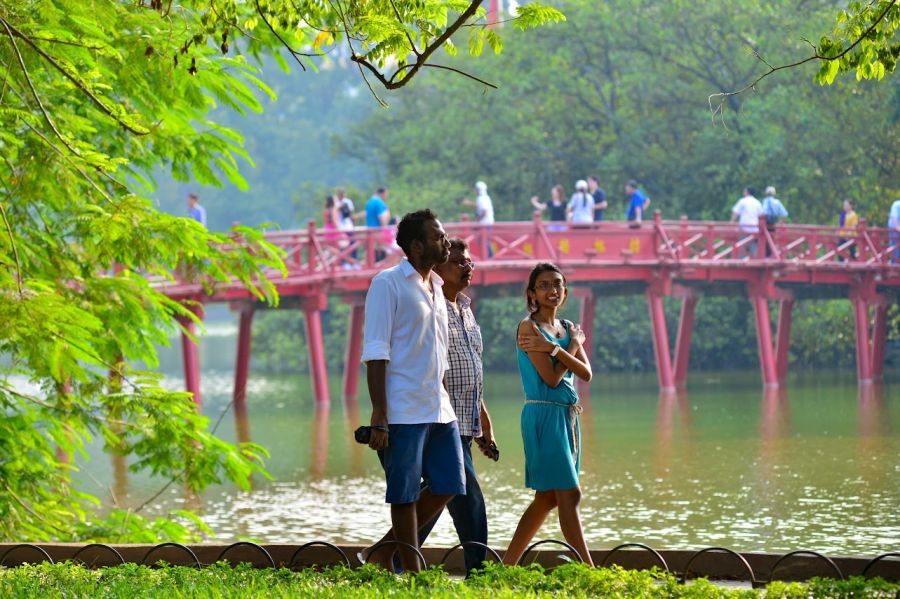
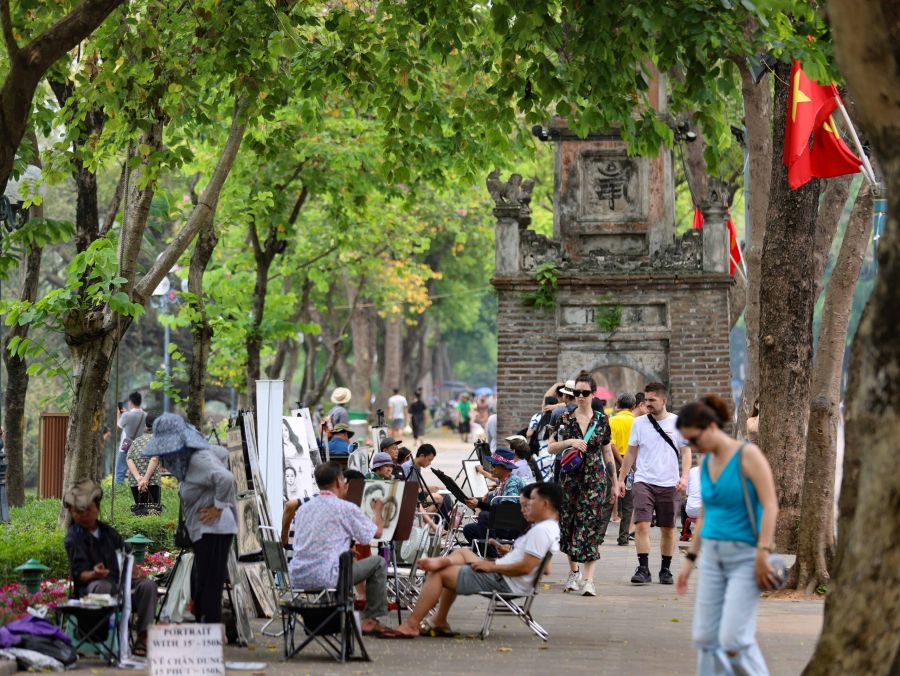
Tourists walk around Hoan Kiem Lake

If you’re visiting Hanoi for the first time and only have a few days, this itinerary gives you just enough structure without making the trip feel rushed. It’s made for people who like to explore on foot, stop often for food or coffee, and take in the feel of a place slowly. You don’t need to know much about Vietnamese history to enjoy the temples and museums; most of them are easy to understand, and even easier to enjoy.

This plan also suits travelers who want variety but don’t want to overdo it. One morning might start at the Ho Chi Minh Mausoleum, another in a quiet café near West Lake. There’s space here to wander through the Old Quarter, try something unfamiliar at a street stall, or sit by the lake with no plans at all. If that sounds like your kind of trip, this itinerary will likely fit.

How Many Days In Hanoi Is Enough?
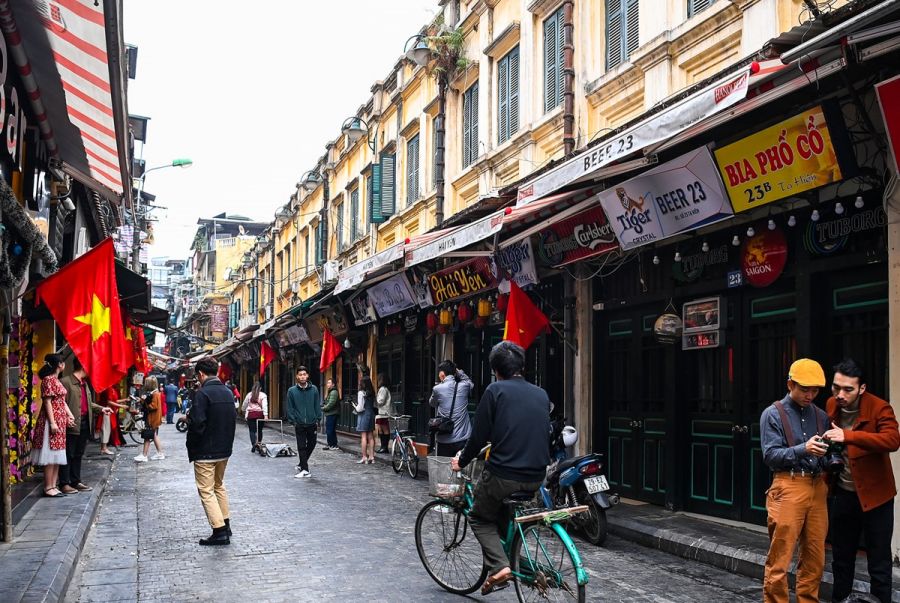
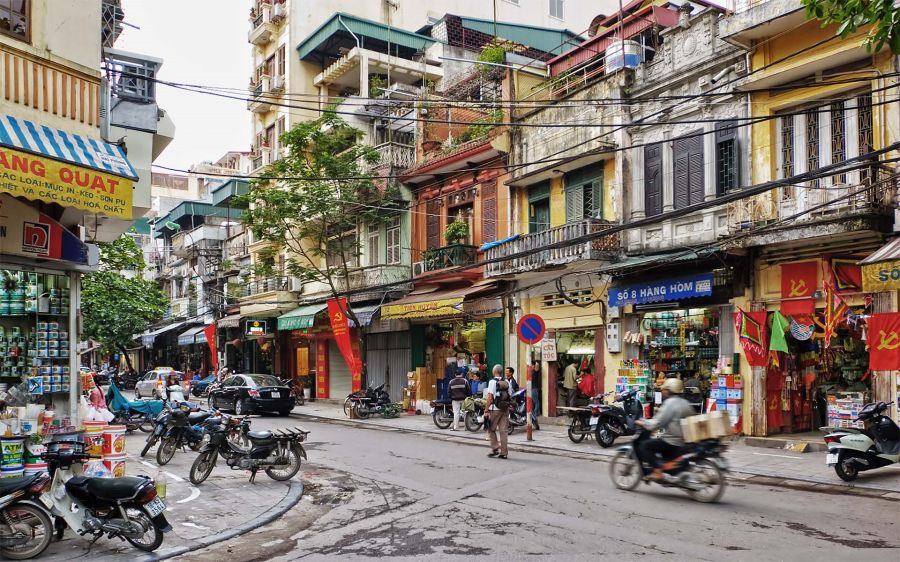
Hanoi Old Quarter

Most travelers find that three to five days is just right. It gives you time to visit the main sights, try different types of food, and still have space to explore at your own pace. You won’t need to rush through the city, and there’s enough variety to keep things interesting each day, especially if you visit during the best time to visit Hanoi.

  • 1 day in Hanoi to 2 days in Hanoi: If your time is limited, you can still see a good portion of the city by focusing on the Old Quarter and nearby spots. Staying close to Hoan Kiem Lake makes it easy to walk to the main attractions like the Temple of Literature, the Opera House, or the Ho Chi Minh Mausoleum.
  • 3 days in Hanoi: This is a comfortable time for most individuals. It enables you to see not only the historical attractions of the city but also such peaceful places as West Lake or the French Quarter. You’ll also have time to enjoy meals without feeling like you’re always on the move.
  • 4 days in Hanoi to 5 days in Hanoi: You will have some extra days to slow down. That should be plenty of time to revisit somewhere you enjoyed, to see a smaller museum or pottery village, or even go on a three-day trip out to Ninh Binh or to Bat Trang. It’s a good choice if you prefer a more open schedule.
  • 7 days in Hanoi: This amount of time allows for a slower pace and more variety. In addition to the main sights, visitors can explore quieter neighborhoods like Truc Bach, take a cooking or craft class, or split day trips across multiple days. The extra days help balance city life with more personal, low-key experiences.

A good Hanoi itinerary can make a strong first impression in as little as three days. However, five is a good length, giving you room to linger.

What To Expect In A Hanoi Itinerary
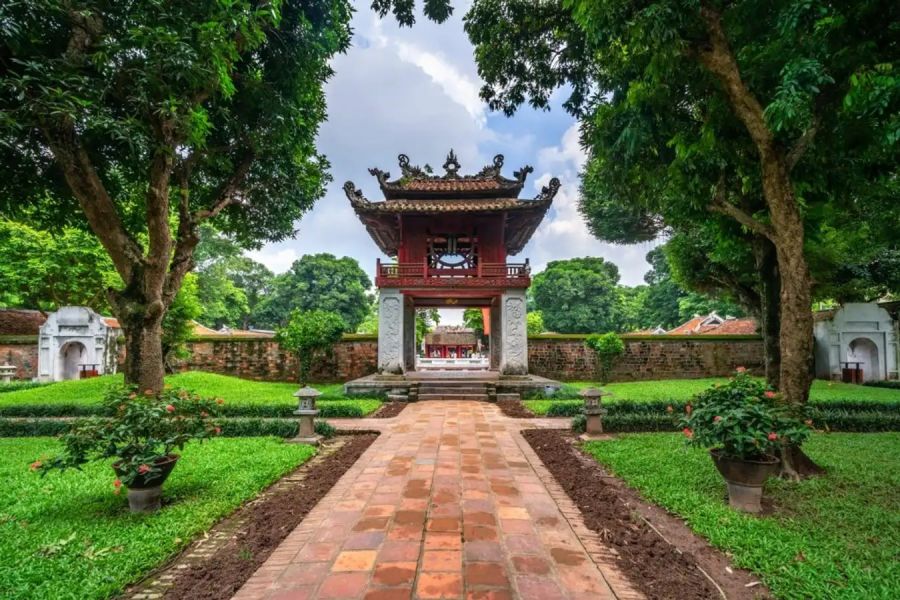
temple of Literature in Hanoi

A 3-5 day Hanoi itinerary usually takes you through several distinct neighborhoods and landmarks, each showing a different side of the city. You’ll move between old temples, leafy lakesides, and the daily movement of markets and motorbikes – the best things to do in Hanoi are often simple. Here’s how your days might unfold.

Hoan Kiem Lake & The Old Quarter

Locals come here to stretch, walk, or simply sit by the water before the city fully wakes. The red bridge leads to Ngoc Son Temple, a peaceful spot surrounded by trees and water. It’s messy, but full of energy, and easy to spend half a day just walking and watching.

The French Quarter & Opera House

The fragment of the neighborhood is constructed around the site of the Hanoi Opera House, which is of French colonial origin. Peaceful cafes, small galleries, and shady streets are found around the area. It’s a part of Hanoi that feels more polished, a good place to slow down and step out of the noise.

West Lake & Tran Quoc Pagoda

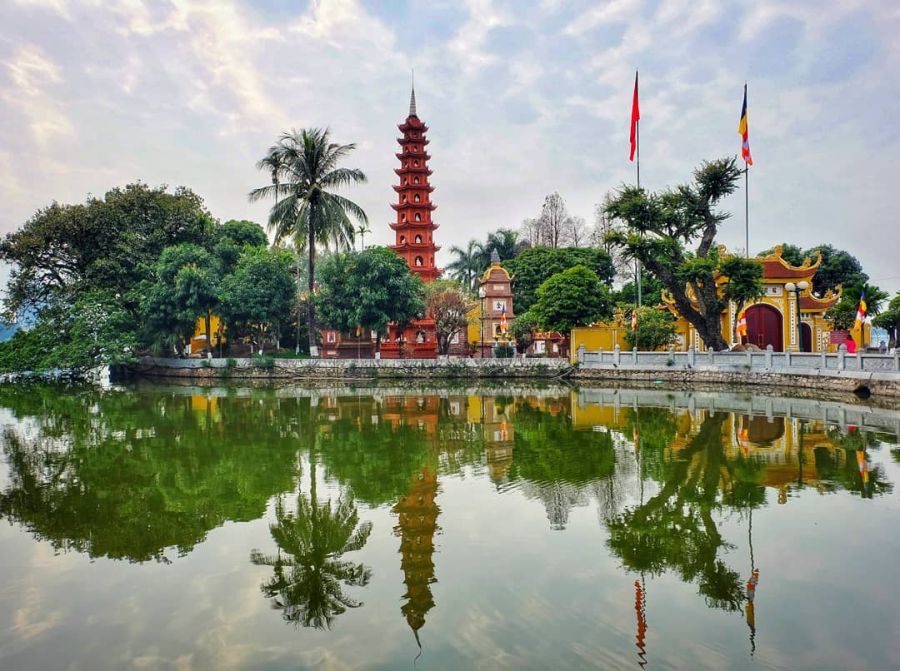
The West Lake is bigger and more open, and the tracks extend for kilometers around the shores of the lake. On its edges stands Tran Quoc Pagoda, which boasts of being the oldest Buddhist temple in Hanoi. Most people stay around 30 to 60 minutes, long enough to walk, take a few photos, and enjoy the quiet.

Temple Of Literature & Ho Chi Minh Complex

Back nearly a millennium, the Temple of Literature was a university. Near it is the Ho Chi Minh Mausoleum, which is a large gray structure facing Ba Dinh Square. The tourists come to visit and walk across the gardens. The atmosphere here is formal but calm, and the contrast between both sites gives a clear sense of Hanoi’s layered history.

Suggested Hanoi Itinerary (3-5 Days)

This is your itinerary, with plenty of cultural, historical, food, and leisure activities without a rush. Most of the places are close together, so you won’t spend too much time moving around. In case you wish to take longer, then you can stick to the plan as is or adjust to your own pace.

Day 1: Old Quarter & Hoan Kiem Lake
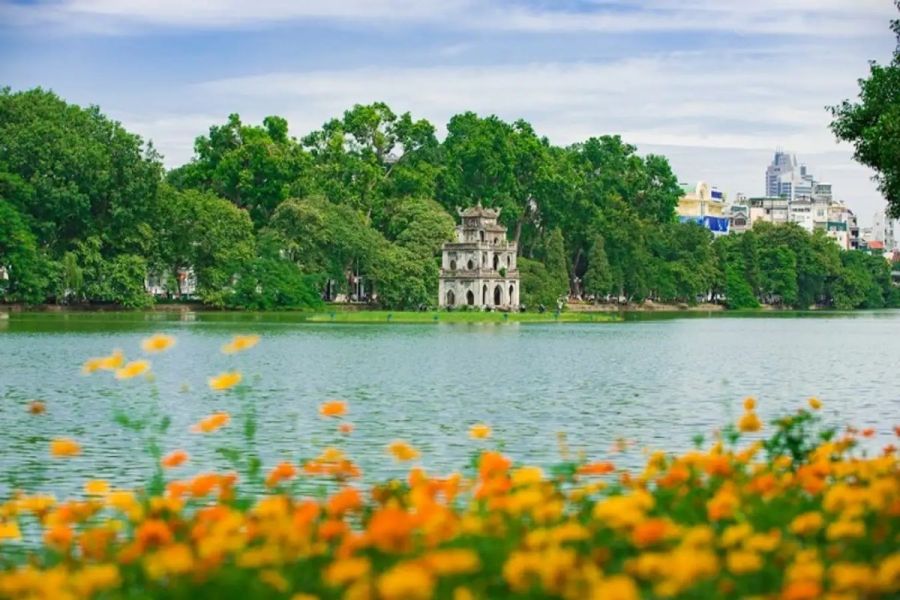
Hoan Kiem lake in Hanoi

The majority of the international flights to Hanoi arrive in the morning or in the early afternoon. After passing immigration and collecting your luggage, you’ll head to your hotel in the Old Quarter to check in and rest for a short while. This central area is where most Hanoi itineraries begin, thanks to its convenience and walkability. After arriving and settling in, it’s easy to find a quiet spot for lunch, maybe a bowl of pho or bun cha on a side street just steps from your hotel.

You will be able to make a loop around the lake, visit Ngoc Son Temple, and cross the shiny red Huc Bridge. It’s often busy here, but never too much. It is small, with the majority of attractions being within a 10-minute walk. You might also want to drop by Hanoi’s Train Street if time allows, but check in advance as access is sometimes restricted.

In the evening, explore the streets around your hotel, which turn into a night market on weekends. There are many food options nearby, from street stalls selling grilled meats and noodles to casual restaurants offering local dishes like bun cha or pho bo. A humble dinner, a cool drink, and a little walk are all that a first day needs.

Day 2: Ho Chi Minh Complex, One Pillar Pagoda & Temple Of Literature
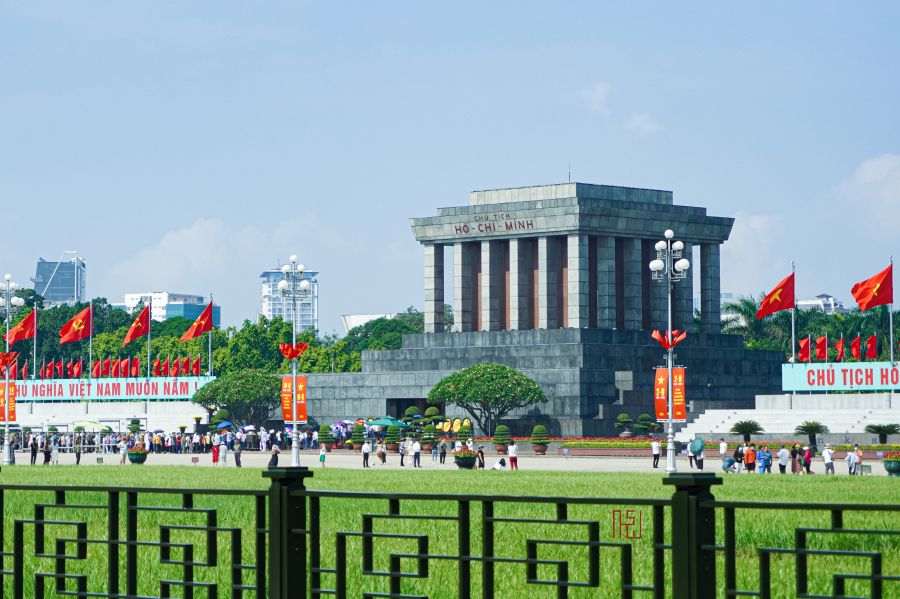
Ho Chi Minh Mausoleum

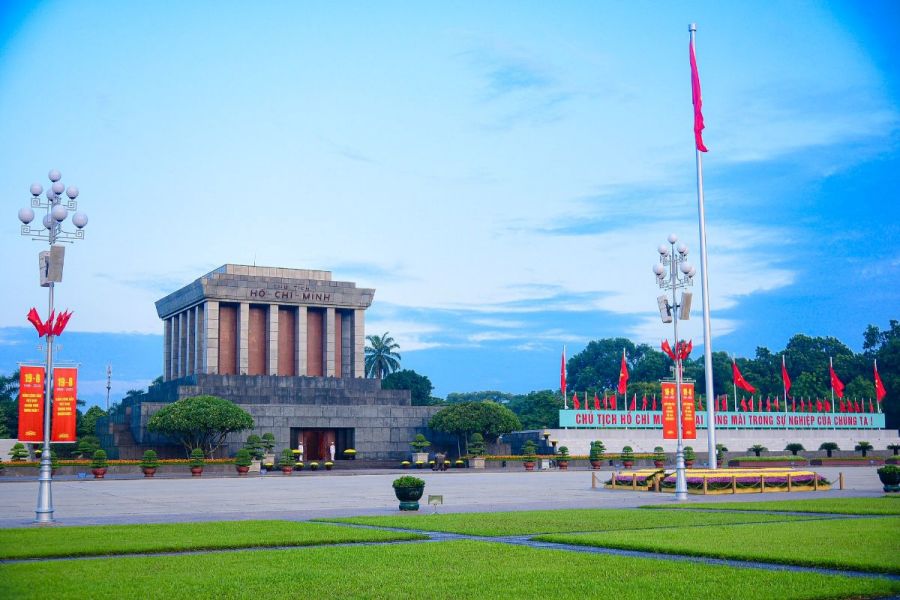
Enjoy breakfast and then move west of the Old Quarter to Ba Dinh Square. The first place of the day is the Ho Chi Minh Mausoleum. You’ll join a quiet line of visitors walking through the imposing stone building where Vietnam’s founding leader rests. It’s best to go early, as the site usually gets crowded by mid-morning and entry closes before noon.

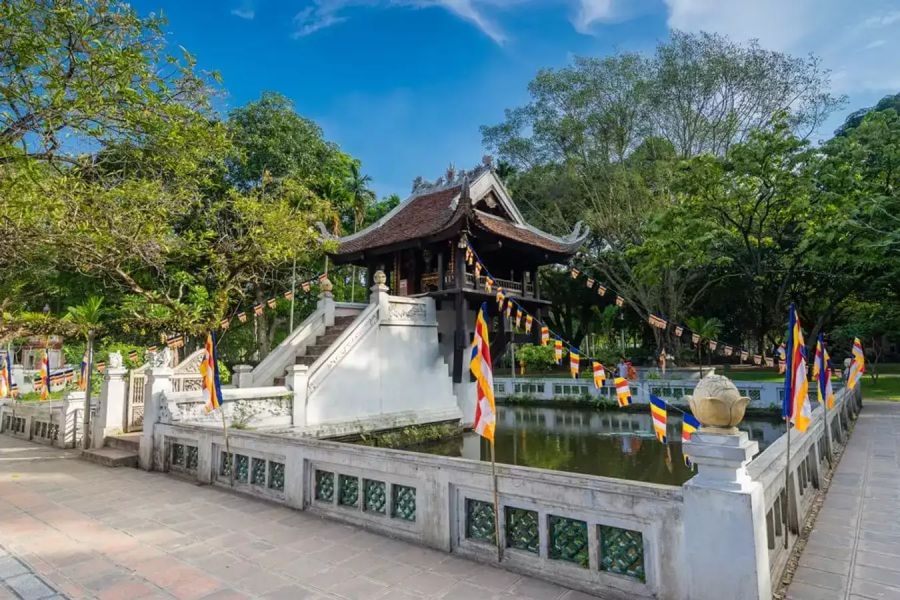
A short distance away lies the One Pillar Pagoda, which is hidden behind a small lotus pond. It’s one of Hanoi’s most iconic structures, an unusual Buddhist temple built on a single stone pillar. It is designed after a dream that was had by Emperor Ly Thai Tong in the 11th century. From there, it’s a short ride to the Temple of Literature, once Vietnam’s first national university. You won’t spend long here, but it’s worth a quick visit before moving on.

In the afternoon, take a break for lunch. There are plenty of spots nearby serving set rice meals or noodle dishes. If you’re not too tired, the Vietnam Fine Arts Museum or the nearby Hoa Lo Prison museum can be included as optional stops. Evening is up to you: you may take another peaceful walk by the lake, visit a rooftop bar in the French Quarter, or simply have dinner somewhere nearby.

Day 3: West Lake – Tran Quoc Pagoda – Optional Half-Day Trip
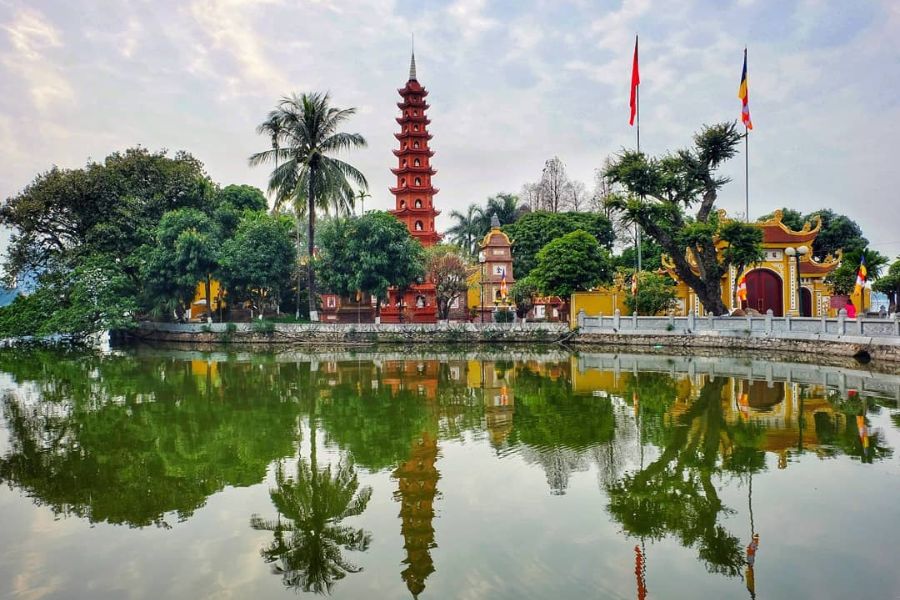
Tran Quoc Pagoda And West Lake in Hanoi

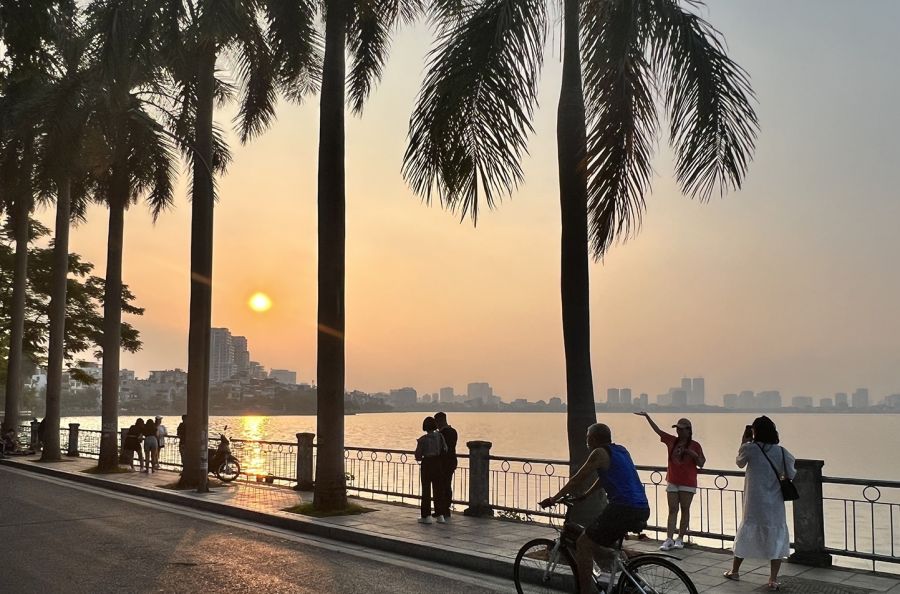
Start the morning a bit later today with a taxi or Grab ride to West Lake. This is Hanoi’s largest lake, and it feels completely different from the narrow bustle of the Old Quarter. The wide, tree-lined roads around the lake are great for a slow walk or bike ride. You’ll see locals jogging, fishing, or sitting in small lakeside cafés with a cup of iced coffee.

On a small peninsula that stretches into the lake is Tran Quoc Pagoda. It’s considered the oldest Buddhist temple in the city, originally built in the 6th century. Inside the grounds, you’ll find a quiet courtyard, red towers, and a Bodhi tree said to be gifted from India. The setting is peaceful and photogenic, especially in the early morning or just before lunch.

If this is your last day in Hanoi, return to your hotel to rest, shop for souvenirs, or enjoy one last walk around the Old Quarter. If you have more time, consider heading out for a short trip. The Museum of Ethnology is a solid indoor option with life-sized traditional homes and cultural exhibits. Or book a car to Bat Trang pottery village to see artisans at work and even try the wheel yourself.

Day 4-5 (Optional): Day Trips & Deeper Exploration
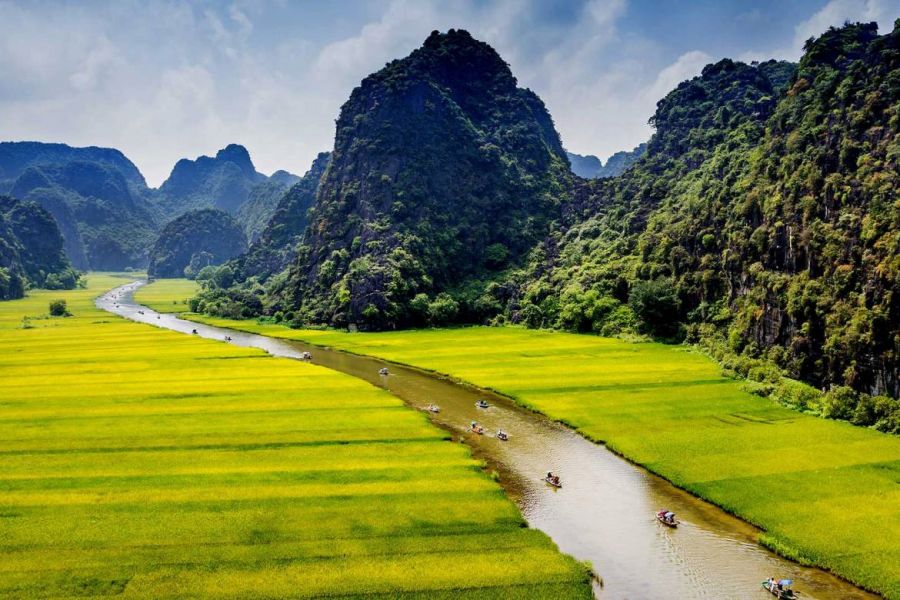
take A Sampan Ride Through Tam Coc

If you have a fourth or fifth day in Hanoi, it’s a good chance to see something beyond the capital. One of the most rewarding day trips is to Ninh Binh, about two hours south. You’ll take a small boat down quiet rivers in Tam Coc or Trang An. Some tours also stop at Hoa Lu, Vietnam’s ancient capital, or climb Mua Cave for panoramic views. It’s a full-day trip, with lunch included, and brings a quiet, natural contrast to the bustle of Hanoi.

If you’d rather stay in the city, consider a hands-on experience. Some local cooking classes start with a walk through the market to pick up fresh ingredients. Afterwards, you’ll return to the kitchen to prepare a few traditional dishes like nem ran, bun cha, or pho bo. It’s a fun, relaxed way to learn more about Hanoi’s food culture.

The last days you can use as well to slow things down. Repeat your visited favorite place or head to another cafe or a silent gallery you skipped. If the weather’s cool, a sunset walk along the Red River is a nice way to end the day. Other tourists also visit a local spa, just to relax. Hanoi tends to open up more the longer you stay, sometimes the best part is simply being here with no big plan.

Final Thoughts

If you have a few days in Hanoi, it’s worth following a clear Hanoi itinerary that balances the city’s best-known spots. You’ll see the main sights, try a few local dishes, and find corners that stay with you. Some places will feel busy, others quieter, but that’s part of the rhythm. If you’re not sure how to plan those days, Seni World can help you put them together.

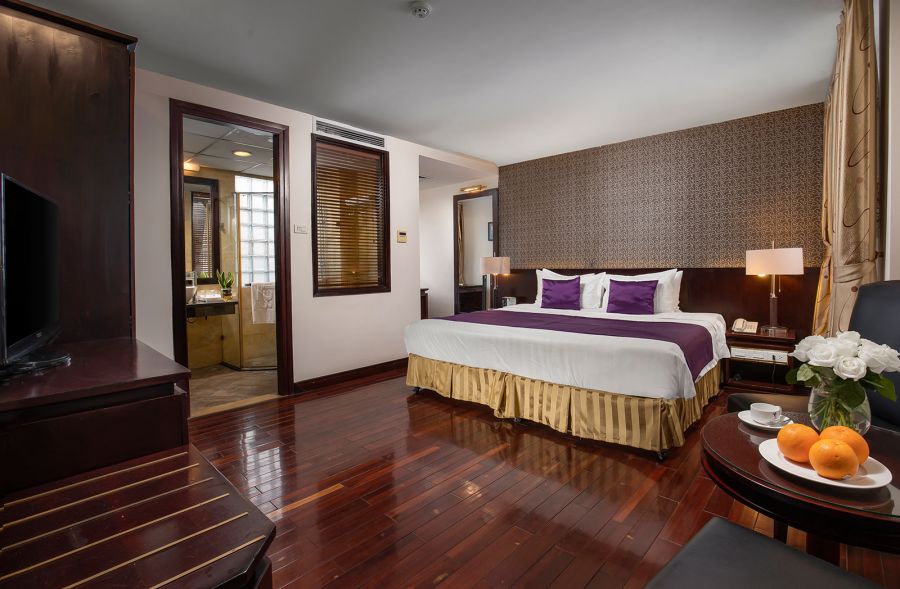
Where to Stay in Hanoi with Hotel Styles and The best areas

Hanoi doesn’t have just one obvious center. People stay in different areas depending on what they need nearby. What’s around you can make daily plans easier, so it’s worth understanding where to stay in Hanoi before you book.

Old Quarter

If you’re staying in Hanoi for the first time, the Old Quarter is where things feel most immediate. It’s the oldest part of the city, and still the most alive. Streets here are narrow and dense, full of shops, cafés, motorbikes, daily noise and many hotels in Hanoi are tucked inside. From almost any hotel, you can walk to Hoan Kiem Lake, the Opera House, and even Train Street in under 15 minutes.

Most day tours around Hanoi also start here, so you won’t need to arrange complicated pick-ups. You’ll find convenience stores, pharmacies, and banks tucked between old houses and tour agencies. If you’re staying just a few nights and want to see the city from the inside out, this is the easiest place to base yourself. That said, don’t expect much quiet. It’s busy early, and it stays that way, a common vibe in many hostels in Hanoi.

Recommended hotels in Old Quarter

TK123 Hotel Hanoi (3★)

TK123 Hotel Hanoi

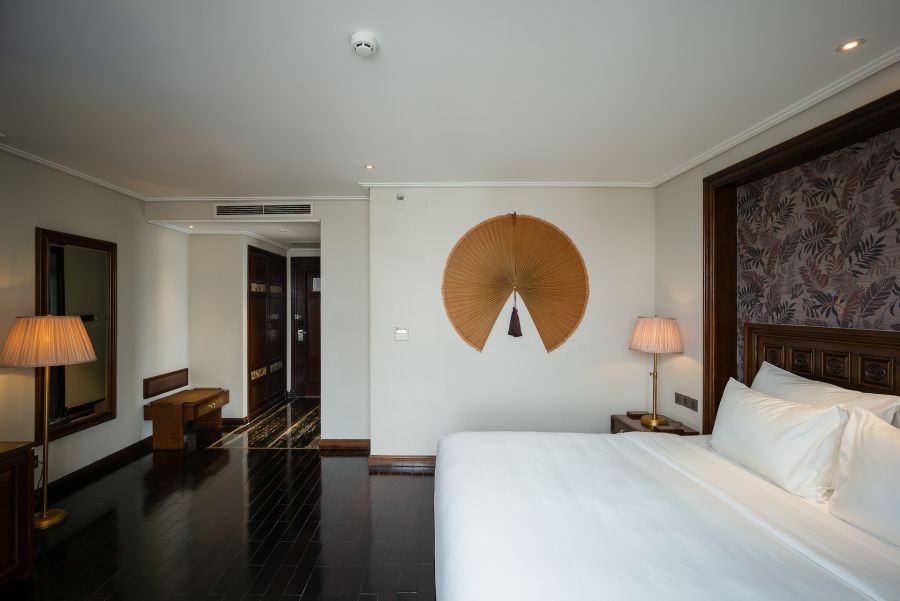
This is a simple, no-frills stay right in the thick of it. The location works well if you’re coming in by train or want to walk to nearby streets like Hang Gai or Hang Bong without needing a taxi. Rooms are small but clean, and it’s a straightforward option for short city trips.

La Dolce Vita Hotel (3★)

La Dolce Vita Hotel

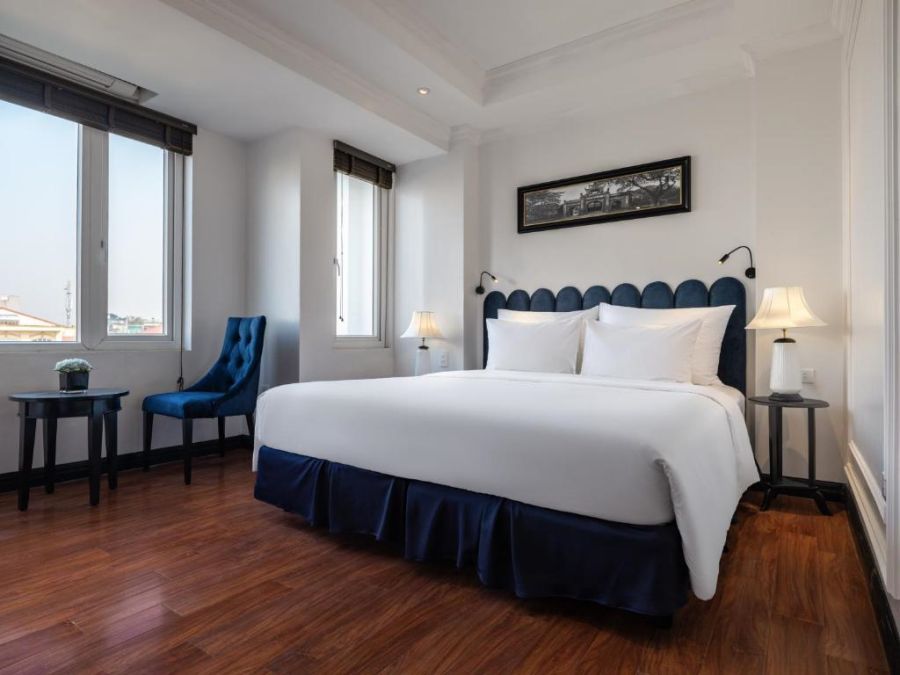
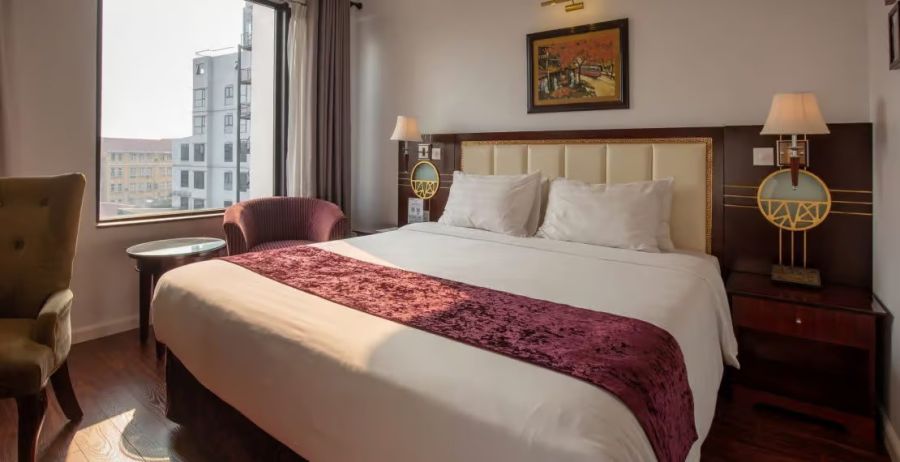
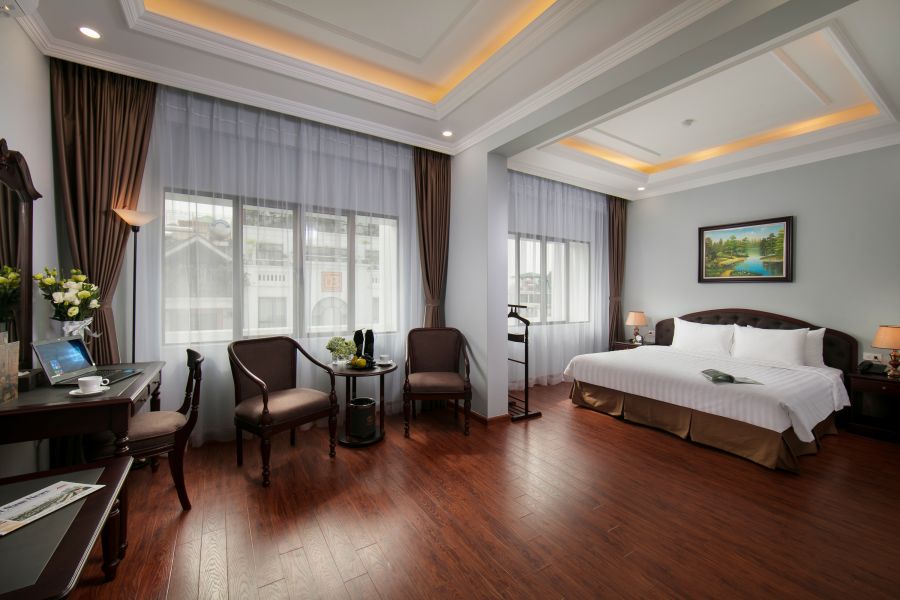
A little more polished, with classic Vietnamese-French design and wide balconies on the upper floors. It’s close to the main stretch of shops and restaurants around Ma May Street, but set just far enough back to avoid the full street noise. It’s Ideal for couples or travelers seeking a bit more space and style without compromising the Old Quarter’s vibe.

The Flower Boutique Hotel (3★)

The Flower Boutique Hotel

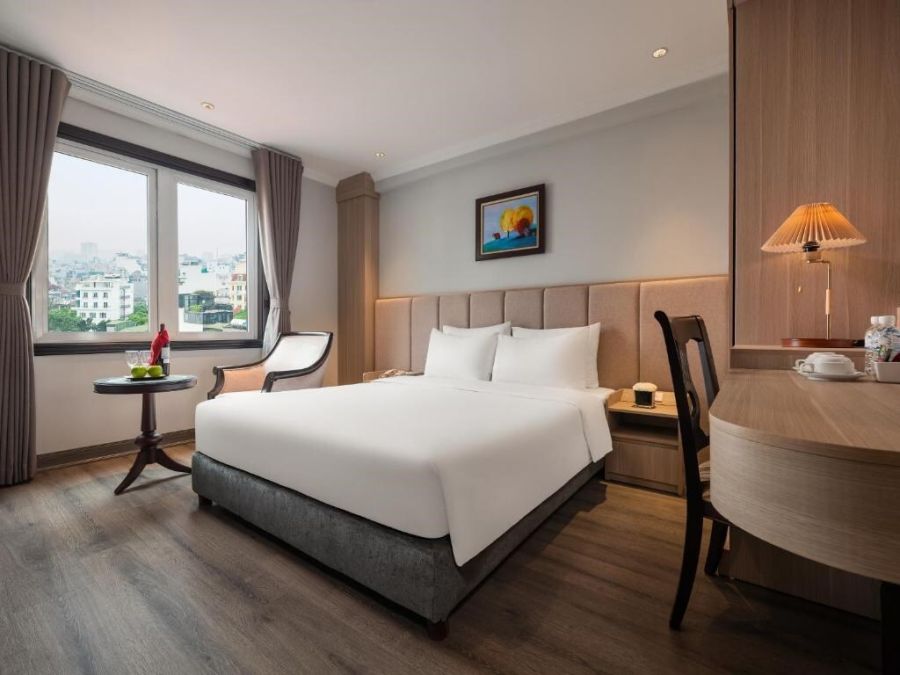
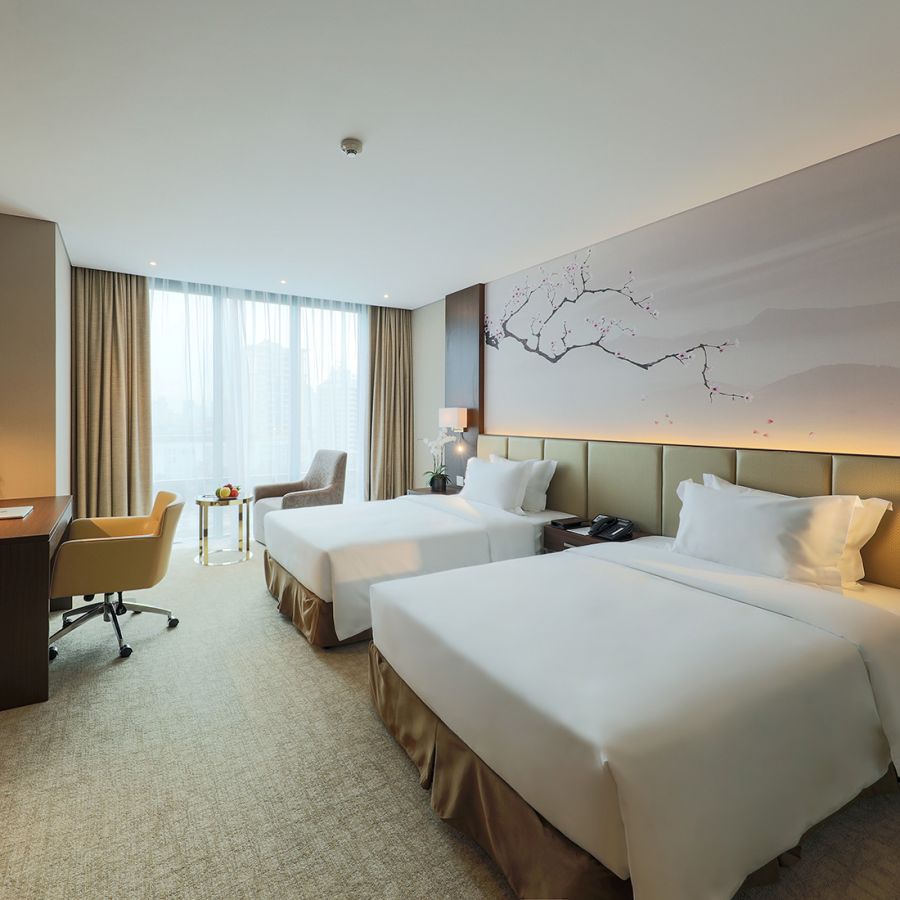
Tucked closer to the eastern edge of the Old Quarter, this hotel gives you easier access to the Opera House and French Quarter area while still staying central. The layout is tight, but the interiors are thoughtfully done. It’s a solid choice if you prefer a quieter pocket of the neighborhood, especially for those planning to walk across both districts.

French Quarter

If you’re looking for the best area to stay in Hanoi for peace and charm, the French Quarter should be on your list. Nestled just south and east of Hoan Kiem Lake, it’s lined with colonial-era villas, tree‑shaded boulevards, and a calm atmosphere. Government buildings, art galleries, and upscale cafés replace the cramped lanes and scooter chaos of the Old Quarter. It feels like a more polished side of Hanoi, walkable, less frenetic, with a refined twist on city living.

Most attractions like the Opera House, the Hoa Lo Prison museum, and leafy parks are within a 10‑minute stroll. Grab a coffee and wander through wide sidewalks in the morning, visit boutique stores or French‑style bakeries, and close your day with a show at the Opera House or a quiet drink in a heritage villa. It’s ideal for travelers wanting easy access to central sights, good food, and a sense of calm.

Recommended hotels in the French Quarter

Minasi Premium Hotel (4★)

Minasi Premium Hotel

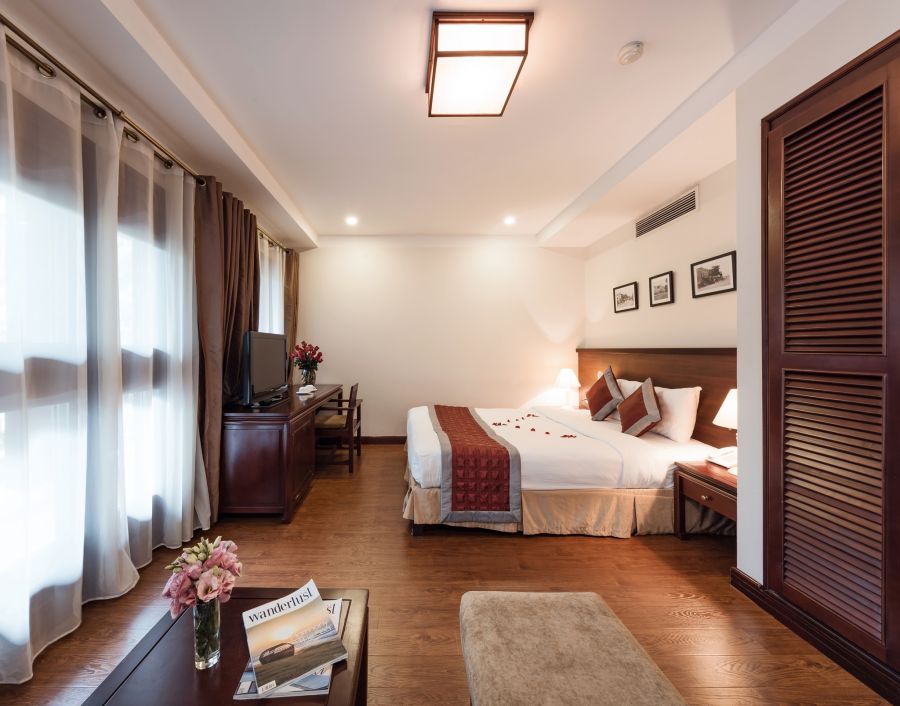
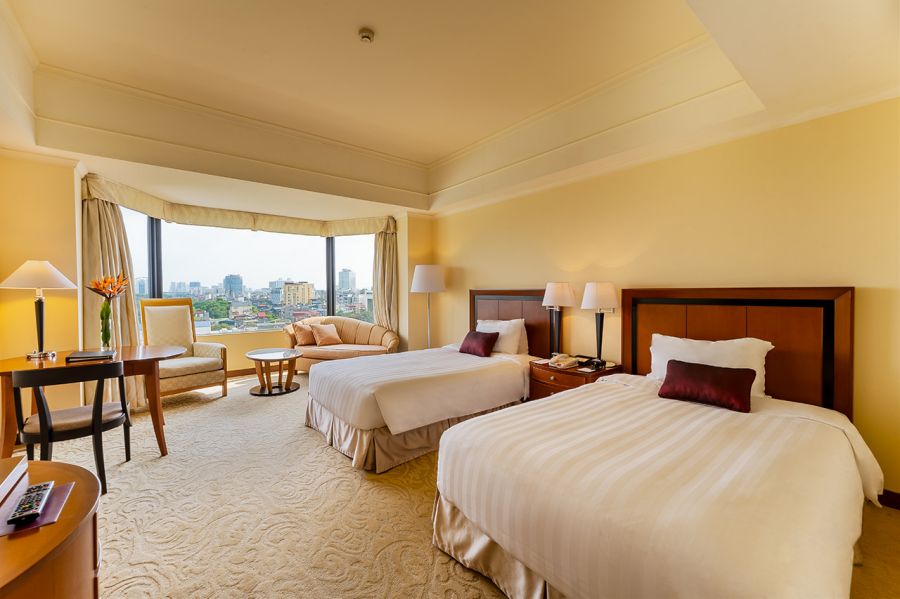
Situated on Nguyen Truong To Street, this hotel sits just over the border between Ba Dinh and the French Quarter. It earns excellent marks (9.2/10 for location) for being a 5-7 minute walk from Hoan Kiem Lake and within easy reach of the Old Quarter, Opera House, and Ho Chi Minh Mausoleum. Rooms are modern and spacious, staff are praised for being welcoming, and there’s a small tour desk on-site.

Thang Long Opera Hotel (4★)

Thang Long Opera Hotel

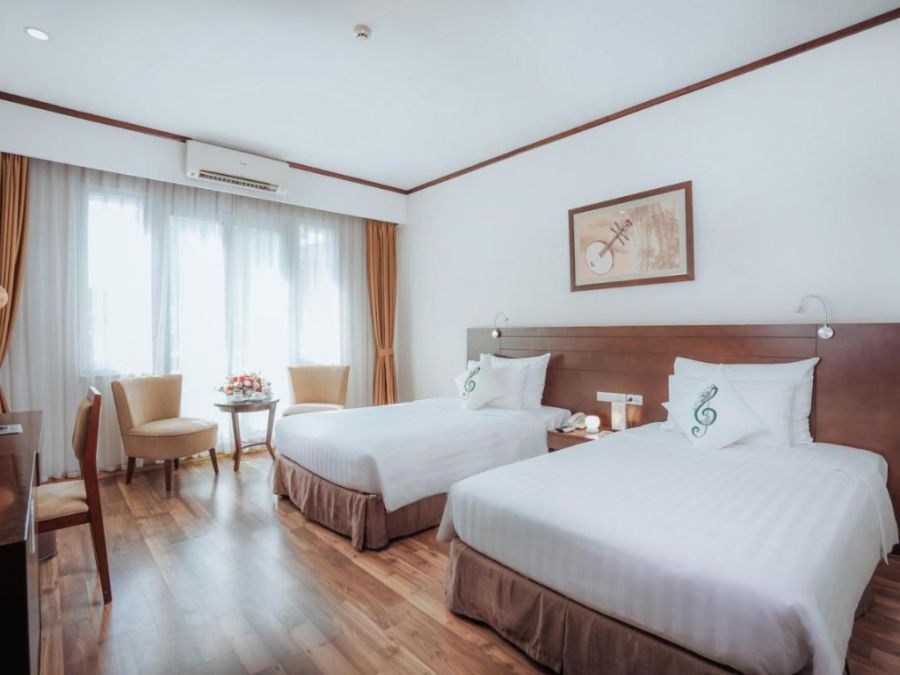
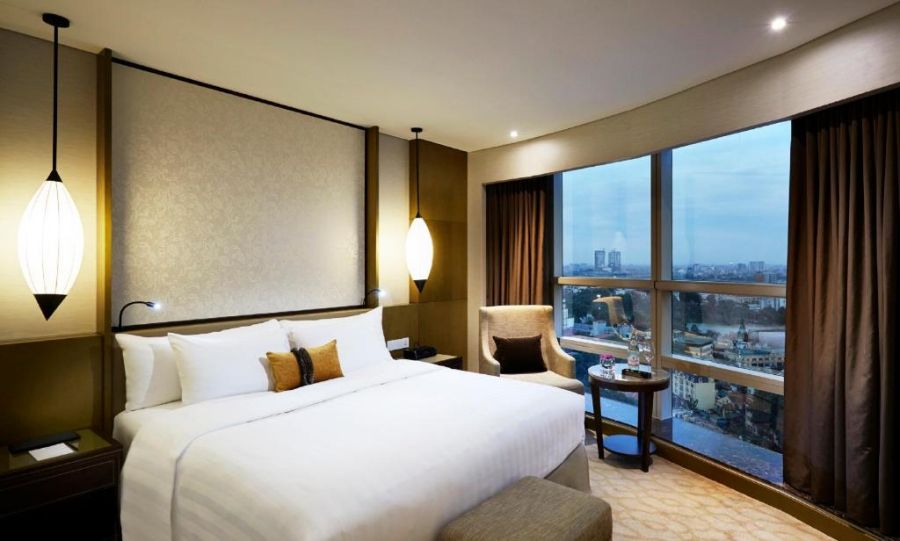
Located on Tong Dan Street, directly facing the Hanoi Opera House. The hotel’s position puts you near embassy quarters, high-end galleries, and key cultural sites. Rooms are bright and airy, with large windows and classic furnishings. It’s a solid pick for travelers who want comfort, walkability, and quick access to museums, cafes, and the lakeside boulevard.

Tay Ho (West Lake)

If you enjoy a slower pace and more spacious surroundings, West Lake is the area to consider staying in Hanoi. Located just a few kilometers north of the Old Quarter, this neighborhood surrounds Hanoi’s largest lake, offering wide promenades and calm vibes. It is especially popular with expats, families, and Vietnam travelers planning to stay a week or longer. West Lake combines urban comforts like international restaurants and lakeside walks, and fits well into a relaxed Hanoi itinerary far from the downtown rush.

West Lake is easy to reach: a 10–15 minute taxi or Grab ride from the Old Quarter connects you directly, or you can take bus routes that circle the lake. While the area is less walkable, it makes up for it with scenic views, spacious villas, and quieter streets. It works well for anyone who wants a restful base while still being within reach of central Hanoi attractions.

Recommended hotels in West Lake

InterContinental Hanoi Westlake (5★)

InterContinental Hanoi Westlake

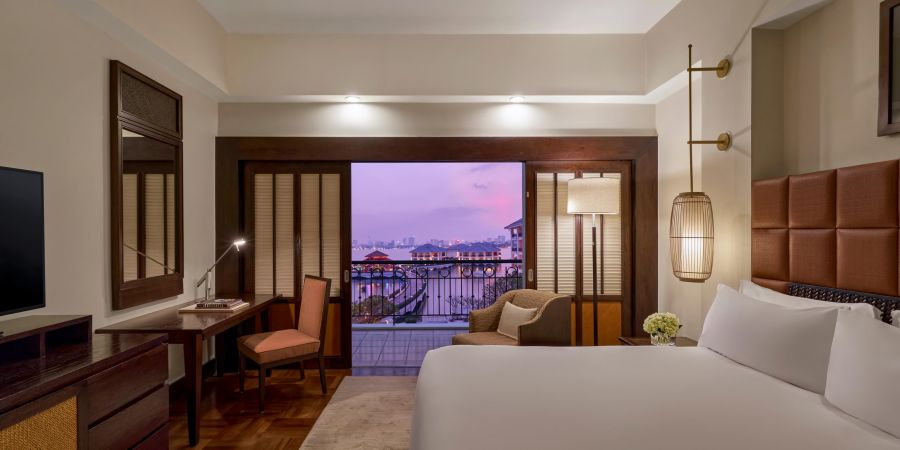
This is the flagship hotel of the area, sitting right on the water’s edge. Guests consistently praise the panoramic lake views from the rooms and restaurants. The property features multiple bars, a spa, a swimming pool, and business facilities, making it perfect for luxury travelers, couples on a getaway, or guests attending conferences. It provides complimentary shuttle services to central Hanoi to ease sightseeing.

Dolce by Wyndham Golden West Lake (5★)

Dolce by Wyndham Golden West Lake

This modern option stands out for its rooftop pool, spacious rooms, and scenic lounges. It offers a mix of relaxation and city access, ideal for travelers who want high-end amenities without staying in the Old Quarter. With lake-view dining and wellness facilities, it is well suited to families or professionals working remotely.

Ba Dinh

Ba Dinh sits northwest of Hoan Kiem and serves as Hanoi’s political and historical center. It’s where you’ll find the Ho Chi Minh Mausoleum, the Presidential Palace, One Pillar Pagoda, and the Temple of Literature. Roads are broader, pavements less crowded, and the overall tempo more subdued. This is an excellent place to be if you do not want too much of the Old Quarter crowd but want to be near iconic attractions.

It’s also home to several embassies, government offices, and tree-lined streets, which make it a calm, walkable district. Then, about 10 minutes by car, you reach Hoan Kiem or West Lake. Ba Dinh is a decent choice in case tourists are looking for Hanoi accommodation close to key attractions but away from tourist crowds. It is also effective with business travellers or with anyone on official visits in the area.

Recommended hotels in Ba Dinh

Flower Garden Hanoi Hotel (4★)

Flower Garden Hanoi Hotel

This hotel is located along Truc Bach Lake, which is close to the edge of the West Lake as well as historical sites. It provides spacious rooms, a restaurant on top of the building, and easy access to the mausoleum area. The atmosphere is antique, the place is relaxing and suited to quiet mornings and sightseeing.

Le Jardin Hotel (4★)

Le Jardin Hotel

Modern, clean, and well-located for travelers who want easy access to both Ba Dinh’s cultural sites and nearby Tay Ho. Rooms are bright and functional. The hotel has become a favorite among returning guests thanks to consistent service and quieter surroundings.

Army Hotel (4★)

Army Hotel

Located on Pham Ngu Lao Street near Cua Bac, this hotel is tucked between Truc Bach Lake and Ba Dinh’s government zone. Rooms are quiet and spacious, with views over an internal courtyard and pool. Its position makes it easy to reach both lakeside strolls and official sites. While the style is more traditional, it provides a useful base for those who want extra space and a break from the city’s pace.

Hai Ba Trung

Hai Ba Trung is located right below the Old Quarter and the French Quarter. It is a district that marries the buzz of central Hanoi with a more tranquil spirit. Here, the streets are broader and less congested with local activity to keep you entertained. It’s a good place to stay if you want some distance from the crowds, but still need easy access to the main attractions.

This district is known for shopping and modern comforts. You’ll find local fashion stores, small malls like Vincom Ba Trieu, and many Vietnamese-style cafés along Nguyen Du and Bui Thi Xuan streets. It’s also home to universities, offices, and quiet residential lanes. Hai Ba Trung works well for repeat visitors who have already covered the best things to do in Hanoi, or travelers who want to stay where Hanoians live.

Recommended hotels in Hai Ba Trung

Melia Hanoi (5★)

Melia Hanoi

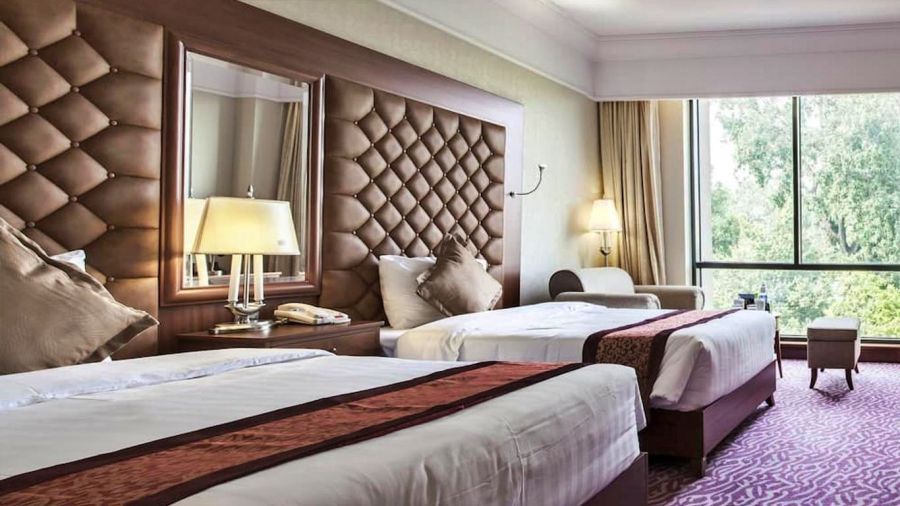
The world-famous hotel is only one step away from Hai Ba Trung and Hoan Kiem. Melia offers great business-class service, a swimming facility, and several restaurants under one roof. It’s convenient for those attending events or meetings, while still being within reach of the main tourist streets.

Hotel du Parc Hanoi (4★)

Hotel du Parc Hanoi

This hotel is situated just opposite Thong Nhat Park and is a little more classic in the international style. It’s slightly removed from the tourist flow, which gives it a peaceful atmosphere. The rooms are spacious, and the area around the hotel is great for morning walks.

Halais Hotel (3★)

Halais Hotel

A small-scale, pretty cheap alternative near the French Embassy and Hanoi Railway Station. It’s not flashy, but it’s clean and well-located for travelers who want a more local experience without giving up central access.

Cau Giay

Cau Giay is a growing business and residential area located west of the city center. It’s less touristy than Hoan Kiem or Ba Dinh, but this is where many office towers, tech companies, and universities are based. If you’re traveling to Hanoi for work, a conference, or to visit someone studying here, this area makes a lot of sense.

Not so many sightseeing places, however, Cau Giay is modern, well-structured, and not difficult to navigate around via taxi or Grab. Wide streets such as Pham Van Bach or Tran Duy Hung lead you to the National Convention Center, Keangnam Tower, and a bunch of high-end malls. This was one of the most convenient areas to stay in Hanoi in case of a business stay.

Recommended hotels in Cau Giay

Grand Vista Hanoi Hotel (5★)

Grand Vista Hanoi Hotel

This is a mid-supply hotel that is business and luxury. Accommodation is spacious, with the facilities adapted to longer living. The property features a spa, meeting rooms, and easy accessibility to major roads. It’s a solid base for business travelers who want reliable service and a quiet night after work.

Smiley Hotel (3★)

Smiley Hotel

A compact and affordable option near Duy Tan Street, popular with tech workers and domestic business travelers. It’s simple, but the location puts you close to office hubs and coworking cafés. Best for short business visits on a budget.

Final Thoughts

Where you stay in Hanoi affects more than just your sleep. It decides how you move through the city, what you see first, and how your days begin. Some areas make things easier. Others slow the pace. If you’re unsure where to land or want local advice before you book, Seni World can help you find a place that fits.

15 Must-Try Things To Do In Hanoi For First-Time Travelers

Hanoi is an exciting combination of culture, history, and local life! Whether it’s visiting ancient temples, exploring the streets of the Old Quarter, tasting street food, or watching water puppet shows, there is something to enjoy in the capital.

Wander Around The Old Quarter

Wander Around The Old Quarter

  • Location: Hoan Kiem District, Hanoi

Meandering through Hanoi Old Quarter is like walking through a living museum. The Old Quarter’s narrow streets, configured like a maze, French architecture, and chaotic street scene provide the most authentic look at the essence of the city. On any street, there might be different specializations for commerce from silks and silver to spices and street food. With every turn, you’ll be making new discoveries.

Walking through the hustle and bustle, you’ll hear the sound of buzzing scooters, vendors talking, and food sizzling. You’ll probably want to stop at the local egg coffee shop or a sidewalk eatery for a steaming hot bowl of pho. The Old Quarter is not just a place to see; it is a place to feel, taste, and experience Hanoi for all time.

Watch The Train Pass On Hanoi Train Street

Watch The Train Pass On Hanoi Train Street

  • Location: Tran Phu Street or Phung Hung Street, Hoan Kiem District, Hanoi

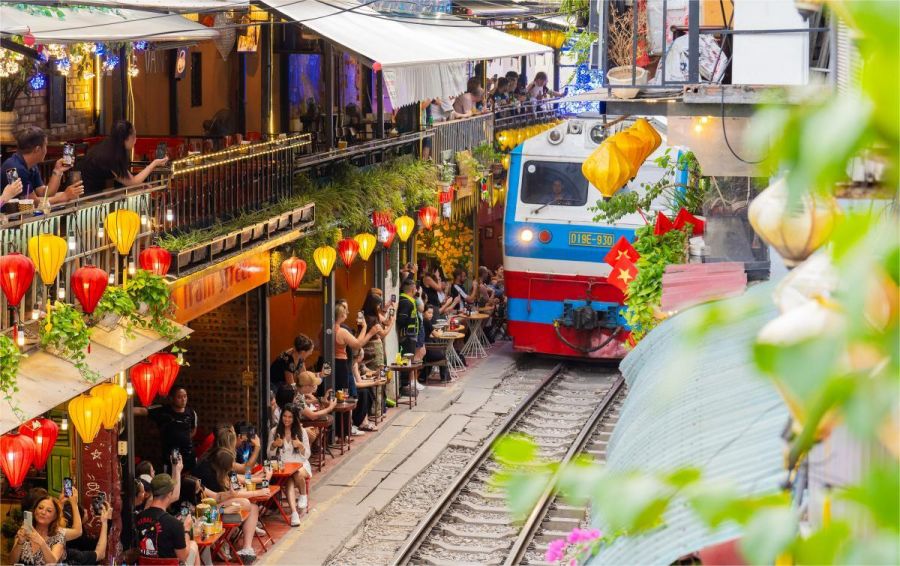
An experience truly like no other when experiencing Hanoi is Train Street, a narrow residential alley where a train stops inches from houses, cafes, and onlookers! It’s thrilling and surreal when you sit at a coffee shop as the train rolls on by rumbling through the narrow space between buildings.

This spot has become a popular spot for travelers to visit for those memorable photos and to take in a small part of local life. Make sure to look up the train schedule and follow safety instructions since this is an active railway.

Visit Ba Dinh Square And Ho Chi Minh Mausoleum

Visit Ba Dinh Square And Ho Chi Minh Mausoleum

  • Location: Hung Vuong Street, Dien Ban Ward, Ba Dinh District, Hanoi

If you’re looking to know where to go in Hanoi, Ba Dinh Square is a must-see. As a national symbol of pride and history, it has significant cultural meaning. In the center of the square is the truly impressive Ho Chi Minh Mausoleum. It is solemn and has a great meaning for everyone in Vietnam, and most Vietnamese people hope to visit Ho Chi Minh’s mausoleum at least once in their lives. Ba Dinh Square is also the venue for major national events such as the National Day celebrations (2nd September), state ceremonies, and cultural or sports events.

Stroll Around Hoan Kiem Lake Walking Street

Stroll Around Hoan Kiem Lake Walking Street

  • Location: Hoan Kiem Lake, Hang Trong Ward, Hoan Kiem District, Hanoi

The walking street surrounding the historic and romantic Hoan Kiem Lake is one of Hanoi’s most exciting locations. The large area allows for significant open space, and the lively atmosphere attracts thousands of locals and visitors, especially on weekends. If you’re looking for things to do in Hanoi and not sure what to do, this is a great space to take in some cultural performances, enjoy on-street music, participate in fun public games, or just eat your way through delicious local snacks along the way.

Relax At Thu Le Park

Relax At Thu Le Park

  • Location: Buoi Street, Thu Le Ward, Ba Dinh District, Hanoi

If you’re looking to relax in fresh air and greenery in Hanoi, you will find a great place to do it at Thu Le Park. Located just next to the historic West Lake and Ba Dinh area, this expansive park provides a chance to get away from the noise and activity of the city. The park has shady tree-lined paths, a calm river in the middle, and cute landscaped gardens.

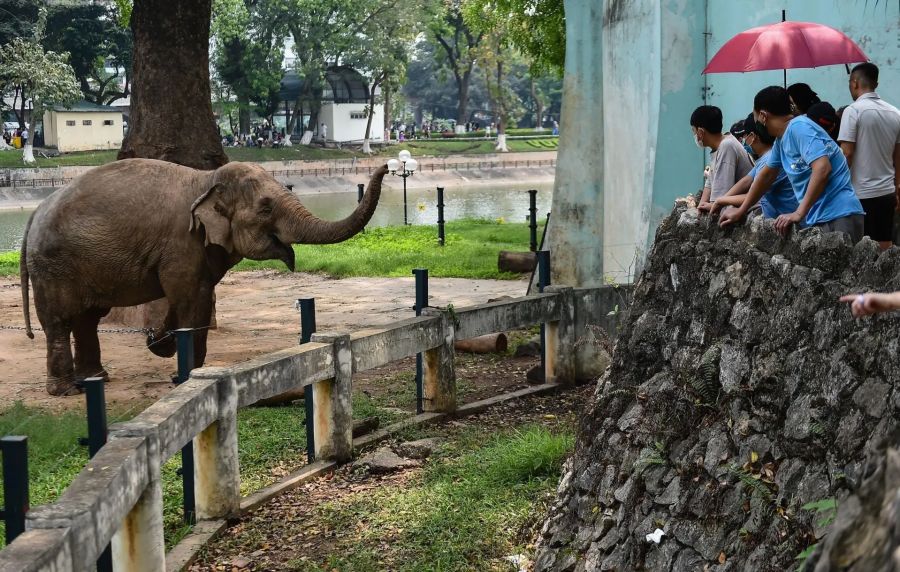
Families, couples, and solo visitors can all enjoy a peaceful walk, a picnic under the trees, or just sit and enjoy the peacefulness of the park. Even a small zoo is located in the center of the park, which attracts many children and animal lovers.

Step Back In Time At The Temple Of Literature

Step Back In Time At The Temple Of Literature

  • Location: 58 Quoc Tu Giam Street, Dong Da District, Hanoi

The Temple of Literature is what to see in Hanoi if you are looking to experience the ancient traditions and scholarly spirit of the place. This historical destination was Vietnam’s first national university, dating as far back as the 11th century. It was originally dedicated to Confucius and the countless generations of scholars who were educated here.

With its peaceful courtyards and stone steles bearing the names of doctorate laureates, it is designed for meditation. A stroll past lotus ponds will whet your curiosity about the educational and cultural history of Vietnam. Walking in the Temple is like walking in the scholarly soul of old Hanoi.

Enjoy The Romantic Views Of West Lake

Enjoy The Romantic Views Of West Lake

  • Location: Tay Ho District, Hanoi

Located in the heart of Hanoi, West Lake is one of the largest and most beautiful natural lakes in the city. Its calm environment and attractive landscapes provide a breathtaking oasis from the craziness of the city streets. Locals and tourists alike come here to unwind, stroll along the waterfront, enjoy boating, and watch the sunset over the lake. West Lake includes quaint cafés, lakeside restaurants, and social hangouts, such as the Korean Wharf, a popular evening first-date venue in the city.

Discover History And Honor National Heroes At Hoa Lo Prison

Discover History And Honor National Heroes At Hoa Lo Prison

  • Location: 1 Hoa Lo Street, Hoan Kiem District, Hanoi

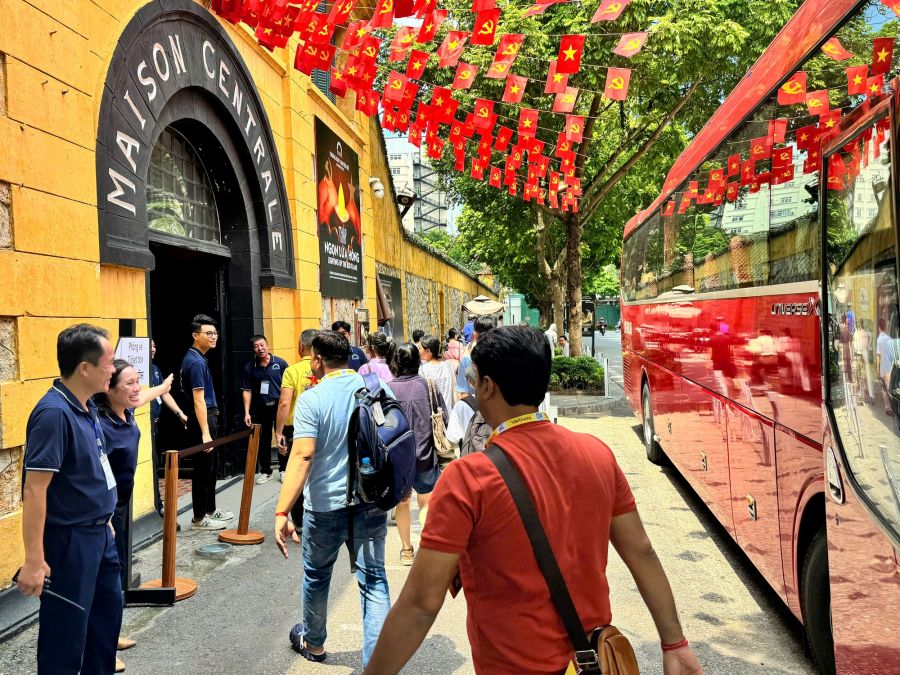
Hoa Lo Prison, or “Maison Centrale” in French, is a significant historic site from the late 19th century. It was originally constructed by the French to hold Vietnamese political prisoners. It became another form of prison during the Vietnam War, and today it is a museum that displays historical items and narratives that demonstrate the sacrifice and endurance of those who fought for the independence of Vietnam. A visit to Hoa Lo is somber, but meaningful. It gives one the opportunity to think about its tumultuous past and the sacrifices made by its national heroes.

Feel The Sacred Spirit At Tran Quoc Pagoda

Feel The Sacred Spirit At Tran Quoc Pagoda

  • Location: Thanh Nien Street, Tay Ho District, Hanoi

The Tran Quoc Pagoda, which is situated alongside the picturesque shores of West Lake, is the oldest Buddhist pagoda in Vietnam and the oldest in Hanoi. During the Ly and Tran dynasties, it served as a sacred center, and it continues to be a significant location of Vietnam’s rich religious history. The pagoda communicates its antiquity through its rustic architecture, sacred scenery, and beautiful red-tower pagoda.

All together, this is a peaceful place to escape the buzz of the city that surrounds it. Whether you happen to find inspiration spiritually or are simply strolling around admiring its historical beauty, you must stop into Tran Quoc Pagoda on your trip to Hanoi.

Admire The Iconic One Pillar Pagoda

Admire The Iconic One Pillar Pagoda

  • Location: Doi Can, Ba Dinh District, Hanoi

The One Pillar Pagoda is one of Hanoi’s most unique and historical Buddhist temples, which was originally constructed in the 11th century during the Ly Dynasty. The One Pillar Pagoda is unique in terms of design, being one single pillar rising from a stone base, and is intended to be a lotus flower blooming in the center of a pond. The original pagoda was constructed with elaborate carvings and was intended to reflect the beauty of ancient Vietnamese culture as well as embody the spiritual location it represents.

Explore The Historic Thang Long Imperial Citadel

Explore The Historic Thang Long Imperial Citadel

  • Location: 19C Hoang Dieu, Ba Dinh District, Hanoi

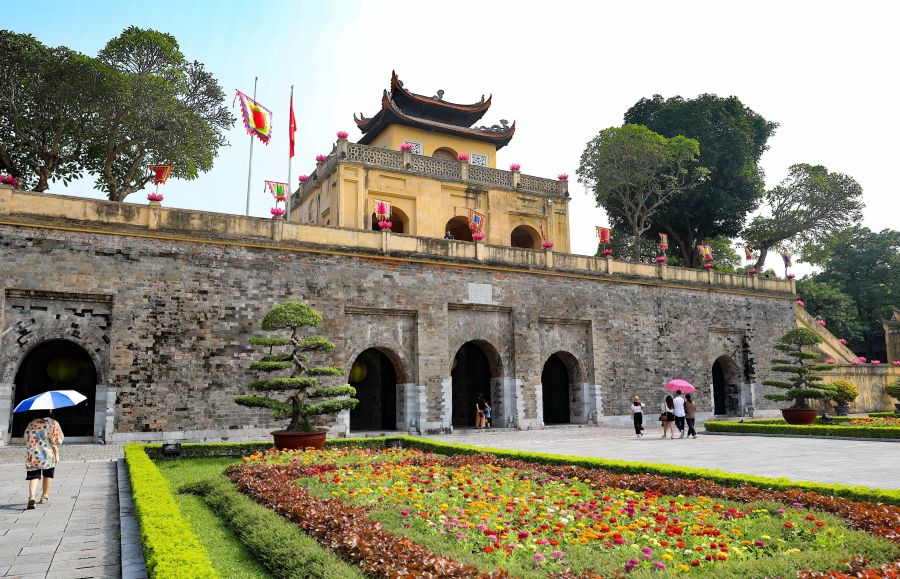
If you’re considering things to do in Hanoi, especially with respect to history and culture, the Thang Long Imperial Citadel may be a perfect place to go. As a UNESCO World Heritage Site, this ancient complex was the political and cultural capital of Vietnam for over a millennium. The site is home to wonderful remnants from several feudal dynasties, including stone foundations, ancient roads, and artifacts discovered through excavation. As you walk through the citadel, you are able to experience Vietnam’s rich imperial legacy while also seeing the architectural features of the time.

Enjoy Timeless Music At Hanoi Opera House

Enjoy Timeless Music At Hanoi Opera House

  • Location: 1 Trang Tien, Hoan Kiem District, Hanoi

With its majestic French-colonial style architecture, the Hanoi Opera House is one of the most famous cultural buildings in the city. It also serves as the primary venue for many important performance art activities, such as classical music concerts, ballet shows, and other national events.

In addition to the important role that the Opera House has as a venue for these performances, the building serves as a cultural center, usually hosting exhibitions, conferences, and activities related to the arts. All of these reasons make it a truly vital space for anyone wanting to experience the rich cultural life that Hanoi has to offer.

Unwind All Night At Ta Hien Beer Street

Unwind All Night At Ta Hien Beer Street

  • Location: 18 Ta Hien, Hoan Kiem District, Hanoi

Ta Hien Beer Street is a fun and fantastic area for both locals and tourists looking to taste the role of Hanoi’s lively nightlife scene. Located in the heart of the Old Quarter, it is a narrow street that transforms at night into an exciting orchestration of bustling bars, beer joints, and street food stands.

If you are wondering what to do in Hanoi at night, it is the perfect place to hang out with an ice-cold jug of local draft beer, listen to live music, and mingle with people from all parts of the globe. The atmosphere is fun, lively, and youthful, appealing to night owls and patrons of nightlife.

Checkin At Bai Da Song Hong

Checkin At Bai Da Song Hong

  • Location: 264 Au Co, Hanoi

Bai Da Song Hong is a hidden gem along the Red River where locals and curious travelers get to enjoy nature and escape the hustle and bustle of the city! This riverside area is well known for its colorful flower gardens, grassy fields, and beautiful backdrops for photos, which is perfect for couples, families, and solo travelers wanting to have the perfect outdoor day.

Whether you’re planning a picnic, walk, or just want awesome destination photos for your social media pages, Bai Da Song Hong is the perfect option that will help you escape the city and is only a short distance from downtown Hanoi.

Discover The Beauty Of Dinh Le Book Street

Discover The Beauty Of Dinh Le Book Street

  • Location: 19/12 Street, Hoan Kiem District, Hanoi

Just behind the famous Hoan Kiem Lake, Dinh Le Book Street is a quaint getaway for any book lover located right in the center of Hanoi. With many small book stores and colourful stalls, Dinh Le Book Street offers an array of Vietnamese and international titles at a great price.

Whether you are looking for classical masterpieces, educational informative books, or modern novel bestsellers, you can usually find a good find at Dinh Le Book Street. It is also an ideal stretch of street to take a peaceful walk to capture the essence of Hanoi’s intellectual and artistic life.

Final Thoughts: Is Hanoi Worth Visiting?

In addition to being a unique place to visit, Hanoi offers a rich history, bustling street life, and scenic lakes. Explore the streets of the Old Quarter, visit the Ho Chi Minh Mausoleum, and discover street food and local culture. Seni World can help you discover the best of Hanoi, Vietnam, and make your journey remarkable!

Best Time to Visit Hanoi: Ideal Seasons and Travel Tips

Hanoi charms travelers differently each season: misty spring mornings, golden autumn streets, or the lively buzz of summer rains. But the best time to visit Hanoi is when the city reveals its truest charm? Let’s find out when that is.

Where Is Hanoi?

Hanoi in Autumn

Hanoi is the capital of Vietnam and frequently a starting point of journeys in the region. It’s a city where the pace feels slower than Saigon, but the stories run deeper. Hanoi, unlike most of the contemporary cities in Asia, is also in touch with its origins. Old temples, French colonial architecture, serene lakes, and the traditional markets are coexistent in life.

Hanoi is a city that attracts travelers with its interesting history, bustling streets, and northern cuisine. It is possible to visit some of the most famous attractions, such as the Ho Chi Minh Mausoleum, the Temple of Literature, and the 36-street Old Quarter. Simultaneously, the city will provide a rich cultural experience, which comprises works of art, its culinary scene, and neighbouring escapes such as Ha Long Bay and Sapa.

What Is The Best Time To Visit Hanoi?

Perfume Pagoda

The best time to go to Hanoi is from March to May or September to November. The weather in these months is pleasant. It’s not too hot, not too humid, and there’s very little rain. It is an excellent time in these months when Hanoi is at its best, whether on the busy streets or enjoying a calm dinner on the lake.

February to April (Spring)

Mild temperatures of between 18 and 27 are experienced in Hanoi as it ushers spring. It is early spring, the air is fresh after wintery months, and the city gradually wakes up after the Tet holiday. It is one of the best periods to visit Hanoi on foot, visit museums and temples or even have a short day trip to other places such as the Perfume Pagoda. Crowds are fewer than in peak season, so you’ll get a more relaxed feel of the city.

September to November (Autumn)

Hanoi is the most poetic in Autumn. The weather is less rainy and humid, the Hanoi temperature is quite nice, varying between 20 – 28°C. The locals will say that this is the time when Hanoi is at its best. It’s a great time for walking tours, food adventures, and cultural events like the Mid-Autumn Festival. This is the season to be photographically inclined or just to relax and bathe in the city.

Hanoi Weather Overview By Season

Hanoi Weather Overview By Season

Hanoi has four distinct seasons, and each brings its own character to the city. The weather not only changes how Hanoi looks and feels, but also shapes what you can do and how much you’ll enjoy your time there.

Hanoi Seasonal Summary

Season Months Avg Temp What You’ll Experience
Spring March – April 18 – 27°C The streets are at peace post-Tet, trees blossom, and people get back to roaming outdoors. It is good for sightseeing and leisurely strolling.
Summer May – August 30 – 38°C It is hot and sunny, with sudden showers of rain. The city has night lights with open-air restaurants and lakeside.
Autumn September – November 20 – 28°C Fresh air fills Hanoi. It is great to capture photos, to spend time in outdoor cafes, as well as to have a nice walk.
Winter December – February 12 – 20°C Mist rises in the morning, everyone wears extra layers, and bowls of steaming hot pho are a must. It’s a good moment to visit museums or treat oneself with local comfort food.

Spring (March – April)

Hanoi is best visited during spring. Mean temperatures range between 18 and 27°C. Residents go back to parks, navigate paths along the lakes, and visit temples to work out and take a weekend walk. It is an excellent season to stroll on the Temple of Literature or visit the Perfume Pagoda on a day trip because the hills around the area are still green.

Summer (May – August)

The Hanoi climate in summer is harsh. The temperature even exceeds 35°C, and there is usually a lot of humidity that makes it feel even hotter. It rains a lot, particularly during the afternoons, but this is usually short-lived. The best thing to do at night in Hanoi is to be outside in the Grilled Skewers or to have some tra da (cold tea) by the Truc Bach Lake. Other good options are indoor attractions, such as the Vietnam Museum of Ethnology.

Autumn (September – November)

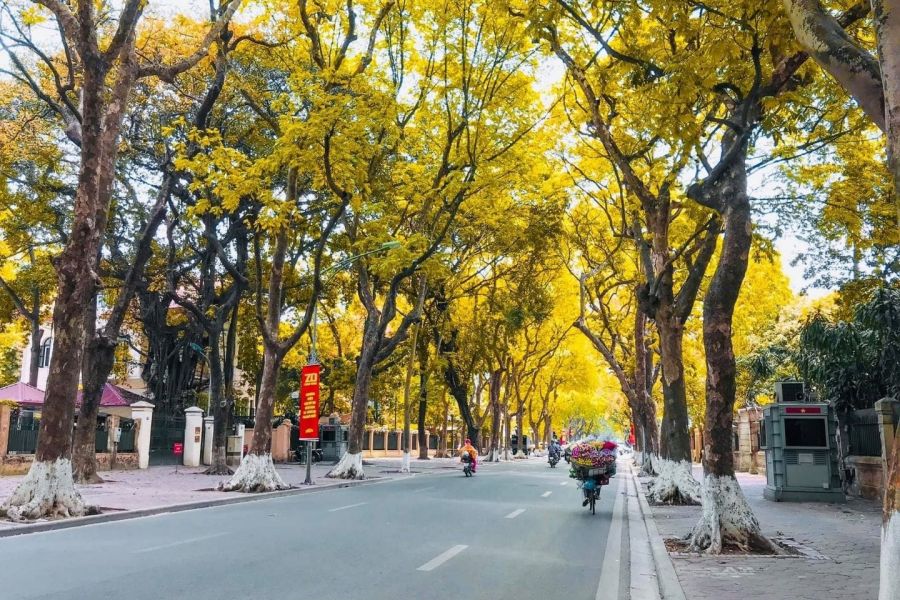
Ask any local, and they’ll likely say autumn is Hanoi’s most beautiful season. Temperatures drop to a comfortable 20 – 28°C, and the air feels lighter. Streets like Phan Dinh Phung and Hoang Dieu slowly fill with golden leaves. Around September, you’ll start to see lanterns and mooncakes appear as the Mid-Autumn Festival approaches, especially on Hang Ma Street.

Winter (December – February)

The winter in Hanoi is surprisingly cold in a tropical country. The temperatures during the day range between 12 to 20°C, and mornings can even be misty and grey. You’ll find old family-run eateries packed with locals escaping the cold air. This time of the year is also great to visit museums or even walk into the French Quarter slowly, as the rhythm of life becomes slower and the streets seem less active.

Tips For Visiting Hanoi In Different Seasons

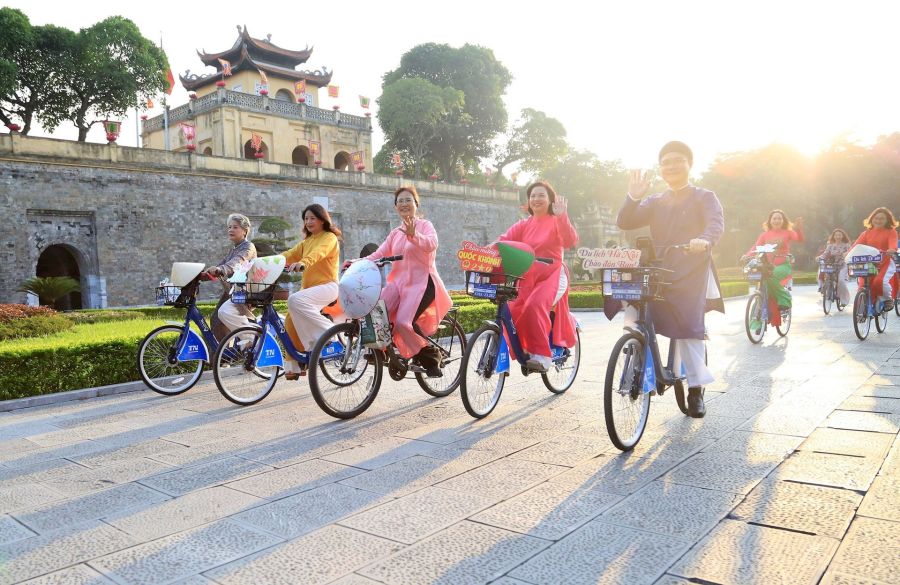
Cycling in Imperial Citadel of Thang Long

Regardless of the time of day you decide to visit Hanoi, there are some basic things that you can do to make your traveling experience comfortable and pleasant. The following is some handy advice along seasonal lines:

  • Visiting during spring, take a light jacket in the early mornings and evenings it is still cold to your fingers.
  • In the summer, carry breathable clothes, ensure that you maintain body hydration, and attempt to reserve some outdoor activities to the early mornings or late in the evenings.
  • The best season to walk and take some pictures is autumn, so do not forget to take your camera and comfortable shoes.
  • Winter mornings can be colder than expected, so pack warm layers even if you’re used to mild climates.
  • Showers occur frequently during summer, and therefore, a mini umbrella or a raincoat with a thin structure will come in handy.
  • During autumn, hotel rates can increase a bit because of local tourism, so make sure to reserve a room before coming during the time of national holidays.
  • Hanoi can experience congestion during heavy summer rains, so try to keep your schedule open and flexible.
  • In case you are sensitive to air conditions, you should know that light smog and fine dust may appear in early winter mornings.
  • Local street food sellers will be out of business during the long Tet holidays in late January or early February, so plan ahead if you’re visiting then.
  • Early mornings in any season are often the best time to see Hanoi’s daily life, especially around lakes and markets.

FAQs About The Best Time To Visit Hanoi

Hanoi Train Street

Travel preparation is usually fraught with minor issues that are not presented in travel books. These are part of the frequently asked questions by visitors to time their visit depending on the weather in Hanoi.

Is it too hot and humid during spring in Hanoi?

Spring is humid compared to autumn, and especially during the month of April. While it’s still manageable, you might feel sticky in the afternoon. Morning or late afternoon walks are more comfortable.

Is Hanoi’s climate dry or humid during summer?

Summer weather is extremely humid, particularly between June and August. It is even 33°C and can be heavier than one can expect. This may be exhausting between noon hours, especially to people who are not used to the tropical weather.

Does Hanoi have strong rains or typhoons?

Hanoi is quite rare in being directly hit by a typhoon compared to the coastal cities. There are mainly abrupt showers of rain experienced during summer. The city may dry up very fast after the streets have flooded for a few hours.

Is fog common in Hanoi’s winter?

Yes, particularly when it is quite early in the morning. It’s not dense, but enough to make the air feel colder and reduce visibility. It normally rises late in the morning.

Does sudden weather change occur in the shoulder months?

Yes. The weather changes fast in late February or early November, in the sense that it may become sunny and then cloudy or warm and then cold. It’s smart to bring one extra layer, even if the forecast looks stable.

Final Thoughts: Is Hanoi Worth Visiting?

Hanoi is such a city where time really can make a difference. Every season is different, but spring and autumn are the times of good weather and an even more pleasant mood. If you want to catch the city at its most welcoming, plan your trip between March – April or September – November. And if you want local insight to make the most of your time here, Seni World is always ready to help.

How to Travel from Ha Giang to Ninh Binh in 2026 with Ease

Ha Giang leaves you breathless with its jagged mountain roads, while Ninh Binh draws you in with slow rivers and flat, endless fields. The shift between the two is sharp, and getting it right can shape your whole trip.

Overview Of Ha Giang To Ninh Binh

Ha Giang and Ninh Binh are two very different parts of northern Vietnam. Ha Giang lies in the far north, known for its sharp mountain roads and remote villages. Ninh Binh is much further south, near Hanoi, famous for its lowland scenery, with rivers and limestone cliffs. Seeing both gives you a much deeper feel for Vietnam than visiting just the tourist-heavy spots.

This route appeals to travelers who want more than a short getaway. Many choose to link the two because both places are off the main tourist trail, and fit naturally into a Ha Giang itinerary. Many travelers also choose this route because both places feel authentic, less commercial, and rich in local life. It’s a chance to experience northern Vietnam in a deeper, more independent way.

Ha Giang To Ninh Binh 1

How Far Is It From Ha Giang To Ninh Binh?

Ha Giang and Ninh Binh are around 430 kilometers apart by road. There’s no direct highway between them, so the journey usually passes through smaller cities like Tuyen Quang and Phu Ly before reaching Ninh Binh. Roads are paved all the way, but traffic can be slow at some spots and especially along the mountains. That’s why the distance may not look far on a map, but the trip still takes time.

Travelling time is very much dependent on the way you travel. Depending on the short rests, it may take as long as 9 and 11 hours by either a sleeping bus or limousine van. Motorbikes normally take a long time, even longer when you have stops on the way. Ha Giang has no trains or flights, and the road is the only option for reaching Ninh Binh. This is also the case when traveling from Ha Giang to Hanoi, where road transport remains the only choice.

How To Travel From Ha Giang To Ninh Binh?

There’s no fixed or direct route between Ha Giang and Ninh Binh, so how you travel depends on your time, budget, and comfort level. What you can expect with each of them is broken down in the following sections.

By Motorbike

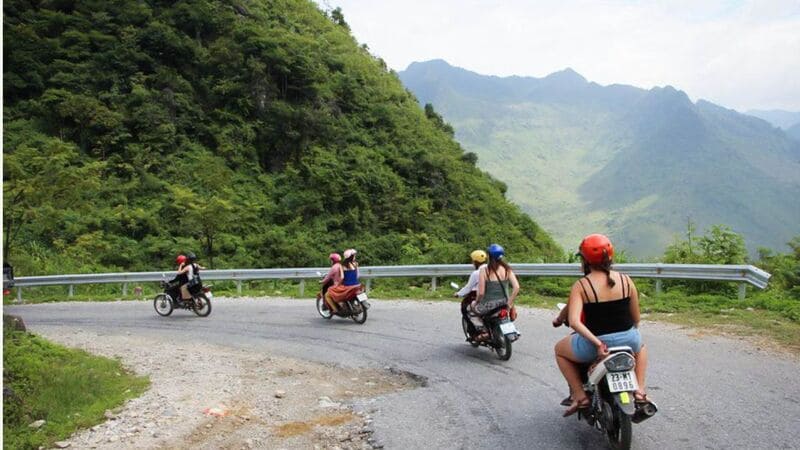
Riding from Ha Giang to Ninh Binh is doable but not easy. It’s best for travelers who already feel comfortable with long-distance riding in Vietnam. The journey is long and can be physically demanding. But for some travelers, having the freedom to break it up with short rests or detours to less busy towns makes the trip more enjoyable.

Ha Giang To Ninh Binh 2

The ride offers scenic views, especially in the early stretches near Ha Giang, with winding roads and rural landscapes. As you get closer to Ninh Binh, traffic becomes heavier, especially near national highways. Many travelers choose to break the trip in half with a night in Tuyen Quang to rest and recover.
If you’re considering this option, here’s a quick breakdown:

Aspect Details
Route Ha Giang → Viet Quang → Tuyen Quang → Phu Ly → Ninh Binh (via QL2, QL21)
Distance The drive is approximately 430km on the road, but may change marginally depending on the route you use.
Travel Time It usually takes 10–12 hours, including breaks for meals, fuel, and any delays.
Suggested Stop The best halfway stop is at Tuyen Quang. You’ll find affordable guesthouses, food stalls, and basic motorbike repair shops.
Safety Tips Any motorbike should be thoroughly inspected in Ha Giang prior to leaving, and the priority goes to the brakes, tires, and headlights.

Motorbikes are not allowed on expressways like CT01, so stay on national or provincial roads.

Fog and rain can be expected, particularly in the early morning; thus, please be careful with visibility and the wet road.

By Bus Or Minivan

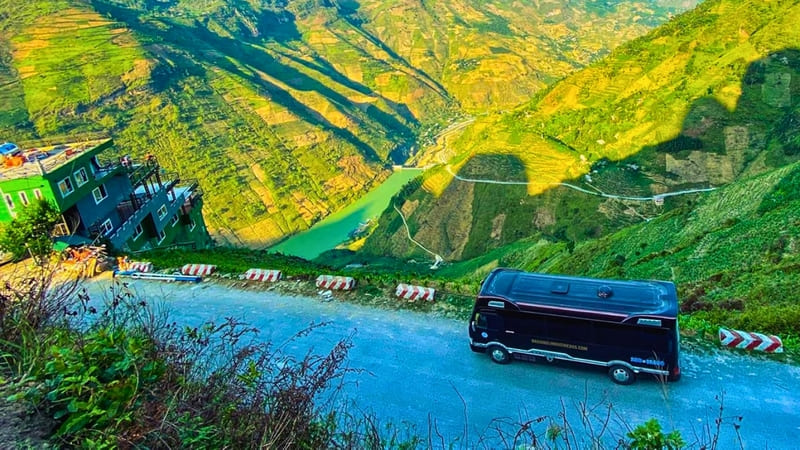
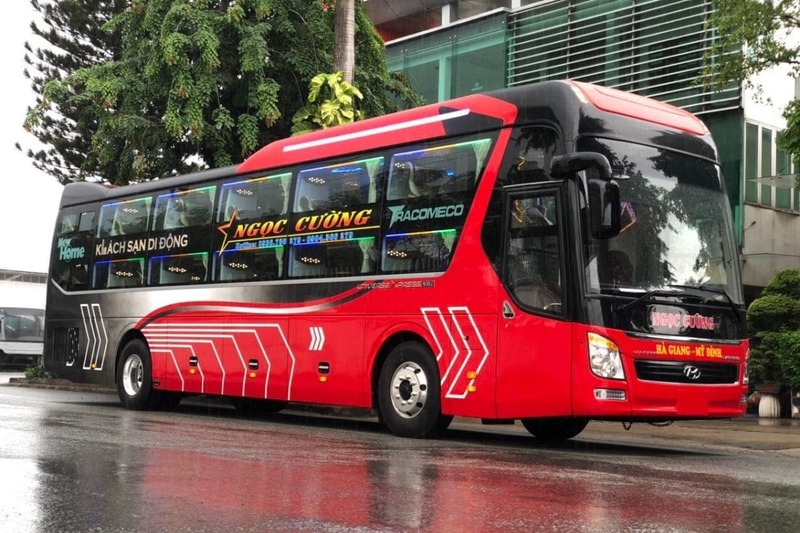
The most convenient method of transport to move from Ha Giang to Ninh Binh is by bus or minivan. It’s affordable, direct, and doesn’t require much planning. The majority of Ha Giang to Ninh Binh sleeper bus options depart in the afternoon or evening and arrive in the early morning. The journey may be too long, and sleeping along the way can save time. Seats can fill up fast during weekends and holidays, so it’s best to book at least one day in advance.

Ha Giang To Ninh Binh 3

The following are some of the most reliable carriers on the Ha Giang to Ninh Binh bus route.

Operator Service Type & Price Schedule Notes
Bang Phan Offers both sleeper buses and 22‑seat VIP limousines; tickets start at 290,000 VND for sleeper, 350,000 VND for VIP cabin. Ha Giang buses leave at 19:00-20:00 and get to Ninh Binh at about 5.00 of the next morning. All the cars are clean and taken care of, and passengers are dropped off in Tam Coc directly.
Quang Nghi Quang Nghi operates sleeper limo vans with reclining seats, and the fares range between 500,000 to 600,000 VND (variable per availability and season). Its starting point will be 60 Minh Khai Street, Ha Giang, at 190,0, and it is expected to take more than 9 to 10 hours on the road before reaching Ninh Binh. Central hotel pickup is included, and one may also be dropped off at Tam Coc Wharf or central Ninh Binh.
Toan Oanh This operator offers standard sleeper buses at lower fares, where you can get the basic reclining bed ticket at about 290,000 VND. Buses depart Ha Giang at 21:00 and reach Ninh Binh the following dawn, normally with a 10-hour giving up a couple of rest stops on course. Although this is the least expensive, the buses are old and do not have as many comfort features as the other operators on the route.
Daiichi Travel Daiichi provides VIP sleeper buses with closed cabin seats, and the usual fare is 600,000 to 700,000 VND, all-inclusive amenities onboard. Departure time is around 19.0,0 and in general, the bus can take 8.5 to 9.5 hours, since it stops several times on the way due to road conditions. Passengers are provided with bottled water, snacks, and cold towels, and there are free hotel transfer services in Ha Giang and Ninh Binh.
Cau Me / The Long / NB Open Bus These operators operate sleeper buses whose beds are approximately horizontal, charging 350,000 to 420,000 VND depending on the season and offers. Departure details are usually 18.30- 19.00, and the journey takes 9-10 hrs, depending on the traffic and road conditions. The vehicles offer comfortable beds at a good value, but they usually come with fewer extra services like onboard snacks or hotel pickups.

By Private Car

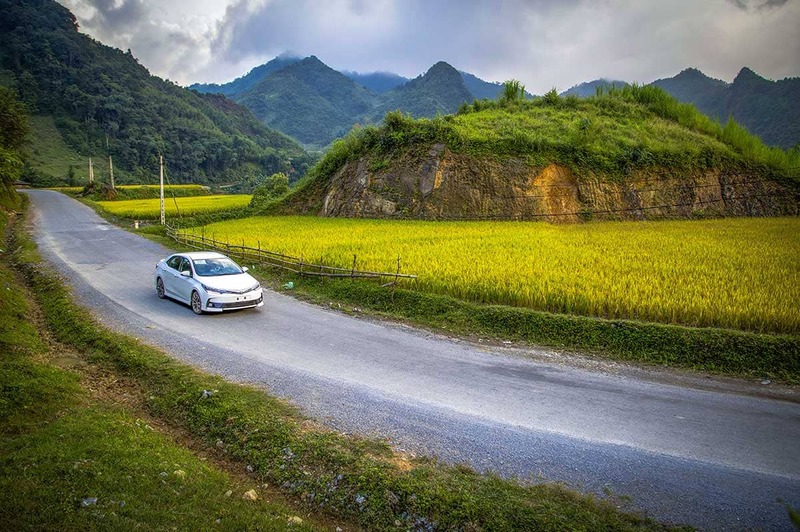
Scheduling a private car in Ha Giang to Ninh Binh is wise. And it will help travelers to have a choice on the time they wish to travel without worrying about tolls or a personal driver for their vehicle. It is more expensive than taking a bus, but many people are willing to pay since they get comfort to privacy, and direct hotel-to-hotel service.

Ha Giang To Ninh Binh 4

The drive lasts some 8-9 hours (traffic and stops). Most vehicles use national trunk roads such as QL2 and QL21. You can have short breaks to have a meal or sightseeing in between.

Who is it for Car Type Price Estimate Why this works
Solo traveler or couple 4-seater sedan or compact SUV Around 3,000,000–3,500,000 VND This alternative is comfortable, offers more privacy, and an immediate transfer without waiting till the group departs.
A family with children 7-seater SUV or minivan Roughly 3,500,000–4,200,000 VND The additional space and flexibility are beneficial to families, as they can take a break or a meal when they want it.
Group of 4–6 friends Large SUV or 9-seater minivan From 4,000,000 VND or more, depending on stops The advantage of traveling as a group is that the cost is shared, while there is flexibility in choosing the tour.
Elderly or special care Private vehicle with driver assist 3,800,000–4,500,000 VND You can ask the driver to adjust the pace to match your comfort, so the journey feels more relaxed and personal.

Most of the operators offer pass-off and hotel pick-up flexibility either in Tam Coc or the central Ninh Binh. Reservations beforehand are advisable, particularly on weekends or on local holidays.

Tips For Traveling From Ha Giang To Ninh Binh

It’s a long route with varied terrain, and a few small choices can greatly improve your journey. The following tips are based on what most travelers experience when taking this long trip along Vietnam’s spine.

  • It is such a long road, and the landscape is quite different in many ways. These tips are based on what travelers often face when making this long ride down Vietnam’s northern spine.
  • It’s safer to secure your bus or private car booking at least one or two days ahead, especially during weekends or local holidays.
  • You would choose the lower bunk in the sleeper bus because motion sickness is easier to control.
  • Some buses stop in Tam Coc while others go to Ninh Binh City, so it helps to know exactly where you’ll be dropped off, especially if you’re planning further connections, such as Sapa to Ninh Binh.
  • If you’re staying near the wharf or looking for a scenic option, booking a Ha Giang to Tam Coc route directly will save time on transfers.
  • Short stops are the norm in most buses, though food and washroom facilities can be unreliable, so it is worth carrying your drink and eating around.
  • National expressways like CT01 don’t allow motorbikes, so stick to smaller highways such as QL2 and QL21.
  • Not all the areas along the way are well covered either, and it is convenient to have a map of the area offline on the phone.
  • Early mornings in the mountains can be cold and foggy, so it’s better to wear layers if you’re riding.

Final Thoughts

The Ha Giang to Ninh Binh road is not a quickie, but it is an unusual mixture of landscape and local flavour. To a large number of travelers, this leg turns out to be one of the most unforgettable aspects of their tours. It can be easy and pleasant after the correct decision on transport. In case you require assistance in booking or selecting the most suitable one, Seni World will be there beside you.

Ha Giang To Cat Ba: From Mountainous Area To Peaceful Sea

In the Ha Giang to Cat Ba trip, you go from Ha Giang to Hai Phong by motorbike, bus, minivan, private car, and from Hai Phong (the Got Ferry Terminal) to Cat Ba by ferry. Let’s learn more about them.

Overview Of Ha Giang To Cat Ba

Many travelers choose to mix Ha Giang and Cat Ba into their Northern Vietnam itinerary because they want to enjoy both the mountain atmosphere and the sea vibe. Ha Giang is well known for its huge, captivating karst mountain ranges with the rugged, adventurous, and pristine beauty of Vietnam’s highlands. This place also has ethnic minority groups with unique cultures and lifestyles.

Conversely, Cat Ba Island, located in Halong Bay, is renowned for its great limestone karsts growing from emerald waters, wonderful seashores, and sea activities like kayaking, swimming, and exploring caves. Combining the two destinations allows travelers a perfect feeling of transition from the thrilling, cool mountain air of Ha Giang to the serene, sun-soaking wet coastal in Cat Ba. They will be an unforgettable experience of Vietnam’s various Northern attractions.

Ha Giang To cat ba 1

How Far Is It From Ha Giang To Cat Ba?

The approximate road distance from Ha Giang City to Cat Ba Island (the measuring point will be the Got Ferry Terminal in Hai Phong City, which is the mainland access point) is about 400 to 450 kilometers (also means from 250 to 280 miles). After arriving at the Got Ferry Terminal in Hai Phong City, your adventure will be followed by a ferry crossing to reach Cat Ba Island.

How To Travel From Ha Giang To Cat Ba?

Traveling from Ha Giang to Cat Ba Island, you need to separate into 2 segments: In the first segment, you need to go from Ha Giang City to Ha Phong City, and then, in the second segment, you always start from the Got Ferry Terminal in Hai Phong City, take a ferry to Cat Ba Island. In this section of this article, Seni World will help you to know various ways to get from Ha Giang to Hai Phong.

By Motorbike

A Ha Giang itinerary to Cat Ba Island by motorbike will give you the maximum of freedom and a direct connection with nature along your route. You can comfortably stop at any beautiful spot that captures your attention to see or take memorable photos, or spend some time talking with the locals you met on your path.

Ha Giang To cat ba 3

However, the risks of this motorbike adventure are putting your body under stress when covering over 400 kilometers of assorted terrain. The tough mountain passes, busy national highways, and the weather conditions like rain or fog can pose many dangers for you. Only riding a motorbike in the Ha Giang to Cat Ba itinerary in case you are a skilled, careful, and experienced rider.

Aspect Details
Route The most popular route for travelers:

  • Segment 1 (Ha Giang to Red River Delta): Ha Giang City → direct through QL2 (National Highway 2) South → Vinh Phuc or Phu Tho → Hanoi.
  • Segment 2 (Hanoi to Hai Phong): Hanoi → QL5B (National Highway 5B) or QL5 (National Highway 5) → Hai Phong City.
  • Segment 3 (Hai Phong to Cat Ba Island): Hai Phong City → Got Ferry Terminal → Cai Vieng Port on Cat Ba Island → Cat Ba Town.

Another great route for travelers to sightseeing: Ha Giang City → QL2 → Vinh Phuc or Phu Tho → Hanoi → Hung Yen or Hai Duong → Hai Phong → Cat Ba.

Distance About 400 to 450 kilometers from Ha Giang to the Got Ferry Terminal in Hai Phong City, before ferry crossing and riding on Cat Ba Island.
Travel Time At least 2 full days for skilled and experienced riders, but 3 days is highly recommended.

  • Day 1 (Ha Giang to Mid-point): about 6 to 8 hours riding.
  • Day 2 (Mid-point to Cat Ba): about 6 to 8 hours riding and the ferry time (from 1 to 2 hours for you to wait ferry and cross).
Suggested Stop
  • Viet Tri City (Phu Tho Province) or Vinh Yen City (Vinh Phuc Province): These places are along QL2 and break your trip in half. They have good lodgings, food, and support services.
  • Hai Duong City (Hai Duong Province). You will have a very long first day of riding (more than 8 hours) if you choose Hai Duong City as the temporary stop.
  • For a 3-day trip: Overnight in Viet Tri or Vinh Yen on the first night, then spend the night in Hai Duong City on the second night.

By Bus Or Minivan

Ha Giang to Cat Ba bus or minivan adventure is a multi-segment trip, as there are no direct routes. You will be transferred to Hanoi or will probably go through Hai Phong before coming to Cat Ba Island by ferry.

Ha Giang To cat ba 2

Seni World will show you the detailed route from Ha Giang to Cat Ba sleeper bus, bus, and minivan journey below:

Vehicle Type Price (VND) Travel Time Notes
Mixture of bus or minivan trip (via Hanoi) About 600,000 – 1,100,000 VND About 10 – 14 hours This is the most popular way for travelers, consisting of many segments:

  • Ha Giang to Hanoi (from 7 to 9 hours): You can go by a standard sleeper bus, a VIP cabin bus, or a limousine van.
  • Hanoi to Hai Phong (from 2 to 3 hours): You will utilize a bus (such as a local bus or a shuttle, or a limousine van) or a train to Hai Phong City.
  • Hai Phong to Cat Ba Island (45 minutes to 1 hour): You can take a local bus or a taxi to the Got Ferry Terminal, then arrive at Cat Ba Island by ferry from Cái Viềng Port. Finally, you will go on a short bus to come to Cat Ba Town.
Mixture of bus or minivan trip (via Ha Phong) directly About 500,000 – 900,000 VND About 9 – 12 hours Some bus agencies may have a direct route from Ha Giang to Hai Phong without many segments and a short stop in Hanoi:

  • Ha Giang to Hai Phong (from 7 to 9 hours): You will regularly go on a standard sleeper bus.
  • Hai Phong to Cat Ba (from 1 to 2 hours): From the Hai Phong bus station, you will take a local bus or a taxi to the Got Ferry Terminal, and next, the ferry to Cat Ba Island.

By Private Car

Hiring a private car for the trip from Ha Giang to Cat Ba brings the highest comfort, flexibility, and the most directness for travelers. This is a suitable choice for people who prioritize convenience over cost.

Ha Giang To cat ba 4

Here is the detailed path from Ha Giang to Cat Ba by a private car for you:

Car Type Estimated Price (VND) Travel Time Best For
4-seater sedan About 5,000,000 – 7,000,000 VND (per car, not per person) About 6-8 hours Solo travelers and couples with light baggage who prioritize a suitable budget within private selections.
7-seater SUV/MPV About 6,000,000 – 8,500,000 VND (per car, not per person) About 6-8 hours Small families (2 adults and a maximum of 3 children) or groups of 3 to 5 members with standard luggage who love the convenience.
9-seater luxury limousine van About 8,000,000 – 10,000,000+ VND (per car, not per person) About 6-8 hours Communities of 4 to 7 members or small businesses who love top-rate comfort and many modern amenities like large seats, a TV, and USB ports.
16-seater van About 7,000,000 – 9,500,000 VND (per car, not per person) About 6-8 hours Communities of 12 to 14 members with comfortable baggage and free to experience good feelings together.
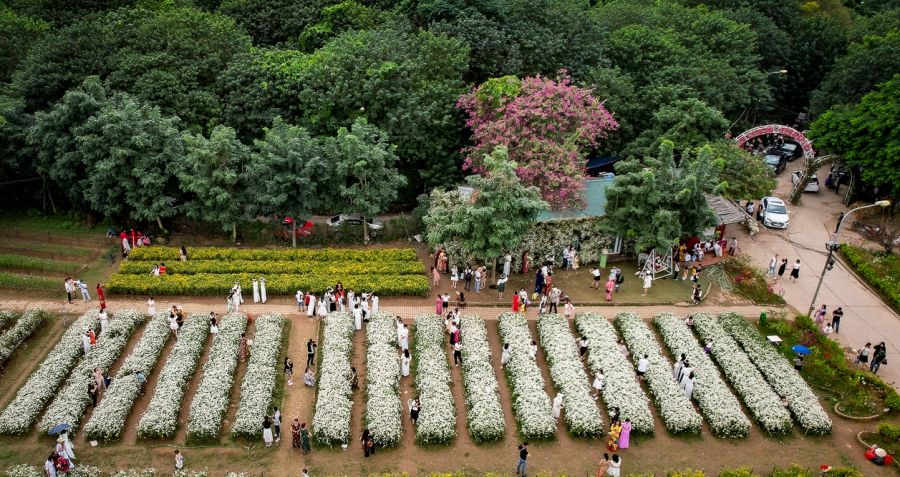
Tips For Traveling From Ha Giang To Cat Ba

If you want to have a convenient, flexible, and interesting adventure from Ha Giang to Cat Ba Island, you need to find out more about the travel experience. Seni World has collected some important travel tips for you to have a brilliant Ha Giang to Cat Ba.

Book tickets for multi-segment trips in advance

Particularly for longer bus segments (from Ha Giang to Hanoi) or private car offerings, you should book tickets in advance, especially if you travel in peak seasons. In case of travelling by bus, don’t forget to book a combo ticket for multi-segment trips if to be had, to simplify transfers.

Pack layers of apparel

The climate in this itinerary will change from Ha Giang’s cool mountains to Cat Ba’s humid coastal atmosphere. Therefore, you need to prepare versatile layers, high-quality rain gear, sunscreen, as well as secure, strong footwear.

Carefully check ferry logistics

Let’s take a look at the Got Ferry Terminal agenda in advance, in particular during vacations and holidays. You must arrange in time to start from your drop-off point in Hai Phong City to this ferry terminal for not to be late and miss.

Always have cash

Almost all remote areas and small local stores along the mountainous areas and roads will accept cash. So you need to prepare enough VND (Vietnam Dong) for buying here.

Stay hydrated and carry snacks

Ha Giang to Cat Ba is a very long adventure, irrespective of transportation. Therefore, carry water and snacks, as relaxation stops may be infrequent or have restricted options for you.

Prioritize safety when riding a motorbike

This is a legal requirement for travelers to have an International Driving Permit (IDP), especially foreigners. Remember to wear complete defensive gear and say no to riding your motorbike at night to avoid the dark and fatigue.

FAQs About Traveling From Ha Giang To Cat Ba

If you want your journey from Ha Giang to Hanoi to be more secure, happier, and more interesting, don’t forget to find out more carefully about some FAQs below. Seni World has collected these insights from various Vietnamese and global travelers of Ha Giang and Cat Ba throughout time.

What is the best time to visit from Ha Giang to Cat Ba?

The best time to visit Ha Giang is from October to April. This time, the weather is dry and the sky is clear. In particular, from October to November and from March to April are the rice harvest period and the flower season, with pleasant temperatures, very suitable for exploring. For Cat Ba Island, the perfect travel time is Spring (March to May) or Autumn (September to November) for good weather, less rain, and a peaceful sea.

Can I go directly by boat from Ha Giang to Cat Ba?

No, Ha Giang is an inland mountainous province, so you must go on land to Hai Phong City first, and after that, let’s take a ferry to arrive at Cat Ba Island.

What kind of luggage can I bring in case riding a motorbike?

Only bring essentials in a securely strapped or waterproof dry backpack, because the space is very limited, and weight will affect handling when you ride the motorbike on the road.

Final Thoughts

The adventure from Ha Giang to Cat Ba can be separated into 2 segments: from Ha Giang to Hai Phong with many types of transportation, like motorbike, bus, minivan, and private car; and from Hai Phong (the Got Ferry Terminal) to Cat Ba Island by ferry. If you want to take an adventure from Ha Giang to Cat Ba, consult about interesting things to see and to do in these 2 places, and receive support for the visa process, let’s contact Seni World, a reputable tour operator from Vietnam. We are here to help you from A to Z on your trip.

Ha Giang To Hanoi: From Raw Beauty To Rich Cultural Area

There are many ways for you to travel from Ha Giang to Hanoi, including motorbike, bus, minivan, and private car. You should consider your demand, favorite, and real-time budget to choose the exact way and have an exciting Northern journey.

Overview Of Ha Giang To Hanoi

Many travelers choose to combine Ha Giang and Hanoi in their Northern Vietnam itinerary because these two locations have vastly different yet similarly enriching experiences. Ha Giang has dramatic, untouched natural splendor with its symbolic karst mountains, difficult loop roads, and various ethnic minority groups. The beautiful raw here will help you to be removed from the city’s busy and bustling.

In comparison, Hanoi, the capital of Vietnam, captivates both Vietnamese and global travelers with its fascinating Old Quarter, colonial structure, and various historic sites and museums. By combining Ha Giang’s wild and adventurous splendor with Hanoi’s gentle and historical surroundings, you will gain a comprehensive and varied knowledge of Northern Vietnam’s beauty. This is the seamless transition from thrilling mountain trails to a culturally vibrant city.

Ha Giang To Hanoi

How Far Is It From Ha Giang To Hanoi?

The Ha Giang to Hanoi distance is from 300 to 320 kilometers (also means from 186 to 199 miles), depending on the specific route taken. You will typically take a journey going through winding mountainous areas in the first segments, starting from Ha Giang. After that, you will transition to more ordinary highways when you approach the Red River Delta and the capital, Hanoi.

How To Travel From Ha Giang To Hanoi?

Traveling on the itinerary from Ha Giang to Hanoi, you can choose many types of transportation, like a thrilling motorbike, a budget-friendly bus and minivan, or a comfortable private car. In this section of this article, Seni World will help you to know how to get from Ha Giang to Hanoi.

By Motorbike

Going from Ha Giang to Hanoi by motorbike is an exceptional freedom experience that allows you to control your itinerary, stop anywhere you want to take a break, or take photos. This flexibility brings you an intimate journey to uncover hidden gems along the road, and it can also have a more affordable price than renting a private car or a minivan, especially in case you are a solo traveler or as a pair.

Ha Giang To Hanoi 2

However, the route is long, so this transportation can be physically onerous, challenging, and stressful for riders. Safety is also a significant issue, particularly when faced with large buses and containers on a small, mountainous path. Besides, rain, fog, and mechanical breakdowns are also risks, as you find a place to shelter from the rain or a place to repair the motorbike in a remote region. Therefore, if you want to ride a motorbike from Ha Giang to Hanoi, you must be a skilled and experienced rider with much care.

Aspect Details
Route Ha Giang City → direct through QL2 (National Highway 2) South → Hanoi.
Distance About 300 kilometers (186 miles), depending on the right route taken.
Travel Time About 6 to 8 hours.
Suggested Stop
  • Tan Quang: This is a perfect spot for travelers to have a lunch break and to take a short rest before the final route.
  • Tuyen Quang City: This is a larger city than Tan Quang with more selections for food and drink, fuel, and a more comfortable break.

By Bus Or Minivan

A Ha Giang to Hanoi bus or minivan journey helps you save costs over hiring a private car, is more secure and less bodily stressful than taking this adventure by motorbike. Buses, especially sleeper buses, give travelers a comfortable sleep overnight to maximize daylight for sightseeing.

Ha Giang To Hanoi 3

You will also feel good because having an expert driver handles the trip.

Vehicle Type Price (VND) Travel Time Notes
Sleeper bus (standard) About 250,000 – 350,000 VND About 6 – 9 hours The Ha Giang to Hanoi sleeper bus trip is a popular and budget-friendly selection for you to save on lodging for one night. You can use basic amenities like a “lie-flat” bed, a blanket, and a restroom.
Limousine or minivan About 350,000 – 550,000 VND About 5.5 – 7 hours This is a quicker and more convenient option with fewer seats, extra legroom, and frequently luxury interiors. Limousines and minivans will have modern services for travelers like USB charging ports and wi-fi.
VIP cabin bus About 300,000 – 550,000+ VND About 6 – 7 hours This transportation has non-public, enclosed cabins with a bed, TV, and sometimes massage functions. This is the most highly-priced option, ideal for couples or folks who need privacy.

By Private Car

Visiting from Ha Giang to Hanoi by private car gives travelers perfect comfort and flexibility. You can freely take a break along the road, stop to sightseeing, and take memorable photos.

Ha Giang To Hanoi 4

You will never worry about the bodily demands, weather, as well as traffic.

Car Type Estimated Price (VND) Travel Time Best For
4-seater sedan About 2,800,000 – 3,500,000 VND About 5.5 – 7 hours Solo travelers, couples, communities of 1 – 3 members, or small families of 3 people with light baggage.
7-seater SUV/MPV About 3,500,000 – 4,500,000 VND About 5.5 – 7 hours Small communities of 3 – 5 members or little families with standard luggage and love the convenience.
9-seater luxury limousine van About 4,500,000 – 5,500,000 VND About 5.5 – 6.5 hours Up to 8 members in a community or small companies who love top-rate convenience, want to enjoy large seating, and many modern amenities.

Tips For Traveling From Ha Giang To Hanoi

If you want to have a convenient, smooth, and happy adventure from Ha Giang to Hanoi, you need to find out more about the travel experience. Seni World has collected some important travel tips for you to have a wonderful Hanoi and Ha Giang itinerary.

  • Book tickets in advance: Especially for VIP sleeper buses or during peak season, you should buy your tickets in advance, maybe from a few days to a week, to secure your preferred departure time and a suitable seat/cabin.
  • Prepare accessories for comfort on buses: If you overnight on sleeper buses, let’s bring an eye mask, earplugs, as well as a neck pillow for better relaxation and convenience. Besides, you should wear a mild jacket or scarf, as the air conditioning on buses may be pretty cold.
  • Essential toiletries and snacks: Don’t forget to convey vital toiletries, clean water, and snacks, because relaxation stops might have limited alternatives that make you feel bad.
  • Protect all your belongings: You need to keep valuables in a small daypack with you, in particular on sleeper buses overnight. This will be better than putting them in the main baggage compartment or a shared cabin.
  • Stay hydrated and take breaks: On long daytime journeys by private car, make certain you ask your driver for some comfort stops. Even on buses or sleeper buses, let’s use the scheduled rest stops to relax your legs and get some fresh air outdoors.
  • Arrive early for departures: Let’s arrive at your bus station or any pick-up point at least 30 minutes earlier than your scheduled departure time to say no to any remaining-minute stress.
  • Download offline maps: Mobile services can be spotty in far-off or rural areas. Therefore, downloading offline maps, like the Google Maps app, will assist you so much with navigation, especially in case you ride a motorbike from Ha Giang to Hanoi.
  • Convey cash: Almost all remote areas and small stores along the mountainous way might accept cash. So you need to prepare enough VND (Vietnam Dong) for buying here.

FAQs About Traveling From Ha Giang To Hanoi

If you want your journey from Ha Giang to Hanoi to be more secure, happier, and more exciting, don’t forget to learn more carefully about some FAQs below. Seni World has collected these insights from various Vietnamese and global travelers of the Ha Giang and Hanoi itinerary throughout time.

Is there a train from Ha Giang to Sapa?

No, Ha Giang does not have a train station. Therefore, there is no direct Ha Giang to Hanoi train selection for travelers. You can go to Hanoi from Ha Giang City by a bus, by a minivan, by a private car, as well as by a motorbike.

Is there a flight from Ha Giang to Sapa?

No, there is no direct Ha Giang to Hanoi airport because Ha Giang City does not have an airport. Let’s choose another transportation, like a bus, a minivan, a private car, or a motorbike, to arrive in Hanoi.

What is the best time for me to travel from Ha Giang to Hanoi?

The best time to visit Hanoi from Ha Giang is commonly the dry season (from October to April), that is less rain and landslides, making the adventure more secure. In particular, from November to early December and from March to April, the sky is clear, and the temperature is pleasant, ensuring a more interesting journey.

Where can I buy bus or minivan tickets?

You can easily buy these two types of tickets at the Ha Giang Bus Station or buy them via online platforms. Besides, you can ask your hotel or homestay host for support.

If I choose the private car, will I necessarily have to book it in advance?

It is highly recommended to book a private car in advance, particularly during peak travel season (from September to December), to ensure availability, as well as to get a good price.

What should I pack for the adventure from Ha Giang to Hanoi?

Don’t forget layers of apparel because the weather in these two places can change quickly. Next, let’s bring a raincoat, comfortable footwear, a power bank, water bottles, snacks, as well as suitable motion sickness medication in case you are prone to it.

Do the Vietnamese drivers speak English?

Nowadays, many drivers in the travel field can understand and speak basic English, but you should confirm this when booking. Besides, you should have Google Translate to support your language.

Where are the common pick-up and drop-off points when you go on buses or minivans?

Pick-up points are regularly from Ha Giang City bus station, or specified central locations, or accommodation. Drop-off points in Hanoi will be at many different bus stations (like My Dinh, Giap Bat, and Nuoc Ngam) or sometimes directly in the Hanoi Old Quarter.

What important and necessary safety gears are needed for motorbiking?

There are some essential safety gears that you can not forget, including a high-quality full-face helmet, a thick protective jacket, long pants, gloves, and sturdy closed-toe footwear.

Do I need an International Driving Permit (IDP) when I ride a motorbike from Ha Giang to Hanoi?

Yes, you do. An IDP specifically for motorbikes is a legal requirement for all foreigners to ride a motorbike in Vietnam, no matter where.

Final Thoughts

In the adventure from Ha Giang to Hanoi, you can choose many types of transportation, like a challenging motorbike, a low-priced local bus, a minivan, and a convenient private car. It will depend on your travel plan, demand, favorite, and budget. If you want to take an adventure from Ha Giang to Hanoi, consult about interesting things to see and to do in these 2 places, and receive support for the visa process, let’s contact Seni World, a reputable tour operator from Vietnam. We are here to help you from A to Z on your trip.

Ha Giang To Sapa: The Rugged Terrain And The Cultural Life

There are many ways for you to travel from Ha Giang to Sapa, including motorbike, bus, minivan, and private car. You should consider your demand, favorite, and real-time budget to choose the exact way and have a wonderful Northern journey.

Overview Of Ha Giang To Sapa

Nowadays, many Vietnamese and global travelers want to mix Ha Giang and Sapa in their Northern Vietnam itinerary. Sapa is world-famous for its beautiful terraced rice fields, lush green valleys, and wonderful roads for trekking. Sapa is also well-known for tours visiting local villages like Cat Cat Village, Lao Chai Village, and Ta Van Village, and trekking through the brilliant Muong Hoa valley.

On the other hand, Ha Giang is known for its rugged terrain and the thrilling Ha Giang Loop for motorbike riders who love challenging adventure. Go through here, you can explore the Ma Pi Leng Pass, the Dong Van Karst Plateau Geopark, and the iconic Lung Cu Flag Tower, marking Vietnam’s Northernmost point. By mixing both destinations, travelers can experience both the serene scenery and the cultural life of Northern Vietnam.

Ha Giang To Sapa 3

How Far Is It From Ha Giang To Sapa?

The Ha Giang to Sapa distance is about 250 to 300 kilometers. In case touring by using a private car or limousine van, the common travel time will be around 6 to 8 hours of continuous driving. If you choose motorbikes, while the technical side of doing it is also from 6 to 8 hours of non-stop riding, this is normally not recommended because of safety and rider health issues. Therefore, a 2-day journey with an overnight break will be a great option for motorbiking.

How To Travel From Ha Giang To Sapa?

There are many ways for travelers arriving in Sapa from Ha Giang, such as motorbike, bus, minivan, and private car. Each of them has advantages for you. In this part, Seni World will help you to know how to get from Ha Giang to Sapa.

By Motorbike

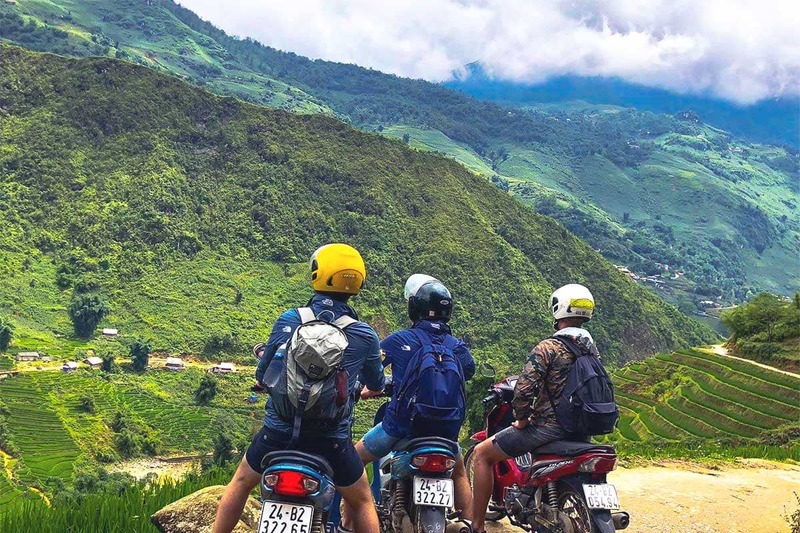
Traveling from Ha Giang to Sapa by motorbike brings you a feeling of freedom and thrill, so it will be an attractive choice for adventurous tourists. This type of transportation is also very flexible, as you can stop at any beautiful spot for a short break, witnessing, and taking photos. You can immerse yourself more in natural scenery than going by bus or private car.

Ha Giang To Sapa 1

However, the adventure from Ha Giang to Sapa by motorbike is long and can be physically stressful, laborious, and fatiguing. Some other dangers, like road conditions (potholes, gravel, or slippery surfaces), bad weather (rain or fog can decrease your visibility), and the presence of heavy vehicles, can turn an interesting journey right into a dangerous undertaking.

Therefore, you must be careful when choosing a motorbike for the transportation from Ha Giang to Sapa.

Aspect Details
Route The most popular route for travelers (via QL2 or QL70): Ha Giang City → Vi Xuyen → National Highway 2 (QL2) → Tuyen Quang or Yen Bai → National Highway 70 (QL70) → Lao Cai City → Sapa
Another great route for travelers (more beautiful scenery but challenging): Ha Giang City → Hoang Su Phi → Xin Man → Bac Ha → Lao Cai City → Sapa
Distance About 250 to 300 kilometers, depending on the right route taken
Travel time A minimum of 6 to 8 hours of continuous riding a motorbike, without breaks, but this is very dangerous
At least 2 days, including breaks and overnight stops, for both safety and sightseeing, with attractions along the way
Suggested Stop If you choose the QL2 or QL70 route, the suggested stops will be overnight in Yen Bai City
If you choose the Hoang Su Phi, Xin Man, and Bac Ha route, the suggested stops are Hoang Su Phi and Bac Ha

By Bus or Minivan

A Ha Giang to Sapa bus or minivan gives you protection and comfort so you can enjoy the great scenery along the roads without the pressure of driving. Especially, local buses have a lower price and are more secure than motorbiking, in case you go a long distance like this Ha Giang itinerary.

Ha Giang To Sapa 4

Vehicle Type Price (VND) Travel Time Notes
Local bus (via transfer) About 300,000 – 450,000 VND (for 2 segments, per person) About 7 – 9 hours (including the transfer time) There is no direct Ha Giang to Sapa sleeper bus or bus, so you should take two segments: segment 1 is from Ha Giang City to Lao Cai City (from 6 to 7 hours), next segment 2 is from Lao Cai City to Sapa (about 1 hour).

These buses will be local buses, and they commonly have ordinary seating or simple sleepers and are not VIP offerings. Besides, local buses might stop at some spots.

Minivan About 3,500,000 – 5,000,000 VND (per car, not per person) About 6 – 8 hours That is the most secure, private, and comfortable selection for travelers, particularly suitable for families or small businesses. You will be directly door-to-door carried, saving you time. Although the fee is higher than the local bus fare, the minivan offers high-quality and flexibility in scheduling, amenities, and stops for photographs or breaks.

Minivans can have a 4-seater, 7-seater, or 9-seater choice, catering to various organizational sizes.

By Private Car

Traveling from Ha Giang to Sapa by private car is very comfortable, convenient, and flexible. You can be picked up and dropped off exactly where you want to be, freely to set your very own speed, and stop for photographs or breaks.

If it is a small company, a small family, or a small group of friends, let’s choose private care from Ha Giang to Sapa.

Car Type Estimated Price (VND) Travel Time Best For
4-seater sedan About 3,000,000 – 4,500,000 VND About 6 – 8 hours Solo travelers, couples, a community of 1-3 friends, or small families of 3 with light baggage
7-seater SUV/MPV About 3,500,000 – 5,000,000 VND About 6 – 8 hours Small communities of 1-5 members or families with standard luggage and who love the comfort
9-seater Luxury limousine van About 5,000,000 – 7,000,000 VND About 6 – 8 hours Up to 8 members in a group or small companies who want to find top-rate, comfortable transport, enjoy large seating, and many modern amenities

Tips For Traveling From Ha Giang To Sapa

If you want to have a convenient, smooth, and exciting adventure from Ha Giang to Sapa, you need to find out more about the travel experience. Seni World has collected some essential travel tips for you to have a wonderful trip from Ha Giang to Sapa.

  • Prepare layers of apparel: Both Sapa and Ha Giang have a mountainous climate, so temperatures can change quickly. You need to layer warmly, consisting of t-shirts, sweaters, a heavy jacket, bring waterproof equipment, and wear sturdy, waterproof footwear with a true grip, particularly if you plan to trek in Sapa.
  • Prioritize safety in case riding a motorbike: If motorbiking, make certain you always bring a valid International Driving Permit (IDP), wear a high-quality and standard enough helmet, as well as carefully check your rented motorbike. Besides, say no to riding at night, because visibility is very poor and the dark roads will be dangerous.
  • Download offline maps: Mobile providers can be spotty in far-off or rural areas. Downloading offline maps, like Google Maps, will assist you so much with navigation.
  • Convey cash: Many remote areas and small stores along the mountainous way might also accept cash. So you need to prepare VND (Vietnam Dong) for buying here.
  • Body protection: You should apply sunscreen, wear sunglasses, and a hat to protect your skin, body, and health on both sunny and cloudy days. Don’t forget a first-aid kit to assist you in solving basic problems, like cuts, headaches, scrapes, and motion sickness.
  • Learn some simple Vietnamese sentences: You should study some popular Vietnamese sentences to easily communicate with local people, such as Xin Chao (hello), Tam Biet (goodbye), Cam On (thanks),…

FAQs About Traveling From Ha Giang To Sapa

If you want your journey from Ha Giang to Sapa to be more secure, memorable, and happier, let’s carefully note some FAQs below. Seni World has collected these insights from both Vietnamese and global travelers who have experience in the Ha Giang and Sapa itinerary throughout time.

Is there a train from Ha Giang to Sapa?

No, Ha Giang does not have a train station, so there is no direct Ha Giang to Sapa train option. You can go from Ha Giang to Sapa by bus, by minivan, by private car, and by motorbike.

Is there a direct bus from Ha Giang to Sapa?

No, Ha Giang does not have direct buses to Sapa. As Seni World mentioned above, there are two segments for the bus route between two destinations, including: Ha Giang City to Lao Cai City, and next, a separate local bus or minivan from Lao Cai City up to Sapa.

Where are the common pick-up and drop-off places for buses or minivans?

In Ha Giang City, the pick-up point is usually in the bus station or sometimes in central hotels that you booked. Then, in Sapa Town, the drop-off point for you is typically at the Sapa bus station or various famous, iconic points in this town.

What safety gear that I need to prepare for motorbiking?

You need to prepare and wear a high-quality full-face helmet, sturdy jacket, long pants, thick gloves, and closed-toe footwear (boots are perfect). They will protect you throughout the challenging route from Ha Giang to Sapa by motorbike.

What is the best time for me to travel from Ha Giang to Sapa?

The best time to travel to Ha Giang and Sapa is the dry season (from October to April), in particular the two months of November and December. This period offers cooler temperatures, less rain, and the sky is clear for you to see panoramic, beautiful views of these two destinations. Besides, March and April are also great for traveling because of the pleasant weather and many pretty blossoming flowers.

What about my luggage if I travel by motorbike or bus?

If you travel by motorbike, luggage space will be very limited, just a backpack with all your things strapped to your back. Buses have baggage compartments; however, you need to ensure your bags and luggage are secured and waterproof to avoid unexpected rain. Besides, minivans or private cars have ample space, and you can comfortably prepare luggage as you want.

What about meals along the way from Ha Giang to Sapa?

You can easily find local eateries in towns, and sometimes, there are small stalls or food stores along the main roads. However, it is highly recommended for you to carry some snacks and water in your luggage, especially if you ride a motorbike through more remote sections.

Final Thoughts

In the adventure from Ha Giang to Sapa, you can choose many types of transportation, like a thrilling motorbike, a budget-friendly local bus, a minivan, and a comfortable private car. It will depend on your travel plan, demand, favorite, and budget. If you want to take an adventure from Ha Giang to Sapa, consult about interesting things to see and to do in these 2 places, and receive support for the visa process, let’s contact Seni World, a reputable tour operator from Vietnam. We are here to help you from A to Z on your trip.

Ha Giang To Cao Bang: Low Price Or Comfortable Transport?

There are many ways for you to travel from Ha Giang to Cao Bang, including motorbike, bus, minivan, and private car. You should consider your demand, favorite, and real-time budget to select the right way and have an interesting journey.

Overview Of Ha Giang To Cao Bang

Combining Ha Giang and Cao Bang in a Northern Vietnam itinerary has become very famous for adventurous travelers. Ha Giang is well-known for its iconic “Ha Giang Loop,” a thrilling but strongly worthwhile motorbike course that winds through the UNESCO Global Geopark of Dong Van Karst Plateau. You can see the dramatic, jagged limestone peaks and deep canyons (like the Nho Que River and Tu San Canyon). In particular, you can try to go through steep and winding passes like Ma Pi Leng.

On the other hand, Cao Bang is highlighted by the wonderful Ban Gioc Waterfall, one of the largest and most beautiful waterfalls in Southeast Asia. Arriving here, you can witness peaceful rivers just like the Quay Son, quiet lakes such as Thang Hen, and important historical sites of Vietnam like Pac Bo Cave. By combining Ha Giang and Cao Bang, travelers can get to experience both lush, green, captivating natural scenery and significant historical depth.

Ha Giang To Cao Bang 1

How Far Is It From Ha Giang To Cao Bang?

The most common distance between Ha Giang and Cao Bang is about 250 to 330 kilometers. While this route may not seem so far, this adventure is still challenging and thrilling due to winding roads, steep mountain passes, as well as variable road conditions. A common way for travelers to arrive in Cao Bang from Ha Giang is to go through the Ha Giang Loop’s well-known parts, like Meo Vac Town and Bao Lac District, and then head towards Cao Bang.

If you choose a private car or a motorbike, the journey from Ha Giang to Cao Bang will generally take from 7 to 9 hours. If the transportation is a local bus, the adventure can be longer, about 8 to 10 hours or sometimes more, because the local bus frequently takes a slow pace. Besides, the road conditions can be changeable, particularly during the rainy season, as the roads are muddy, causing delays or even road closures.

Ha Giang To Cao Bang 5

How To Travel From Ha Giang To Cao Bang?

Taking an itinerary from Ha Giang to Cao Bang, you can use many types of transportation, like a motorbike, bus, minivan, or private car. In this section of this article, Seni World will help you to know how to get from Ha Giang to Cao Bang.

By Motorbike

The primary gain of a Ha Giang to Cao Bang motorbike trip is the top-notch freedom to explore at your preference. You will freely navigate winding mountain passes like Ma Pi Leng and Me Pia, witness and take memorable photos with beautiful scenery like extensive terraced rice fields, and comfortably take breaks to meet and talk with remote communities.

Ha Giang To Cao Bang 2

However, this exciting journey additionally comes with challenges and drawbacks. The wonderful mountainous roads are still regularly winding, steep, and along with ugly potholes, loose gravel, and dirt. Weather can change continuously, with fog decreasing visibility and heavy rains making the roads slippery, and even maybe landslides. Therefore, you must be a skilled and confident rider, and always ride carefully when traveling by motorbike from Ha Giang to Cao Bang.

Aspect Details
Route The most popular route for travelers (through Meo Vac and Bao Lac): Ha Giang City → Quan Ba → Yen Minh → Dong Van → Meo Vac → Bao Lac → Tinh Tuc → Nguyen Binh → Cao Bang City
Another great route for travelers (through Ba Be Lake): Ha Giang City → along QL34 → Ba Be Lake → Cao Bang City
Distance About 250 to 370 kilometers, depending on the right route taken
Travel time A minimum of 7 to 9 hours of continuous riding a motorbike, without breaks, but this is very dangerous
At least 2 to 3 days, including breaks and sightseeing, for both safety and enjoyment, attractions along the way
Suggested Stop If you choose the Meo Vac – Bao Lac route, the suggested stops will be Dong Van Ancient Town, Meo Vac Town, Vuong Family Mansion (King of H’Mong Palace), Ma Pi Leng Pass, Bao Lac District, and Nho Que River
If you choose the Ba Be Lake route, the suggested stops are Ba Be Lake and Ba Be National Park

By Bus or Minivan

The Ha Giang to Cao Bang bus or minivan journey is a common choice for both Vietnamese and global travelers. The local bus is a budget-friendly selection, and the minivan is suitable for those who want to have a comfortable and high-end experience.

Ha Giang To Cao Bang 3

Seni World will give you some information about the local bus and minivan, including the price, the travel time, and some important notes about each type below:

Vehicle Type Price (VND) Travel Time Notes
Local bus (via transfer) About 250,000 – 350,000 VND (for 2 segments, per person) About 7.5 – 9 hours (including the transfer time) There are no direct buses from Ha Giang to Cao Bang. You will want to take two segments: segment 1 is from Ha Giang to Bao Lac or Bac Me (about 3 to 4 hours), then segment 2 is from Bao Lac or Bac Me to Cao Bang (about 4 to 5 hours).

Those local buses can be normal seats or sleepers, and they are not VIP buses.

Minivan About 2,500,000+ VND (per car, not per person) About 6 – 7 hours This is the most comfortable and secure selection for travelers, especially appropriate for companies or families, saving you quite a bit few time. Although the cost is notably higher than the local bus, the minivan offers the best privacy and flexibility in scheduling.

They can be 4-seater, 7-seater, or 9-seater minivans catering to the wide variety of travelers.

By Private Car

If you want an affordable price, the Ha Giang to Cao Bang sleeper bus trip is the best idea, but if a comfortable and modern amenities trip is the priority, let’s choose the private car.

Ha Giang To Cao Bang 4

Let’s see more information private car from Ha Giang to Cao Bang below:

Car Type Estimated Price (VND) Travel Time Best For
4-seater sedan About 3,200,000 – 4,000,000 VND About 6 – 8 hours Solo travelers, couples, groups of 1-3 friends, or small families of 3 with light baggage
7-seater SUV/MPV About 3,500,000 – 4,500,000 VND About 6 – 8 hours Small groups of 1-5 members or families with standard bags and love the comfort
9-seater luxury limousine van About 4,800,000 – 6,000,000 VND About 6 – 8 hours Up to 8 members in a group or small businesses who love top-rate comfort, want to enjoy large seating, and many amenities

Tips For Traveling From Ha Giang To Cao Bang

If you want to have a comfortable, smooth, and memorable trip from Ha Giang to Cao Bang, you need to learn more about the travel experience in this itinerary. Seni World has collected some important tips for you to have a perfect adventure from Ha Giang to Cao Bang.

  • Be careful when driving or riding on the roads: While typically light enough outside of towns, you must still be cautious of big trucks, buses, as well as unpredictable local traffic (people, cattle, and children or kids on roadsides).
  • Health protection: Don’t forget to bring sunscreen, sunglasses, and a hat to protect your skin, body, and health, even on cloudy days. Moreover, a first-aid kit is also very important because it will help you to solve simple problems, like cuts, headaches, scrapes, and motion sickness.
  • Say no to night riding: Visibility is terrible when it is dark. It will be very difficult for you to see dangers, and locating assistance in faraway regions is also hard.
  • Cash is king in rural areas: Many faraway areas and rural areas simplest accept delivery of cash. You can only find ATMs in large towns or primary town regions.
  • Test your motorbike carefully: If renting the motorbike, you must carefully check out the tires, brakes, lighting fixtures, horn, and engine before setting off. In particular, let’s choose a reputable rental store that has a good support service.
  • Study simple Vietnamese phrases: You should learn some Vietnamese phrases to easily communicate with local people, such as Xin Chao (hello), Cam On (thanks), Tam Biet (goodbye),…

FAQs About Traveling From Ha Giang To Cao Bang

If you want your journey from Ha Giang to Cao Bang to be safer, more memorable, and interesting, don’t forget to learn more about some FAQs below. Seni World has collected these insights from various Vietnamese and global travelers from Ha Giang to Cao Bang throughout time.

Is there a train from Ha Giang to Cao Bang?

At present, there is no direct train system between Ha Giang and Cao Bang. Neither destination has a railway station. Therefore, the main transportation selections between these two provinces are by bus, by minivan, by private car, and by motorbike.

Will I do the Ha Giang Loop and then continue to go to Cao Bang?

Yes, this route is a very popular itinerary for travelers. After finishing the loop, you can continue driving from Meo Vac Town or Dong Van Town to Cao Bang via the QL4C and QL34 highways.

What is the most beautiful route for travelers?

If you want to go through the most beautiful route for sightseeing, the famous Dong Van Karst Plateau Geopark route is the selection. You will go to Dong Van Town, Meo Vac Town, and after that, go over the captivating Ma Pi Leng Pass. This route is longer than the Ba Be Lake route, but has incredible landscapes.

Can I know the departure times of local buses?

Most local buses depart early in the morning (about 7:00 am) and late in the evening (from 7:00 pm to 9:00 pm) if you choose the overnight journey. Minivans will have more flexible and comfortable daytime schedules than local buses. You should check them with the ticket system, especially to confirm where to stay in Ha Giang and Cao Bang, to have the right time and pick-up point.

If I choose the motorbike journey, can I rent one in Ha Giang and return it in Cao Bang?

Some rental agencies offer travelers this service; however, this is less popular and needs a significant extra fee (usually called a “drop-off fee”) for you to have your motorbike returned. If you want to know more information, let’s ask the rental agency before booking.

What should I pack for the adventure from Ha Giang to Cao Bang?

Don’t forget layers of apparel because the weather in these two places can change quickly. Next, let’s bring a raincoat, comfortable footwear, a power bank, water bottles, snacks, as well as suitable motion sickness medication in case you are prone to it.

Is it better to explore from Ha Giang to Cao Bang or vice versa?

Both directions are wonderful. However, beginning in Ha Giang is more popular for travelers who want to unveil the famous “Ha Giang Loop”. Afterward, let’s continue the journey from Ha Giang to Ban Gioc waterfall, Cao Bang, as well as many different attractions in this province.

Final Thoughts

Traveling from Ha Giang to Cao Bang, you can select many types of transportation, like a motorbike, local bus, minivan, and private car. It will depend on your travel plan, demand, favorite, and budget. If you want to take an adventure from Ha Giang to Cao Bang, consult about interesting things to see and to do in these 2 destinations, and receive support for the visa process, let’s contact Seni World, a reputable tour operator from Vietnam. We are here to help you from A to Z on your Ha Giang to Cao Bang trip.

Ride The Legendary Ha Giang Loop In Northern Vietnam

The Ha Giang Loop varies greatly in curves and beautiful karst landscapes. There are experiences, like seeing ancient culture and experiencing scenic beauty, that make the loop a great adventure for everyone.

Introduction To Ha Giang Loop

The Ha Giang Loop is an iconic motorbike journey through northern Vietnam’s highlands, consisting of 300 km of stunning limestone karst, deep valleys, and terraced fields. Entered around the towns of Ha Giang, Quan Ba, Yen Minh, Dong Van, and Meo Vac, the route encapsulates dramatic scenery with vibrant ethnic dimensions. Whether you self-ride or travel with an easyrider guide, the Loop will provide thrills, local flavor, and profound contact with the wonderful hospitality of the mountain communities.

Ha Giang Loop 1

History Of Ha Giang Loop

In the historic Ha Giang Loop-also the Happiness Road- the road was built between 1959-1965, and was built by thousands of young volunteers and local workers to connect the remote northern highlands of Ha Giang to the center of the province.

This road was not only a transport project, but also a symbol of unity, toughness, and the Vietnamese spirit to triumph over adversity and improve the lives of ethnic groups living in this rugged plateau. Today, it is a living monument to the spirit of collaboration and national development.

Unique Architecture Of Ha Giang Loop

The Ha Giang Loop isn’t a man-made architecture in the traditional sense, but it’s very much an eye-catching road trip on natural design and topography. This loop is so iconic for Southeast Asia, typically over 350 kilometers long. Labeled a loop, it winds through four remote highland districts of the Dong Van Karst Plateau: Quan Ba, Yen Minh, Dong Van, and Meo Vac.

What distinguishes this trip is the twisty route of deep valleys, narrow cliffside roads, and constantly sharp mountain passes. The road delays elevation, ancient rocks, and terraced rice fields, coming up through pine forests, on limestone peaks and cliffs.

One of the architectural highlights of the loop is the Ma Pi Leng Pass – one of the “Four Great Passes of Vietnam”, with the road clinging to towering mountains overlooking the bright emerald of the Nho Que River below.

Ha Giang Loop 2

10 Cultural Experiences You Shouldn’t Miss

The Ha Giang Loop is more than just a journey about the roads. You will discover many pieces of rich culture, traditions, and beautiful nature from the northern region of Vietnam along the way.

Ma Pi Leng Pass

Ma Pi Leng Pass is one of the “Four Great Passes” in Vietnam. It offers some of the most amazing mountain scenery in Southeast Asia over about 20 kilometers. This road climbs high above the Nho Que River on cliff hangers, and simply driving is enough to bring a thrill. It is worth the ride alone to see an endless rich panorama of deep valleys and limestone peaks.

Ha Giang Loop 3

Nho Que River

Riding a boat on the Nho Que River will definitely be one of the highlights of the Ha Giang Loop, especially gliding between the high cliffs of the Tu San Canyon, which is the deepest canyon in Southeast Asia. The Nho Que River has the most stunning, intense emerald-green water that actually goes beautifully with the dark stone, creating a scene that feels surreal but still so incredibly beautiful. This will definitely be one of the most tranquil and memorable experiences, and it provides a nice poetic moment in your trip.

Ha Giang Loop 4

Lung Cu Flag Tower

Located on Dragon Mountain, Lung Cu Flag Tower is the northernmost point of Vietnam as well as a symbol of national pride. There are more than 200 stairs to reach the top, where you will be rewarded with a 360-degree view of the terraced fields, remote villages, and borderland that lies far away in the distance. This is a very meaningful and iconic stop while you are doing the loop.

Ha Giang Loop 5

The House Of Pao

Nestled in a peaceful village in Sung La Valley, the House of Pao is a traditional H’mong house that has been lovingly preserved. Featured in the award-winning documentary The Story of Pao, the house is constructed in the region’s typical stone-and-wood architecture. When visiting, a great opportunity to not only take pictures but to enter the cultural heart of the area.

Ha Giang Loop 6 e1755683023622

Sung La Valley

Sung La Valley is commonly referred to as Ha Giang’s “green gem”, and one can see why. This quiet village sits amidst karst mountains and is well known for its spectacular fields of flowers, most especially the tam giac mach (buckwheat flower). These flowers bloom late October – November and are stunning against the mountainous backdrop. With the tranquil roads, fields of bloom, and traditional houses, it is an idyllic and surreal photo opportunity.

Ha Giang Loop 7

Lung Khuy Cave

Currently, Lung Khuy Cave is in Quan Ba District. While it has only recently been discovered, it has been embraced because of how largely pristine and untouched it is. The cave is about 1 km in length and is beautiful inside with lots of stalactite formations, and the short walk to reach the mouth of the cave is also remarkably beautiful with mountain views. Overall, Lung Khuy Cave is charming and slightly off the beaten path, making it a refreshing experience to add to your itinerary.

Ha Giang Loop 8

Dong Van Old Quarter

The Old Quarter in the heart of Dong Van Plateau still has the charm of centuries-old stone houses and narrow cobbled streets. On the weekend, the Old Quarter transforms from a charming town into a burst of colour, with local hot pot vendors serving up food and local ethnic groups gathering in the colourful market to trade, eat, and catch up with travellers from other cultures. It’s an area steeped in rich culture and history, perfect for anybody who enjoys architecture, culture, and local life.

Lung Cu Flag Tower 3

Quan Ba Heaven Gate

From Quan Ba Heaven Gate (Cổng Trời Quản Bạ) at 1,500 meters above sea level, you get panoramic views of Tam Son Valley (Thung lũng Tăm Sơn) and Twin Mountains (Nui Doi Co Tien). The scenic viewpoint is not only about the views; it is also the point of entry for the adventure to start with the beautiful, rough, and ruggedness of Ha Giang.

Lung Cu Flag Tower 4

Hoang Su Phi Terraced Fields

Hoang Su Phi is located in the southwestern area of Ha Giang and is renowned for its incredible terraced rice fields, which are cut into the steep hills. The best time to visit Hoang Su Phi for the perfect photos is during harvest (September-October) and water (May-June). Although a bit remote, it is well worth the visit, especially for photographers and those who love nature.

Hoang Su Phi 1

Du Gia Cultural Village

Du Gia is a quaint, authentic village in a lush valley that is often a good stopping point for travelers. Staying in a homestay, you can eat with a host family, participate in traditional dances, or just relax to the sounds of nature. This village is ideal for travelers who want to go slow and interact with the people and culture of Ha Giang.

Ha Giang Loop 9

Entrance Fee

The Ha Giang Loop is a public road, therefore 100% free! There is no fee to ride on this amazing scenic route. You can ride along the Ha Giang Loop and take in the magnificent scenery for free.

That said, if you’re wanting to visit sites along the way, there may be a charge to enter locations like: Lung Cu Flag Tower, Vuong Family Mansion, or Lung Khuy Cave; usually 10,000 – 50,000 VND per person.
It’s advisable to bring some cash in Vietnamese Dong if you plan to stop at these optional sites and for local services like parking, meals, or to hire a guide in some remote villages.

Best Time To Visit Ha Giang Loop

Ha Giang has a cool mountainous climate throughout the year with an average temperature of 21-23 °C. Due to the high elevation, it will always be refreshingly colder than the lowland regions, and remains an attractive destination no matter the time of year. You could visit Ha Giang Loop any time of the year, though each season has its beauty:

  • October to December is the prime time to visit. This is when the buckwheat flowers blossom pink, white, and purple, and the mustard flowers color the valleys yellow. The air will be crisp, and clear skies will give way to great rides and stunning photos.
  • Golden September to early October is when the terraced rice fields are harvested and glowing yellow. It is simply stunning, and the golden hour is the favorite for photography as well as nature lovers, who happen to be ogling as they ride.
  • Spring (February to April) is when the peach and plum trees bloom while lending their dreamy white and pink landscapes across the hills, an occasion for cultural respite.
  • May marks water season, or when we fill the terraces with water for a new rice planting cycle. The sunlight reflecting off the shimmering, sodden fields creates a mirror-like effect, totally unique and photogenic.
  • June and July are in the rainy season. Expect many rain showers, increased humidity, and, while the scenery can be green, the roads can be slippery and a little more difficult to travel.

How To Get To Ha Giang Loop

Depending on where you are starting your trip and your budget, there are multiple options to get to Ha Giang. Most travelers will start from Hanoi, either self-driving, taking a sleeper bus, or joining group tours.

If you are flying from the southern provinces (such as Ho Chi Minh City), you can fly directly into Noi Bai International Airport in Hanoi and transfer directly to Ha Giang. The trip from Noi Bai to Ha Giang takes about 6–8 hours, depending on traffic and rest stops.

From central Hanoi, most travelers leave around 7:00 AM, traveling via Highway 2C through Tuyen Quang Province and making it into Ha Giang around lunchtime.

Mode of Transport Route Duration Estimated Cost (per person)
Sleeper Bus Hanoi → Ha Giang 6–7 hours 200,000 – 300,000 VND
Private Car with Driver (7-seater) Hanoi → Ha Giang 6–8 hours ~3,000,000 – 3,500,000 VND/day (shared among group)
Motorbike Rental in Ha Giang Ha Giang City → Loop journey Flexible 150,000 – 200,000 VND/day
Motorbike Taxi (with rider) Full Ha Giang Loop tour 3–5 days ~1,000,000 VND/day (includes guide/driver)

Things To Know Before Traveling To Ha Giang Loop

Before embarking on the Ha Giang Loop, it is essential to prepare yourself both mentally and physically. This is more than a picturesque ride; it is a complicated ride consisting of uphill mountain passes, turn after sharper turn, and inclement weather.
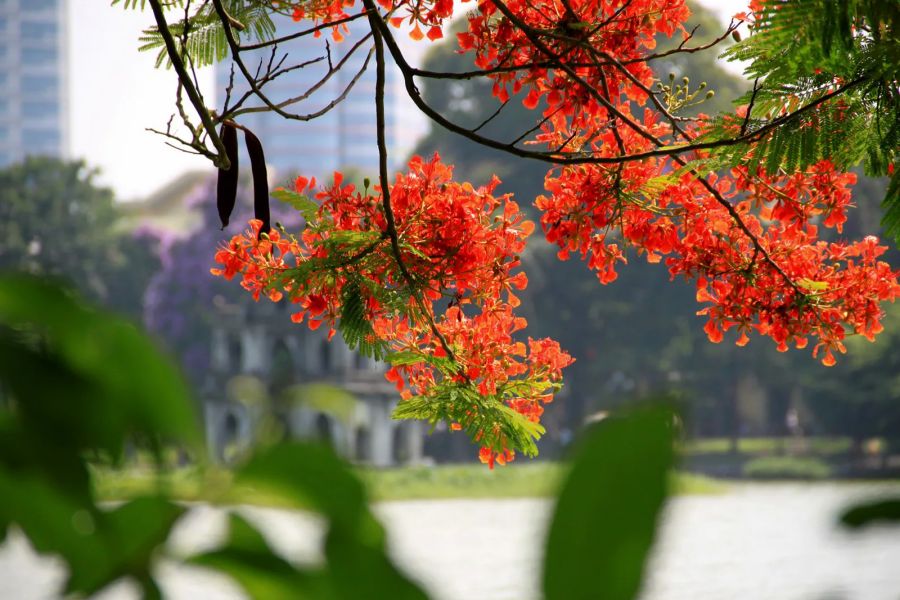
Riding experience is a must

Riders should possess the ability to ride the motorbike well, have confidence navigating mountain roads, and remain focused and calm while negotiating more challenging situations.

Limit alcohol consumption while riding

Ha Giang’s roads are narrow, winding and often do not have street lighting. Riding under the influence, and especially at night in Ha Giang, is particularly dangerous.

Respect local people

If you plan to stay overnight in a local home, ask permission first. Do not take pictures of people without consent or ask if that is okay; this is especially important in ethnic minority villages.

Be careful with steep mountain passes

Mountain passes like Ma Pi Leng are exotic and breathtaking; however, they are also steep, possibly slippery, and can be foggy. Ride slower up and down mountain passes, use your horn when approaching blind corners, and refrain from speeding, especially if conditions are wet.

Fill up your tank when you can

Filling stations are infrequently located in the more remote areas of this route, so ensure your fill up in larger towns like Ha Giang City or Dong Van.

Be prepared for limited phone signals

There are places along the route that have little or no mobile reception; please download the route beforehand.

Final Thoughts: Is Ha Giang Loop Worth Visiting?

One of Vietnam’s most unique road tours is the Ha Giang Loop, featuring exquisite mountainous roads, beautiful landscapes, and engaging ethnic culture. Whether you enjoy the adventure aspect or want to find peace while in nature, the Ha Giang Loop offers tourists enjoyment, beauty, and fun! Now let Seni World bring you a safe, scenic, and wonderful journey of the Ha Giang Loop.