logo mobile sidebar
support-image-mobile
Share your ideas with our local expert team - we’re here to listen and help you shape a meaningful journey through Indochina.
(+84) 868 663 993
Asia Leading Tour Operator 2025
tripadvisor travelers choice awards 2024
Travelers' Choice Awards 2025

Author: Tung Ngo

An Hien Garden House: A Serene Heritage Home in Hue

An Hien Garden House is a peaceful cultural heritage mansion in Hue, possessing traditional royal architectural features, lush green gardens, and sophisticated feng shui art, representing a glimpse of an elegant aristocratic lifestyle that Vietnam’s citizens enjoyed.

Introduction To An Hien Garden House

An Hien Garden House is one of Hue’s culturally and historically iconic attractions, appreciated not only for its preserved garden house architecture but also for its close tie to the Nguyen Dynasty. Established in the late 19th century, the house was originally owned by members of the royal family, representing the elegant living standards of Hue’s aristocrats. Constructed in the typical house of the Ruong style, An Hien boasts wooden architecture, yang-yin tile roofs, and feng shui planning, signifying balance between nature and human life. It is, in fact, a living cultural heritage, embodying the essence of Hue architecture and spirituality.

An Hien Garden House is a peaceful cultural heritage mansion in Hue

Visitors are attracted to An Hien Garden House, not only because of its historical significance but also for the serene and cultural experiences it provides. The garden is large, consisting of fruit trees and various plants collected from across Vietnam, providing perfect, serene, and harmonious landscaping. A stroll across the garden enables visitors to leave behind the urban lifestyle while providing them with the opportunity to understand the habits and practices of the royal past in Hue. An Hien Garden House is hence a significant destination for cultural experience.

History Of An Hien Garden House

An Hien Garden House dates back to the late 19th century, in the period of the Nguyen Dynasty. It has long been identified with the imperial history of Hue. Firstly, the land belonged to Princess Ngoc Son, who was the daughter of Emperor Dong Khanh, and it was originally the home of Princess Anh Huong, the wife of Prince Ung Bang. In those days, An Hien Garden House was an elegant living area for royalties, symbolizing their lifestyle and cultural standards.

In the early 20th century, the house was bought by a family of scholars and intellectuals who restored the original architectural design and garden there to a high level of accuracy. The house was also restored to reflect the rich cultural past of Vietnam through its traditional architectural design and beautiful garden. Despite the historical processes that have occurred in the house’s surroundings, An Hien Garden House remains a full-fledged traditional house of Vietnam in terms of architectural design and garden.

Unique Architecture Of A Hien Garden House

An Hien Garden House is known for its distinctive architecture that symbolizes the elegant culture of Hue garden houses. The architectural details of An Hien show the unity between the inhabitants of Hue and the spiritual culture of the land.

Feng Shui-Inspired

The layout of An Hien Garden House adheres completely to traditional feng shui principles, which were much appreciated during the Nguyen Dynasty period. The house was designed with its back towards Perfume River, indicating prosperity and good luck, and all other factors, including the entrance, screen, and house, were well-oriented for harmony and protection. The result is that the whole area appears peaceful and well-organized, summarizing that a harmonious living environment can bring peace and good luck to all members residing within it.

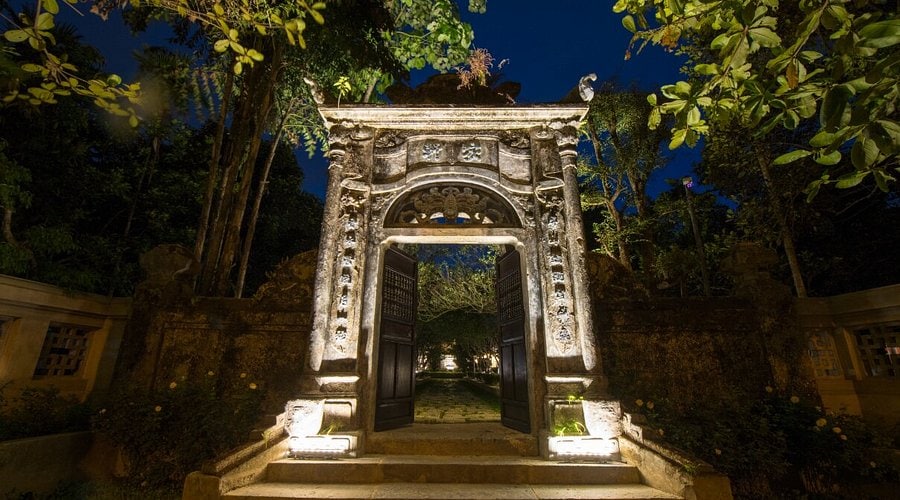
Feng Shui-Inspired in An Hien Garden House

Vernacular Nha Ruong Wood Construction

The primary house at An Hien is constructed in the classic Nhà Rương style that represents the aristocratic style of Hue. This house has a wood structure reinforced with numerous columns from precious woods like jackfruit and ironwood. The joints of these beams and panels have been made in a nail-less manner. The house has an intricate design of floral and symbolic motifs. This indicates a good blend of artistic and cultural values of the royal period.

Vernacular Nha Ruong Wood Construction

Symbolic Interior Spatial Organization

An Hien Garden House has a space that is arranged in a way that has been culturally and spiritually significant for a very long period of time. The middle space is where the ancestors are worshipped in the garden house because of the significant value of filial piety in Vietnamese culture. The living space is on either side of the garden house in accordance with the principle of Tả Nam Hữu Nữ (Men on the left, women on the right), which denotes gender roles in a family setting in a social context.

Garden and Architectural Harmony

An Hien’s architecture must be understood in the context of the garden surrounding the house because the garden is a crucial part of the design concept of the house itself. There are fruit-bearing trees, decorative plants, lotus ponds, and open courtyards skillfully arranged around the house to blend perfectly with the design of the house itself. The garden also plays an essential part in cooling the house and creating a relaxing atmosphere because of the shade it provides.

Garden and Architectural Harmony of An Hien Ancient House

4 Unforgettable Experiences You Shouldn’t Miss

The An Hien Garden House is more than an aesthetically beautiful building. it is an invitation to explore and immerse oneself in the cultural flow of Hue. From quiet garden strolls to meaningful cultural experiences, each visit opens the true heart of the site to the explorer.

Take A Walk Through The Peaceful Garden

Taking a walk through the lush gardens of An Hien is a soothing experience that will bring you closer to nature. The gardens have been laid out with careful thought to include fruit-bearing trees, flowering plants, and shaded walking areas, typical of the gardens in Hue. You will see how the gardens have been designed to achieve balance, lower temperatures, and ensure privacy while walking. Such a peaceful atmosphere is the best place to relax and comprehend the importance of nature to the aristocrats.

The Peaceful Garden of An Hien Ancient House

Discover Traditional House – Nha Ruong Architecture

Entering the main wooden house inside provides an even better insight into the traditional architecture of Hue. You can see from within how the solid wood columns, the wooden beams, and the tiled roofs were combined together using old techniques without the use of one modern nail.

traditional architecture of Hue in An hien garden house

Indeed, every detail testifies to the skilled craftsmanship and cultural symbolism of the Nguyen Dynasty. Being inside helps travelers understand the way in which space, structure, and spirituality are harmoniously combined in the houses of the royal era.

Learn About Royal And Scholarly Heritage

An Hien Garden House also has stories from members of the royal family as well as intellectuals, which have helped preserve its history. By listening to guides or reading about the pieces exhibited, one can learn about the history and impact these historical figures have had on the culture of Hue. This helps bring more meaning to one’s visit, as one gets more than just a view of a beautiful house, but more than that, the history of Vietnam’s aristocrats and intellectuals as well.

Live A Moment Of Hue’s Slow-Paced Way

One of the most memorable experiences at An Hien is the simple enjoyment of the slow, peaceful pace of life it embodies, the reader is told. To sit quietly in the garden, listening to the birds or drinking a cup of tea, is to experience the peace that pervades the Hue culture and land. Such a slow culture is the perfect antidote to the fast pace of travel. An Hien is therefore the ideal place for reflection and cultural appreciation.

Entrance Fee

Hien Garden House – This heritage site in Hue is among the few that are open to the general public without any standard admission fees. Visitors are able to access it without paying fees, and it can be considered a great site to visit when in Hue, especially for those interested in history and culture, without spending any additional fees. However, it would be appreciated to contribute around 1-2 USD in support of preserving such a historic site, wooden structure, and garden surrounding it.

Opening Hours

An Hien Garden House usually opens its gates to visitors from 8:00 AM to 5:30 PM, so finding space for it in most Hue travel schedules shouldn’t be all that difficult. It accepts guests all year round, but the high season in Hue generally runs from March to August, a dry season with more favorable weather conditions for outdoor trips. Meanwhile, the garden will be incredibly green, and some greenery and fruit trees help soothe the place. Visitors should also note that opening hours might change slightly during holidays and special cultural events.

Visiting An Hien Garden House is best done either early in the morning or in the late afternoon when the sun’s heat is not as great, and there are fewer people. These are the perfect moments for one to enjoy the beautiful blending of nature and architecture that An Hien Garden House displays. During these periods, sunlight is soft, and this accentuates the wooden architecture and the landscapes in the garden.

How To Get To An Hien Garden House

The journey to An Hien Garden House is quite easy to make, both from another city and when one is already in Hue. Due to its accessible location and well-connected transport options, it is easy for visitors to plan a smooth journey to this peaceful heritage site.

Travelling To Hue

Hue is easily accessible by air, train, bus, and road transport. If you are flying in, you will land at Phu Bai International Airport (HUI), which is approximately 15-20 km away from the Hue city center. You can then take a taxi or bus from the airport to the city center. Trains and buses also terminate in the city center of Hue, ensuring easier connectivity for you if you are traveling from any of the larger Vietnamese cities of Ho Chi Minh City, Da Nang, or Hanoi.

Travelling To An Hien Garden House

After you reach Hue city center, head toward 58 Nguyen Phuc Nguyen Street in Huong Long Ward, which is the location of An Hien Garden House. This garden house is some 5 km away from Hue city and can be reached using a taxi, motorbike, or bicycle.

Meanwhile, if you are currently situated near Perfume River or Imperial City, you could opt to take main roads such as Bui Thi Xuan and Kim Long Street going west, and then turn right on Nguyen Phuc Nguyen Street until you reach the garden entrance, or you could opt to enjoy the scenic routes along Perfume River using a bicycle

Things To Know Before Traveling To An Hien Garden House

Before visiting An Hien Garden House, here are a few pieces of pertinent information that may help you gain a greater appreciation for your visit. This garden house has significant cultural and spiritual traditions, and preparation for your visit will ensure you appreciate what you see.

Dress modestly and appropriately by selecting clothing that is comfortable and does not reveal shoulders or knees, especially when entering the main house and holy worship areas.

  • You can plan a visit to the temple during cooler portions of the day, such as early morning hours or late in the afternoon, to experience a more peaceful environment and escape the intense heat of Hue.
  • Carefully preserve a quiet and reverent demeanor, as a calm and serene atmosphere is also a requirement when it comes to heritage houses such as An Hien Garden House.

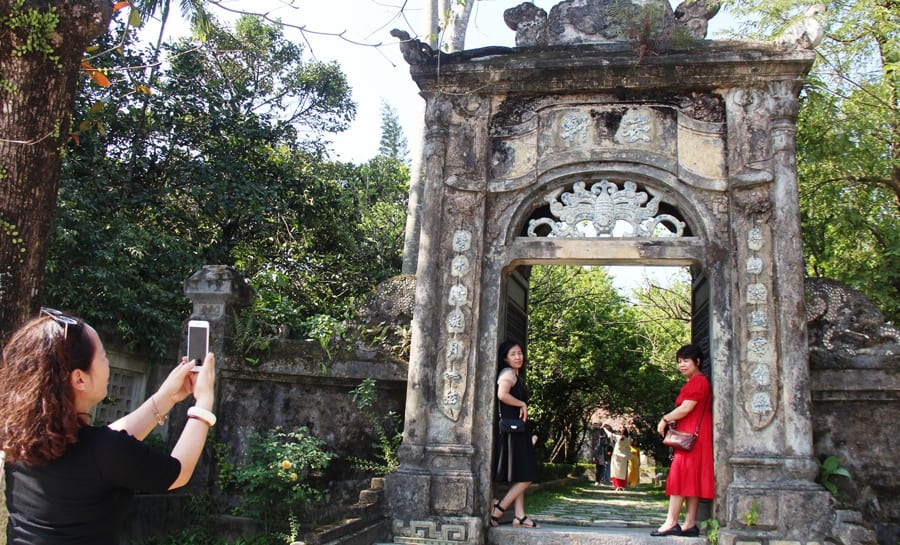
travelers take photos outside the an hien garden house

  • One needs to seek permission to take pictures inside, since there are some places with antiques and family heirlooms that should be treated with privacy and care.
  • Be sure to have some cash set aside for donations, which are gladly accepted in an effort to maintain the wooden structure, garden, and historical items.
  • Refrain from touching artifacts and plants, as the house and garden are filled with delicate objects that require preservation from breakage and handling.

FAQs About An Hien Garden House

If you are about to visit An Hien Garden House, you will have some common questions concerning access, activities you can carry out, and visitors’ guidelines. The FAQs will be helpful in making your trip more convenient and enjoyable.

Is An Hien Garden House worth visiting?

Yes, An Hien Garden House is a place to visit for travel buffs interested in historical sites and gardens in Hue. An Hien Garden House is a good spot for a peaceful cultural excursion away from tourist hotspots. This house is a symbol of the refined lifestyle of the Nguyen Dynasty as well.

How much time should I spend in An Hien Garden House?

Most visitors will spend from 45 minutes to an hour in the house and garden. At this time, you can take a leisurely walk through the grounds, catch some of the architectural details, and simply take your time. Visitors who are nature or art photographers or seek cultural learning will want to consider longer stays. The peaceful environment invites slow exploration.

Can I take pictures in An Hien Garden House?

Photography is allowed, having been permitted to take photos. There could be some rooms indoors whose restrictions could be based on antiques and ancestral relics. Requesting to take the photos would be proper. There should be no flash photography

Final Thoughts: Is An Hien Garden House Worth Visiting?

An Hien Garden House, truly, is a destination well worth a visit to those travelers wanting a more profound and calm experience of the culture of Hue. Its elegant architecture and beautiful garden, with the deep history of this garden house, provide a very authentic insight into the lifestyle of the royals. In contrast to the most popular destinations where one rushes through thronging crowds, An Hien Garden House encourages travelers to take a deep breath and enjoy the perfect harmony of nature and tradition.

Inside Quang Tri Ancient Citadel, Vietnam’s Memory Ground

Quang Tri Ancient Citadel is an important historical landmark that saw many fierce battles when the war broke out in Vietnam. Currently, this structure symbolizes resilience and national pride and is known to attract tourists who value history and culturally rich experiences.

Introduction To The Quang Tri Ancient Citadel

Located at the heart of Quang Tri Province, Quang Tri Ancient Citadel is one of the most significant, as well as evocative, historical sites in Vietnam. In addition to being an ancient citadel, Quang Tri Ancient Citadel is a hallowed ground wherein the realms of historical, cultural, and spiritual value converge. The site has a significant historical connection to the turbulent times in modern Vietnam’s fight for liberation, with the struggle for reunification.

the today peaceful Quang Tri ancient citadel

Today, the quiet grounds of the Quang Tri citadel encourage visitors to pause, think, and reach back into the past emotionally. The quiet ambience, monuments, and landscape of this site bring about a sense of respect and pride, yet at the same time, induce a feeling of curiosity regarding the history concealed within its aged walls. For people who are interested in historical tourism, the citadel is not only a source of education but also a powerful and unforgettable experience.

History Of The Quang Tri Ancient Citadel

The Quang Tri Ancient Citadel has its origins in 1809, and it was built under the reign of the Nguyen Dynasty. Architecturally designed in Vauban style, this citadel served as one of Quang Tri Province’s principal administrative, political, and military hubs. Because of its strategic site on major routes connecting the country from south to north, it also acted as a defensive citadel that safeguarded Central Vietnam. In those years, this citadel lived through many historical events that portrayed the rise and fall of various eras within Vietnamese history.

Quang Tri Ancient Citadel in the intense battle of 1972

Nonetheless, it is the historic importance of the Quang Tri Ancient Citadel as a key backdrop for the intense battle of 1972 that this monument is most remembered for. For 81 days and nights, the citadel went under intense bombing, thereby giving it the historic importance of an emblem of sacrifice and strength. Thousands of soldiers lost their lives defending this outpost, an event that has engraved its image on the memories of the people of Vietnam for posterity. So today, this is one of the best tourism spots in Quang Tri that every traveler should visit once.

Unique Architecture Of Quang Tri Ancient Citadel

Talking about the architectural designs of the Citadel of Quang Tri, it indicates the unique blend of the quality of its architecture and its relevance to its historic and military past, making the citadel one of the most interesting defense structures located in central Vietnam. Constructed in the year 1809 during the reign of the Nguyen Empire, the citadel is seen to be designed on the Vauban plan and is square in shape with thick bricks and earthworks, and an added surrounding moat to increase its defense power.

Unique Architecture Of Quang Tri Ancient Citadel

Inside the citadel, the spatial layout was thoughtfully organized to serve both administrative and military purposes. Government offices, barracks, and ceremonial areas were once arranged in a balanced and functional manner, emphasizing order and authority. Although much of the original architecture was heavily damaged during historical conflicts, the remaining foundations and reconstructed elements still convey a strong sense of resilience and historical continuity. Today, these architectural traces allow visitors to better understand the citadel’s past role and enduring significance.

4 Unforgettable Experiences You Shouldn’t Miss

The Quang Tri Ancient Citadel is more than a historical tourist site because it provides significant experiences to connect visitors with history, culture, and emotions, giving each moment spent in its grounds a chance to embark on a journey of reflection and remembrance.

Back To Time At The Memorial Sector

The visit to the Memorial Sector. This is where one can participate in a ritual to pay respect to those whose lives were lost during the war. One can burn incense sticks here and even pay their respects with a minute of silence. Such a sector is very significant because it is dedicated to the memory of soldiers and civilians who lost their lives during the war. Therefore, the experience is very significant and one that one will never forget.

Memorial Sector in Quang Tri Ancient Citadel

Discover The Citadel’s Historic Walls And Grounds

A slow walk around the existing walls and open space of the Quang Tri Ancient Citadel gives one a glimpse into the historical significance of the citadel. The existing perimeter walls provide a sense of the former citadel’s size and might, and the open space provides an insight into the functional use of the land that once comprised the citadel. The historical significance of the citadel, in terms of it being a crucial military headquarters, can be understood from the architectural aspects visible in the citadel.

Learn History Through Exhibitions And Relics

Inside the Quang Tri Ancient Citadel, exhibition spaces display photographs, artifacts, and historical documents from different periods of the site’s past. These materials provide deeper insight into key events and personal stories connected to the citadel. Through carefully curated displays, visitors can visualize the effort and resilience associated with the struggles endured here. The exhibits transform history into a powerful narrative, helping travelers better understand the sacrifices, determination, and lasting impact of this important historical landmark.

Exhibitions And Relics Inside the Quang Tri Ancient Citadel

Experience The Citadel At Sunrise Or Sunset

In fact, a visit to the Ancient Citadel of Quang Tri during the early mornings or late afternoons can lead to a tranquil ambiance. During that time of day or evening, for that matter, the soft sunlight shines on the structure or commemorative areas of the ancient citadel. Nothing beats a moment of solitude to reflect on history during a visit to a former war site. Visit it during sunrises or sunsets for that solitude.

Entrance Fee

Entrance Fee at Quang Tri Ancient Citadel is another factor that pulls many visitors toward this historical site. At present, there is no entrance fee for the Quang Tri Ancient Citadel tourist sites, allowing visitors to roam on the grounds for free. Therefore, this historical site is an ideal choice for any war historians who want an inexpensive experience.

But if visitors want to make an incense offering at the monument side, they can pay an incense offering fee of 350,000 VND for a group of visitors, or around 14-15 USD. This charge may cover incense, flowers, as well as donations for doing the incense offering ritual.

Opening Hours

It is worth noting that the Quang Tri Ancient Citadel remains operational from 7:00 AM to 5:00 PM every day, including weekends and national holidays. One of the greatest advantages offered by this tourist site is the opportunity to freely roam around the facility in its open environment.

The optimal time for a visit to the Quang Tri Ancient Citadel is between March and August, when the Quang Tri region is in its dry season. During this time, sunlight and a clear atmosphere enable tourists to freely walk through the open grounds, along the ancient walls, and in the memorial zones.

the gate to Quang Tri Ancient Citadel

Early morning or late afternoon is strongly recommended if one wants a more peaceful and reflective experience. Visiting at these quieter times of the day lets you avoid the heat and the crowds while fully appreciating the tranquil, sacred atmosphere of the citadel.

How To Get To The Quang Tri Ancient Citadel

Access to the Quang Tri Ancient Citadel is very easy due to the strategic position of the location, coupled with a good transport network. Whether one chooses to fly or is already within the province, it is easy to reach the destination through flexible routes that suit one’s budget.

From Dong Hoi Airport To Quang Tri

Transportation from Dong Hoi Airport to Quang Tri is easy and convenient for people visiting central Vietnam. Another option is to take a taxi or private car from Vung Duy, which is 95 km from Dong Hoi Airport (VDH). It takes 2 to 2.5 hours to get to Quang Tri via National Highway 1A. Road conditions are good for a smooth drive and are ideal for travelers with heavy luggage or limited time for journeys. Alternatively, people can choose to travel to the center of Dong Hoi City and then go to Quang Tri by train or intercity buses that come and go all day.

Local Transportation To The Citadel

Getting to the Quang Tri Ancient Citadel via local transportation is convenient and suitable for all tourists. Being situated in Quang Tri Town, Quang Tri Ancient Citadel can easily be reached within a few minutes from any accommodation in taxis, motorbike taxis, or by renting a motorbike by all tourists. The taxi service is best for family or group tourists, as it is more comfortable and priced clearly. Otherwise, motorbikes can be ideal for those traveling alone with flexible routes and plans. For those staying near the historical site, even walking can be an ideal way to explore Quang Tri Town.

Things To Know Before Traveling To The Quang Tri Ancient Citadel

Before going to the Quang Tri Ancient Citadel, you should prepare yourself with several tips that would make your trip more enjoyable and informative. This is particularly important if you are not aware of certain facts about the weather, cultures, or other aspects that you may encounter during your visit to the ancient site.

  • Visit early morning or late afternoon to avoid the strong heat and large crowds, and enjoy a more peaceful atmosphere.
  • Wear comfortable clothing and sturdy walking shoes because the citadel grounds are spacious and require considerable walking effort.
  • Dress modestly and behave respectfully, as Quang Tri Ancient Citadel is a solemn historical and memorial site for visitors.
  • Bring drinking water, sunscreen, and a hat, especially in summer, since shade is limited around the complex areas.
  • Check weather forecasts in advance because heavy rain or flooding can affect outdoor exploration and photography plans significantly.
  • Read about the citadel’s wartime history beforehand to better understand its significance and appreciate the visit emotionally more deeply.
  • Plan to combine this stop with nearby Dong Ha attractions to save time and create a richer itinerary.

FAQs About Quang Tri Ancient Citadel

As you prepare for your trip to the Quang Tri Ancient Citadel, you might be wondering some questions in your mind. The following questions and answers would be helpful to you for a smooth trip to the destination.

What is the best time of year to visit the Quang Tri Ancient Citadel?

The optimal time to visit the Citadel of Quang Tri is from March to May and September to November, when the climate is relatively pleasant and dry. Temperatures are pleasant enough to go out for sightseeing during these months. It might be too hot during the summer months. Rain can cause flooding during the rainy season, which may hamper sightseeing for tourists.

Back To Time At The Memorial Sector

How much time should visitors spend exploring the Quang Tri Ancient Citadel?

Most visitors spend about an hour or two around the Quang Tri Ancient Citadel, at a very leisurely pace, to be able to have time for a casual walk around the historic premises, read the notices, see the memorial areas, and take some snapshots. Travelers who have a deeper interest in history or in contemplation may want to linger longer, especially if their trip can be combined with nearby museums or local attractions in Dong Ha City.

Final Thoughts: Is the Quang Tri ancient citadel Worth Visiting?

The Ancient Citadel in Quang Tri is an important location for all travel enthusiasts who want to know about the culture, history, or Vietnam War heritage. This ancient citadel is a symbol of the resilience and sacrifices made by the people during that time, as conveyed by the stories related to the Vietnam War. A visit to the ancient citadel in Quang Tri will help travel enthusiasts investigate expanses, memorial places, and historic relics while also deepening their understanding of culture. For all your travel-related needs, choose Seni World for an authentic visit to Quang Tri.

Khe Sanh Combat Base Travel Guide & Historical Overview

The Khe Sanh Combat Base, situated in Quang Tri Province, is an important historical site of the Vietnam War that was crucial in the siege of 1968. Currently, it is visited by people who are interested in history and who seek meaningful experiences in their travels.

Introduction To Khe Sanh Combat Base

The Khe Sanh Combat Base is a notable landmark in Quang Tri Province, as it is inextricably linked to the Vietnam War era. This base was an important military center during the intense 1968 siege, but has since been converted into an outdoor museum. Visitors can view authentic equipment such as planes, tanks, and bunkers that help to recreate the experience of that period in history. This base is surrounded by serene hills and expansive land, providing a striking contrast between its turbulent past and its tranquil present.

Khe Sanh Combat Base is a notable landmark in Quang Tri Province

Visiting the Khe Sanh Combat Base is more than just a stop on the map, as it encourages a more intimate experience with Vietnam’s history, all while immersing yourself in a significant cultural experience. It’s a place that will speak to those interested in war history, interested in learning, and interested in a more reflective travel experience, as opposed to something more entertaining.

Located in western Quang Tri, it’s a convenient jumping-off point for other meaningful excursions, such as visiting ethnic minority villages and mountain roads. If you’re looking for a place that’s rich in history and learning, then the Khe Sanh Combat Base should definitely be on your list of places to visit in Quang Tri.

History Of Khe Sanh Combat Base

Khe Sanh Combat Base was originally established in the early 1960s as a military outpost in the Vietnamese province of Quang Tri, nestled against the western boundary close to the Laotian border. It served as an important center for the regulation of roads throughout the Vietnam War. The base gained international notoriety during the 1968 Siege of Khe Sanh, which was one of the longest battles of the Vietnam War. After the bombing and fighting, the location became synonymous with the best of war strategy and the worst of war’s high cost. Today, you can visit the remains of the location in the form of crumbling runways, bunkers, and abandoned aircraft.

Khe Sanh Combat Base was originally established as a military outpost

Long before the conflict came to this place, the hills around Khe Sanh were inhabited by ethnic minorities, Bru-Van Kieu and Paco, who have called these mountains in Quang Tri Province home for generations. These people have a rich cultural heritage, their houses built on stilts high off the ground, their farming traditions passed down from their ancestors, their way of life closely tied to the land. They add a cultural depth to the story of this place, a reminder that this is a place of battle but also a place with a long cultural history.

Top 4 Iconic Attractions In Khe Sanh Combat Base

The site points to several prominent locations within Khe Sanh Combat Base, each area being associated with an important strategic event in the base’s history. Visiting these locations will help visitors understand the importance of the site in the military history of the world.

Khe Sanh Airstrip

The airstrip at Khe Sanh Combat Base is arguably one of its most identifiable features to this day. The airstrip at Khe Sanh Combat Base was a lifeline during the Vietnam War, bringing in troops and supplies, and evacuating the wounded under heavy fire. Walking down the length of this runway, it’s almost possible to feel the scale of the activity that once took place here. The runway helps to illustrate the strategic location of Khe Sanh to anyone visiting the site.

Khe Sanh Airstrip

Aircraft And Military Vehicles Display

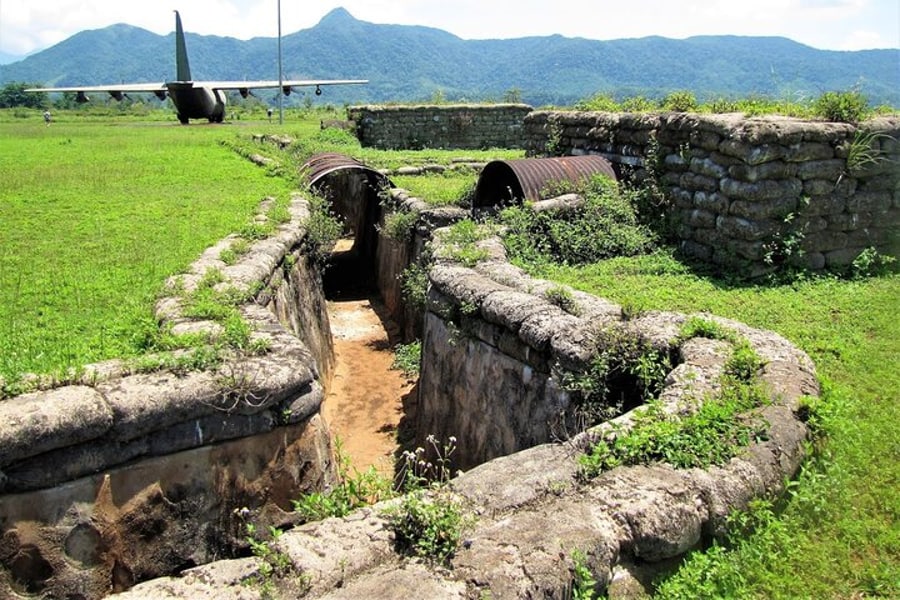
One of the most interesting things about the site is the outdoor display of the war-era aircraft and equipment, which can be found in the exact location that the equipment was in during the war. You can expect to see transport aircraft, helicopters, and tanks arranged in the location that they were in during the conflict. This makes for an educational experience that can be had without the need to take a guided tour.

Aircraft And Military Vehicles Display

Bunkers And Defensive Structures

Throughout the base, bunkers, trenches, and other defensive structures that have been restored give a glimpse into what life was like for the soldiers during the siege. Walking through these areas provides a personal and intimate experience with history, making the events seem real rather than simply historical.

Bunkers And Defensive Structures

Khe Sanh Combat Base Museum

Inside the Khe Sanh Combat Base, there is a museum that features photographs, maps, documents, and artifacts related to the Siege of Khe Sanh. By visiting this museum, one is able to get a clear idea about the context of the battle, as well as its significance in the Vietnam War.

4 Unforgettable Experiences You Shouldn’t Miss

These experiences allow visitors to explore further beyond what is normally seen during their visit to Khe Sanh Combat Base. Each experience offers a slice of history, culture, and nature, making for a more rounded experience for travelers to Quang Tri Province.

Walk Through The Historic Battlefield

The only way to really understand the scope and ferocity of the Khe Sanh Combat Base is to walk the battlefield itself. You can walk at your own pace through the old airstrip, trenches, and defense areas and really understand how the base functioned. Walking on the actual ground where these events took place gives you a personal and emotional connection to the events that took place in 1968.

Visit The Museum And Outdoor Exhibits

To really understand the history associated with the Khe Sanh tale, it is important to explore both the museum and the outdoor displays. As a visitor, you will be able to view various pieces of equipment, military gear, and even airplanes. All these will help you understand various military approaches and reasons why Khe Sanh was so important on a global scale. By moving away from a simple viewing experience and into a learning experience based on historical facts, the visit becomes educational.

Outdoor Exhibits in Khe Sanh

Learn About Local Ethnic Culture Nearby

By exploring the surrounding Bru and Van Kieu villages near Khe Sanh, one can gain a more textured understanding of the area and the people who have lived there for generations. These people have made this land home for a very long time and have lived there through the rhythms of farming and everyday life. By being with them, one gets a sense of how the people lived before, during, and after the war, and how Khe Sanh is not just a point on a map, but a living and breathing community with a history.

Enjoy the Scenic Mountain Landscapes

The Highlands surrounding the Khe Sanh location have a memory of their own. The rolling hills, coffee groves, and winding mountain roads blend into a serene and peaceful scene that is vastly different from its turbulent history. Taking in the scenery at a slower pace allows travelers to relax and enjoy the natural beauty of the highlands in western Quang Tri Province.

Khe Sanh Hills in Quang Tri

Entrance Fee

If you are a traveler on a tight budget, then Khe Sanh Combat Base is one place that you should consider visiting, as it is very affordable. The cost to visit is about 50,000 VND, which is about 2 USD. It is well worth it as you are getting access to the museum, outdoor displays, bunkers, and many other historical relics that are located throughout the combat base.

Opening Hours

The Khe Sanh Combat Base is open daily from 7:30 AM to 5:00 PM, providing you with ample time to explore the museum and the outdoor relics. If possible, try to visit the base early in the morning to avoid the heat and get a better view of the old airstrip. It is open throughout the year and does not close on public holidays.

The best time for viewing the Khe Sanh Combat Base is during the dry season, which includes the months of March to August in Quang Tri. This is the best time as the weather is good for outdoor activities and for enjoying the surroundings. This is also the peak season, and access to the combat base is easy. The rainy season includes the months of September to December, during which access to the combat base is restricted.

How To Get To Khe Sanh Combat Base

Different ways of reaching the Khe Sanh Combat Base are discussed to make it easy for foreign visitors to reach the site. For the purpose of planning, approximate costs and times are provided to help visitors plan their trip to the important historical site in Quang Tri.

Departure Point & Transport Travel Time Estimated Cost (USD) Notes
Dong Ha → Khe Sanh (Motorbike) 1 to 1.5 hours 5 to 8 USD (fuel) Scenic route via National Route 9, suitable for experienced riders
Dong Ha → Khe Sanh (Private Car/Taxi) 1 to 1.5 hours 30 to 40 USD Comfortable option for groups or families
Dong Ha → Khe Sanh (Local Bus) 1.5 to 2 hours 2 to 4 USD Budget-friendly, schedules may vary
Hue City → Khe Sanh (Bus) 2.5 to 3 hours 4 to 6 USD Daily buses available, limited evening departures
Da Nang → Khe Sanh (Car/Bus) 4 to 5 hours 25 to 40 USD Best combined with an overnight stay

Travel Notes: If you are on a motorbike, you need an international license or a Vietnamese license, and you must wear protective gear. On mountain roads, it is best to avoid night driving and check the weather forecast in advance.

Things To Know Before Traveling To Khe Sanh Combat Base

These travel tips are very useful and helpful for anyone who wants to have a smooth and meaningful trip to the Khe Sanh Combat Base. Knowing the important details before embarking on a visit to this historical site will ensure a safe and comfortable experience.

  • Wear supportive footwear as there will be much walking and rugged terrain outdoors.
  • Bring your own water and sunblock since there is not much shade, and it can become extremely hot during the dry season.
  • Ensure to respect the historical site by keeping it quiet, not climbing on the artifacts, and not touching the military equipment preserved from years ago.
  • Bring enough VND for cash to pay for items, because some of the local shops or services may not accept credit cards or foreign currency.
  • Prepare transportation before your arrival, especially if travelling via bus; bus transport schedules to Khe Sanh are quite limited.
  • When on a tour, ensure that you visit the area’s attractions, so that you can maximise your time whilst at the same time making your trip productive.

FAQs About Khe Sanh Combat Base

These are some of the FAQs and are intended to assist international visitors in understanding the historical significance of the Khe Sanh Combat Base and what they can expect from their visit. The Q&A section is useful for first-time visitors as it provides information regarding the significance of the combat base and what they can expect from their visit.

What is the historical importance of Khe Sanh Combat Base?

Khe Sanh Combat Base is well known for the Siege of Khe Sanh, which was one of the bloodiest battles in Vietnam War history. Its proximity to the border with Laos makes it a strategically important place. Today, its well-maintained runway and bunkers give an insight into military strategy from that time and its place in Vietnam’s recent past.

How much time does it take to visit the Khe Sanh Combat Base properly?

It should be mentioned that most visitors only need one or two hours to explore Khe Sanh Combat Base adequately. This allows you sufficient time to walk along the runway, visit the various military relics outside, and visit the museum without feeling rushed. The area is not extremely large and is well-organized, making it easy for visitors to explore on their own and appreciate its importance.

Is Khe Sanh Combat Base suitable for families and older travelers?

Yes, it is a good place for families and seniors, as long as they are comfortable with a brief walk. The paths are flat and easy to follow, and the main exhibits are not difficult to access. Although the theme is based on wars, the place is serene and inviting for those who are interested in cultures and history.

Final Thoughts: Is Khe Sanh Combat Base Worth Visiting?

Khe Sanh Combat Base is one of the most significant places to visit for those interested in exploring the more recent history of Vietnam, as well as immersing themselves in the authentic highland landscape. The location itself is a peaceful haven of war history, providing an opportunity for both education and relaxation. The cost of entry is very reasonable, and it is relatively easy to get to from central Vietnam, which is a great advantage for foreign tourists. If you are looking for a journey that will connect you with the most important historical points in Quang Tri Province, consider visiting Khe Sanh Combat Base with Seni World.
Ben Hai River: A Symbol Of Vietnam’s History And Reunification

Ben Hai River is a historically significant river located in the central part of Vietnam. Traditionally, this river separated North and South Vietnam, although this division was not permanent. Today, the river has come to symbolize peace, hope, and reunification.

Introduction To Ben Hai River

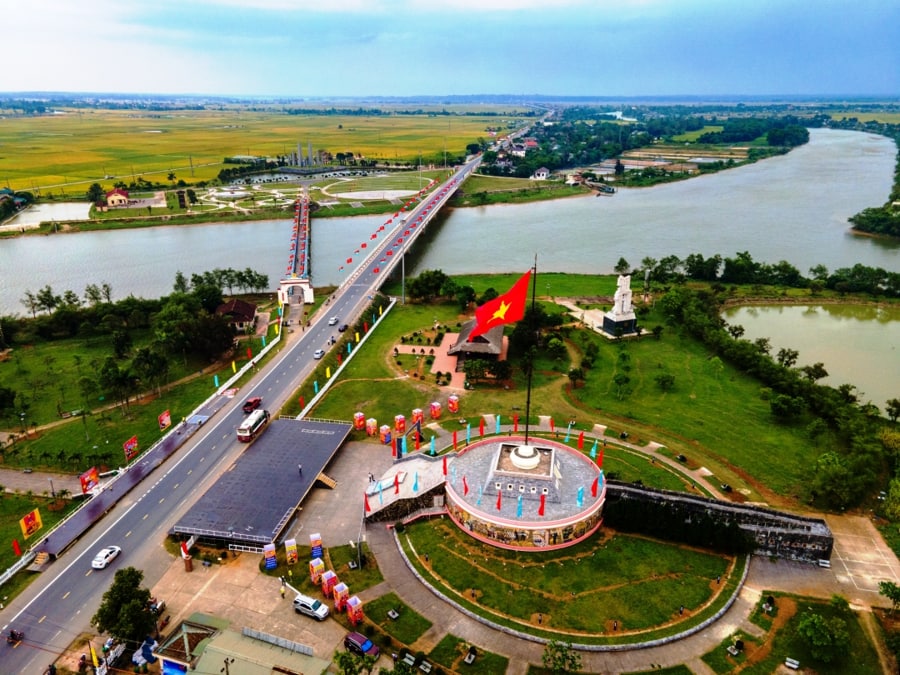
Ben Hai River is one of the most popular and iconic rivers in central Vietnam and is commonly recognized due to its historical importance and serene landscape. The Ben Hai River passes through Quang Tri Province and was once a temporary dividing line between North and South Vietnam during the war. Currently, the Ben Hai River draws the attention of tourists due to its serene look and presence of popular spots such as Hien Luong Bridge and the former demilitarized zone (DMZ), which provides a quiet environment with a stark contrast to its history.

Ben Hai River is one of the most popular and iconic rivers

Travelers can benefit from visiting the Ben Hai River because it will give them an insight into the journey towards the reunification of Vietnam, while at the same time providing them with an enjoyable travel experience. The Ben Hai River is best suited for historical tourism, photography, and educational tourism. Walking along the river or visiting any of the museums will give one an opportunity to connect with the history of the country in a respectful way. Ben Hai River is not only a place to see but also a place to feel.

History Of The The Ben Hai River

The Ben Hai River has been very instrumental in the history of Vietnam, particularly in the mid-20th century. After the Geneva Accords of 1954, the Ben Hai River became a natural border near the 17th parallel, temporarily separating North and South Vietnam. As a result, the Ben Hai River and the Hien Luong Bridge, which are near each other, became symbols of division, conflict, and politics. Despite its small size, the Ben Hai River has seen major events in history, which have all led to the reunification of Vietnam in 1975.

History Of The The Ben Hai River

For many centuries prior to this era, the inhabitants of the area around the Ben Hai River lived through agriculture, fishing, and river trade. The region has been predominantly inhabited by the Kinh ethnic group, as well as several ethnic minorities, such as the Bru-Van Kieu and Pa Ko, who preserve their own cultural traditions and customs. The historical affinity of these people with the river is a testament to their reverence for nature.

Top 3 Iconic Attractions In Ben Hai River

Ben Hai River is not only historically significant but also features various iconic attractions that collectively create a significant travel experience. Every site on the Ben Hai River represents a unique part of Vietnam’s history, culture, and natural splendor, making the area an essential travel destination in Quang Tri Province.

Hien Luong Bridge

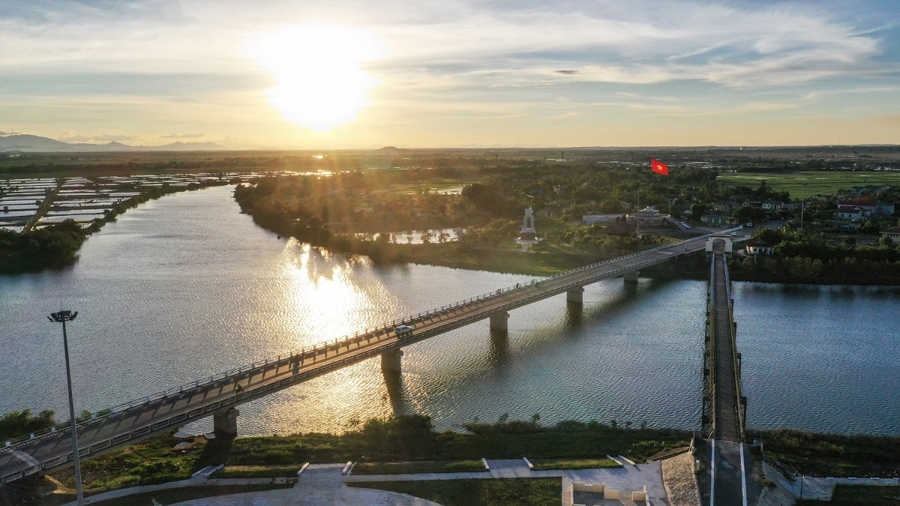
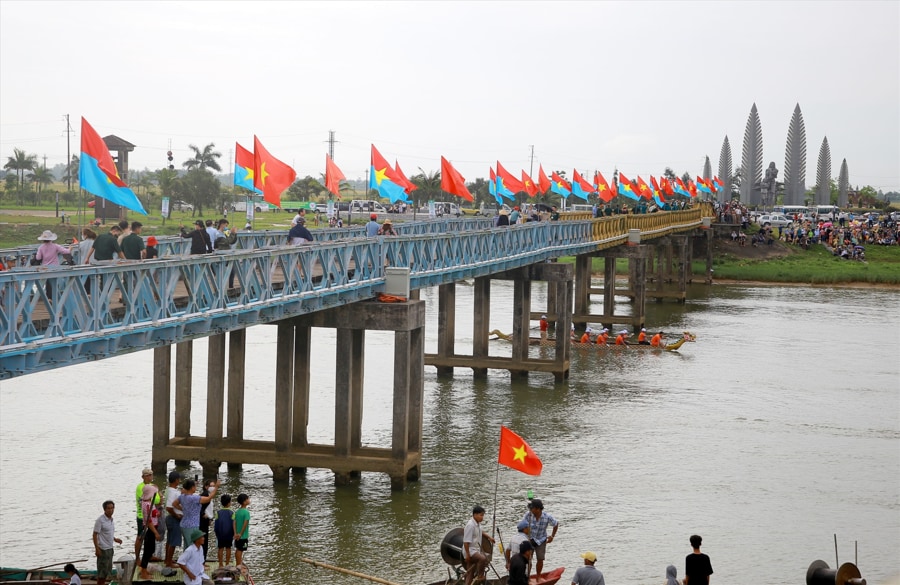
One of the most significant activities to do at Quang Tri is walk across the Hien Luong Bridge. The Hien Luong Bridge was once the line that separated North and South Vietnam. The bridge is a symbol of reunification and is a significant place to visit. One can read about the historical significance of the bridge and its color-coded design, as well as take some great photos.

Hien Luong Bridge crosses the Ben Hai River

DMZ Historical Sites

There are various historical sites around the Ben Hai River area that are significant in the context of the DMZ in Vietnam. Some of the historical sites include museums and monuments that provide insights into life and strategies adopted during the war and the resilience of the locals. This is a great experience for history buffs who are interested in visiting historical sites in Quang Tri Province.

DMZ Historical Sites

Ben Hai Riverbanks

Taking a stroll along the Ben Hai Riverbanks is a great way to experience a serene environment that is in contrast to the historical significance of the region. The riverbanks provide a flat and open landscape that is perfect for sightseeing and taking photos. This is an activity that is ideal for travelers who are interested in slow travel.

5 Unforgettable Experiences You Shouldn’t Miss

Quang Tri is home to many wonderful historical sites and picturesque scenery, but it is also a place where people can find an authentic connection to the stories, culture, and daily life of the area. Through these types of memories, you can have an experience that will take you beyond just looking at the sights and allow you to discover the true essence of this beautiful province.

Try Local Quang Tri Cuisine

Eating local food near the Ben Hai River is a must-do experience for any traveler who wants to experience the authentic flavors of Quang Tri Province. The simple but delicious food made from fresh local ingredients is an experience that reflects the life of the locals near the river. The experience of eating traditional food while listening to stories is a cultural experience that helps any traveler understand the relationship between food, history, and the land.

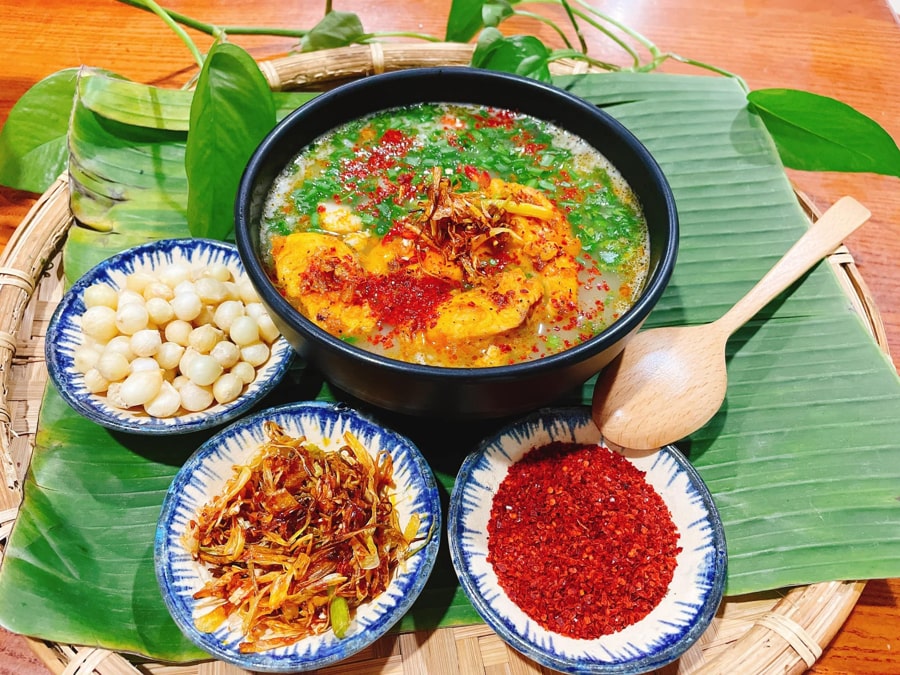
Chao Ca Vat Giuong (Flathead Fish Porridge)

Visit Hien Luong Bridge And Historical Sites

A trip to Hien Luong Bridge and the historic sites around is one that will stay with you. Walking over the bridge, seeing the relics that have been preserved, and spending time in the museums nearby is a way to absorb the years of separation and the journey to reunification. Each destination is a loud voice through pictures, relics, and individual memories that bring history alive. It is more than just a sightseeing adventure—it is a powerful connection to the history of Vietnam and gives meaning to your journey along the Ben Hai River.

Walk The Line That Once Divided a Nation

Take A Walk And Relax By The River

Walking quietly alongside the Ben Hai River is an invitation to stop and breathe deeply, to take a slower pace, and to actually absorb the beauty of the scene. The river flows quietly, the riverbanks are emerald green and lush, and the sky above appears to stretch wide and untethered, all combining to create an environment that makes one feel far removed from the stresses of daily life. It is almost surprising to think that this tranquil environment was once sharply divided on a map during a time of war. This tranquil scene is now alongside a history that was far from tranquil.

Learn About Local Life And Traditions

Engaging with people along the Ben Hai River will bring you face-to-face with the pulse of culture in the region. Observe how people live their daily lives, engage in conversation with them, and learn about their culture, which has withstood the test of time. You will feel, in a way, how the river has influenced their lives over time, not just by reading about it in museums. It’s not just sightseeing; it’s seeing Quang Tri Province from their point of view.

Capture Meaningful Travel Photos

Photography along the Ben Hai River is not just taking pictures of things; it is an experience where nature and history blend in every single shot. The landmarks, the sky, and other features such as Hien Luong Bridge provide an endless array of opportunities that are not just beautiful but also significant. The early morning sunlight or the golden hues of a setting sun can perform magic, especially on the water, making your pictures warm and endowing them with beauty. It is an experience that is not just memorable but also visually unbeatable.

Hien Luong Bridge

Entrance Fee

You do not have to pay a penny to visit the Ben Hai River. There is no entry fee required to walk along the river, enjoy the scenery, or visit the Hien Luong Bridge area. Because of that, Ben Hai River is a great place for school trips, for solo travelers, or for those who are interested in visiting a culturally important place in Vietnam for free.

Opening Hours

The Ben Hai River area is an open historical and natural site, and there are no set hours or a closing time. The hours for the Hien Luong Bridge and the exhibition houses are generally in the morning and winding down in the late afternoon, and these are the best times to schedule a visit. The morning and late afternoons are the best times to visit, not just because of the smaller crowds, but also because of the good weather during these times.

Ben Hai River area is an open historical and natural site

The best time to visit Ben Hai River is during Quang Tri’s dry season, which ranges from March to August, when the weather conditions are favorable and pleasant for outdoor activities. The peak season to visit Ben Hai River ranges from April to July, as it falls during summer vacations and historical anniversaries. It is advisable to visit Ben Hai River on weekdays or early in the morning to avoid crowds and to have a quiet and contemplative experience.

How To Get To Ben Hai River

The Ben Hai River is situated in Quang Tri Province. The river is easily accessible from major cities near the river, such as Dong Ha and Hue. Tourists have various options to choose from based on their budget and time. The following is a simple guide to assist tourists in their journey.

Transportation Type Departure Point Travel Time Average Cost (One Way)
Private Car / Taxi Dong Ha City 30 to 40 minutes 400,000 to 600,000 VND (17 to 25 USD)
Motorbike Dong Ha City 40 to 50 minutes 50,000 to 100,000 VND (2 to 4 USD)
Tour Bus / Shuttle Dong Ha / Hue 1 to 3 hours 150,000 to 300,000 VND (6 to 12 USD)
Private Car / Taxi Hue City 2.5 to 3 hours 1,200,000 to 1,600,000 VND (50 to 67 USD)

It is recommended that when traveling by motorbike, the visitor should have a driving license. This is because some roads may be narrow. Additionally, it is recommended that visitors check the weather forecast. When traveling independently, it is recommended that the visitor wear protective clothing and carry water. The guided tour is recommended for first-time visitors.

Things To Know Before Traveling To The Ben Hai River

Before going to Ben Hai River, it is a good idea to mentally and physically prepare. Preparing will help you understand the importance and environment of the site, making your visit to one of Vietnam’s most iconic landmarks a smooth and respectful one.

  • Wear clothes that are modest and comfortable, especially when visiting the historical sites and memorial areas, since the place is of great significance to the country’s history.
  • It is best to go there in the early morning or late afternoon to enjoy the cool climate, good light, and favorable weather for walking and picture-taking.
  • Don’t forget to bring water, sunblock, and a hat, since the area by the river and the historical sites do not have much shade.
  • Be mindful of the signs and structures in the area; refrain from climbing, touching, and making too much noise.
  • Check the weather first before going, especially during the rainy season, since the rain can be heavy and may cause problems with the road.
  • Visit the DMZ sites to further understand the significance of the Ben Hai River.

FAQs About Ben Hai River

Ben Hai River is one such place that is known for its historical significance and often raises a series of questions among new visitors. Here are some of the common questions asked about the Ben Hai River to facilitate easier planning for new visitors:

Is the Ben Hai River worth visiting if I am not a history expert?

The Ben Hai River is definitely a place worth visiting, even if you are not a history buff. The river provides a peaceful and meditative environment, famous landmarks such as the Hien Luong Bridge, and a gentle learning experience about the historical significance of the place. This is an ideal place for casual travelers, especially families, looking for interesting sites to visit.

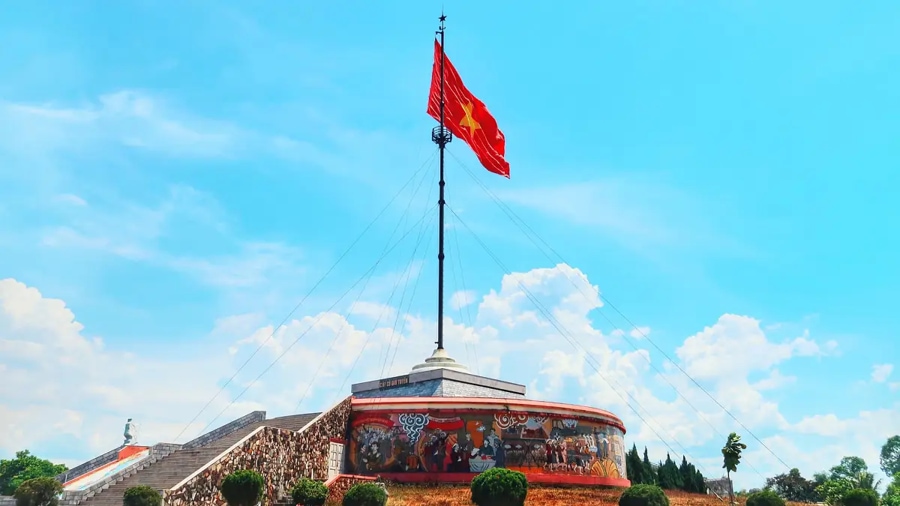
Vietnamese flag on the hien luong bridge

Is the Ben Hai River suitable for independent travelers?

The Ben Hai River makes it an ideal destination for backpackers or individuals traveling alone since this is an open area that offers easy access and good navigation. All visitors can come to this location, including the bridge and its surroundings, without the requirement of a tour guide or paying any entrance fee. The Ben Hai River is also a very accessible site with no limits, making it perfect for independent travelers who want to visit this area when they wish.

Final Thoughts: Is Ben Hai River Worth Visiting?

Ben Hai River is definitely worth visiting for travelers who want to have an impactful destination that offers history, culture, and serene surroundings. The high symbolic value of the place as a former dividing line, coupled with the iconic presence of Hien Luong Bridge, provides an insight into Vietnam’s path to unification. The serene surroundings of the river make it an ideal place to reflect, click pictures, and enjoy slow travel. To have a well-planned and impactful journey, let us at Seni World help you to discover Ben Hai River in the most authentic way.

Hien Luong Bridge: The Historic Line That Once Divided Vietnam

The Hien Luong Bridge, which spans the Ben Hai River in Quang Tri Province, is an iconic historical site in Vietnam. It was formerly a physical demarcation that divided Vietnam into North and South, but now represents the unity, peace, and strength of the country and people of Vietnam.

Introduction To Hien Luong Bridge

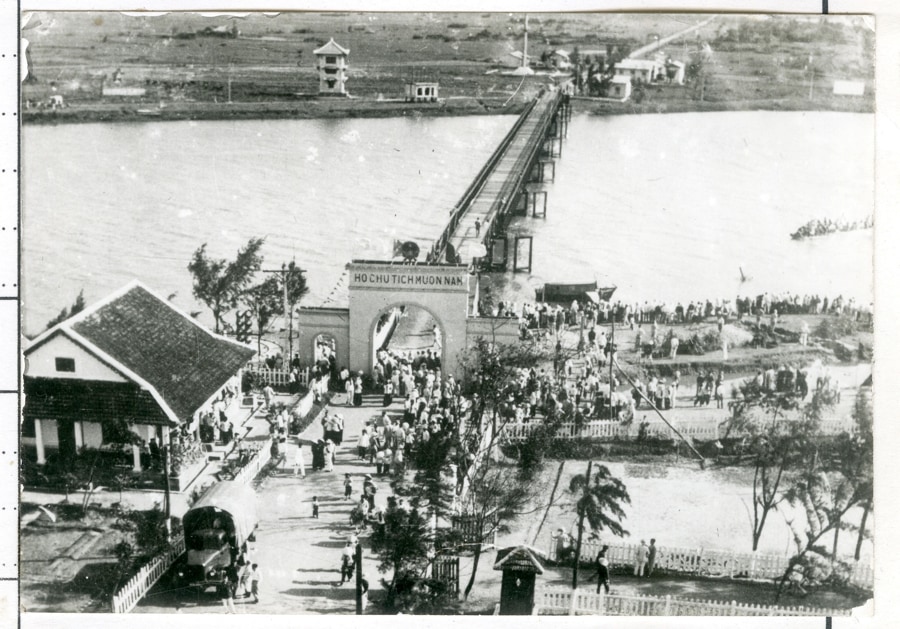
The Hien Luong Bridge, located over the Ben Hai River in the Quang Tri province of Vietnam, stands as one of Vietnam’s most important historic sites. Initially constructed during the French colonial era, the Hien Luong Bridge was designated the ideological divide between North and South Vietnam at the 17th Parallel under the 1954 Geneva Accords. For over twenty years, the Hien Luong Bridge served as a militarized front for both ideologies, propaganda differentiators, and emotional congestion for families and communities on opposite banks of the river.

Hien Luong Bridge crosses the Ben Hai River, Quang Tri

Today, the Hien Luong Bridge is a strong reminder of the pain Vietnam endured during its struggle to unite into a country of peace. The Hien Luong Bridge has been restored with its distinguishing feature of two different colours representing the former divided country. Today, the Hien Luong Bridge is a part of the larger historical complex, new museums, monuments, and a location for memorialisation. Visitors will see the Hien Luong Bridge to learn about the historical chapter of Vietnam and will be able to reflect on the strength, sacrifices, and aspirations for unification that formed the nation.

History Of Hien Luong Bridge

Hien Luong Bridge commemorates the spot where the 17th parallel was temporarily established as the boundary between North and South Vietnam in accordance with the Geneva Accords in 1954. During the period from 1954 to 1975, this bridge and the Ben Hai River experienced years of separation and struggle, as well as the reunification spirit of a nation.

History Of Hien Luong Bridge

The Ben Hai River is 100 km long and stretches from its origin in the Truong Son Mountains along the 17th parallel to the coastline at Cua Tung beach. Its original name is Minh Luong, but it was renamed Hien Luong during the Nguyen dynasty period due to a taboo on its original name during the reign of the Minh Mang Emperor. The Hien Luong Bridge has been rebuilt many times since its original construction in 1928 and is well-known for its historic events, such as the symbolic “flag rivalry” and “loudspeaker battles” between the two sides.

Today, the Hien Luong – Ben Hai River complex has been recognized as a Special National Monument (since 2013) and is also a prominent destination in tours of Vietnam’s DMZ (Demilitarized Zone). By visiting this destination, tourists get a chance to visit historic sites as well as take a moment to reflect on the values of peace, independence, and national unity.

Top 7 Iconic Attractions In Hien Luong Bridge

Stretching some 15 kilometers on both banks of the Ben Hai River, the Hien Luong heritage site boasts a number of important historical landmarks in Quang Tri. It is here that the story of division, survival, and the reunification of the nation comes alive.

Hien Luong Bridge

The most iconic landmark in this region is the Hien Luong Bridge, which is almost 183 meters long and has seven spans and a pavement made of ironwood that has been repainted in different colors to denote the division between North and South Vietnam. One can almost visualize the painful years when this region was separated and then rejoined when this landmark was repainted blue to denote reunification in 1975. The Ba Dinh Square is another historic landmark in this region.

Hien Luong Bridge

Hien Luong Flagpole

Situated on the north bank, the Hien Luong Flagpole stands 38 meters tall, featuring a massive flag of Vietnam measuring 75 square meters. This flagpole marked the beginning of the “flag rivalry,” in which both sides continuously erected flagpoles as a symbol of national pride. The flagpole has become a powerful symbol of the unity, resilience, and determination that the Vietnamese possess.

Hien Luong Flagpole

Loudspeaker Broadcasting System

Loudspeakers on either side of the river contributed substantially to psychological warfare during times of separation. The northern bank contained five distinct clusters of loudspeakers providing 7,000 watts of audio capacity that transmitted music and speech across the river to the southern bank. A visitor to this location can gain insight into how noise, language, and ideas were weaponised against one another during one of the most volatile moments in Vietnam’s past.

Hien Luong Police Station

The Hien Luong Police Station, located at the north end of the bridge, has been restored to its original 1955-1967 appearance. Three V-shaped buildings comprise the facility; these same structures served as locations for high-level diplomacy and monitoring activities. Additionally, inside, patrons can view the intense and anxious exchanges that occurred on the front lines of the national separation.

Monument Of The Aspiration For Reunification

The southern shore houses the Aspiration to be Reunited Monument, which artistically represents, both powerfully and eloquently, the desire for unification shared by many families on both shores of the river. The monument’s design conveys the emotional turmoil of family members due to their inability to be together and the longing for peace to reunite families. Therefore, it is one of the most poignant places located within the Hien Luong complex.

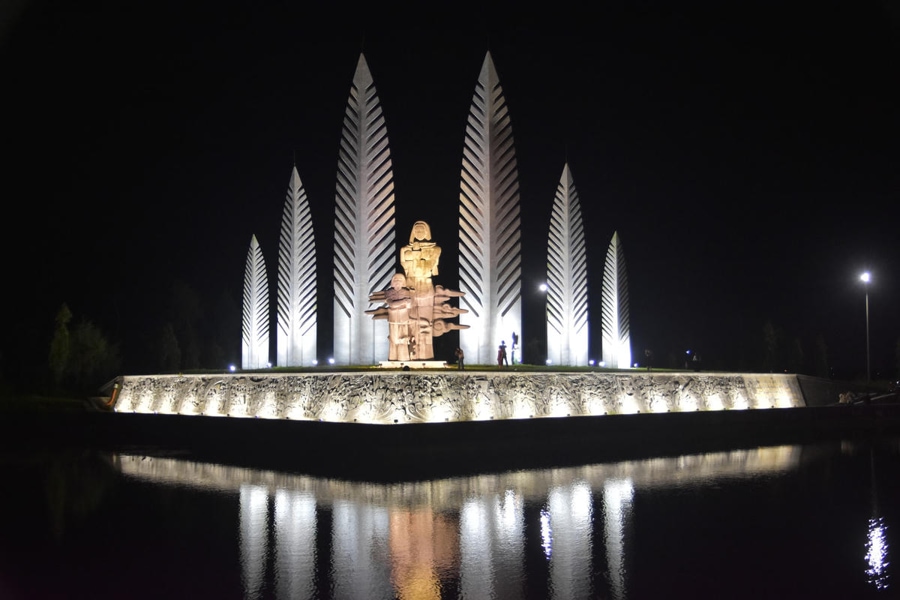
Monument Of The Aspiration For Reunification

17th Parallel Museum

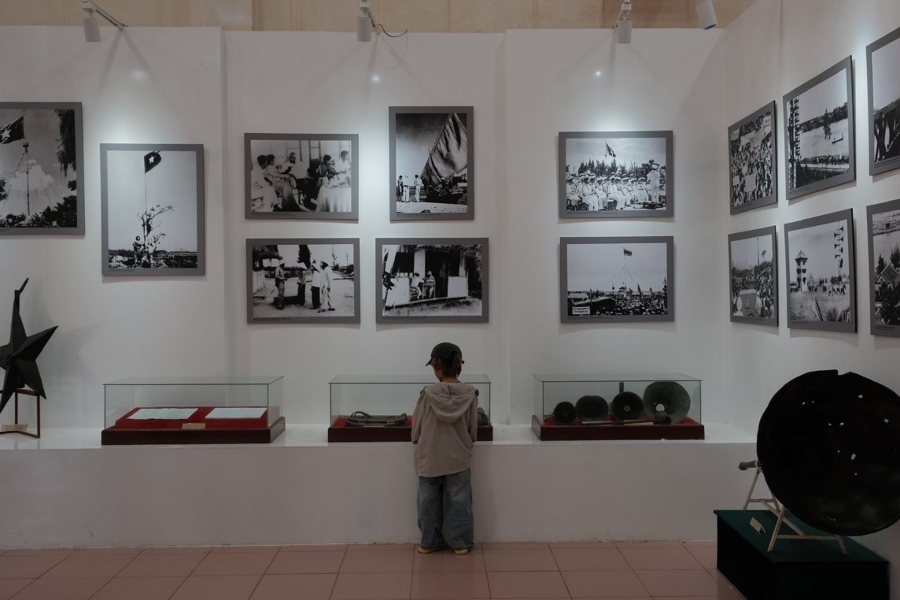
The 17th Parallel museum houses many photographs, historical documents, artifacts, etc from both the conflict and the division years. It portrays personal accounts and memorabilia, offering a clearer understanding of what daily life was like during these tumultuous times: the cost of sacrifice, the ultimate reunification of Vietnam. For those interested in learning about Vietnam’s history, this is an important stop.

17th Parallel Museum

Cua Tung Ferry Landing

During the war, Cua Tung Ferry Landing was an essential method for the movement of troops and materiel across the Ben Hai River. Today, the site has memorial markers and reconstructed areas reflecting the courage of those who crossed the treacherous waters despite constant danger. This area today is also a peaceful area in which to contemplate the struggles faced by so many during times of war.

4 Unforgettable Experiences You Shouldn’t Miss

Hien Luong Bridge is a historic site as well as a location where you can experience history instead of just viewing it. Such experiences extend beyond sightseeing as you get a chance to relate to Vietnam’s history and current events in a more intimate manner.

Walk The Line That Once Divided a Nation

To cross the Bridge of Hien Luong is to embark on a symbolic journey where one is encouraged to reflect on one’s own thoughts and feelings. To cross this bridge is to walk over a river that once separated families and ideologies for more than twenty years. To cross this bridge is to stand on the midpoint and absorb the silence and meaning of history when many people stop there, not for taking pictures but for contemplating and appreciating history.

Walk The Line That Once Divided a Nation

Listen To History Through Stories, Not Just Structures

Spend some time listening to the stories told by local guides and veterans instead of concentrating on what you see. From heartfelt moments of longing and hope to covert communications across the river, their stories depict everyday life during the division. These human tales help visitors comprehend how common people overcame extraordinary circumstances, transforming the site from a static monument into a living memory.

Experience The Power Of Silence Along The Ben Hai River

The most moving experience one can have at Hien Luong is watching the peaceful flow of the Ben Hai River. Unlike other museums and monuments, the river communicates with one’s soul through its peaceful flow and environment. It is indeed striking to see the peaceful flow of the river today, especially because it was once the symbol of conflict and tension on the boundary line of the divided land.

Step Into The Emotional Space Of The DMZ Zone

Exploring around the DMZ area gives a better insight into how Hien Luong was involved in the conflict, as one of the best things to do in Quang Tri. Taking a walk around ex-military areas and historic sites allows you to understand the magnitude of the conflict in a non-overwhelming manner. It also makes you realize how you should view Hien Luong as a part of a bigger historic landscape as opposed to a standalone site.

Entrance Fee

Before visiting the Hien Luong Bridge, it is helpful to know the cost of the entrance fees and the opening hours so that you can plan your visit accordingly. The cost of the entrance fees is very affordable.

Visitor Type Entrance Fee
Adults 50,000 VND / visit
Children 20,000 VND / visit

Best Time To Visit Hien Luong Bridge

  • Opening hours: From 7:00 AM to 5:00 PM daily

The climate in Quang Tri is quite harsh, with a dry season that lasts from March to September and can be very hot because of the Lao wind, and a rainy season that lasts from October to February, during which there is lots of rain and storms. Because it is so open, the weather is a factor that affects your experience there.

The ideal period to visit the Hien Luong Bridge and the Ben Hai River is either in March and April or in August and September. This is the period when the weather is relatively cooler, and it rains very little, and it is easy to visit the bridge and the museums at your own pace. You can avoid the period of June and July, which is very hot, and October, which is the peak period for storms.

How To Get To Hien Luong Bridge

The Hien Luong Bridge crosses the Ben Hai River in Cua Tung Commune, Quang Tri Province, approximately 30 km north of Dong Ha City, 75 km south of Dong Hoi City, and about 92 km from Hue. Due to its favorable position on the central transport routes of Vietnam, it is relatively easy to reach the bridge from any region.

From Dong Ha Or Dong Hoi

By car, taxi, or motorbike from Dong Ha or Dong Hoi, one can reach Hien Luong Bridge along National Highway 1A, and then follow the local routes to the Hien Luong Ben Hai Historical Relic site. If one is approaching from other cities like Hue, Da Nang, Hoi An, Hanoi, or Ninh Binh, then trains and sleeper buses are available to reach Dong Ha City, from where one could proceed to the destination.

From Ho Chi Minh Or Hanoi

If you are starting from Ho Chi Minh or Hanoi, flying will give you the fastest means of transportation. You can take a plane to Dong Hoi Airport or to Phu Bai Airport (Hue), then proceed to Quang Tri by car or bus to your destination. This route will also give you an opportunity to visit other historical sites along the DMZ area, such as Hien Luong Bridge.

Things To Know Before Traveling To Hien Luong Bridge

Before going on to Hien Luong Bridge, a superficial understanding of some issues of a practical and cultural nature can make the trip easier and more meaningful. The following tips aim at helping you plan your visit respectfully, so you make the most out of it:

  • When visiting Hien Luong Bridge, one should dress modestly and comfortably because it is a historical site with great significance. Modest dressing is a sign of respect for the site, while comfortable walking shoes are a must for walking around the bridge, museum, and banks of the river.
  • It’s best to visit during early mornings or late afternoons to steer clear of the intense heat of the sun during peak times and to avoid visiting during times when most tourists are likely to come in groups.
  • Spend time exploring the museums and exhibition areas around instead of just visiting the bridge. The exhibits, pictures, and histories allow you to better understand the effects of division along the 17th parallel on humans.
  • The Hien Luong Bridge should be combined with other sites in the Quang Tri area, such as Vinh Moc Tunnels or Doc Mieu Base. Visiting several sites gives a fuller understanding of Vietnam’s history.

Underground Tunnel Network of Vinh Moc Tunnels

  • It is essential that you conduct yourself in a calm and respectful manner during your visit, particularly around memorials and symbolic structures. This is a site of remembrance, and it is always appreciated if you are quiet and reflective during your visit.
  • In preparation for the weather, one should bring bottled water to drink, sunscreen lotion, as well as a hat, as the surroundings of the bridge and the Ben Hai River are quite open and may get hotter, especially in the summer season.

Final Thoughts: Is Hien Luong Bridge Worth Visiting?

Travelers who wish to learn more about Vietnam than just its beaches and scenery should definitely visit the Hien Luong Bridge. This historic site, which represents division, resiliency, and eventual reunification, provides a profoundly emotional journey into the country’s past. While taking in the serene beauty of the Ben Hai River today, people can contemplate history by strolling across the bridge. When combined with neighboring museums and memorials, the experience is both poignant and instructive. To thoroughly and meaningfully explore Hien Luong Bridge, schedule your Quang Tri visit with Seni World.

Vinh Moc Tunnel In Vietnam: Stories Of Survival Underground

The Vinh Moc Tunnels are a historical site of great importance located in Quang Tri, which consists of a whole village built underground to shield the residents during the Vietnam War. The tunnel exploration would enable one to learn about the lives of the residents during the time of the war.

Introduction To Vinh Moc Tunnel

The Vinh Moc Tunnels represent one of the most intriguing historical monuments in Vietnam. Located in the Vinh Linh District, Quang Tri Province, it was built near the former Demilitarized Zone which divided the nation during the Vietnam War. From 1965 to 1967, the tunnel system was excavated from the soil by the residents and developed to serve as a place for shelter from intense bombings. It finally developed into an entire underground village.

The Vinh Moc Tunnels represent one of the most intriguing historical monuments in Vietnam

Today, Vinh Moc Tunnel operates as an inspiring symbol of resistance as well as an educational site for international visitors. The site is open for visitors to walk around its network of tunnels featuring living spaces, kitchens, meeting rooms, and even maternity sections. The historical significance of this site has been recognized as it has been declared a Special National Heritage relic. This has made it an attractive site for history buffs and adventure seekers alike as it is an inspiring symbol of resistance and an educational site for international visitors.

History Of Vinh Moc Tunnel

The 1960s saw Vietnam engulfed in intense fighting after the failure of the implementation of the Geneva Accords of 1954. Vinh Linh District, which is located along the coast, became one of the most bombed regions after the Gulf of Tonkin in 1965, and it received an estimated half a million tons of bombs between 1965 and 1972, which averaged seven tons for every Vietnamese, making it necessary for the Vietnamese to find a means of surviving underground.

Inspired by the success of other tunnel complexes like Cu Chi, the concept of developing an extensive underground village in Vinh Linh was born in late 1963. The Vinh Moc Tunnel was officially put into construction in early 1965 and finished on February 18, 1966. What is most impressive is that the whole project was overseen by a local commander who had only attended primary school, but he was able to supervise the development of an incredible engineering project that not only safeguarded several civilians from bombing but also represented the determination and intelligence of the Vietnamese during one of the most difficult times in their history.

Unique Architecture Of Vinh Moc Tunnel

The design of Vinh Moc Tunnels is a testament to the high levels of ingenuity, where the whole village is able to thrive underground. All the tunnels have been designed to provide a safe and normal living environment.

An Underground Living Village

Small living spaces were excavated on both sides of the tunnel corridors. These spaces had room for three to four people. The complex worked like a village. It had three wells for freshwater. It had a meeting room for 50 people. It had a medical station and a surgery room. It had a maternity room. It had Hoang Cam kitchens. The kitchens dispersed smoke.

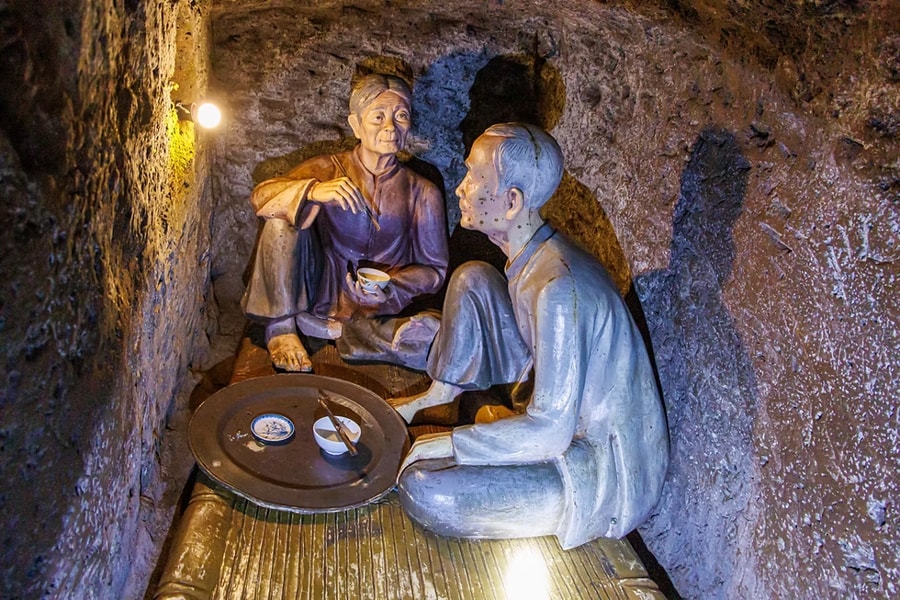
An Underground Living Village inside the Tunnel

Three-Level Tunnel Structure

Vinh Moc Tunnel is comprised of three levels. The first level is 12-15 meters deep, and it was designed for temporary combat and defense purposes. The second level is 18 meters deep, and it was designed as a living and working area as well as a command post. The third level is 22 meters deep, and it was designed as a storage area. What is remarkable is that even the lowest level is three meters above sea level to prevent flooding during the rainy season.

Strategic Entrances And Ventilation System

The tunnel network has a total of 13 entrances, consisting of six entrances to the hills and another seven to the sea, and three ventilation shafts. These entrances have been strengthened using wooden pillars to avoid collapse and have been camouflaged for the purposes of maintaining the secrecy of the tunnels while still facilitating adequate ventilation. Such a design is a clear demonstration of the need to balance defense, ventilation, and habitability.

6 Unforgettable Experiences You Shouldn’t Miss

Visiting the Vinh Moc Tunnels is an immersion in the history of Vietnam during the war years because every corridor in the tunnel has a story of strength and sacrifice of the people of Vietnam during the war years, when the whole community lived underground in the country’s most trying times.

Explore The Underground Tunnel Network

The Vinh Moc underground tunnel system provides a uniquely powerful walking experience. The narrow, winding passageways cover many kilometers and connect several functional areas, demonstrating a high level of attention to design for long-term survival.

Underground Tunnel Network of Vinh Moc Tunnels

As you continue down the tunnels, you will notice that the temperature, amount of light, and their overall environment are all different from when you began your journey, which will help you visualise the types of daily living that would have been experienced by those who lived in the tunnels for years while bombs rained overhead.

Discover The Hidden Underground Living Areas

The sides of tunnels are lined with numerous small rooms, some of which were once homes for groups of anywhere from two to four people. Guests can also view the room used for group meetings, the room where medical treatment was given, a space to prepare and serve food and also where babies were born in secret. These spaces represented a completely functional, underground society that demonstrated the courage of local residents to continue life during wartime. So going to this deep tunnel as a local is one of the best activities in Quang Tri for historical lovers.

Hidden Underground Living Areas

Visit The Tunnel Entrances Facing The Sea

There are numerous entrances to tunnels that lead directly to the ocean, giving us an incredible contrast between the tranquil ocean and the brutal realities that existed below. During war, these entrances were critical for logistical support, facilitating the secret transportation of supplies and communications between the continent and surrounding islands. Visiting these entrances today provides you with a beautiful view of the ocean, as well as a chance to contemplate the strategic significance of this location.

Learn Wartime Stories From Local Guides

A guided tour will help add to the richness of your experience since the expert guides will relate the families’ true stories of survival and determination to escape the oppressive conditions of the Viet Cong. The vivid narratives provided by the guides help the visitors to understand how their predecessors lived, what occupations they had and what they did for fun during their time spent in the tunnel system. The families’ stories give each visitor a personal connection to the tunnels which increases the value of visiting the tunnels.

Explore The Supplementary Exhibition Area

The auxiliary exhibition area helps to better perceive the whole battle area of Quang Tri as well as the historical background associated with Vinh Moc Tunnel. In this zone, visitors have the chance to learn through unique images and documents depicting the village prior to destruction, as well as the time when it was heavily bombed and its resistance periods. Among the interesting things is the documentation concerning the mission to open the route of blood to supply Con Co Island.

The Supplementary Exhibition Area

Go To The Bomb And Ammunition Display Area

The bomb and shells exhibit in the heritage site is one of the best visual representations of the destruction brought about by the war. The rows of bomb shells and unexploded ordnances on display give one an indication of the intensity of the air strikes on Vinh Moc and the Quang Tri battleground. Visiting the site is one way to understand the realities of the war on the local inhabitants and troops.

Entrance Fee

Vinh Moc Tunnel can be visited on a budget and with all age groups, so this historical site can be enjoyed by all family members and history enthusiasts. The entrance fee for this site also helps in maintaining this historical site.

  • Adults: 50,000 VND per person per visit
  • Children: 20,000 VND per child per visit (applicable for children from 1.2 meters in height)

Opening Hours

You can visit the Vinh Moc Tunnel any day between 7:00 AM and 5:00 PM. This makes it an easy destination to add to your travel itinerary. The tunnel has a clever ventilation system, which means it stays airy all year round, being cool in the summer and warm-ish in the winter time. The best time of year to see the tunnel is between March and August because the dry season in Quang Tri provides sunny weather, perfect for exploring the Outdoor options, as well as experiencing the surrounding attractions.

Vinh Moc Tunnel opens between 7AM and 5PM

How To Get To Vinh Moc Tunnel

The Vinh Moc Tunnel is found in the Vinh Moc Village, in the Vinh Thach Commune, in the Vinh Linh District, in Quang Tri Province, which is roughly 38 kilometers north of Dong Ha City. Because it is a very convenient location, the tunnel is not far from other famous historical sites like the Hien Luong Bridge (13 km), the Truong Son National Cemetery (about 30 km), and the Quang Tri Ancient Citadel (about 43 km away).

Vinh Moc Tunnels could be accessed by car, taxi, or motorcycle, or take an escorted day-long tour. For those coming from other provinces, first take the train or sleeper bus to Quang Tri Province or fly to Dong Hoi Airport and then take the road to the tunnel. The ease of access to the tunnel enables visitors to plan an effective historical visit to Quang Tri.

Things To Know Before Traveling To Vinh Moc Tunnel

Prior to visiting Vinh Moc Tunnel, make sure to take time to prepare for this unique historical attraction to help you get the most out of your time at Vinh Moc Tunnel.

  • Comfortable footwear with a good grip is essential, as the floors of the tunnels can be narrow, uneven and a little slippery.
  • Light, breathable clothing should be worn in the tunnels; temperatures can get warm and humid while you are underground.
  • Expect low ceilings and tight spaces, especially if you are planning on going further into the tunnel system.
  • Pay close attention to what your local tour guide is saying, because their explanation of the various sections will aid in understanding their historical significance.
  • Flash photography may be banned in the tunnels, so adjust your camera settings accordingly.
  • If you experience discomfort or anxiety in small, tight spaces, consider staying near the entrance of the tunnels and exploring the outdoor botanical sections instead of venturing further into the tunnels.

FAQs About Vinh Moc Tunnel

Before planning a visit to Vinh Moc Tunnel, there are a few common questions that may have popped up in your mind. The following are a few FAQs that may help you understand the place a little better before planning a visit.

How long does it take to visit Vinh Moc Tunnel?

The duration of the visit is around 45 minutes to an hour. This will include walking through some parts of the tunnel, viewing some of the exhibits that are located on the surface, and hearing some historical presentations. If one decides to take a guided tour, then the duration of the visit will take slightly longer.

duration of the visit is around 45 minutes to an hour

Is Vinh Moc Tunnel suitable for a family outing?

Yes, the tunnel is safe and in good condition to visit. Some parts of the tunnel are reinforced, well-ventilated, and have lights. However, there are parts that are narrow and low, so care must be taken when walking through them. People who have claustrophobia might find the tunnel difficult to walk through.

Final Thoughts: Is Vinh Moc Tunnel Worth Visiting?

Vinh Moc Tunnel is definitely a place to visit for travelers who want to go beyond the usual tourist destinations and understand the history and the spirit of the people of Vietnam. Vinh Moc Tunnel is more than just a tunnel; it is a symbol of the strength and unity of the people when faced with difficulties. Let Seni World be with you to plan a meaningful and enriching trip to the beautiful province of Quang Tri.

Where To Stay In Quang Tri For Guests To Enjoy Great Moments

There are various hostels, hotels, and resorts for vacationers to select from when searching for where to stay in Quang Tri. Let’s find out the wonderful places to stay in Quang Tri, preferred and trusted by local people and travelers.

Best Hotels In Quang Tri

Seni World has summarized some highly recommended hotels for travelers when they arrange and search for where to stay in Quang Tri. It includes the accommodations’ location, star standard, highlighted design, and impressive style, as well as all the many different benefits, services, amenities, and the common price range.

Dong Ha City – City Center And Transportation Hub

Dong Ha City is the most convenient area to stay for travelers in Quang Tri, because it is the main administrative, commercial, and transportation hub. Most accommodations here are located near National Highway 1A, the railway station, primary bus routes, restaurants, markets, shopping centers, and essential services. So it is very easy to go to neighboring provinces and key attractions.

Golden Quang Tri Hotel (3 ★)

Golden Quang Tri Hotel is a pleasant lodging with a practical design, having standard and deluxe rooms with air-conditioning and many essential amenities. Golden Quang Tri Hotel’s interior layout is clean and welcoming, consisting of neutral tones and timber accents that make for a chilled environment for both families and couples.

Golden Quang Tri Hotel in Quang Tri

Golden Quang Tri Hotel provides many modern benefits and services, such as free Wi-Fi, friendly and hospitable staff, 24-hour front desk help, and a convenient location within walking distance to the central city coffee shops, restaurants, and local markets. The price of the Golden Quang Tri Hotel in Quang Tri is from $22.6 to $28.5 per night.

Homestay & Hotel Concept Maison (3 ★)

Homestay & Hotel Concept Maison is a boutique-style hotel in Quang Tri that mixes motel comfort with a homely and warm vibe. The layout of Homestay & Hotel Concept Maison is intimate and stylish, with a strong focus on detail in room aesthetics, comfy furnishings, and thoughtful lighting fixtures that highlight modern Vietnamese layout impacts.

Homestay & Hotel Concept Maison in Quang Tri

Homestay & Hotel Concept Maison is the best choice for couples or solo travelers for unwinding after an energetic day of trying many things to do in Quang Tri. It offers free Wi-Fi, an in-house eating place, airport transfers on request, and a terrace area. The price of the Homestay & Hotel Concept Maison in Quang Tri is from $19.9 to $22.6 per night.

Tuy Tam Luxury Hotel Quang Tri (3 ★)

Tuy Tam Luxury Hotel Quang Tri is acknowledged for its combination of convenience and contemporary style. Almost all the rooms have well-appointed rooms with clean lines, tasteful ornaments, and modern furnishings that create a restful life. Tuy Tam Luxury Hotel Quang Tri’s location is close to the central park, mainly shopping malls, and eating places in Dong Ha City.

Tuy Tam Luxury Hotel Quang Tri

Tuy Tam Luxury Hotel Quang Tri provides many modern benefits and services, consisting of hospitable staff, free Wi-Fi, and facilities like air-conditioned rooms. Especially, vacationers regularly commented that the hotel has a very quiet and peaceful atmosphere. The price of the Tuy Tam Luxury Hotel Quang Tri is from $19.2 to $29.6 per night.

Sai Gon Dong Ha Hotel (4 ★)

Sai Gon Dong Ha Hotel is located at the central point of Dong Ha City, near the main shopping malls, coffee shops, and eating places. The hotel has a mid-rise design with well-arranged room layouts for both convenience and practicality. Therefore, Sai Gon Dong Ha Hotel is very suitable for short stays, enjoyment, and business trips.

The hotel follows a classic style, highlighting cleanliness and functionality. Benefits and services at Sai Gon Dong Ha Hotel include an on-site restaurant with delicious foods, meeting rooms, airport transfer service, 24-hour front desk help, and hospitable staff. The price of the Sai Gon Dong Ha Hotel in Quang Tri is from $29.3 to $190.2 per night.

Muong Thanh Grand Quang Tri Hotel (5 ★)

Muong Thanh Grand Quang Tri Hotel is considered the most upscale accommodation in Dong Ha City, with contemporary infrastructure and expert service. The hotel has an excessive-rise layout with various spacious rooms, many offering beautiful city and river perspectives, so this hotel will be a wonderful selection for both business and leisure vacationers. Its location is very easy for you to access the Dong Ha Market and the main transfer routes, so this hotel will be a wonderful selection when looking for where to stay in Quang Tri.

Muong Thanh Grand Quang Tri Hotel

The design combines modern fashion with subtle Vietnamese elements, making a comfortable but elegant vibe. Guests benefit in Muong Thanh Grand Quang Tri Hotel include an outdoor swimming pool, a fitness center, a spa, convention halls, and an in-house eating place serving both traditional Quang Tri food and many different types of Western cuisine. The price of the Muong Thanh Grand Quang Tri Hotel is from $39.9 to $76.9 per night.

Huong Hoa District – Khe Sanh Area

The Khe Sanh area in Huong Hoa District is a wonderful area for tourists inquisitive about history, nature, mountain destinations, DMZ sites, and local coffee plantations. It has a cooler highland climate in comparison to the lowlands. Accommodation in Khe Sanh is typically more modest and locally run, but it brings travelers a quiet atmosphere, friendly service, and easy access to border routes and trekking sites.

Khe Sanh Luxury Hotel (3 ★)

Khe Sanh Luxury Hotel is a popular accommodation in the Huong Hoa District, Khe Sanh area, which is perfect for travelers exploring DMZ sites or thrilling trekking routes. Khe Sanh Luxury Hotel’s layout features cutting-edge rooms with tidy furniture and massive home windows that capture the destination’s natural light and pretty views. So the Khe Sanh Luxury Hotel is a great choice when looking for where to stay in Quang Tri.

Khe Sanh Luxury Hotel

The design of Khe Sanh Luxury Hotel blends traditional comfort with modern decoration. It consists of many amenities like free Wi-Fi, a delicious and free breakfast service, and friendly local staff. Its serene environment makes it an awesome base for adventurous tourists and historical lovers. The price of the Khe Sanh Luxury Hotel in Quang Tri is from $14.6 to $23.1 per night.

Retro Khe Sanh (3 ★)

Retro Khe Sanh brings travelers a unique boutique experience blending both homestay and hotel elements. The layout of Retro Khe Sanh integrates comfy guest rooms and communal lounge areas, usually with antique or eclectic decoration that encourages relaxation and social interaction for all the vacationers who choose here as accommodation in this Central Vietnam itinerary.

Retro Khe Sanh in Quang Tri

Retro Khe Sanh provides many modern benefits and services, consisting of stylish interiors, free Wi-Fi, concierge support, and proximity to local attractions. So this will be a good choice for vacationers in search of something extraordinary from conventional lodges. The price of the Retro Khe Sanh hotel in Quang Tri is from $11.9 to $14.1 per night.

Thanh Phuc Hotel Khe Sanh (3 ★)

Thanh Phuc Hotel Khe Sanh is a practical lodging for travelers exploring Khe Sanh. The layout of Thanh Phuc Hotel Khe Sanh is straightforward, with very easy access to main roads and border routes. The design of this accommodation emphasizes functionality and cleanliness, so guests will enjoy a comfortable and pleasant feeling like at home.

Thanh Phuc Hotel Khe Sanh

Staying at Thanh Phuc Hotel Khe Sanh, travelers can unwind in many different modern benefits and services, such as basic yet free dining options, 24-hour front desk assistance, and local travel advice. All of them make the hotel a reliable stopover selection. The price of the Thanh Phuc Hotel Khe Sanh in Quang Tri is from $15.1 to $25.1 per night.

Cua Viet Beach – Coastal Area

Cua Viet Beach is the top choice for tourists looking for rest by the sea and a slower pace of vacation. Lodgings in this coastal area are commonly low-rise properties designed to maximize sea perspectives, fresh air, and open spaces. Staying at the Cua Viet Beach area when choosing where to stay in Quang Tri, you can easily access various seafood restaurants, revel in early-morning fishing activities, and enjoy long sandy beaches.

Sepon Boutique Resort Cua Viet (4 ★)

Sepon Boutique Resort Cua Viet is a beachfront accommodation designed for relaxation and enjoyment. The resort has a low-rise layout with numerous choices for visitors, such as villas and ocean-facing rooms, maximizing natural light and sea perspectives. Sepon Boutique Resort Cua Viet’s layout blends contemporary resort aesthetics with coastal decoration.

Sepon Boutique Resort Cua Viet

At Sepon Boutique Resort Cua Viet, travelers can have an opportunity to experience a private and beautiful beach area, an outdoor swimming pool, spa services, beachfront dining services, and recreational activities, making it brilliant for groups of friends, families, and couples. The price of the Sepon Boutique Resort Cua Viet in Quang Tri is from $82.3 to $85.1 per night.

Golden Sea Resort (5 ★)

Golden Sea Resort is one of the most impressive resort-style locations on Cua Viet Beach, with spacious premium rooms, lush tropical scenery, and especially, direct access to the sand and sea. This resort has a peaceful beachfront setting, modern layout, and friendly service, so Golden Sea Resort will be a wonderful selection for travelers who want comfort near the coast.

Golden Sea Resort, Quang Tri

Golden Sea Resort provides many modern benefits and services, consisting of an outdoor swimming pool, a huge garden, a terrace, a minibar, a high-end restaurant serving buffet or continental breakfast, a 24-hour reception, an airport shuttle service, and an airy balcony with garden perspectives. The price of the Golden Sea Resort in Quang Tri is from $38.1 to $98.1 per night.

Tips To Choose Where To Stay In Quang Tri

To feel convenient, comfortable, exciting, and safe in this Quang Tri itinerary, you need to carefully remember the following important travel tips to choose an excellent motel, hotel, or resort when searching for where to stay in Quang Tri.

  • To have the most accurate, you need to read recent guest reviews and feedback carefully, as the quality of benefits, services, and amenities can change quickly.
  • Don’t forget to confirm check-in flexibility. Late-night arrivals are common when you start your trip, so you need to choose a hotel that offers convenient 24-hour front desk service.
  • Check the cancellation policies of your accommodation. A flexible cancellation is very useful, especially during rainy seasons in Quang Tri or when changing your travel plans.
  • Book your hotel or resort early during the peak travel seasons in Quang Tri (such as between March and May or from September to November) for availability, better options, and rates.
  • Ask about the elevator before booking, because some smaller lodgings do not have it. This thing can be inconvenient for families or elderly vacationers.
  • Confirm air-conditioning availability before booking the budget hotel, especially during the summer season. This time, Quang Tra is hot, so air-conditioning is very important.

Final Thoughts

There are many different hostels, hotels, and resorts in Quang Tri, from budget-friendly rates to premium or luxury ones, for travelers to select from when they are looking for where to stay in Quang Tri. Choosing a wonderful lodging to stay in this beautiful Central Vietnam province can make your trip feel more pleasant, interesting, and memorable. If you want to be consulted about this journey, like what to see and great things to do, or when will be the ideal time to go to Quang Tri, as well as receive support for the visa process, let’s contact Seni World, a reputable tour operator from Vietnam.

Top Quang Tri Food For You To Enjoy Central Vietnam Flavor

Quang Tri food is a wonderful part that vacationers cannot miss out on. Try the best food in Quang Tri, and learn more about the great places to enjoy them, which are summarized in the guides below from Seni World.

Bun Hen Mai Xa (Mai Xa Clam Noodle Soup)

Bun Hen Mai Xa, or Mai Xa Clam Noodle Soup, is one of the most iconic Quang Tri foods, originating from Mai Xa Village along the Thach Han River. The food has clean river clams stir-fried with shallots, chili, and peanuts, then you will eat it with tender rice vermicelli. The special point of Mai Xa Clam Noodle Soup is the naturally sweet clam broth, mixed with local herbs and a little fermented shrimp paste for depth.

Bun Hen Mai Xa (Mai Xa Clam Noodle Soup)

Unlike clam noodles in different areas in Vietnam, Mai Xa Clam Noodle Soup is lighter yet more fragrant, making it ideal for breakfast or a mild lunch. Local people often revel in it with raw banana blossoms and fresh herbs, making a balanced combination of flavors and textures. This will be a unique experience for international vacationers when taking part in this Quang Tri itinerary.

Where to try Mai Xa Clam Noodle Soup in Quang Tri:

  • Mai Xa Clam Noodle Village: Gio Mai Commune, Gio Linh District.
  • Bun Hen Co Ly: Mai Xa Village, Gio Linh District.
  • Quan Bun Hen Song Thach Han: Le Duan Street, Dong Ha City.

Chao Bot Hai Lang (Hai Lang Rice Flour Porridge)

Chao Bot Hai Lang, or Hai Lang Rice Flour Porridge, is a comforting conventional dish cooked from hand-ground rice flour made into a smooth and silky porridge. Hai Lang Rice Flour Porridge is generally served with fresh fish, shrimp, or minced pork, purely to bring out the natural sweetness of the ingredients, for travelers to unwind in this adventure.

Chao Bot Hai Lang (Hai Lang Rice Flour Porridge)

Travelers can choose to eat Hai Lang Rice Flour Porridge during cooler months in Quang Tri. It is a nourishing and delicious meal for all ages. The porridge’s creamy consistency mixed with pepper and scallions makes it both soothing and flavorful. If you want to enjoy this Quang Tri food, let’s choose to try in a local vendor to experience an authentic and localized flavor.

Where to try Hai Lang Rice Flour Porridge in Quang Tri:

  • Chao Bot Ba Le: Hai Lang Town, Hai Lang District.
  • Quan Chao Bot Co Hong: Nguyen Trai Street, Dong Ha City.
  • Chao Bot Truyen Thong Hai Lang: Hai Thuong Commune, Hai Lang District.

Banh Uot Phuong Lang (Phuong Lang Steamed Rice Sheets)

Banh Uot Phuong Lang, or Phuong Lang Steamed Rice Sheets, is famous for its extremely thin and smooth rice sheets that are steamed daily. The sheets are crowned with minced pork, crispy shallots, and they can be eaten with a special fish sauce made from local anchovies. Phuong Lang Steamed Rice Sheets are simple but delicate, regularly eaten for breakfast. The delicate texture of the rice sheets paired with savory toppings showcases the culinary elegance of Phuong Lang Village in Quang Tri.

Banh Uot Phuong Lang (Phuong Lang Steamed Rice Sheets)

Where to try Phuong Lang Steamed Rice Sheets in Quang Tri:

  • Phuong Lang Village Market: Gio Linh District.
  • Banh Uot Co Hue: Quoc Lo 1A, Gio Linh District.
  • Quan Banh Uot Dong Ha: Tran Hung Dao Street, Dong Ha City.

Banh Loc My Chanh (My Chanh Tapioca Dumplings)

Banh Loc My Chanh, or My Chanh Tapioca Dumplings, has translucent tapioca dough packed with fresh shrimp and pork, carefully wrapped in banana leaves or just served bare. The filling is bold and peppery, which is one of the particular images of Central Vietnam’s bold flavor profile. When dipped in sweet-spicy fish sauce, the chewy texture and savory filling make it addictive to both local people and tourists. Trying My Chanh Tapioca Dumplings in local eateries is one of the interesting things to do in Quang Tri for various travelers.

Banh Loc My Chanh (My Chanh Tapioca Dumplings)

Where to try My Chanh Tapioca Dumplings in Quang Tri:

  • My Chanh Village: Hai Chanh Commune, Hai Lang District.
  • Banh Loc Co Thu: Hun Vuong Street, Dong Ha City.
  • Quan Banh Loc Truyen Thong: Hai Lang Town.

Banh It La Gai (Ramie Leaf Sticky Cake)

Banh It La Gai, or Ramie Leaf Sticky Cake, is a traditional sweet cake cooked from glutinous rice and ramie leaves, bringing a deep black color and earthy aroma. The filling of Ramie Leaf Sticky Cake is generally Mung Bean (Dau Xanh) or coconut combined with sugar. In Quang Tri, this unique cake is typically prepared during conventional festivals and ancestral ceremonies, showing both gratitude and the meaningful tradition of local people in Quang Tri culture.

Banh It La Gai (Ramie Leaf Sticky Cake)

Where to try Ramie Leaf Sticky Cake in Quang Tri:

  • Hang Rong Banh It La Gai: Gio An Commune, Gio Linh District.
  • Dong Ha Market: Dong Ha City.
  • Banh Truyen Thong Quang Tri: Le Loi Street, Dong Ha City.

Thit Trau La Trong (Buffalo Meat With Trong Leaves)

Thit Trau La Trong, or Buffalo Meat With Trong Leaves, uses wild Trong Leaves found only in some mountainous areas of Quang Tri. The buffalo meat is carefully stir-fried or just grilled with these special leaves, making a slightly bitter yet aromatic taste and flavor. Buffalo Meat With Trong Leaves is often served during communal meals, which is an image of the strong connection between local cuisine and nature.

Thit Trau La Trong (Buffalo Meat With Trong Leaves)

Where to try Buffalo Meat With Trong Leaves in Quang Tri:

  • Huong Hoa District Local Restaurants.
  • Quan Dac San Mien Nui: Quoc Lo 9, Khe Sanh Town.
  • Nha Hang Truong Son: Dong Ha City.

Ga Nuong Muoi Ot (Salt-and-Chili Grilled Chicken)

Ga Nuong Muoi Ot, or Salt-and-Chili Grilled Chicken, which is another iconic Quang Tri food, is marinated with fresh chili, salt, lemongrass, and some unique types of local herbs before being grilled over charcoal. The result is crispy skin and juicy meat with wonderful smoky aromas. Salt-and-Chili Grilled Chicken is regularly eaten with sticky rice and herbal dipping salt, brilliant for evening gatherings.

Ga Nuong Muoi Ot (Salt-and-Chili Grilled Chicken)

Where to try Salt-and-Chili Grilled Chicken in Quang Tri:

  • Huong Hoa District Local Restaurants.
  • Quan Dac San Mien Nui: Quoc Lo 9, Khe Sanh Town.
  • Nha Hang Truong Son: Dong Ha City.

Bun Bo Gio Heo Quang Tri (Beef And Pork Leg Noodle Soup)

Bun Bo Gio Heo Quang Tri, or Beef And Pork Leg Noodle Soup, features a clear but bold broth made from both beef bones and pork legs. In contrast to the iconic Hue-style Bun Bo, Quang Tri’s version is milder but still deeply savory. Beef And Pork Leg Noodle Soup is usually eaten for breakfast, and this is a great local desire for balanced and comforting flavors in their daily life.

Bun Bo Gio Heo Quang Tri (Beef And Pork Leg Noodle Soup)

Where to try Beef And Pork Leg Noodle Soup in Quang Tri:

  • Bun Bo Ba Thuy: Ly Thuong Kiet Street, Dong Ha City.
  • Quan Bun Bo Gia Truyen: Hai Lang District.
  • Cho Dong Ha Food Area.

Banh Canh Ca Loc (Snakehead Fish Thick Noodle Soup)

Banh Canh Ca Loc, or Snakehead Fish Thick Noodle Soup, is made with thick tapioca noodles and fresh snakehead fish. The broth of this cuisine is slightly thickened, bringing travelers a hearty and filling quality. Snakehead Fish Thick Noodle Soup is particularly popular for lunch, offering both nutrition and rich flavor. You should choose to try it at a local vendor to immerse yourself in an authentic flavor.

Banh Canh Ca Loc (Snakehead Fish Thick Noodle Soup)

Where to try Snakehead Fish Thick Noodle Soup in Quang Tri:

  • Quan Banh Canh Ca Loc Co Ba: Dong Ha City.
  • Hai Lang District Local Eateries.
  • Cho Khe Sanh: Huong Hoa District.

Chao Ca Vat Giuong (Flathead Fish Porridge)

Chao Ca Vat Giuong, or Flathead Fish Porridge, is made from Ca Vat Giuong in Quang Tri, a local freshwater fish well-known for its fresh and firm meat. The porridge is lightly seasoned to preserve this fish’s natural sweetness. Flathead Fish Porridge in Quang Tri is often served hot with ginger and pepper, which is an ideal choice for vacationers to experience during rainy days in this Central Vietnam itinerary.

Chao Ca Vat Giuong (Flathead Fish Porridge)

Where to try Flathead Fish Porridge in Quang Tri:

  • Gio Linh District Rural Markets.
  • Quan Chao Ca Dan Da: Dong Ha City.
  • Hai Lang Commune Eateries.

Banh Khoai Quang Tri (Quang Tri Crispy Pancake)

Banh Khoai Quang Tri, or Quang Tri Crispy Pancake, is a crispy pancake packed with fresh shrimp, pork, and numerous bean sprouts. Quang Tri Crispy Pancake is smaller and crunchier than Pancake in Southern Vietnam. You can eat this great Quang Tri food with peanut dipping sauce. It is a favorite evening snack, loved by both local people and vacationers.

Banh Khoai Quang Tri (Quang Tri Crispy Pancake)

Where to try Quang Tri Crispy Pancake:

  • Quan Banh Khoai Co Tu: Dong Ha City.
  • Gio Linh Night Market.
  • Quang Tri Town Market.

Nem Lui Quang Tri (Grilled Pork Skewers)

Nem Lui Quang Tri, or Grilled Pork Skewers, is cooked from seasoned minced pork carefully wrapped around lemongrass sticks, then grilled. The smoky aroma makes this special cuisine irresistible, which attracts many different international travelers. Grilled Pork Skewers in Quang Tri are usually served with rice paper, local natural herbs, and dipping sauce.

Nem Lui Quang Tri (Grilled Pork Skewers)

Where to try Grilled Pork Skewers in Quang Tri:

  • Quan Nem Lui Huong Viet: Dong Ha City.
  • Khe Sanh Food Street.
  • Quang Tri Night Market.

Ca Nuong Song Hieu (Grilled Fish from Hieu River)

Ca Nuong Song Hieu, or Grilled Fish From Hieu River, is a type of fresh river fish that is marinated with salt and chili, and then grilled whole over charcoal. The meat of fresh fish at the Hieu River in Quang Tri is firm and fragrant. Grilled Fish From Hieu River is frequently enjoyed with rice paper and local herbs, bringing a delicious experience for travelers.

Ca Nuong Song Hieu (Grilled Fish from Hieu River)

Where to try Grilled Fish from Hieu River in Quang Tri:

  • Restaurants Along The Hieu Song: Dong Ha City.
  • Quan An Nha Hang Song Hieu.
  • Gio Linh Riverside Eateries.

Canh Chua Ca Loc Quang Tri (Sour Snakehead Fish Soup)

Canh Chua Ca Loc Quang Tri, or Sour Snakehead Fish Soup, has a bitter soup that makes use of tamarind and many different types of local vegetables, creating a refreshing yet hearty dish. Sour Snakehead Fish Soup is a staple in family meals, so local vendors or eateries serving this food will be one of the good places to visit in Quang Tri for vacationers.

Canh Chua Ca Loc Quang Tri (Sour Snakehead Fish Soup)

Where to try Sour Snakehead Fish Soup in Quang Tri:

  • Quan Com Gia Dinh Dong Ha.
  • Hai Lang Home-Style Restaurants.
  • Gio Linh Rural Kitchens.

Banh Duc Quang Tri (Rice Flour Cake)

Banh Duc Quang Tri, or Rice Flour Cake in Quang Tri, is soft, barely chewy, and filled on the top with minced pork and aromatic fish sauce. Not only being a traditional, delicious Quang Tri food for visitors to enjoy, but Rice Flour Cake in Quang Tri is also an excellent afternoon snack for many local people. If you travel to Quang Tri, let’s try this food at least one more time.

Banh Duc Quang Tri (Rice Flour Cake)

Where to try Rice Flour Cake in Quang Tri:

  • Dong Ha Market.
  • Quan Banh Duc Co Sau: Dong Ha City.
  • Hai Lang Street Vendors.

Final Thoughts

One of the memorable ways to understand a destination deeply when traveling to it is commonly through its food, and Quang Tri food is no exception. The mixture of street and authentic Central Vietnam flavors and tastes, fresh local herbs, unique spices, and recipes, makes the food in Quang Tri something travelers will remember forever after the adventure ends. If you want to take a Quang Tri journey, consult where to stay in Quang Tri, and receive support for the visa process, contact Seni World. We are here to help you from A to Z on your trip.

Quang Tri Itinerary 4 Days for History and Cultural Discovery

This Quang Tri itinerary provides a well-balanced 4-day tour experience that includes historical sites, cultural experiences, and serene environments that will enable visitors to discover the rich history of the province while also enjoying local experiences.

Why should you spend 4 days in Quang Tri?

A 4-day trip to Quang Tri Province will enable tourists to enjoy the destination in a leisurely manner, allowing time to discover the rich history and culture of the place. This trip is recommended to those interested in heritage sites, meaningful historical sites, and culture. The 4-day trip will enable tourists to visit the major sites, relax on the beaches, and soak in the relaxed pace of central Vietnam. This trip is recommended to first-time tourists as well as those interested in a meaningful trip to the destination.

What To Expect From The Quang Tri Itinerary 4 Days

A 4-day trip to Quang Tri Province promises to be a significant journey to historic landmarks, spiritual destinations, and serene natural settings. Visitors can look forward to a well-rounded experience that showcases the province’s war history, culture, and beaches.

What To Expect From The Quang Tri Itinerary 4 Days

Quang Tri Ancient Citadel

Quang Tri Ancient Citadel is a powerful historical site related to the Vietnam War, particularly the intense fight in the country in 1972, which lasted for 81 days. Currently, it is a peaceful memorial where people can learn about strength, sacrifices, and the journey to reunification in Vietnam.

Quang Tri Ancient Citadel

Hien Luong Bridge and Ben Hai River

Hien Luong Bridge and Ben Hai River were once the border between North Vietnam and South Vietnam during the war period. Today, after the unification of Vietnam, the bridge symbolizes Vietnam’s past and provides insight into the nation’s history through preserved war relics and the contrasting colors of division.

Vinh Moc Tunnels

Vinh Moc Tunnels are quite exceptional tunnels built to provide shelter for civilians during intense bombing. The tunnels have living quarters, wells, and meeting rooms, giving visitors a chance to experience living underground. The tunnels are also a way of appreciating the creativity of the local communities.

Vinh Moc Tunnels are quite exceptional tunnels

Truong Son National Cemetery

Truong Son National Cemetery is among the largest and most reverent memorials in Vietnam, dedicated to the soldiers who lost their lives on the Ho Chi Minh Trail. Located amidst green hills, the cemetery provides a serene environment for reflection and commemoration, while also paying tribute to the sacrifices made for the country’s independence.

Truong Son National Cemetery

La Vang Holy Land

La Vang Holy Land is the most significant Catholic pilgrimage site in Vietnam. This place is famous for its spiritual environment and historical value, and every year, it receives millions of pilgrims who come to pray, reflect, and learn about the religious and cultural traditions of Vietnam.

Cua Tung Beach and Cua Viet Beach

Cua Tung Beach and Cua Viet Beach are popular tourist spots where you can enjoy the beauty of the sea, the sand, and the seafood. These beaches are great places to relax and enjoy the sea, providing a nice contrast to the historical sites in Quang Tri Province.

Cua Tung Beach in Quang Tri

Bru-Van Kieu Ethnic Villages

Visitors can visit the nearby Bru-Van Kieu ethnic villages after visiting the Khe Sanh site. The villages are famous for their traditional stilt houses and simple lifestyle. People in these villages have a deep affinity towards the mountains and forests. Visiting the villages would be a great experience for visitors, as they can learn a lot about the indigenous culture and lifestyle. The experience would be a great contrast to the war experience.

Khe Sanh Combat Base

The Khe Sanh Combat Base is one of the most famous battlegrounds of the Vietnam War, where intense battles took place in 1968. Currently, visitors can see the aircraft, bunkers, and military strategies on display, giving them insight into the historical battle that took place.

Khe Sanh Combat Base in Quang Tri

Detailed Itinerary

Seni World offers a thoughtfully designed 4-day, 3-night experience in Quang Tri, which can be enjoyed in a flexible and fun way. This customized travel experience combines historical sites, cultural activities, and natural beauty, so that the traveler can experience the region in a relaxed manner while also creating special moments.

Day 1: Discovering History and Local Culture in Quang Tri

Quang Tri Ancient Citadel is one of the most important landmarks in Quang Tri, particularly with reference to the intense battle that lasted 81 days and nights during the Vietnam War. When walking through the area, one gets a sense of history through the preserved monuments and information that provides insight into the region’s history. The citadel, therefore, remains a powerful symbol that offers a meaningful understanding of Quang Tri’s history, particularly to travelers moving through the region.

Thach Han River in Quang Tri

The Thach Han River is a very emotional place where visitors can come to pay respects to the soldiers who lost their lives during the war. Among the most emotional activities that can be done at this place is the release of floating lanterns into the river as a way of showing respect and gratitude. The stillness of the water and the environment make this visit very peaceful and somber.

La Vang Holy Land is the biggest Catholic pilgrimage site in central Vietnam. It is famous for its large area and peaceful surroundings. This site draws visitors from all over the country. Apart from being a pilgrimage site, La Vang Holy Land is a peaceful destination for relaxation and reflection. Even those who are not pilgrims can visit the site to enjoy its architecture and cultural significance.

The best place to experience local life and local food in Quang Tri is at Dong Ha Market. The market is a lively and colorful place to visit, and it offers fresh produce, local specialties, and street food that are unique to this region. It is a wonderful opportunity for tourists to try some of the local food, get to know the friendly vendors, and catch a glimpse of local life.

Day 2: Hien Luong Bridge, Vinh Moc Tunnels, Mui Treo, and Cua Viet Beach

Hien Luong Bridge and Ben Hai River constitute a powerful historical complex that once served as a border between North and South Vietnam, defined by the 17th Parallel. Visiting this place helps travelers to comprehend the physical and psychological separation that resulted from the war through existing structures, monuments, and exhibitions. The bridge, which is colored with two hues, represents reunification and peace, while the area around it provides a peaceful atmosphere to contemplate the importance of Quang Tri in contemporary Vietnamese history.

Vinh Moc Tunnels in Quang Tri

The Vinh Moc Tunnels are one of the most remarkable underground village complexes in Vietnam. Constructed well below the surface of the earth, the tunnels served as a shelter for entire families during heavy bombardments, including dwellings, water wells, conference rooms, and hospitals. A tour of the tunnels will give a visitor a sense of what life was like underground. This is a real and poignant look at life for civilians during the war in Quang Tri.

Mui Treo is a rugged coastal headland that is known for its untouched natural beauty. Unlike other tourist beaches that are crowded with people, this place is still untouched and offers a serene environment. One can enjoy the views of the sea, rugged cliffs, and lush greenery, which have been shaped by the wind and the waves. Mui Treo is the right place for nature lovers, as it offers a stark contrast to the other historical sites that have been visited until now.

Mui Treo in Quang Tri

Cua Viet Beach is a great spot where tourists can take their mind off the day’s activities. The beach offers long stretches of sandy beaches, calm waves, and a relaxed atmosphere. It is a great spot where tourists can swim, walk, or have their meals at local restaurants. Cua Viet Beach is an excellent addition to the itinerary, offering tourists a chance to enjoy the beauty and history of Quang Tri.

Day 3: Khe Sanh History, Nature, and Community Experiences

Khe Sanh Combat Base is one of the most famous historical sites in Quang Tri Province and is linked to some of the most significant events in the Vietnam War. The site features aircraft, bunkers, and exhibits to give tourists an idea of its importance. Surrounded by open fields and rolling hills, Khe Sanh provides a historical and visual experience for those passing through this mountainous region of Vietnam.

Khe Sanh Hills in Quang Tri

The Khe Sanh Tea Hills and Cu Vo Peak are great places to enjoy the fresh air and scenic views of the surrounding highlands. The endless lines of green tea plants provide a beautiful backdrop, especially during early morning or late afternoon hours. One can walk through the tea plantations, take photos, and appreciate the serene environment. The Cu Vo Peak provides an elevated spot with scenic views that showcase the beauty of the highlands in western Quang Tri.

Ta Puong Waterfall is a secret gem that is recognized for its untamed and pristine nature. The waterfall that flows through the dense forest creates a cooling effect and a peaceful retreat from the beaten tourist paths. The sound of the water and the cool mist that it creates make this location ideal for unwinding and nature photography. Ta Puong Waterfall is suited for the type of traveler who appreciates short hikes and offbeat natural scenery.

Ta Puong Waterfall in Quang Tri

The Chenh Venh Community Tourism Village is a place where tourists can experience the culture of the mountainous region of Quang Tri. The village is inhabited by local ethnic groups who are eager to share their way of life with visitors. Activities include local meals and cultural exchange. Visiting Chenh Venh gives tourists a chance to connect with the locals and brings a human element to the journey through Khe Sanh.

Day 4: Discover the Untouched Beauty of Con Co Island

Con Co Island is a small and untouched island located off the coast of Quang Tri Province. It is famous for its clear water, rocky shoreline, and rich marine life. Unlike other tourist spots on the island, Con Co Island provides a peaceful and natural environment, making it suitable for tourists who want to relax and experience the natural surroundings of the island. The peaceful and natural surroundings of the island make it the best place to end a multi-day trip through Quang Tri Province.

Con Co Island, Quang Tri

FAQs About The 4-Day Quang Tri Itinerary

This is a suggested itinerary for a four-day trip to Quang Tri, which covers history, culture, nature, and beach activities in a balanced way. The FAQs below are answers to common questions, which help visitors plan their trip smoothly and know what to expect before visiting the place.

Is 4 days enough to explore Quang Tri?

Yes, four days is an ideal amount of time to explore the main highlights of Quang Tri Province without feeling rushed. This itinerary includes the most important historical sites such as the Quang Tri Ancient Citadel, the DMZ, and the Khe Sanh Combat Base, as well as beaches, waterfalls, and Con Co Island. It is recommended for first-time visitors, and four days is enough to explore the province without feeling rushed.

What is the best time of year to follow this itinerary?

The best time to visit Quang Tri is between March and August, as the weather is favorable for sightseeing, beach activities, and island trips. It is recommended that you avoid the rainy season, which falls between September and November, as the rain might hinder movement to the mountainous and coastal areas of the province. Some of the places that are accessible during this time include Cua Viet Beach, Mui Treo, and Con Co Island.

Is this itinerary good for historical lovers?

This itinerary is highly suitable for history buffs as it covers one of the most important war heritage sites in Vietnam. Hien Luong Bridge, Ben Hai River, Vinh Moc Tunnels, and Khe Sanh Combat Base offer a lot of insight into Vietnam War history. These sites are spread out over several days, giving a good balance between history and not overwhelming the traveler with history.

Ben Hai River in Quang Tri

Can this itinerary be completed independently of a tour?

Yes, this 4-day itinerary in Quang Tri can be completed independently of a tour by renting a car or a motorbike, as the roads are accessible and the distances between the destinations are not too far. Nevertheless, in the case of ethnic villages and waterfalls, a tour guide would be useful in providing a better understanding of the sites visited.

Is Con Co Island worth being included in the itinerary?

Con Co Island is a worthwhile inclusion in the itinerary for travelers who would like to visit a less touristy island destination. Con Co Island provides a relaxing destination with its clear waters, coral reefs, and coastal walking trails, providing a nice change of pace after visiting the historical sites on the mainland. Con Co Island would be a worthwhile inclusion on the itinerary on Day 4.

What type of traveler is this itinerary best for?

This itinerary will be best suited for travelers who enjoy meaningful travel experiences, history buffs, culture vultures, and nature lovers. It will also be best suited for travelers who prefer off-the-beaten-path destinations rather than touristy areas, as there are many quiet and peaceful destinations on this tour that will give the traveler an opportunity to experience different stories, landscapes, and cultures.

Final Thoughts: Is 4 Days In Quang Tri Worth Visiting?

Passing four days in Quang Tri is definitely worth the experience for those who are looking for history, unspoiled nature, and local experiences. The trip is well-balanced, ranging from the strength of war relics and spiritual destinations to peaceful beaches and Con Co Island. With this itinerary, you have ample time to explore without rushing through the experience of discovering a less-explored part of central Vietnam. For a well-organized and enlightening adventure, Seni World can help you discover Quang Tri.

12 Top Places To Visit In Quang Tri For Insightful Vietnam Trips

Quang Tri is a very special place where history and culture are combined with untouched nature. The province has many famous DMZ sites and war relics, but also has peaceful rivers and quiet beaches where one can think about Vietnam’s history and enjoy local life and natural scenery.

Vinh Moc Tunnels

  • Location: Vinh Moc Village, Vinh Thach Commune, Vinh Linh District, Quang Tri Province, located near Cua Tung Beach.

Vinh Moc Tunnels are unique as an underground marvel in Vietnam, created by locals during the Vietnam War as a means of surviving the incessant bombing of Quang Tri’s coastline. The tunnel is over two kilometers long and comprises three levels, digging more than 20 meters below ground level. The tunnels contain such amenities as residential areas, meeting areas, kitchen areas, water wells, and even a maternity area.

Vinh Moc Tunnels in Quang Tri

Walking through the tunnels is always an eye-opening experience in itself. The narrow passages, limited lighting, and unassuming architecture remind one of the resourcefulness and resilience of ordinary people faced with extraordinary situations. Vinh Moc is not only a historical site marking a period in Vietnam’s history but also serves as an extraordinary reminder of what humans are capable of when united and faced with insurmountable challenges in life.

Hien Luong Bridge

  • Location: The 17th Parallel, located within Vinh Linh District on the northern bank and Gio Linh District on the southern bank.

The Hien Luong Bridge crosses the Ben Hai River at the very boundary of the 17th Parallel, which temporarily divided the country into North and South Vietnam following the Geneva Accords of 1954. For nigh on twenty-five years, the bridge bore the weight of the pain and the disputed will of the nation, and those whose pain it represented. This wartime bridge is bi-colored, reflecting the division of the national landscape and people.

Hien Luong Bridge crosses the Ben Hai River, Quang Tri

Today, the restored bridge is now a part of the Hien Luong – Ben Hai Special National Relic Complex, and walking on it is to experience the weight of history that the metal of the bridge was once subjected to, and the peaceful surroundings that envelop the site serve as a reminder of the progress that has been made in the region. This site is an important one on any journey through Vietnam’s recent past.

Ben Hai River

  • Location: The river originates in the Truong Son Mountain Range and flows into the sea at Cua Tung.

Although the Ben Hai River passes peacefully through central Quang Tri, its place in Vietnamese memory means it has an importance that is much larger than its physical size. During the war, the Ben Hai River formed the boundary of the Demilitarized Zone, dividing North Vietnam from South Vietnam. The banks of the Ben Hai River witnessed loudspeaker announcements, followed by flags and propaganda. A beautiful river became a battlefield for psychological warfare between North and South Vietnam.

Ben Hai River passes peacefully through central Quang Tri

The Ben Hai River is now back to its original beauty with its lush fields surrounding the riverbanks and many small villages along the banks. Visitors who stroll along the banks of the river often think back to how peaceful it looks today compared to what it once was during the war period. Today, the Ben Hai River represents healing, forgiveness, and the peaceful endurance that exists among humans.

Khe Sanh Combat Base

  • Location: Huong Hoa District, Quang Tri Province, Vietnam, is located about 60-70 km west of Dong Ha City, near the Lao border and along the historic National Highway 9.

Khe Sanh Combat Base is widely known as one of the most recognised battles of the Vietnam War internationally. It is located in a secluded area or plateau close to the border with Laos and was the site of extended, intense fighting during the famous Battle of Khe Sanh in 1968, when the world was watching closely. The base was strategically well-positioned. However, it had also become increasingly isolated and cut off by mountains and difficult terrain.

Khe Sanh Combat Base in Quang Tri

Khe Sanh is now considered a historical site and museum that can be visited. Its grounds still show evidence of the airplane crashes that took place there. In addition to evidence of various types of forces operating in the area, such as bunkers, runways, and military equipment. There are also many other remnants of military presence. Visitors to this base will get to experience the realities of warfare and some of the logistical and operational difficulties experienced by soldiers, as well as the tremendous human price of the war.

Quang Tri Ancient Citadel

  • Location: The center of Quang Tri Town, in Quang Tri Province, Vietnam

Quang Tri Ancient Citadel, or Quang Tri Citadel, was initially erected as an administrative and military center by the Nguyen Dynasty in the early 19th century, and later, during the Vietnam War, was the site of a 1972 battle that lasted 81 days and was one of the bloodiest confrontations of the war. The Citadel, along with neighbouring territory, suffered near total destruction, with thousands of soldiers killed in battle.

Quang Tri Ancient Citadel Gate

Today, instead of a restored fortification, the citadel is a sombre memorial, with quiet, reflective grounds that display monuments, commemorative walls, and other symbolic structures. The act of visiting Quang Tri Ancient Citadel evokes strong emotions in those who do so and expresses deep respect for those who made the ultimate sacrifice while also conveying the immense price of war and the importance of peace.

Ta Puong Waterfall

  • Location: Ta Puong, Huong Viet Commune, Huong Hoa District, Quang Tri Province, located in the western mountainous area near the Vietnam-Laos border.

Located deep within the dense forests of the western Quang Tri Mountains, the Ta Puong Waterfall contrasts sharply with the province’s more commonly known historic sites and provides visitors with a dramatic view of how far Quang Tri has come in terms of eco-tourism. The flowing water from the Ta Puong Waterfall creates several different level cascades down the rugged rocks into crystal clear pools, and the area surrounding the waterfall is completely surrounded by dense forests and untouched nature.

Ta Puong Waterfall in Quang Tri

For the most magical experience, visit Ta Puong Waterfall during Quang Tri’s dry season, when golden sunlight filters through the trees and the cool pools offer a refreshing escape after your forest hike. Visitors usually access the Ta Puong Waterfall by hiking through remote wilderness, providing visitors with an opportunity to experience a beautiful natural environment while maintaining their relationship to nature. Ta Puong Waterfall is one of the best places to visit in Quang Tri, an example of natural beauty and the potential for adventure tourism and outdoor activities in this region of Vietnam.

Mui Treo Beach

  • Location: Vinh Kim Commune, Vinh Linh District, Quang Tri Province.

Due to its undeveloped nature and peaceful environment, Mui Treo Beach is a great escape for anyone looking for a peaceful environment away from busy tourist destinations. With its soft sandy beaches, gentle surf, and limited infrastructure, Mui Treo maintains the stunning allure that has made it so popular, but also attracts tourists who want peace and simplicity in their travels.

Mui Treo Beach in Quang Tri

The way of life at Mui Treo is very much an experience, and the pace of life, especially in the mornings and evenings, is incredibly slow and laid back compared to most tourist areas like Mui Ne Beach. Fishermen working each day further enhance the local experience. Mui Treo provides the perfect opportunities for people to stroll along the beach for exercise, meditate, or simply enjoy the coastal experience free of the crowds associated with many popular destinations.

Bich La Village

  • Location: Trieu Dong Commune, Trieu Phong District, Quang Tri Province, Vietnam.

Bich La Village, located in Quang Tri, has been around for over 500 years and has strong ties to its history. It also has a strong commitment to its values and its way of life as a community based on the worship of ancestors, sharing communal values, and celebrating the village in many ways.

New Year Festival in Bich La Village, Quang Tri

During their visits to Bich La, visitors to the village will experience a village that has survived through many generations and has remained relatively unchanged. Although ancient trees can still be found in many areas, as well as Common Houses created by the village, Bich La still represents some of the Best Examples of the Past in Vietnam and the best examples of the current day in Vietnam.

Cam Lo Market

  • Location: Situated along the banks of the Hieu River, in Cam Lo District, Quang Tri Province.

The Cam Lo Market is a bustling neighborhood market that mirrors the daily pulse of Quang Tri’s citizens by being full of fresh fruits, vegetables, seafood, herbs, spices, and other handmade products from the local area. Unlike many touristy markets, this one was not created with tourists in mind, which enhances its authenticity and character.

Visitors can use the Cam Lo Market as a way to look at how the locals interact with each other, as well as to sample some regional flavors. It gives visitors the chance to see a different side of Quang Tri outside of its many historical sites, offering them insight into how people’s daily lives and cooking techniques change over time, and how welcoming the community is toward newcomers.

Cua Viet Beach

  • Location: Cua Viet Town, Gio Linh District, Quảng Trị Province.

Cua Viet Beach is a large, popular beach and one of the most relaxed places to visit in Quang Tri, which is located at the southeast corner of Vietnam. Cua Viet Beach is home to many people from the surrounding area and has been a place for fishing for thousands of years, as shown by the many cormorants that can be seen on the beach today. It is a popular beach destination for both residents and tourists alike.

Cua Viet Beach offers many fresh seafood restaurants that serve local dishes using traditional methods, and the calm and inviting atmosphere makes Cua Viet Beach a perfect place to unwind after a day of visiting Quang Tri’s historical sites.

Van Kieu Village

  • Location: The mountainous region along the Truong Son Range, especially in the western part of Quang Tri Province.

The Van Kieu ethnic minority people live in Van Kieu village, where they have lived in harmony with the mountains and forests for generations. They build traditional stilt houses from wood and bamboo and wear traditional handmade clothing that reflects their cultural heritage. Many are connected to the forest and practice spiritual and ancestral worship.

The Van Kieu ethnic minority people live in Van Kieu village

Traveling to Van Kieu Village gives travelers a unique opportunity to interact and learn from an authentic highland cultural community. Visitors can experience the way of life of the Van Kieu people through their traditional methods of weaving, playing folk music, gardening, and seasonal celebrations. The Van Kieu village is an important reminder of the cultural resilience, simplicity, and rich diversity of Quang Tri Province, making it one of the very special places to visit in Quang Tri.

Talung And Klu Mountains

  • Location: Dakrong District, Quang Tri Province, located near National Highway 9 within the Truong Son Mountain Range.

In the west of Quang Tri, extensive wilderness makes up the plain of Talung and Klu Mountains, an area filled with dense woods, twisty trails, and majestic beauty. Because of its lack of development through mass tourism, this area contains incredible biodiversity as well as a tranquil environment free from modern civilization. The rolling hills, deep valleys, and thick vegetation that cover the land throughout all four seasons give rise to a landscape that changes dramatically each season.

If you are an adventurous traveler, there are several opportunities for you to experience the beauty of the Talung and Klu Mountains through trekking, nature photography, and immersive eco-tourism. By visiting, you will have the chance to slow down, enjoy the crisp mountain air, and reconnect with nature at its purest level. Unlike other historical sites within Quang Tri’s history of war, the Talung and Klu Mountains represent a different and more peaceful side of the province, as it allows nature to tell its own story.

Final Thoughts: Are Places To Visit In Quang Tri Worth Exploring?

Many places to visit in Quang Tri, where history, culture, and unspoiled nature intertwine in a very special manner. While war memorials stand as a testament to the region’s rich history, villages, mountains, rivers, and coastlines offer a fresh narrative of resilience. Visiting this place is more than a sightseeing trip. It is a journey that triggers a range of emotions. For all travelers out there, it is a place that is definitely worth visiting. Seni World will take you through this wonderful place and help your trip to Quang Tri – the essence of central Vietnam.