logo mobile sidebar
support-image-mobile
Share your ideas with our local expert team - we’re here to listen and help you shape a meaningful journey through Indochina.
(+84) 868 663 993
Asia Leading Tour Operator 2025
tripadvisor travelers choice awards 2024
Travelers' Choice Awards 2025

Author: Content Seniworld

13 Best Things To Do In Kampot for Nature And Culture Lovers

Kampot is a tranquil river town located in southern Cambodia. It’s known for its laid-back vibe, colonial architecture, and stunning views of nature. With mountains, waterfalls, salinas (salt fields), and local markets all around it, Kampot provides travelers with lots of opportunities to relax, have fun outdoors, and learn about Cambodian culture.

Explore Bokor National Park

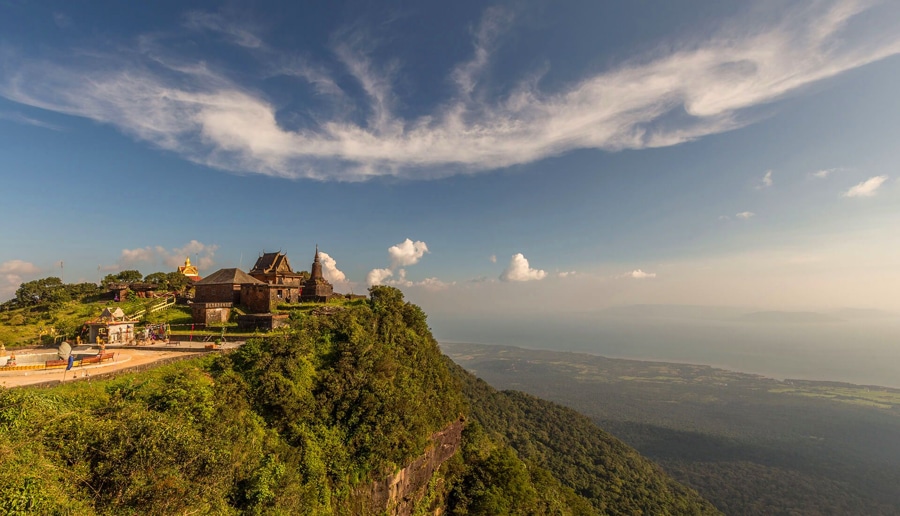
Bokor National Park, an icon for nature lovers in Kampot, is located in the Bokor Mountain range. It was established in 1993, and it is home to an extraordinary variety of plants and animals. If you love to hike, you can hike on jungle trails, view hidden places, and enjoy the cool, fresh air of the mountains. A hike in Bokor National Park will allow you to escape the heat of the lowlands.

Bokor National Park, an icon for nature lovers in Kampot

When you are out hiking, there will be lots of abandoned structures built by the French during their colonial times. These buildings add to the mystery of this area. During clear weather, there are stunning panoramic views of Bokor Mountain that sit above the coastline and the surrounding area.

Visit Bokor Catholic Church

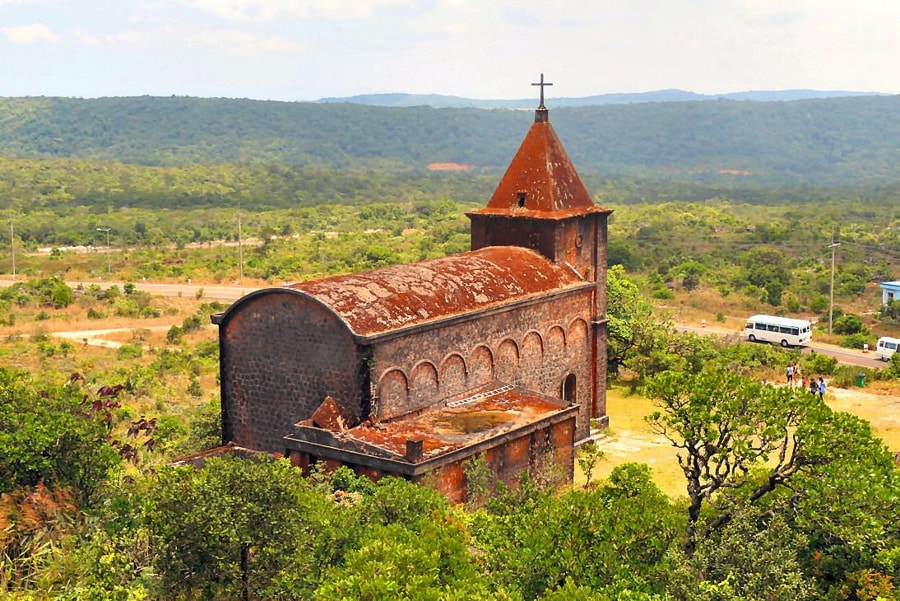
The Bokor Catholic Church on top of Bokor Mountain is an impressive colonial building in Kampot City. Built during the 1920s by French missionaries, the church is constructed entirely from stone and uses ornate Gothic architecture that can still be seen today, more than 100 years after it was constructed. Inside, the church’s finishes are simple and elegant with high ceilings and remnants of stained glass windows, which show its former beauty and grandeur.

Bokor Catholic Church on top of Bokor Mountain

Each time the church is visited, it is generally obscured by fog, which creates either a dramatic or slightly eerie atmosphere. An excursion to this site allows visitors to experience Cambodia’s Colonial Period in History while also providing visitors with great opportunities to take pictures of this unique and beautiful site. It is also a peaceful, reflective venue amidst an area of wilderness.

Discover Popokvil Waterfall

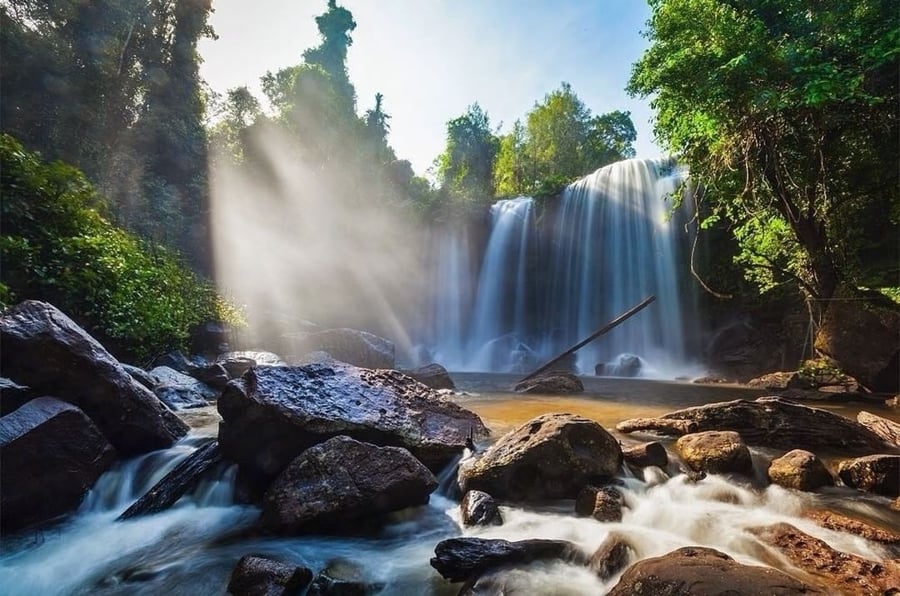
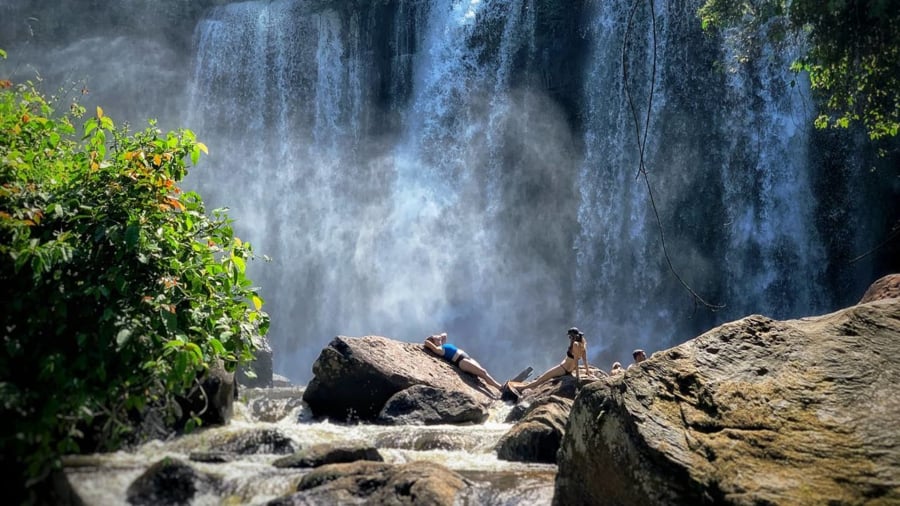
Located in Bokor National Park, Popokvil Waterfall is a stunning double waterfall and is a must-see spot for all nature lovers. This waterfall is the most impressive during the rainy season when the water rushes from the rocks into a cool natural pool below.

On weekends, many locals and visitors come to this waterfall to relax, swim, and picnic in a lush green area surrounded by many trees. The sound of water rushing and food cooking, mixed with the scent of fresh air from the forest, makes for a soothing atmosphere. There are many short hiking trails throughout the area, which allow for more exploring of the beautiful scenery surrounding the Popokvil Waterfall. This waterfall is a great place to relax and enjoy nature, so this is one of the things to do in Kampot that you should try at least once.

Visit The Kampot Salt Fields

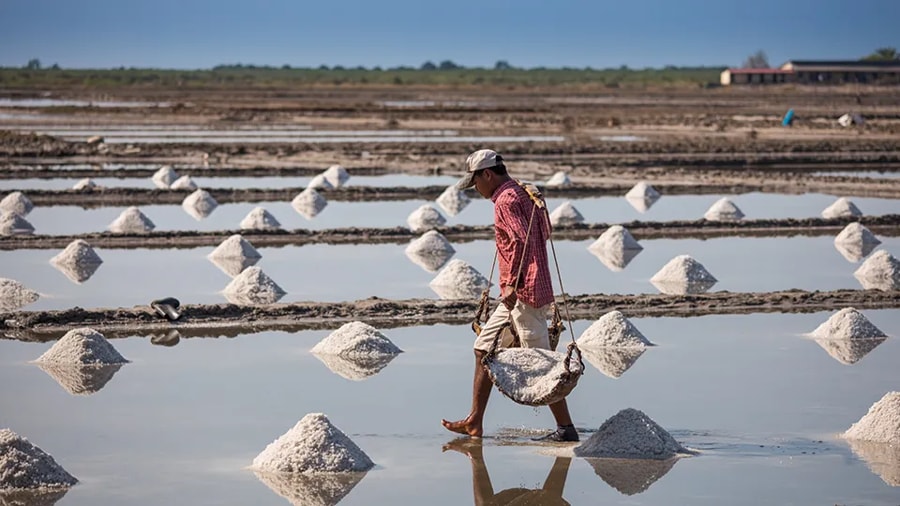
The salt fields of Kampot are an interesting demonstration of how traditional styles of life have supported people of the area for hundreds of years. Salt produced in Kampot has been renowned for its high quality and purity since the time it was first harvested from evaporated ocean water by the sun’s heat. Visitors will also be able to observe local farmers tending their shallow pools of salt and then subsequently harvesting the salt crystals by hand.

Kampot Salt Fields

The ideal time for visiting the salt fields in Kampot is during the dry season, which is the influencing factor for most of the area’s salt production at this point in time. The beauty of the salt fields will be amplified with the use of natural light between dawn and dusk, when stunning reflective surfaces can be seen stretching across the entire fields of salt. All of this offers visitors a unique opportunity to experience the cultural history of Kampot through the environment of its rural lifestyle.

Experience Kampot Market

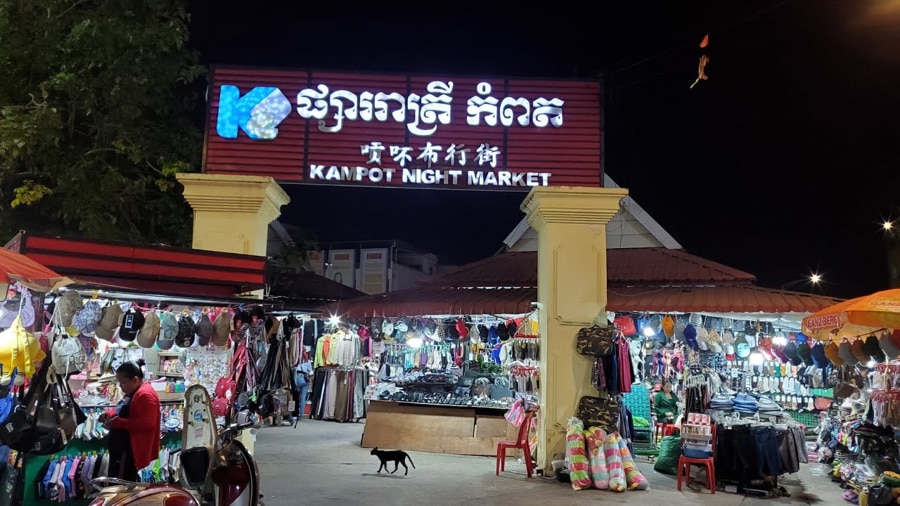
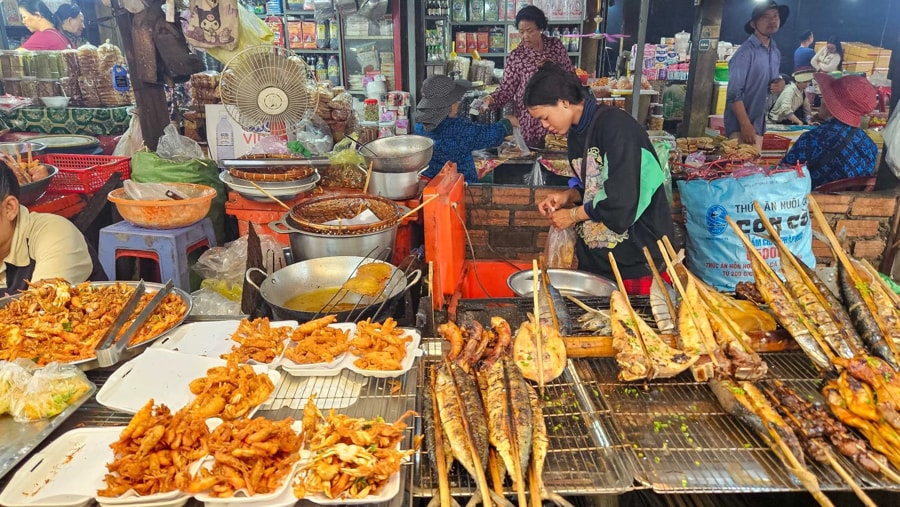
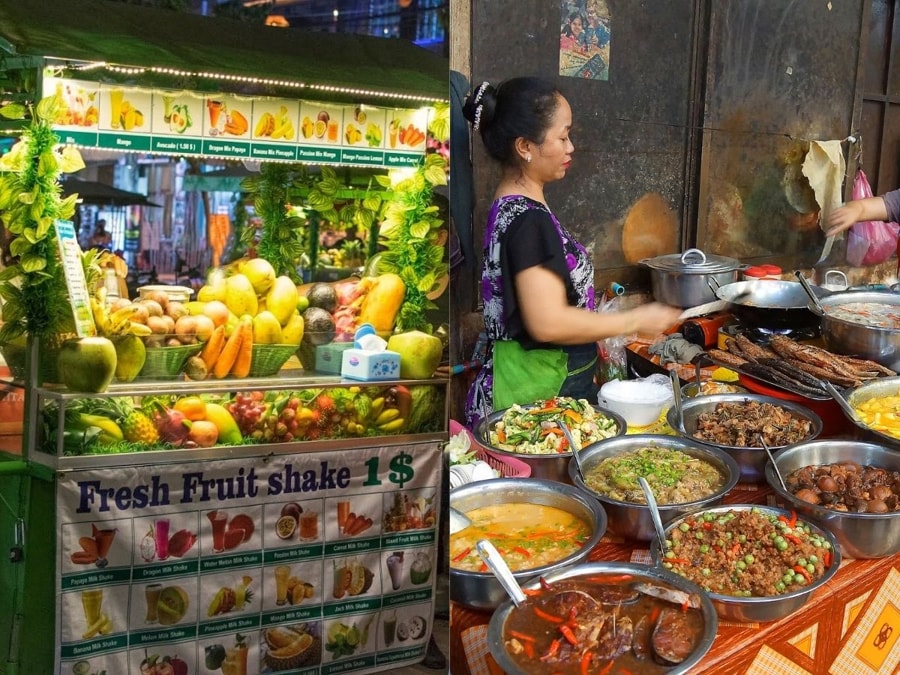
Kampot Market is the town’s hub of life, representing daily life for residents, and is full of vibrancy during the day, with everything from fresh produce to tropical fruits to spices and seafood to street food. Upon sunset, the Kampot Night Market opens; it is another social venue, where you’ll find stalls providing food, souvenir shops, and places for casual dining.

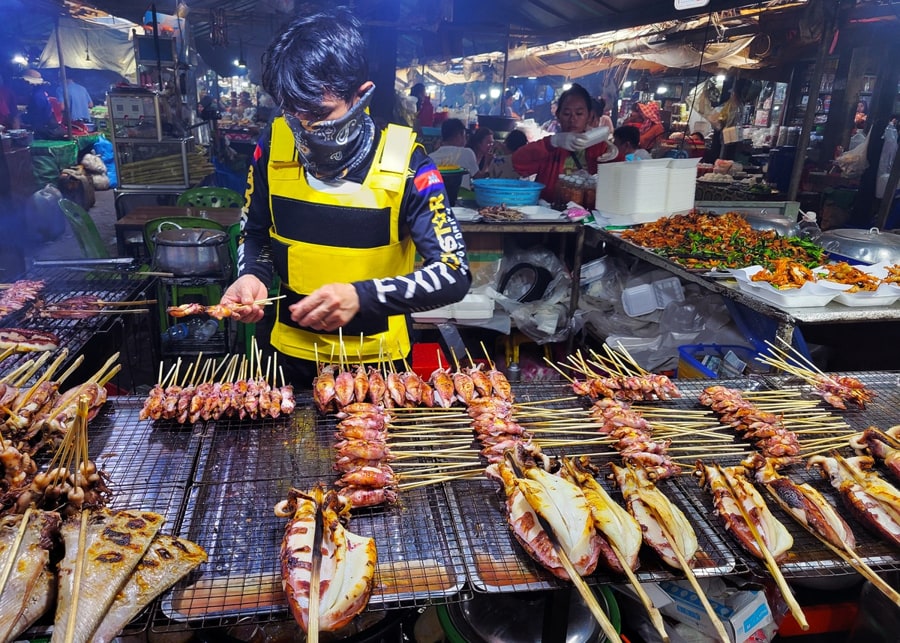
Experience food in Kampot Market

This is where you will have the opportunity to taste traditional Cambodian dishes, purchase local crafts, and experience the local atmosphere. A walk through this market enables visitors to interact with the community and observe their daily activities. Therefore, a visit here will allow visitors to get to know Kampot.

Relax at Kep Beach

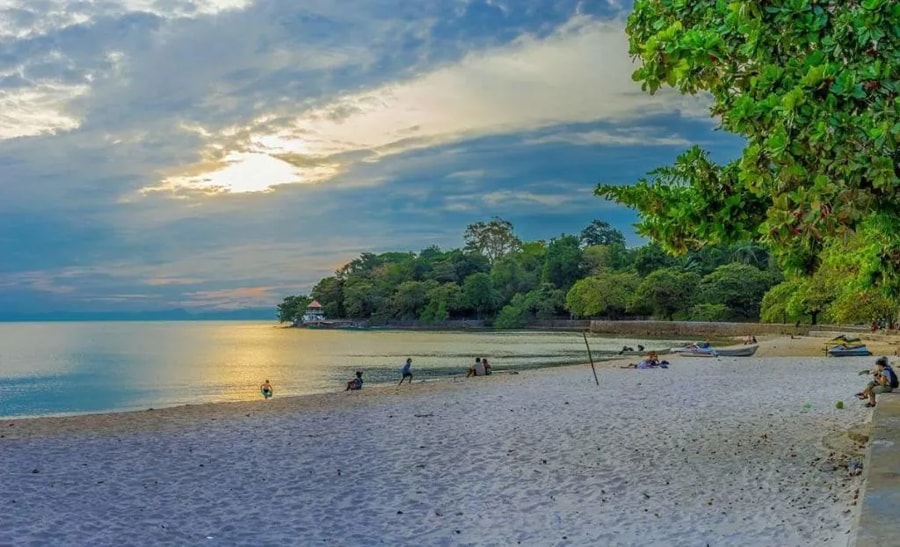
Kep Beach is in Kep and is located about 25 kilometers from Kampot, making it also an easy and popular day trip. The road to Kep Beach has stunning views of Kampot’s salt fields that dominate the horizon as you approach this scenic place. Kep Beach has exceptionally clear blue water, soft sandy beaches that are perfect for swimming and tidying up seaside, and a peaceful atmosphere. With the calm waters, it is perfect for dipping into the refreshing blue waters that surround this lovely beach.
Relax At Kep Beach

Within this wonderful area, there are many resorts and boutique hotels in Kampot where you can spend your time and take in the vistas of the ocean. Kep Beach is a wonderful place to unwind and enjoy all of the coastal charm and the perfect blend of Kampot’s mountain adventure with the beach.

Relax at Teuk Chhou Rapids

Teuk Chhou Rapids – an opportunity for relaxation, natural beauty, and tranquility, located near the busy town of Kampot, about 15 kilometers away. As Teuk Chhou Rapids is surrounded by lush green surroundings, rolling hills, and the sounds of a babbling brook, this is a wonderful location for you to relax after your hectic time in town.

Visitors can spend time relaxing by the river, enjoying a picnic, or listening to the tranquillity of nature’s creation, including the song of the birds, and the soothing sound of flowing water. Most people, during the warmer days, come to this location for swimming, cooling off, and to spend time with their friends or family. For nature lovers who would like to unwind, discover nature, or experience the fresh air of Kampot, then Teuk Chhou Rapids is your place to do so!

Swim at Koh Tonsay (Rabbit Island)

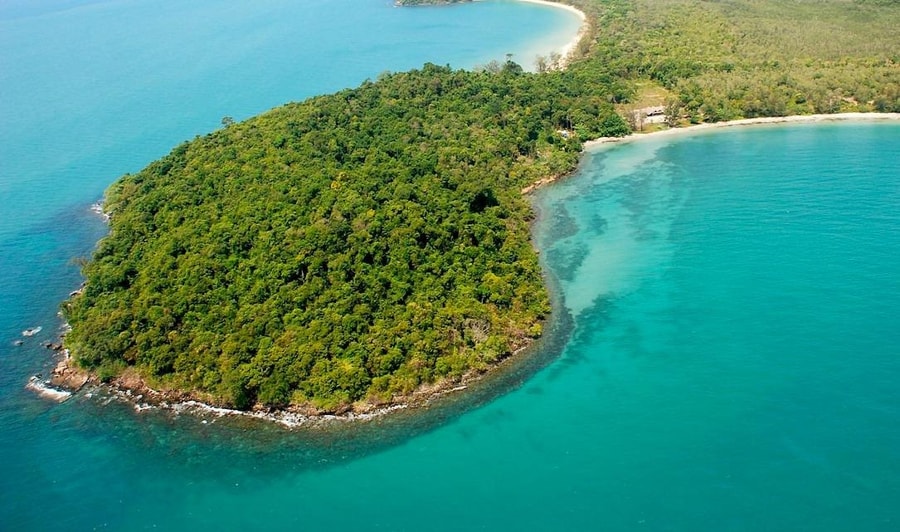
Koh Tonsay is located in Kep Province but can be easily accessed from Kampot because of its proximity. Koh Tonsay was formerly an extremely popular beach destination for local residents and tourists alike. However, since Koh Rong and Koh Rong Samloem became popular destinations, they have become much less crowded.

Koh Tonsay (Rabbit Island)

Currently, Koh Tonsay is very peaceful, quiet, and natural compared to many other islands. There are fewer services available on Koh Tonsay. However, the overall pace of life is much slower and more relaxing. Visitors can relax on the beach, take in the fresh air off the ocean, and enjoy the clear, blue sky filled with fluffy white clouds and gentle waves. If you are looking for a place to escape and enjoy nature in its purest form, Koh Tonsay is the perfect choice and one of the favorite things to do in Kampot.

Visit The Durian Roundabout (Durian Square)

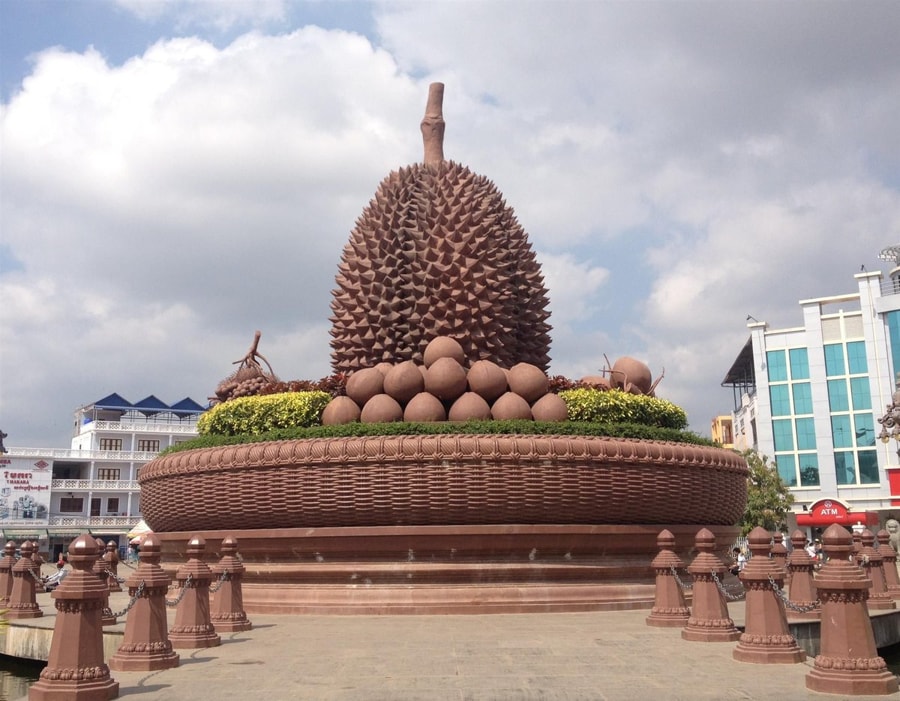
Generally, the Durian Roundabout is a very well-known identifier and stopping point for most tourists in the Kampot region of Cambodia. This area of the world has been frequently referred to as Cambodia’s “Fruit Capital,” with durian being its most popular product. A permanent display of the local fruit culture can be found in the form of an enormous sculpture of a durian (the “king of fruit), which serves as a backdrop for several other large sculptures of tropical fruits, such as coconuts, rambutan, and pineapple.

Durian Roundabout (Durian Square)

This area is lively and showcases the local pride that has been developed from Kampot’s rich and productive agricultural economy, and many visitors have an enjoyable time photographing themselves, walking around, and experiencing the sights and sounds of the everyday life of the locals. In the late afternoon and evening, the area comes alive with locals gathering around the large sculpture and taking advantage of the street vendors who set up shop in that area.

Visit Kampot Pagoda (Wat Kampot)

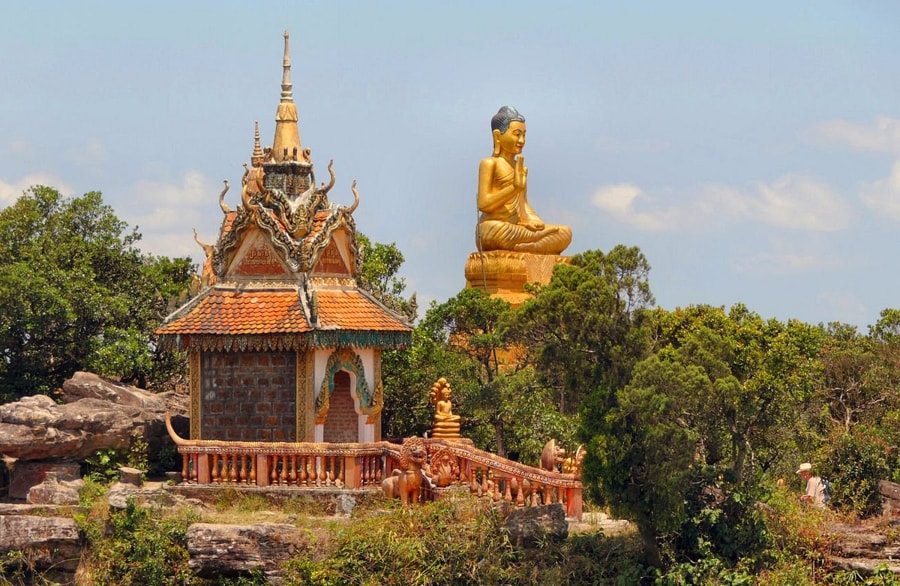
Kampot Pagoda, also referred to as Wat Kampot, is one of the oldest cultural sites in this town that dates back to the 19th century. This pagoda is set alongside the Kampong Bay River, with trees all around it, making it a serene environment conducive to reflection. The pagoda’s major hall has beautiful carvings and ornaments that display Khmer architectural works.

Kampot Pagoda (Wat Kampot)

On the inside, visitors can appreciate well-decorated statues of Buddha and important Buddhist figures. Exploring the surroundings, you can also see mini shrines, zones for meditation, and gardens, which are well-maintained by locals who pray and rest in these areas. You may be fortunate enough to see a Buddhist ritual, such as chanting, praying, or monks accepting offerings, giving a better insight into religious practices in Kampot.

Explore Wat Chum Kriel

The historic Buddhist temple Wat Chum Kriel features an elegant Khmer architectural design with numerous stone carvings and a tranquil setting. The temple is a significant religious monument and serves as a temple for the local monks and residents to worship the Buddha.

Visitors are permitted to walk around the temple grounds, view the many Buddha statues and traditional murals, and learn about the long history of the Buddhist religion in Cambodia. It is a quiet and serene location for anyone interested in the history, culture, and spirituality of the area, and provides a perfect environment for those who wish to visit the temple during their travels.

Visit Kampot Pepper Farms

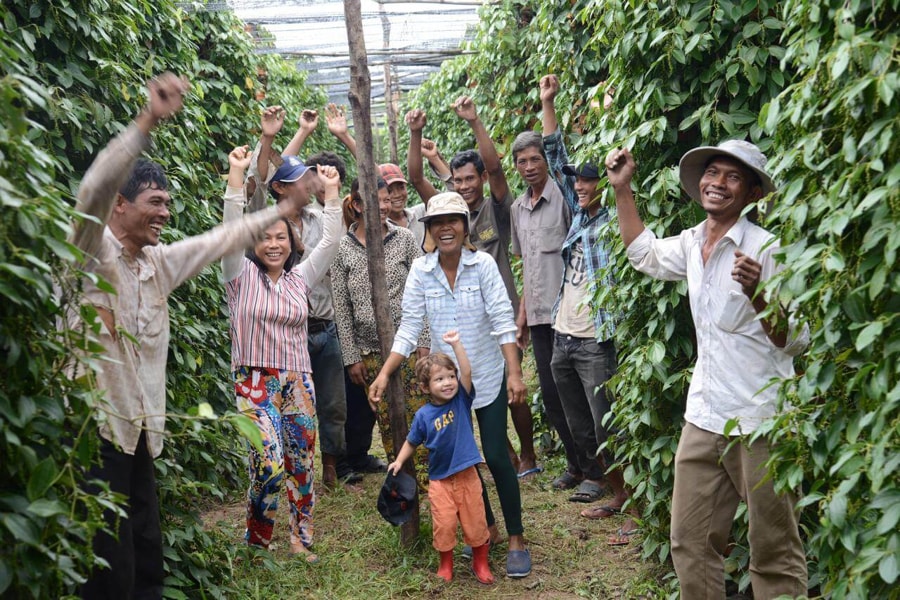
Kampot pepper is internationally renowned for its strong scent and unique taste, being one of the best things to do in Kampot. The Kampot province used to be one of the greatest pepper producers in the world, and a visit to a pepper farm in the area is something not to be missed. One can visit pepper farms to observe how black, red, white, and green peppers are produced based on their ripeness.

Visit Kampot Pepper Farms

There are a number of working farms that provide educational tours on how to cultivate black pepper. These visits allow a person to not only appreciate pepper but also gain insight into the cultural significance and history behind black pepper farming in the local area. This is just one of the reasons that Kampot pepper is different from and higher quality than other types of black pepper.

Enjoy Kampot’S Local Cuisine

Kampot is also a great place that food connoisseurs can visit if they wish to discover authentic Khmer cuisine. For those who wish to indulge in authentic local dishes, they can head over to the Kampot Night Market near the Durian Monument.

One of the things that has to be sampled is Bok-lo-hong, which is a traditional Cambodian salad made from green papaya. The salad consists of shredded green papaya, garlic, green chilies, tamarind paste, sugar, fish sauce, long green beans, tomatoes, green chilies, and roasted peanuts.

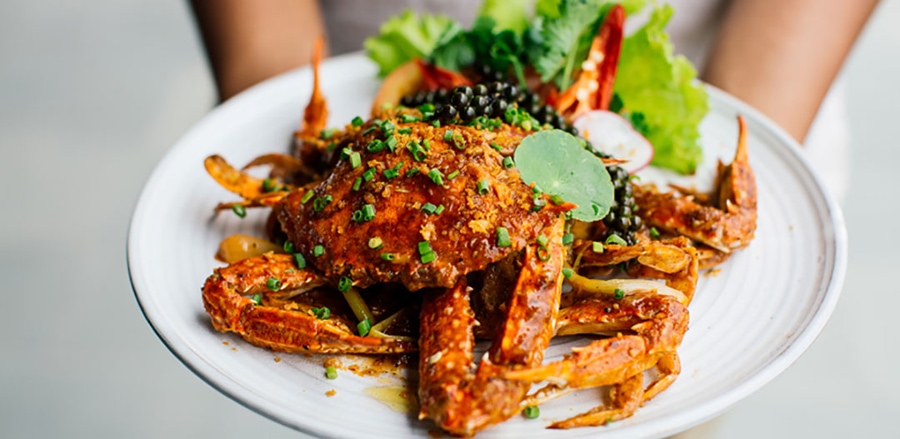
A popular dish in the country is the grilled chicken, which is renowned not only for its crisp skin but also for the juicy meat. The dish comes with stir-fried morning glory and green tomatoes in a sweet and sour sauce. Those interested in seafood would not regret trying the green crab of Kampot, which has firm and sweet meat. The green crab has a nice, sweet flavor and is considered the freshest delicacy if steamed immediately.

Final Thoughts: Is Kampot Worth Visiting?

Kampot is definitely worth visiting if you are interested in a relaxed and authentic destination that has the perfect balance between nature, culture, and local life. Whether you enjoy exploring national parks and rivers and trying unique food activities, there is definitely something for everyone. The relaxed atmosphere and friendly locals of the town make it easy to fall in love with the town. Seni World can help you plan your trip and experience the best things to do in Kampot.

Discover Phare Circus: Battambang’s World-Class Circus Show

A must-see cultural destination in Siem Reap, Phare Circus combines acrobatics, live music, dance, and compelling storytelling to highlight contemporary Cambodian art while promoting meaningful, ethical tourism.

Introduction to Phare Circus

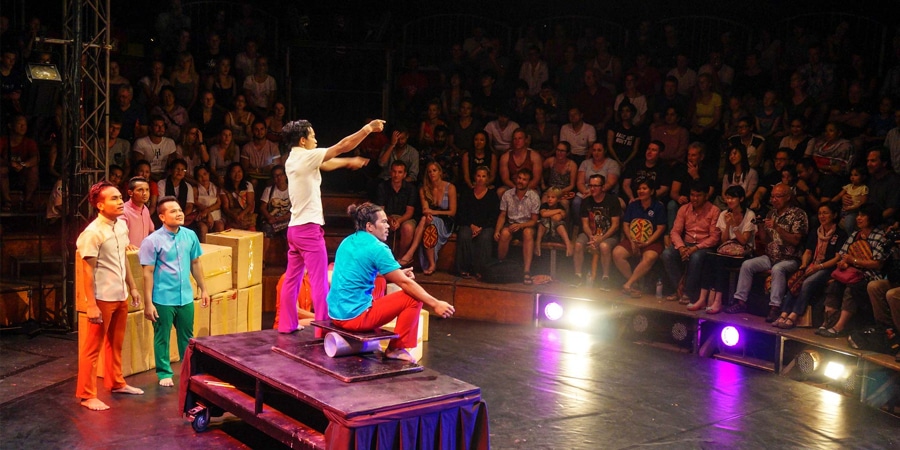
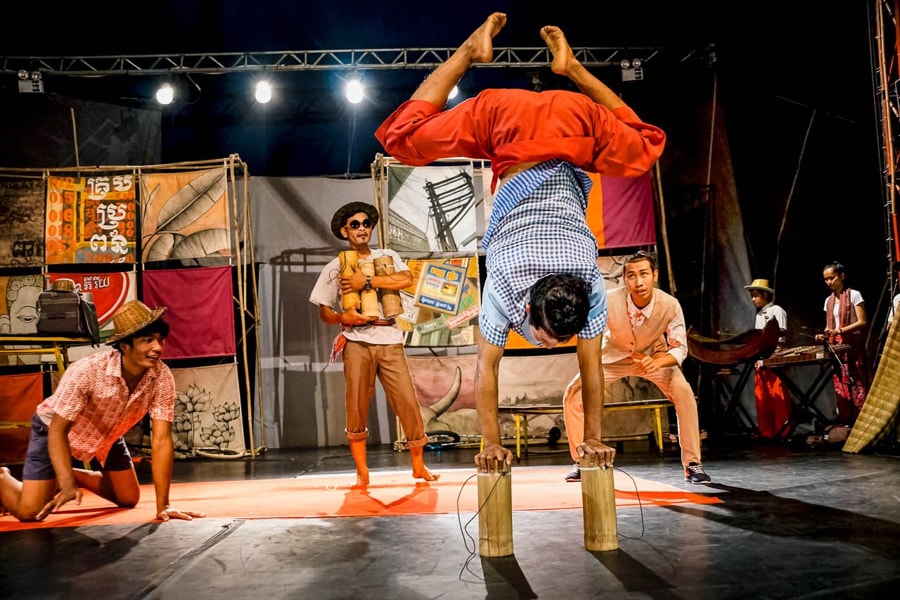
For anyone visiting Siem Reap, Phare Circus is not your typical circus – it’s a night of vibrant performances that combine Traditional Cambodian culture with storytelling, contemporary circus arts, dance, live music, and a form of visual theatre. Phare Circus represents a reflection of Cambodian culture and community through the creative vision of the founding group.

Phare Circus combines acrobatics, live music, dance, and compelling storytelling

You will come away from seeing the show, not only entertained but also having done something meaningful to help the local community. The artists that perform at Phare Circus have been trained at a nonprofit arts school called Phare Ponleu Selpak – all ticket sales from shows directly support the free education, arts training, and employment of young Cambodian performers. Phare Circus represents a way to take part in responsible and sustainable tourism in Cambodia while enjoying a wonderful show!

History of Phare Circus

Phare Circus has its origins in Battambang, Cambodia, in 1994, when nine Cambodian men returned from a refugee camp following the Khmer Rouge regime. Upon returning home, the men each began working on recovering themselves through drawing with art teacher support. The art support provided the men with a creative outlet that led them to healing. The experience of working together inspired the creation of the Phare Ponleu Selpak, which is an Arts and Education Association that provides free education and creative opportunities to at-risk youth.

Phare Circus has its origins in Battambang

The Association has undergone major growth from an arts public school into a Music and Theatre Program and finally evolved into a Professional Circus Training Program for students who wish to pursue the Arts long-term. Today, Phare Ponleu Selpak currently supports approximately 1200 students attending Public Education and 500 attending other Artistic subsidised institutions, along with an extensive Community Outreach Program.

In order to help develop a base of performing artists, Phare: The Cambodian Circus was created to provide these artists with a professional platform to earn a fair wage, as well as to instill pride in their work and themselves. Phare possesses the ability to use its performances as a mechanism to eradicate the cycle of poverty and to promote authentic Cambodian stories to the world.

Top 3 Iconic Attractions in Phare Circus

When attending the Phare Circus in Siem Reap, you’ll experience a unique cultural experience where all three components, dinner, shopping, and spectacular Circus performance, come together to create an extraordinary night. Each part of the circus provides an opportunity to engage, interact, and connect with the Cambodian culture through creativity and community spirit.

Phare Boutique – Cambodian Art and Crafts

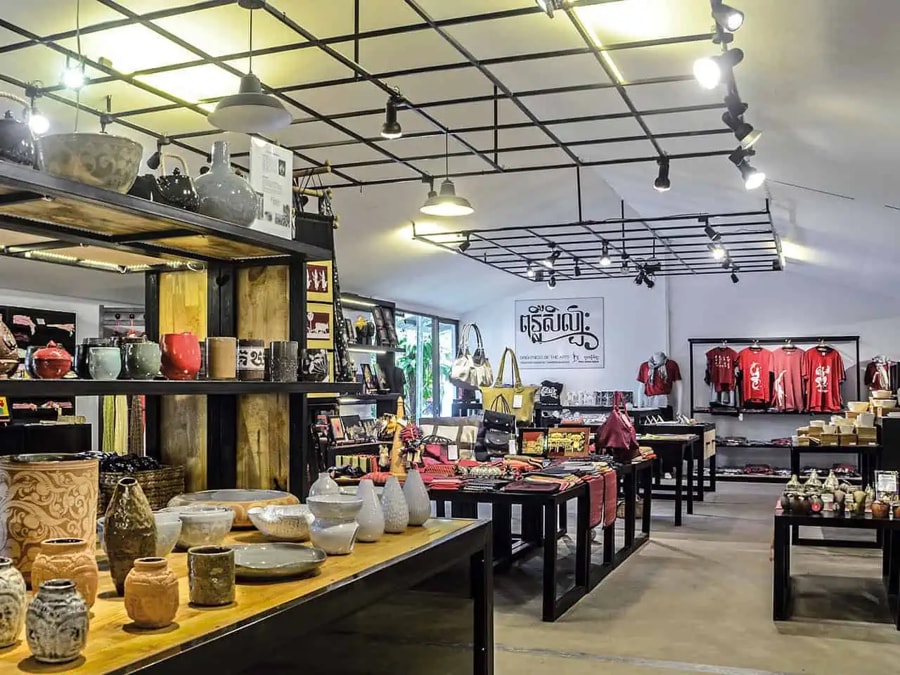
Before the main performance, many guests will likely take time to browse through the Phare Boutique, where they can find a variety of locally-produced, handmade products. Many of the products sold in the Phare Boutique are original paintings created by students of Phare Ponleu Selpak, as well as other works by Cambodian artisans.

Phare Boutique - Cambodian Art And Crafts

Purchasing items from this boutique allows you to take home a piece of Cambodian culture and support local artisans and their livelihoods while gaining a greater understanding of the artistic benefits provided to society by the local craftspeople.

Phare Café – Dining and Street Food Experience

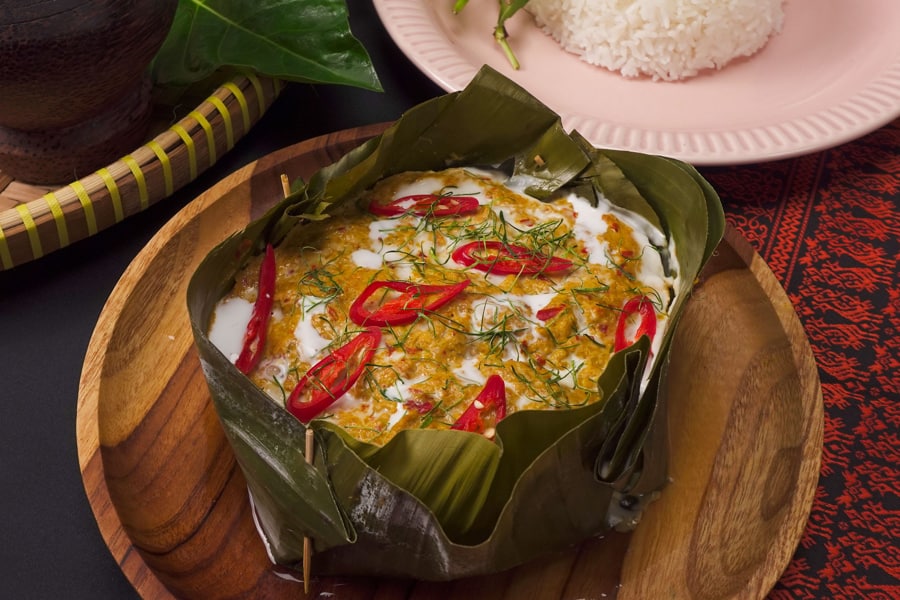
Phare Cafe is situated between the boutique and big top tent, offering a wonderful pre-show dining experience featuring a large selection of both local Cambodian and International Cuisine. You will find many favorite dishes in Siem Reap made with ingredients grown locally, such as Fish Amok and Beef Kroeung, and enjoy beverages, snacks, as well as light meals while you await the performance.

There is an exciting, lively atmosphere within the cafe due in part to the open ambiance, colorful lighting, as well as seating arrangements designed to accommodate large gatherings such as groups of friends, families, or couples looking forward to their evening ahead, enjoying good food and conversation.

The Big Top – Main Performance Arena

Attending Phare Circus ahead of time allows you to experience many different aspects of entertainment, such as watching the training sessions of the dancers and interacting with fellow audience members prior to the show.

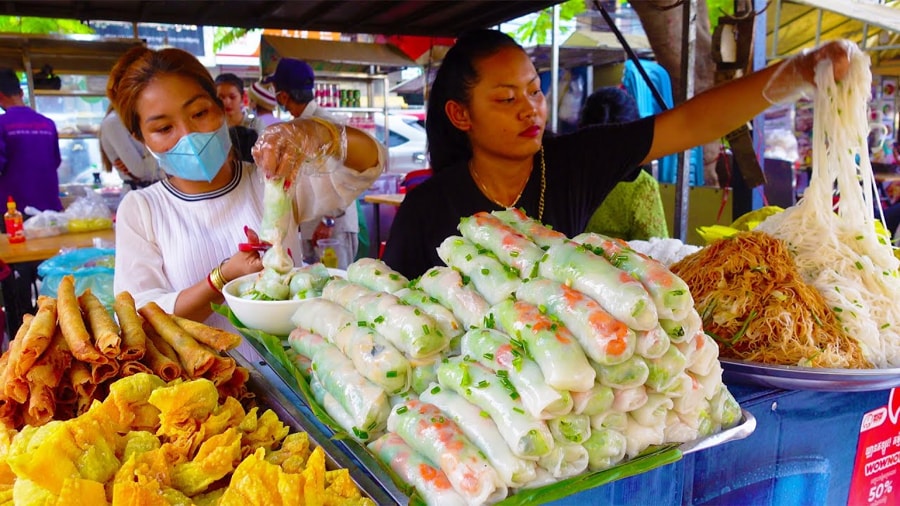
You can find numerous food booths and vendors close by that sell typical street foods from Cambodia, small snacks to tide you over until the show starts, and drinks to cool off from the heat, and provide you with an opportunity to taste the local cuisine before you watch the circus performance. The entire area is very active and has a vibrant and lively atmosphere reminiscent of a fantastic night out in Siem Reap.

typical street foods from Cambodia

5 Unforgettable Experiences You Shouldn’T Miss

Visiting Phare Circus goes beyond being a performance; it’s an experiential journey into another culture. Every step of the process, from entry into the venue to the last note of the performance, presents an opportunity to create unforgettable moments in the lives of everyone who attends.

Experience A Live Story-Driven Circus Show

The central feature of the Phare Circus experience is the live show, which combines acrobatics, theater, dance, and music in a compelling and dramatic performance. Every performance tells a different story that draws inspiration from Cambodian society and culture and ensures that no two visits are ever the same.

Experience A Live Story-Driven Circus Show

With seats shaped like a circle and placed very close together, you are able to feel every nook and cranny of the acrobats as they turn and flip in mid-air, and are immersed in every bit of the performance as they experience humor and suspense, and experience the deep emotion conveyed during this performance.

Enjoy Pre-Show Dining and Drinks

Coming early allows tourists to access Cambodian food and drinks at Phare Café before the performances. You are able to sample local snacks, light meals, or a cold drink as you take in the vibrant and creative ambiance. Coming early allows you to take a moment to relax before the performance, observe other people, and take in the excitement that comes with a circus tent. The occasion also presents an opportunity to learn more about Cambodian culture, which further enriches your evening.

Explore The Phare Boutique

The Phare Boutique provides a rich insight into the creativity of the locals. At the Phare Boutique, you get the chance to view a number of souvenirs, artworks, and other craftwork examples produced by the Phare Ponleu Selpak students and students who have graduated from the program. Every item in the store carries a rich history and plays a direct role in contributing to the educational program of the circus. A visit to the store enables you to experience the Cambodian creativity.

Experience The Energy of Live Music and Acrobatics

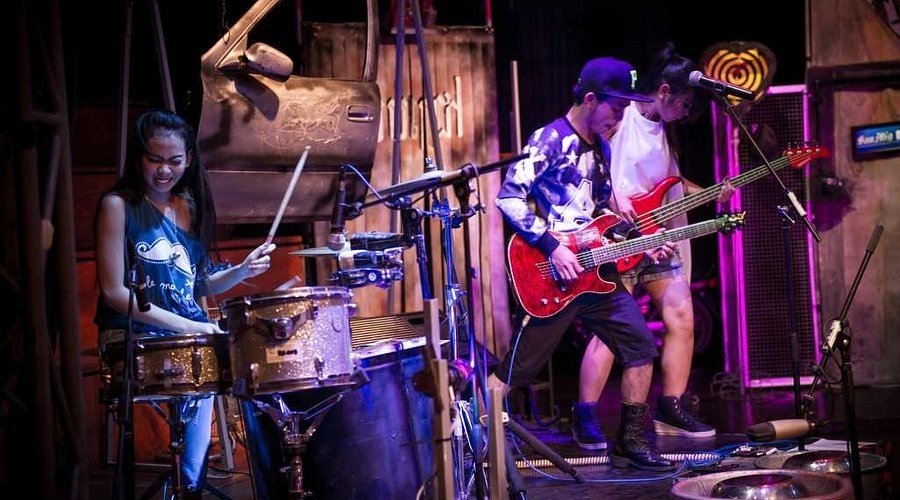
Another exciting experience offered at Phare Circus is the coordination of music and acrobatic acts. Music plays on various forms of instruments in live performances. The music is well-timed in harmony with all acts performed on stage. Notable acts include when circus performers engage in flip acts, balance acts, and synchronized acts in harmony with music. The experience of enjoying circus acts performed with music engages all the senses of viewers.

Energy Of Live Music And Acrobatics

Talk with Talent at The Performer Interaction Zone

Once the event is finished, many attendees use their opportunity to speak directly with the talent, as most performers will usually be located around the exit area to obtain pictures, signatures, and have a few words exchanged. This experience enhances the overall visit by allowing an intimate encounter with the performer, thereby providing insight into how they arrived at this point in their career and a greater understanding of their life experience. So you should add this activity to your to-do list in Siem Reap.

Entrance Fee

Phare Circus is an evening performance that requires tickets and is priced according to seating category, so you can select the experience that best fits your viewing preferences and budget. The current ticket prices for the main show at the Big Top in Siem Reap are summarized below:

Seating Category Adult (12+ years) Children (5-11 years) Details
Section A 38 USD 18 USD Reserved seating in the front half of the middle area; includes a refillable sports bottle with cool water.
Section B 28 USD 15 USD Open seating in the rear half of the middle area; a good balance of comfort and price.
Section C 18 USD 38 USD Open seating in the two side sections; some seats may have partially obstructed views.

Opening Hours

The opening time before the show even starts is roughly two hours prior, at 18:00, to give visitors a chance to check out the boutique, grab a drink at the café, and find their seats. Early access also enables visitors to immerse themselves in the vibrant environment, check out souvenirs, and grab a beverage prior to the show, especially when it is still off-peak tourist season, since a lot of tourists tend to occupy the area. The show starts at 19:30.

How to Get to Phare Circus

Getting to Phare, The Cambodian Circus in Siem Reap can be via a tuk-tuk, taxi, or bicycle ride. When riding a bicycle, you can actually see the Old Stadium located about 10 to 15 minutes away from Old Market, depending on how you are traveling. Many hotels in Siem Reap and travel companies can organize transport for you as well.

By Tuk-Tuk

The most popular and economical transportation service is provided by tuk-tuks. It’s quite easy to negotiate a ride charge, which may vary between 2 to 5 USD. Depending on your starting location, this charge will vary.

Taxi Or Grab

Taxis or Grab transportation are faster and more comfortable, especially when traveling in a group or with bags. It would cost 5-10 USD from Siem Reap to the circus.

By Bicycle

Cycling is also an enjoyable way to explore the city when you are staying close by. The rental of bicycles is around 1 to 3 USD per hour. This will give you enough time to enjoy the cycling before reaching the circus.

Get To Phare Circus by Bicycle

Things to Know Before Traveling to Phare Circus

Before going to see a show at Phare Circus, there are a few things to keep in mind to ensure you maximize this exciting and enriching cultural experience. Knowing what to expect is key to a pleasant and trouble-free night out.

  • It is advisable to arrive at least 30 to 45 minutes before the performance in order to enjoy the venue’s ambiance, browse the boutique, and have some food or drink before the performance begins.
  • Booking tickets in advance, especially during peak travel times, is advisable since the shows usually sell out quickly.
  • It is best to carefully select your seating category, as seats that are closer to the stage are better for viewing acrobatic shows and performances.
  • Taking pictures during the performance will not be allowed, so you have to enjoy the show without taking photos.
  • Dress comfortably because the show is performed in a giant tent that may be warm.
  • Come early and have dinner at Phare Cafe before the show because the food service closes as the performance begins.
  • Never forget the fact that the ticket revenue from your attendance also contributes to local artists and educational initiatives.

Final Thoughts: Is Phare Circus Worth Visiting?

The Phare Circus experience is definitely one worth pursuing for those travelers in search of a meaningful experience. They can look forward to an entertaining experience that combines storytelling, physical acts, music, and Khmer artwork in a fascinating way. Apart from enjoying this experience, one will be contributing to community education in Siem Reap. Take this wonderful experience with Seni World and include it in your adventures in Siem Reap.

Why Visit Phnom Kulen? Cambodia’s Sacred Mountain Guide

Phnom Kulen is a holy mountain located near Siem Reap, with dense forests, ancient reliefs, holy temples, and waterfall attractions. It is an important site where there is a perfect blend of nature, history, and the holy traditions of the Khmers.

Introduction to Phnom Kulen

Phnom Kulen (also called Kulen Mountain) is a well-known and historic destination in Cambodia, providing tourists access to an outstanding combination of breathtaking scenery and cultural significance. Phnom Kulen is approximately 48 kilometers north of Siem Reap, one of the most popular tourist areas in Cambodia. There are several reasons to visit Phnom Kulen National Park, including the many beautiful waterfalls, lush green canyon jungles, numerous archaeological sites, and the deep cultural significance of these locations to the Khmer Empire.

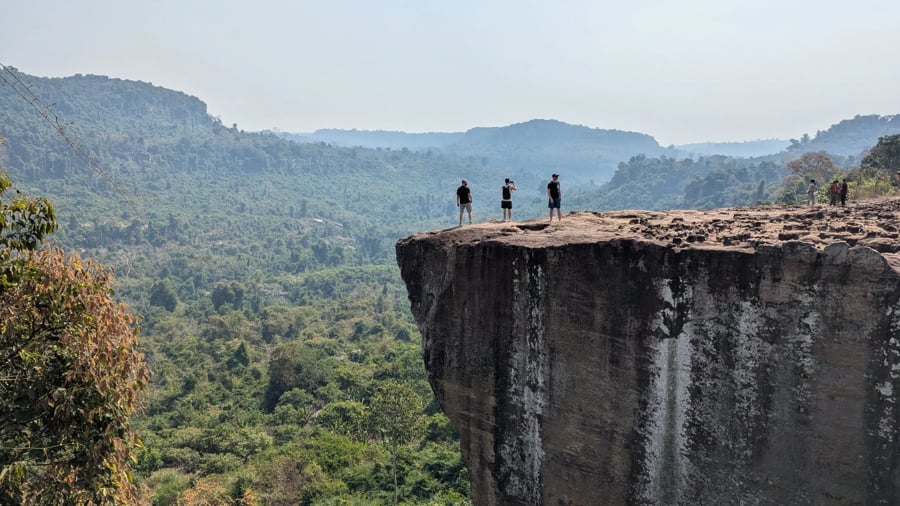
Amazing Cliff (also known as Poeng Ta Kho) viewpoint in Phnom Kulen National Park

While many people visit Phnom Kulen for its natural beauty, many others come to learn about the Khmer Empire king (Jayavarman II), who originally declared and founded Cambodia in 802 CE. In addition, there are numerous ancient carvings in the rivers, temple ruins, and the spectacular site of Preah Ang Thom with its massive reclining Buddha, all of which make Phnom Kulen an extraordinary full-day trip for anyone interested in outdoor adventure or the profound historical depth beyond Angkor’s many temples.

History of Phnom Kulen

In 802 AD, King Jayavarman II declared independence from Java and created the Devaraja ritual at Phnom Kulen, a sacred location in Cambodian history. As a result, he proclaimed himself “Chakravartin,” or “king of gods.” This act established the foundation of the Khmer Empire that lasted for over 600 years.

Phnom Kulen is a geographic high point as well as a symbolic birthplace of the Khmer nation. Visitors today not only come to see the natural beauty and archaeological sites of Phnom Kulen but also to participate in a spiritual pilgrimage to reconnect with the sacred roots of their culture.

Top 6 Iconic Attractions in Phnom Kulen

Visiting and exploring Phnom Kulen goes beyond enjoying the breathtaking scenery it offers. This tourist destination has much more to it in terms of culture and historical background. Below are some of the top attractions you should consider on your visit to Phnom Kulen:

Kbal Spean Archaeological Site

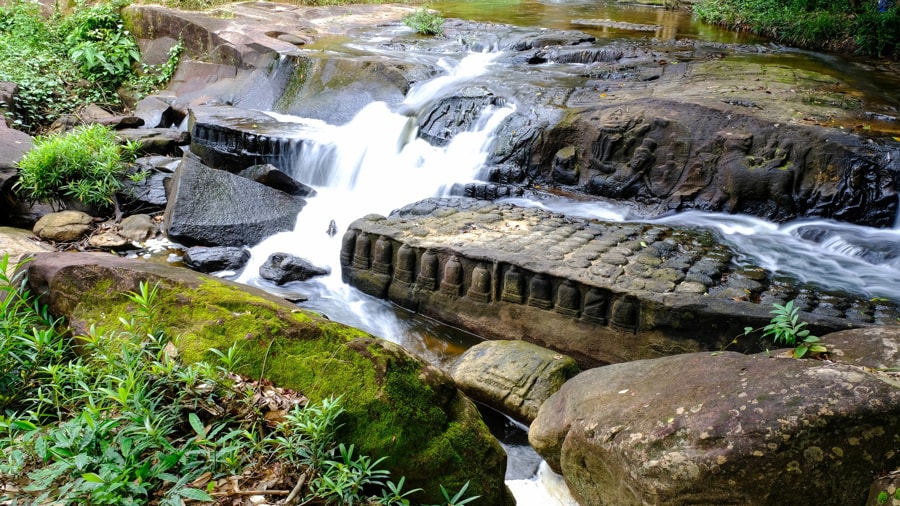
Kbal Spean, also known as the “River of a Thousand Lingas,” is an amazing archaeological site found on the western side of Phnom Kulen. Visitors can hike an exciting trail in the forest to explore intricate bas-reliefs carved in sandstone from the 11th to 12th centuries.

Kbal Spean Archaeological Site

The carvings illustrate Hindu gods like Lord Vishnu, God Brahma, and Lord Shiva, with prominent scenes of Vishnu resting on the Ananta serpent, along with Lakshmi. The carvings are touched by the sacred water, which has traditionally been used by devotees for the purpose of religious bathing, making Angkor Wat not only a wonder of the ancient world but also a religiously important spot that showcases the strong religious culture of Cambodia.

Chup Preah Valley

Chup Preah is an ultracool place with gently meandering streams and valleys dotted with green trees. Near this tourist site stands a Buddhist statue dated back to the 16th century. The statue is located close to an immense tree that measures about 15 meters. The ambiance at this tourist site offers a serene experience, which allows visitors to relax and unwind in this natural setting that allows sounds to flow from nature.

Preah Ang Thom Temple

Preah Ang Thom is an incredible Buddhist temple home to the gigantic 17-meter-long reclining Buddha statue crafted from sandstone. This temple dates back to the 8th century. This site has beautiful carvings and giant stone architecture. This temple complex also comprises Sdach Kamlung, which is an ancient temple nestled in the region, partly hidden by the lava flow created many centuries ago. Exploring Preah Ang Thom temple definitely provides an interesting insight into the architectural wonders, spiritual faith, and rich culture of the people of ancient Cambodia.

Preah Ang Thom Temple

Forest Trekking and Wildlife Sightings

Perhaps the most immersive experience to be had in Phnom Kulen is that of trekking or cycling through the dense forests that fill this region. The variety of natural habitats in this park supports a wide variety of wildlife, including monkeys, hornbills, and pythons, to name a few, and there is no end to the amount of observation and photo opportunities that a nature lover could have here. Trekking trails lead to lush environments, with areas ideal for picnics, camping, and even mountain climbing.

Waterfalls of Phnom Kulen

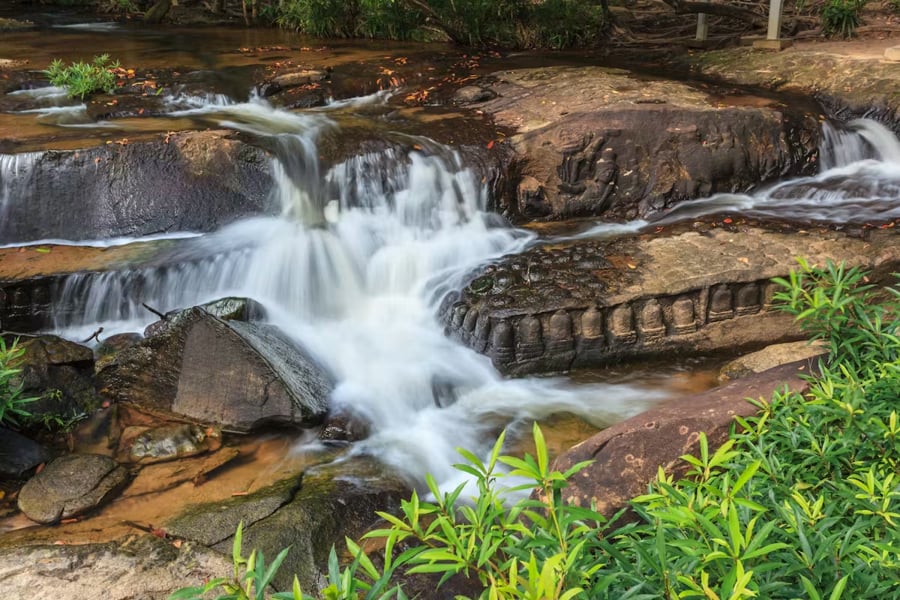
Phnom Kulen is renowned for its stunning waterfalls, which display crystal-clear water cascading into natural ponds, forming a cooling paradise amidst the dense rainforest. This site allows tourists to swim, relax, or picnic around the beautiful waterfalls as they are treated to the sweet melodies generated by flowing water. The conducive environment, filled with a wide array of plants and animals, contributes significantly to the magical atmosphere, which, in turn, makes a visit to Phnom Kulen a worthwhile activity that also presents a rich opportunity to take incredible pictures.

Waterfalls Of Phnom Kulen

Secret Cultural Spots and Beautiful Viewpoints

Apart from these popular sites, Phnom Kulen also holds some hidden temples, caves, and viewpoints that are ideal for scenic views of the surrounding environment. Such sites are less crowded and are suited for a better connection with nature and history. Sunrise or sunset viewpoints are some of the most spectacular sites, with magical lighting that increases the mystique surrounding Phnom Kulen, besides offering favorable conditions for photography and relaxation.

5 Unforgettable Experiences You Shouldn’T Miss

Kbal Spean is an excellent location to visit if you want to have an overall experience with your five senses. For example, this site features both ancient Hindu rituals and beautiful nature tours. As you travel through the site, you can develop a closer relationship with Cambodia’s spiritual and natural histories.

Walk Along The Sacred River at Kbal Spean

Kbal Spean is one of the more meaningful ways for anyone traveling to Phnom Kulen to experience the Cambodian spiritual heritage. You will encounter the water flowing with life and vitality as you walk towards Kbal Spean on the forest trail. There are carvings carved in stone that represent Hindu gods and sacred symbols that can be found etched into the riverbank. The best time to see these carvings is during the dry season, when you can hear the babbling water and view the carvings with clarity and peace of mind.

Sacred River At Kbal Spean

Experience A Local Blessing at Preah Ang Thom

At Preah Ang Thom, you will feel the unique blend of Cambodia’s long-standing Buddhist history. The large reclining Buddha carved into one massive piece of sandstone is breathtakingly beautiful, as is the sight of locals offering incense and prayers. Take your time, dress appropriately, and enjoy a calm moment while visiting before asking the resident monks for a blessing.

Visit Phnom Kulen Waterfalls and Cool Off

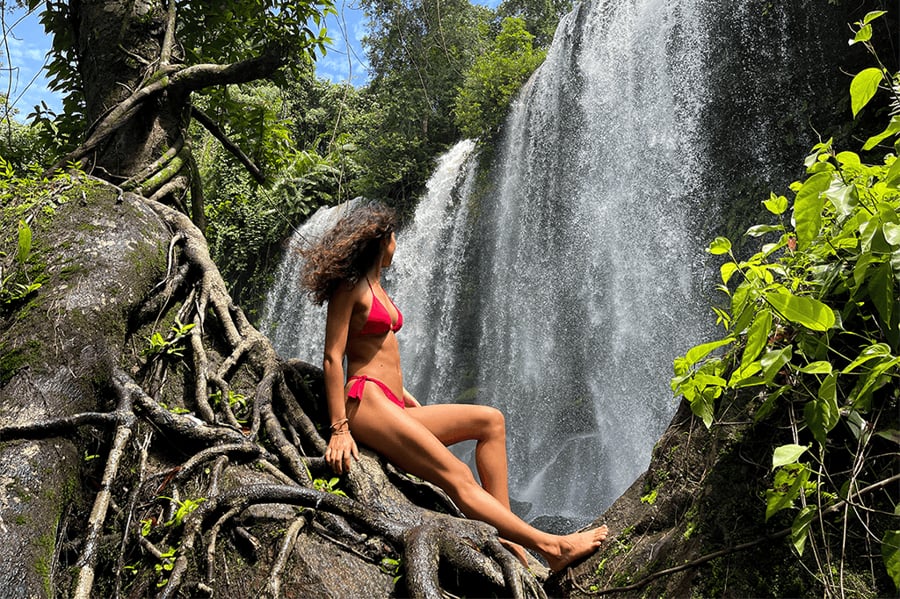
After hiking through temples and trails through the forests, the natural pools of the waterfalls of Phnom Kulen offer an opportunity to cool off. The waterfalls are especially inviting and refreshing during the hot summer months. Arriving early in the morning allows you to avoid the crowds and enjoy the beauty of the area more peacefully. Wearing water shoes also makes navigating slippery rocks much easier and safer.

Visit Phnom Kulen Waterfalls And Cool Off

Hike Through The Jungle and Find Hidden Gems

Phnom Kulen’s lush forest offers a uniquely rewarding experience in Siem Reap for those who love spending time outdoors. Walking through the jungle, you will encounter many beautiful sights along your hike, including enormous trees, wildlife, and many spots perfect for taking breaks along the way.

Although you may wish to take advantage of using a guide if you’re considering a trek for educational purposes, if you want to learn about the history and culture of the area by seeing plants and animals in person.

Entrance Fee

Phnom Kulen, the birthplace of the Khmer Empire, is famous for ancient temples, the giant reclining Buddha at Preah Ang Thom, and beautiful waterfalls in a serene and untouched environment. Phnom Kulen is an important place of pilgrimage for those seeking spiritual enlightenment and natural beauty.

Visitors to Phnom Kulen National Park must pay around 20 USD each for the entrance fee. This fee allows you to see the park’s important cultural, historical, and scenic sites.

Opening Hours

Phnom Kulen National Park is an open park, normally accessible on a daily basis, opening daily between 7:00 AM and 5:30 PM, similar to other main temples and attractions located within the Angkor area. Plan to arrive at the national park early in the morning when the weather is generally cooler, which also provides the best opportunity to see all of the sites available to visitors.

Phnom Kulen National Park is an open park

Phnom Kulen is best visited in the dry season of December through April in Siem Reap, because this is when conditions are the easiest for accessing the area due to the stable weather and the less likely chance of mud on the roads. The dry season will allow you to trek, visit temples, and explore waterfalls comfortably without being affected by poor weather conditions. However, if you do want to go during the rainy season, you will need to plan your visit carefully and consider the conditions of the roads. A lot of rain can often cause muddy and inaccessible areas to develop.

How to Get to Phnom Kulen

It is easy to access Phnom Kulen if you are in Siem Reap, as you can take transportation according to your budget, convenience, and preference. It should take around 1.5 to 2 hours to reach Phnom Kulen, as it is about 50 km away from Siem Reap town.

By Tuk-Tuk

The tuk-tuk is the most popular mode of transportation and the most budget-friendly option. The local drivers will most likely know the way to Phnom Kulen and will wait for you during your exploration if you coordinate with them in advance. The mode of transportation will give you the experience of sitting in the open air with countryside scenery along the way, albeit with the heat and dusty roads. The cost will range from USD 20-30 for the round-trip fare.

tuk tuk  in cambodia

By Taxi or Private Car

Taxi or private car and driver is the most convenient and comfortable way, particularly suitable for a family or a party of travelers. You can rent a car in Siem Reap either from your hotel, a travel agency, or an internet platform. There is air conditioning, smooth movement on bumpy roads, and the flexibility to manage your time effectively. The average price is about 40 to 60 USD per day.

By Motorbike

The best option for adventure-seeking tourists who love to explore independently is to rent a motorbike. When motorbike rental is chosen, tourists can make as many stops as they like, but it is also a risky option because tourists ride motorbikes over long distances. It is a must to wear helmets when riding motorbikes. Additionally, tourists are advised to carry an international driving license. The cost of motorbike rental per day is USD 8-15.

Things to Know Before Traveling to Phnom Kulen

Planning will help you make the most of your visit to Phnom Kulen. These practical tips can help ensure a safe and enjoyable visit to this sacred site and preserve the beauty of nature here:

  • Before you go to visit Phnom Kulen National Park, check the weather conditions in Siem Reap first, because heavy rainfall may make certain trails very difficult or unsafe.
  • For hiking in the park, you should wear a hat, sunglasses, and lightweight hiking-style clothing that is comfortable to wear. Good sneaker shoes are footwear that would be good for uneven surfaces.
  • You will need to bring some snacks and beverages during your visit, since there are no shops or restaurants available in the park.
  • When swimming in or wading through waterfall areas, please use caution. The rocks can be extremely slippery, and you may wish to bring along a change of clothing for after your swim.
  • Remember to carry a small bag for food waste, as it is your responsibility to keep Phnom Kulen clean and unspoiled.
  • Please dress appropriately when visiting any areas of cultural or spiritual significance located in Phnom Kulen. Always be respectful; you should dress modestly and speak softly when in such places.
  • Plan your visit so you will have enough time to see both the natural and cultural attractions, since the distances between sites require walking or hiking to get to them.

Final Thoughts: Is Phnom Kulen Worth Visiting?

Phnom Kulen National Park is a destination you should not miss if you are visiting Cambodia, as it is one of the very few places that have both natural attractions and religious significance. Whether it is the trekking trails or the reclining Buddha image, Phnom Kulen National Park has a lot to offer to those who want to enjoy a memorable Siem Reap trip and experience the magic of Phnom Kulen by planning a trip with Seni World.

Meet The Rats Saving Lives At The Apopo Visitor Center

The APOPO Visitor Center in Siem Reap offers visitors an educational and inspiring experience of how specially trained hero rats are helping to save lives by detecting landmines and tuberculosis. This exciting opportunity allows visitors to explore education, innovation, and social impact in a single visit.

Introduction to Apopo Visitor Center

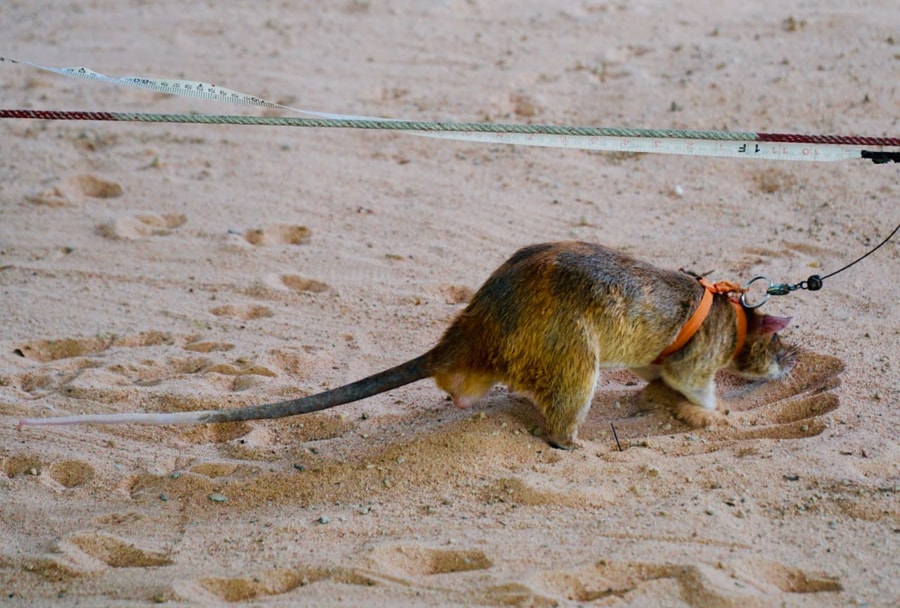
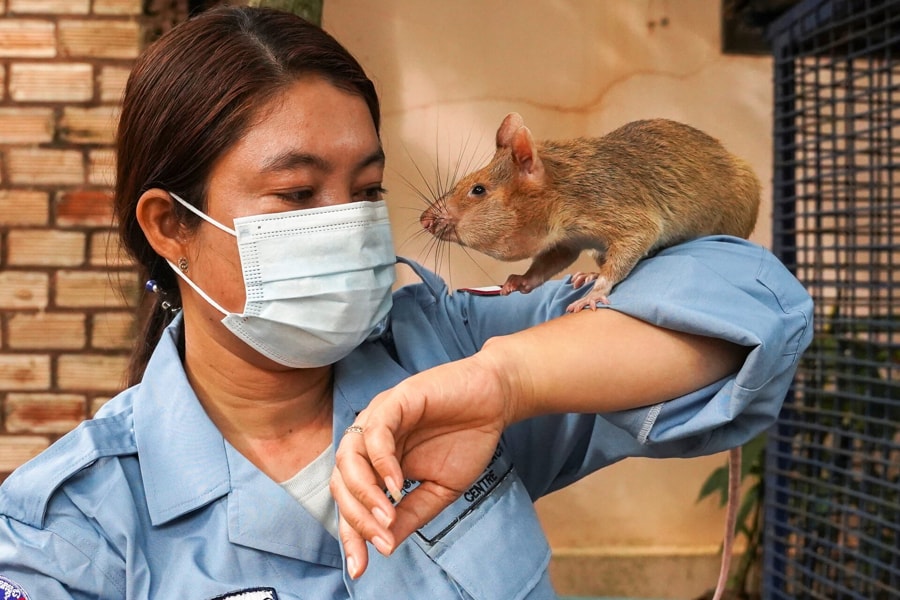
Visitors to the Apopo Visitor Center, which is located in Siem Reap, can enjoy experiences that are not typical of other types of tourism. The focus of Apopo is the work of the organization that has trained African giant pouched rats, referred to as HeroRATs, to find tuberculosis and landmines. When you visit the center, you will see how the rats are trained and find out how the life-saving work that they do is impacting so many lives around the globe.

APOPO Visitor Center in Siem Reap has trained African giant pouched rats

The Apopo Visitor Centre allows guests to learn how the amazing detection rats protect and improve the safety and health of communities, and therefore, it is an excellent place for families, students, and other socially conscious tourists to visit. The Apopo Visitor Centre aims to be a centre of excellence through education via interactive demonstrations, storytelling, and compelling displays that help visitors appreciate how innovative science and empathy will deliver solutions to many of the world’s most pressing global challenges. In addition, by supporting the Apopo Visitor Centre, guests directly support APOPO in continuing to fulfill its mission to clear landmines and save lives, thus making the visit both enjoyable and meaningful!

History of Apopo Visitor Center

The APOPO project started in the mid-90s in Belgium as an innovative way to help find and remove landmines by training African Giant Pouched Rats to detect landmines. The idea came about after Bart Weetjens and other scientists became aware of how well these rodents smell and realized that they could use them to detect buried mines with much greater safety and effectiveness than current methods offered. The project was officially launched in 1997.

The APOPO project started in the mid-90s

APOPO has been involved in Mine Detection since its beginning, but it wasn’t until recently that its focus was broadened to include tuberculosis screening and disaster rescue. They are now able to train animals to do life-saving tasks in many different parts of the world. To create awareness about this unique type of work and to help educate visitors to Cambodia and the surrounding area, they have recently opened a Visitor Center in Siem Reap.

As of January 2018, the Visitor Center was officially opened to showcase what HeroRATs do, and the science and training that go into HeroRAT operations. Visitors can learn about what is involved in Landmine Clearance, participate in demonstrations that highlight the rats’ ability to detect landmines, and see how their work contributes to the creation of safer and healthier communities.

The Mission of Apopo Visitor Center

Visitors to the Apopo Visitor Centre learn about how APOPO’s life-saving work has a direct impact on the world and why the APOPO mission is important. Two primary educational activities offered by the centre demonstrate how innovative scent detection technologies are being applied for the greater good.

Detecting Landmines

The main goal of APOPO is to train HeroRATs to detect hidden landmines and explosive remnants of war. The African giant pouched rats that have been raised to detect the scent of explosives can locate explosives much faster than any old-style detection method could, enabling them to clear land of contamination much more efficiently and safely, so people and their communities can comfortably farm, build, or rebuild without fear of imminent danger.

HeroRATs Detecting Landmines

Detecting Tuberculosis

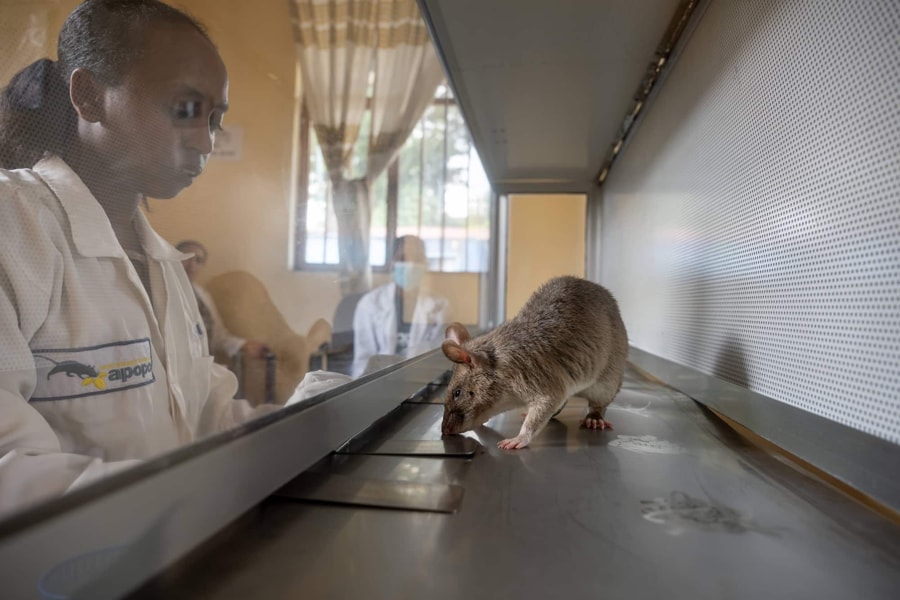
APOPO trains rats to provide support to public health, such as locating tuberculosis (TB) within human sputum specimens. With TB detection, rats may evaluate many specimens very quickly compared to traditional laboratory techniques; this facilitates the prompt diagnosis and treatment of individuals who would likely remain undiagnosed, resulting in lives being saved and the spread of the disease being reduced.

APOPO trains rats to Detect Tuberculosis

The two main activities of APOPO, removing potentially harmful landmines and increasing the speed of TB detection, are reasons why the Visitor Centre is such an excellent venue for learning about this important humanitarian enterprise.

4 Unforgettable Experiences You Shouldn’T Miss

At the Apopo Visitor Center, a visitor’s experience will go far beyond simply looking at exhibits; they will get an understanding of inspiring humanitarian work and have an opportunity to be involved in some of the more memorable activities that bring together visitors with APOPO’s mission to change lives.

Observe The Herorats In Action

For many visitors to the Apopo Visitor Center, observing HeroRATs in action is one of the many reasons for their visit. Through live demonstrations, visitors have the opportunity to see how specially trained rats are used to search a simulated minefield for explosive materials hidden in the earth.

Observe The HeroRATs In Action

During this demonstration, the staff will explain how the rats are trained through a system of positive reinforcement, why the rats are the best choice for this task, and how their lightweight characteristics allow for safe operation compared to traditional methods. Through this experience, visitors will learn about the innovative ways to solve dangerous, time-consuming, and difficult tasks faster and more compassionately. So, if you have a chance, you should meet these rats at least once – one of the must-see activities in Siem Reap.

Learn About Landmine Detection Up Close

In addition to the demonstrations, the center provides detailed explanations of APOPO’s landmine detection procedure using maps, exhibits, and actual field-use equipment. Visitors will discover how landmines still have an impact on communities long after hostilities are over, impeding daily safety, farming, and education.

Employees tell tales from the nations where APOPO works, describing how cleared land is given back to the locals for farming and housing. Visitors have a stronger emotional connection to the long-term advantages and humanitarian significance of demining as a result of this experience.

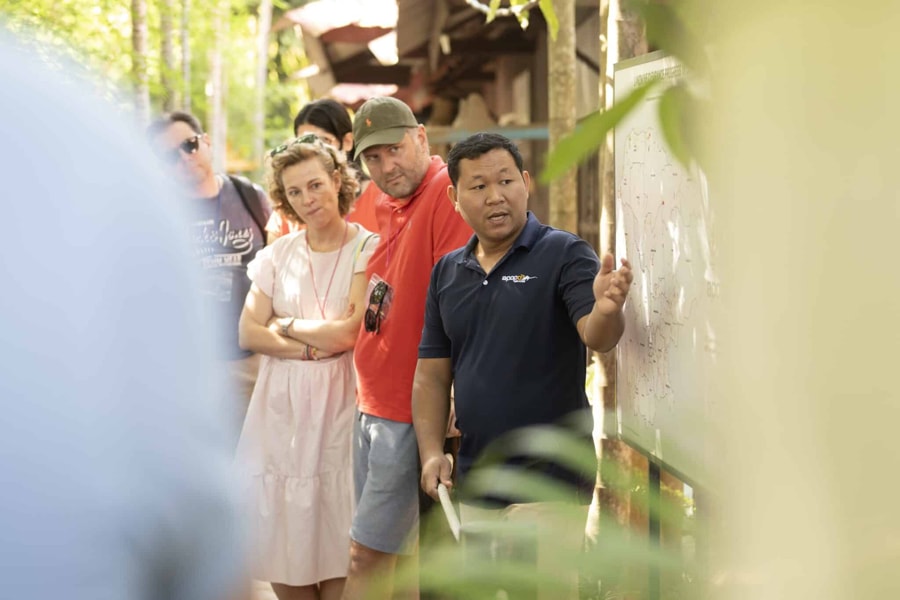
Join A Guided Tour with Apopo Experts

Through this guided tour, you will get an inside look at the science of training and the local communities that have been affected by the work of APOPO.

Join A Guided Tour With APOPO Experts

On this tour, you will interact with trained staff who will explain the different aspects of their job, including their training program, how the animals are trained, and how their work is affecting local communities. This type of education is beneficial as it helps people understand how people are affected by the work of APOPO and how science is used for good.

Interact with Educational Exhibits and Support The Mission

The educational exhibits show the different ways in which APOPO has been successful, including pictures and videos as well as interactive displays. After viewing the many educational exhibits from around the world, you will understand the impact of donations and visitor support on the training programs and field operations of APOPO. Most visitors leave having been inspired by their visit and with an increased sense of global responsibility and a desire to support ongoing humanitarian innovation through ongoing support.

Entrance Fee

Touring the Center is not only very inexpensive (10 USD/pax) but also provides significant benefit to those who would like to assist in an important humanitarian effort. Children younger than ten years old can be accompanied by adults free of charge as well, creating an ideal family excursion.

Opening Hours

The Apopo Visitor Center is open every day and allows you to add this unique experience to your travel plans with ease. It’s open daily between 8:30 AM – 5:00 PM, but the last guided tour begins at 4:30 PM, so arrive earlier than that, you will have time to enjoy everything without being in a hurry.

Apopo Visitor Center is open every day

For best results, visit the Apopo Visitor Centre during the dry season (usually Nov – Apr) in Siem Reap because the weather should be pleasant, and traveling around Siem Reap will be easier. The best times of day to visit are in the mornings when temperatures will be cooler, and tours will be less crowded, giving you more opportunities to have close contact with your guide and gain greater insight into APOPO’s work to save lives.

How to Get to The Apopo Visitor Center

The APOPO Visitor Centre is conveniently located close to the Angkor temple complex and is easily accessible from central Siem Reap (Pub Street) as part of your Angkor area sightseeing itinerary. The best way to reach the APOPO Visitor Centre is by tuk-tuk, providing a comfortable journey and scenery to enjoy along the way.

A tuk-tuk ride from either central Siem Reap or Pub Street will take approximately 15-25 minutes, depending on traffic. A one-way tuk-tuk ride will cost around 5-8 USD. However, if you would like to include your tuk-tuk driver waiting for you at APOPO, the round-trip cost will be around USD10-15 for a round-trip plus waiting time. It is best to confirm the tuk-tuk driver’s fee before departing, so you do not get caught off guard.

To get more comfort, you could easily go by taxi or private car, which would cost approximately 12-18 USD each person. The price will depend on your hotel’s location and the amount of time you will need to wait for your driver. This type of transportation is ideal for families or small groups.

For active travelers who are staying close to the beach, there are also opportunities to rent a bicycle for 2-4 USD per day, but this is only recommended for people who have experience with riding a bicycle over extended periods of time under the sun.

Things to Know Before Traveling to The Apopo Visitor Center

Visiting the Apopo Visitor Center can be made easier and better understood by knowing some important practical information about your visit. The information below will help prepare you for your visit, make it easier to understand what to expect during your time there, and get the best value from this inspiring attraction.

  • To see the guided tours and live HeroRAT demonstrations, please check the daily schedule before your visit. Guided tours and live HeroRAT demonstrations are conducted at certain times of the day.
  • When you arrive at the Apopo Visitor Center, please allow yourself enough time to register and explore the information panels before the start of the demonstration.
  • Please be prepared with comfortable shoes and lightweight clothing, since a portion of your visit will involve walking and standing outside.

Learn About Landmine Detection Up Close

  • You may take pictures or video using a digital camera and/or cell phone; however, please respect staff members’ requests regarding photo-taking of the HeroRATs and training areas.
  • Please allow 60 to 90 minutes for a complete experience that includes an introduction to the programs, a demonstration, and a FAQs period with the staff.
  • If you are provided with the opportunity, it may be best to visit the Apopo Visitor Center in the morning to avoid the heat and to reduce crowds during demonstrations.
  • Consider supporting the mission of APOPO by stopping by the donation or souvenir area at the end of your tour, if available.

Final Thoughts: Is The Apopo Visitor Center Worth Visiting?

Travelers looking for a memorable and impactful experience in Siem Reap should make sure to add the Apopo Visitor Center to their list of must-see stops. This incredible sight seeks to merge education, inspiration, and compassion by demonstrating how HeroRATs are trained to locate and remove landmines and identify areas at high risk of contamination by disease. Through our partnership with Seni World, we encourage you to visit the Apopo Visitor Center and also include an educational element to your journey in Siem Reap.

The Siem Reap Pub Street Travel Guide For Night Lovers

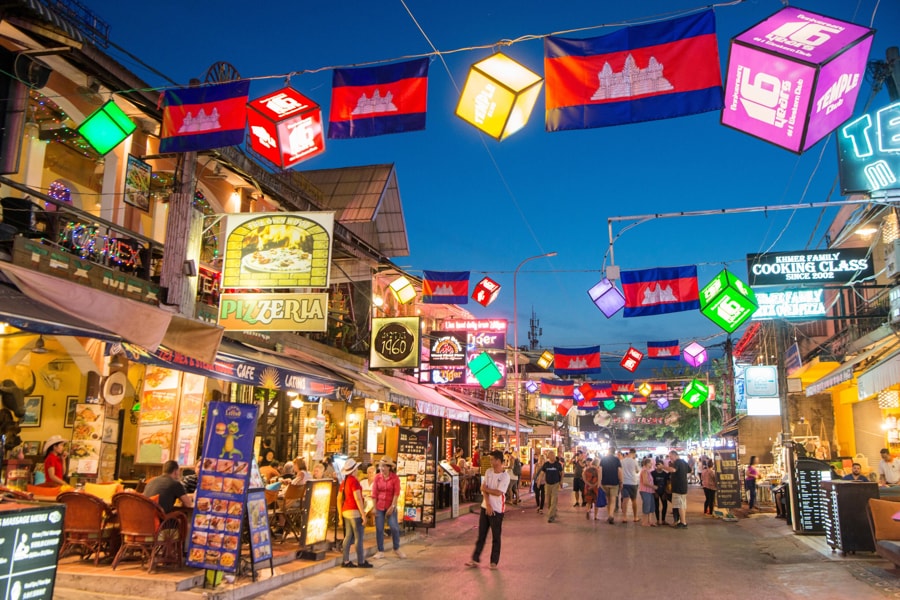
The most popular spot for nightlife in the city is the Siem Reap Pub Street, known for its vibrant bars, restaurants, street food, and live shows, with the primary purpose of accommodating tourists who are relaxing, socializing, and looking to enjoy the vibrant spirit of Siem Reap.

Introduction to Siem Reap Pub Street

Siem Reap Pub Street, which takes the official name of Street 8, is one of the landmarks that stands out as a major attraction in Siem Reap with its tremendous energy levels. Situated at the heart of Siem Reap, close to the location of the Old Market as well as the riverside, this renowned street comes alive every night to form a fabulous entertainment center for tourists. Starting from a very serene environment during the day, this place changes to become the heart of nighttime entertainment at Siem Reap with plenty of bars, clubs, restaurants, and food stalls to offer a wide selection to all night revellers.

Siem Reap Pub Street takes the official name of Street 8

A visit to Siem Reap Pub Street is a necessity for visitors who wish to experience the fun and social aspects of living in this Cambodian city. There is no better way to enjoy cheap drinks, Khmer and international food, live music, and street performances, and mingle with people from all over the world, all happening within this street that is dedicated to entertainment and revelry. Whether one wishes to party all night, have a casual dinner, or even just take a walk around this street that is alive with excitement, Pub Street has something for every manner of traveler.

History of Siem Reap Pub Street

Pub Street is not one of Siem Reap’s oldest locations, dating back, in fact, only to the late 1990s and early 2000s. However, Pub Street has been important to the development of Siem Reap overall. It’s become the Entertainment District for people traveling to Siem Reap to visit the temples of Angkor. As Siem Reap gained increasing popularity as a tourist destination, it became necessary for this area to grow to provide for this growing market.

Pub Street has been important to the development of Siem Reap overall

Up until the early 90s, Pub Street was largely made up of dust-covered paths and simple coffee shops providing meals to local people and a select number of tourists. However, following Cambodia’s opening to worldwide tourism and the Angkor temple complex being designated a UNESCO World Heritage Site, there was a dramatic increase in visitors coming to Cambodia to see these places.

As a result, businesses developed rapidly in the form of bars, restaurants, souvenir shops, as well as permanent stalls within the Night Market, creating an extremely busy area for tourists, particularly at night, and establishing a reputation for Siem Reap as a vibrant, contemporary tourism destination.

Unique Beauty of Siem Reap Pub Street

Pub Street of Siem Reap converges bars, restaurants, and eateries. This place combines an array of local as well as international fun in one place. If you want authentic Khmer foods, you can get all of them in this exciting destination regardless of your desire for visually appealing Western foods.

A World of Flavors In One Street

A great finding is Pub Street, which has restaurants and eateries on both sides of the street that represent the best in food from around the world. From many different styles of Khmer dishes and street vendors offering up various kinds of food, and just about everything you can think of as far as global-style food offerings, you should never run out of options.

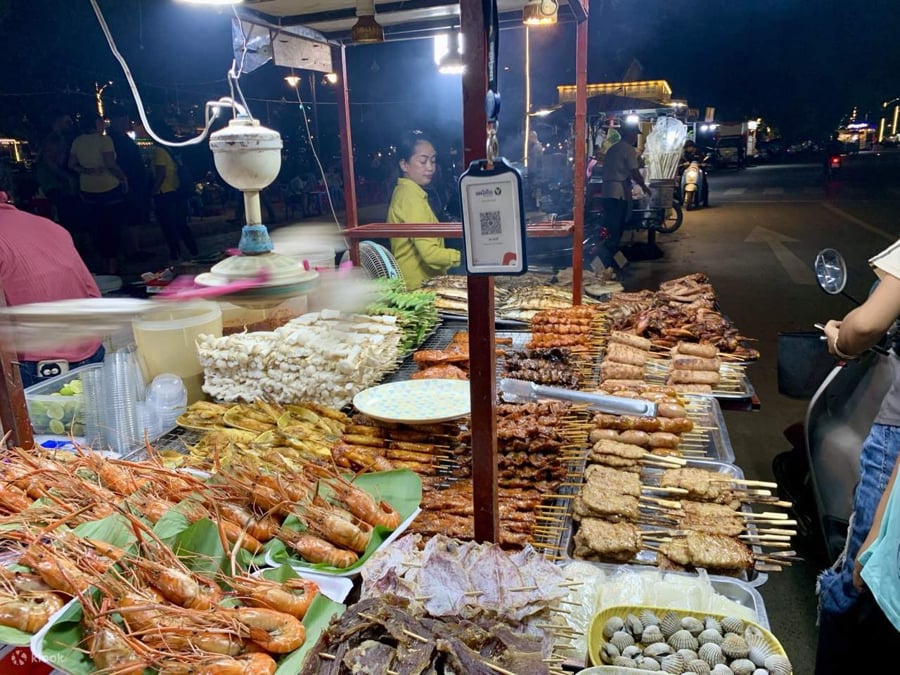
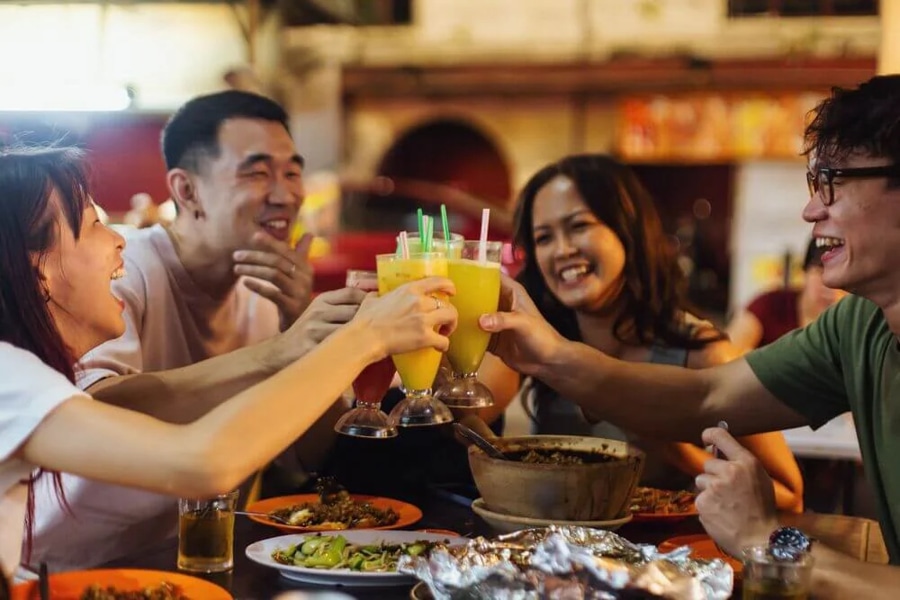
Street food in Siem Reap Pub Street

An Exciting Nightlife Scene

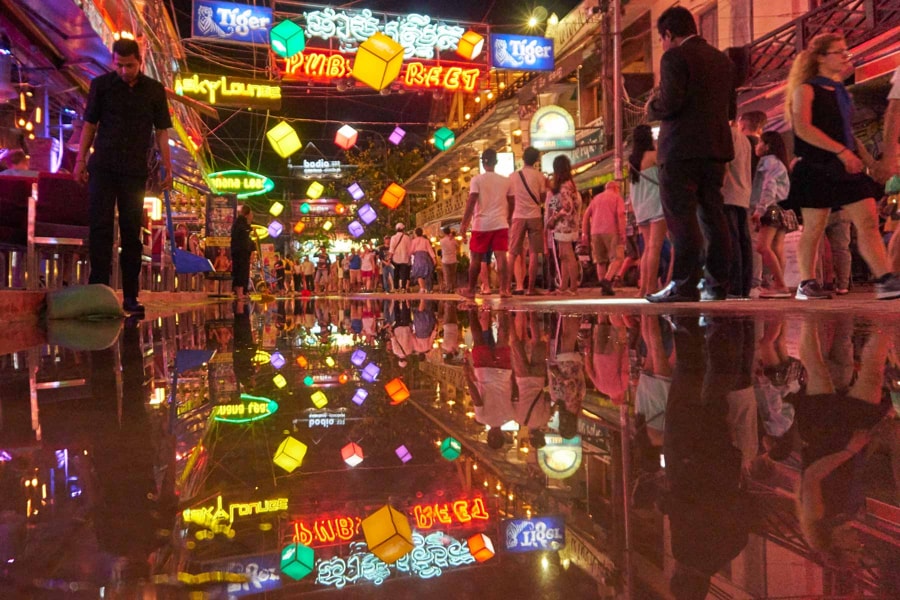
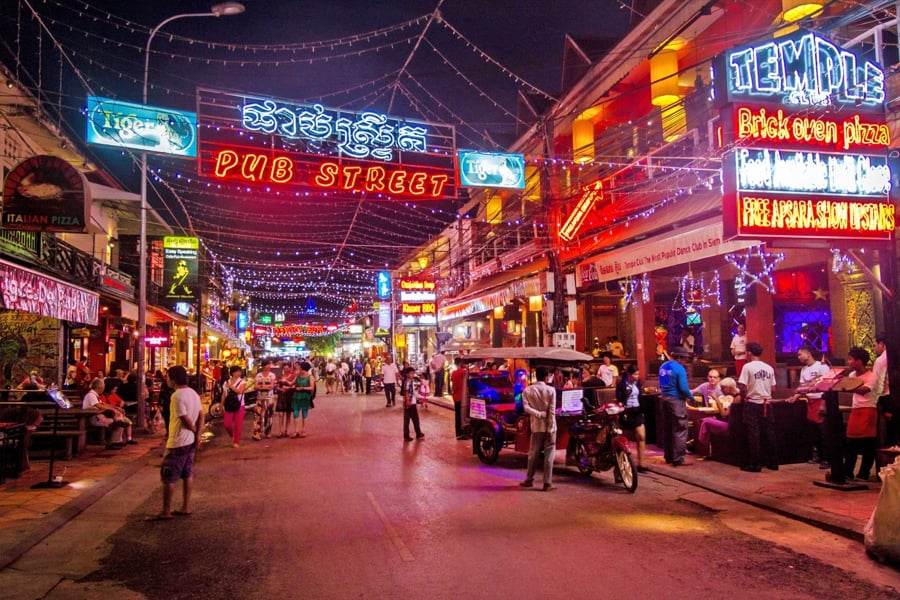
As darkness descends upon Siem Reap, Pub Street lights up with bright colourful neon lights and the sound of laughter and chatter from many excited people. This combination creates a fun, interactive environment to explore. It’s known as the most exciting place in the city, providing visitors with a chance to have endless fun while wishing they had more time to enjoy it all.

Pedestrian-Friendly

Starting from around 7:00 PM, the flow of vehicles is restricted so that pedestrians can move along the road without any limitations. The restaurants and bars place tables on the sidewalks, light up their environment, and invite visitors to come and enjoy their refreshments, either in the form of coffee, drinks, or Cambodian food. Unlike other night markets in Cambodia, one of the distinguishing factors of the Pub Street Night Market is the ample space that facilitates a comfortable visit to all the spots.

Pedestrian-Friendly Siem Reap Pub Street

5 Unforgettable Experiences You Shouldn’T Miss

Siem Reap Pub Street is more than a nightlife destination – it is a fusion of food, tunes, culture, and social vibes that converge on the street on a nightly basis. These experiences will make sure that you make the most of your stay in Pub Street.

Experience The Vibrant Nightlife and Bar Scene

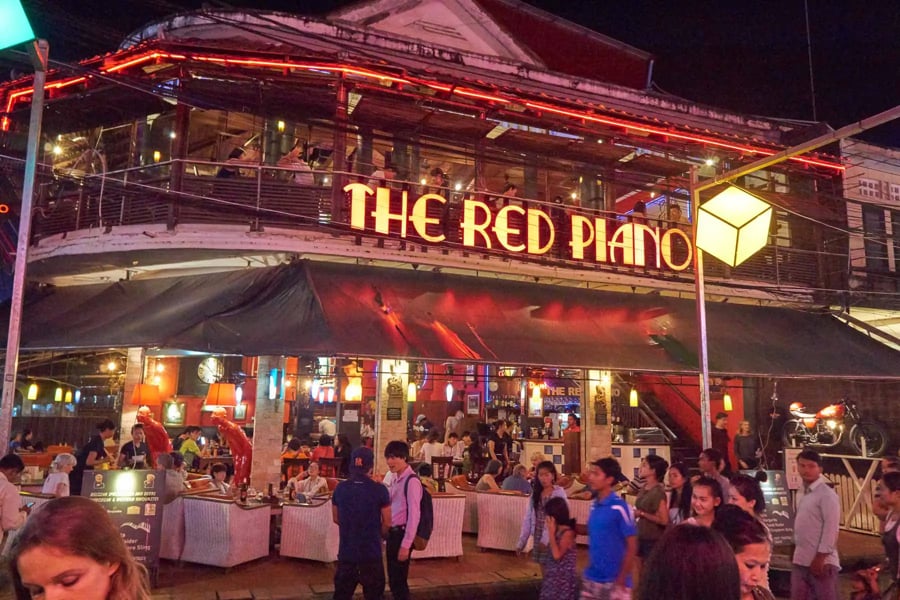
Pub Street itself is most popular for its nightlife scene, with bars and nightclubs lining both sides of the road. Each of them has its own unique character, ranging from bars that are relaxed with laid-back music to bars that are energetic, complete with noise levels that are high and dance floors that are perfect for those who like to dance. Bar-hopping is a good way to experience Siem Reap in one night at various places that are geographically close.

Experience The Vibrant Nightlife And Bar Scene

Taste Street Food Both Locally and Internationally

When the sun goes down, the food stalls and local diners in Sem Reap start dispersing a range of cuisine to satisfy the hungry throngs. You can expect barbecued meat, barbecue noodles, spring rolls, and Khmer street food, as well as Western cuisine for late-night munchies.

Taste Street Food Both Locally And Internationally

Street food in Siem Reap is not purely for the taste but also for the multicolored setting, during which the street comes alive with people and music. To ensure that you experience the best setting, consider sharing a meal or having a small serving so that you enjoy multiple flavors in one night.

Enjoy Live Performances and Street Entertainment

An open-air venue can often be found at Pub Street with live bands, street performers, and dancers entertaining people. Street performers and their live shows create unique, spontaneous, and fun moments, making it feel like there is something new every night.

If there is a live performance that interests you, it will be a great opportunity to take a break from walking or drinking and remain in the active atmosphere of the area. Giving a small tip if you enjoy a live performance is a great way to show your appreciation and support for local artists.

Socialize and Meet Travelers from Around The World

The lively social atmosphere of Pub Street offers an excellent opportunity for people from all over the globe to connect with each other. It’s common for travelers at Pub Street to have conversations with fellow travelers while sitting at communal tables or drinking at the bar together in a noisy environment.

Socialize And Meet Travelers From Around The World

Many people traveling alone feel very comfortable being here, and they can easily join group activities or have conversations with others while drinking. A large number of people experience more casual interactions that lead to developing new friendships, learning about others’ travels, and coordinating plans for the next day’s adventures.

Explore Quieter Bars and Hidden Spots Nearby

If you venture just a few steps away from the main bar area of Pub Street, you will come across smaller bars, rooftop lounges, and less hectic venues that provide a relaxed and informal ambiance away from the crowds and loud music. There is a great opportunity to meet and converse with fellow patrons while drinking and having fun. By venturing into these quieter locations, you will likely discover a different side of the nightlife in Siem Reap and all of the unique places that many tourists miss.

Entrance Fee

Siem Reap Pub Street is a public entertainment street, so there is no entry fee to visit this area. You are welcome to roam the street and take in the atmosphere as you please. However, if you want to purchase any food or drinks or get any other type of service, you will be required to pay for them separately at each establishment you visit.

Opening Hours

Siem Reap Pub Street normally gets lively at around 5:00 PM and remains so until midnight or later, depending on the place. The place comes to life in the evenings, and it is the best place to go to after spending the whole day exploring the town. Siem Reap Pub Street is therefore an ideal place to spend your night when you’re in Siem Reap and looking for a place to go.

Things to Know Before Traveling to Siem Reap Pub Street

Wondering what Siem Reap Pub Street nightlife is like? With a little planning, you’ll have an awesome time in this vibrant district. To get the best experience, you’ll want to know when to go, what to wear, and other useful tips that will help you navigate through the area comfortably and safely.

  • When visiting, keep in mind that most of the activities and happenings in this area usually take place at night. Therefore, if you want to party at Pub Street, you should visit during the evening!
  • At night, the street becomes a pedestrian-only zone, and there is no more vehicle traffic, so it is easy to walk around within the Pub Street area without worrying about being hit by a car.
  • One thing that you will notice when you are there is that many bars and restaurants offer “happy hour” specials, and most will display their drink specials on their menus and signs, so check them out.
  • Since you will probably be walking, standing, and moving around between the various bars and restaurants, be sure to wear comfortable shoes.
  • Due to the volume of foot traffic on Pub Street, it can get fairly crowded during peak times, so be careful with your belongings at this time.
  • Most people pay for their drinks, food, etc. with cash, although some restaurants and bars do accept credit cards.
  • Since Pub Street is very loud and extremely busy, this may not be the right place for someone looking for a quiet night out.
  • Drink responsibly and arrange safe transportation to and from your hotel by tuk-tuk or taxi service.

Final Thoughts: Is Siem Reap Pub Street Worth Visiting?

For people interested in experiencing the social side of the city, Siem Reap Pub Street is definitely worth visiting. Bar, restaurant, street food, and entertainment options make this destination one that has something for everyone, no matter their style of travel and preference. The lively atmosphere and convenient location make it easy to incorporate into a travel plan, whether one is interested in a night out, a casual meal, or just experiencing the nightlife. Let Seni World show you the best that Siem Reap has to offer, and make your travel experience one that is truly unforgettable.

Old Market Siem Reap Guide For Travelers: What To See & Buy

Old Market Siem Reap, also known as Phsar Chas, is a lively cultural area where one can experience local culture, explore vendors, taste authentic Cambodian cuisine, and purchase local crafts and souvenirs. It is a historic and lively area.

Introduction to Old Market Siem Reap

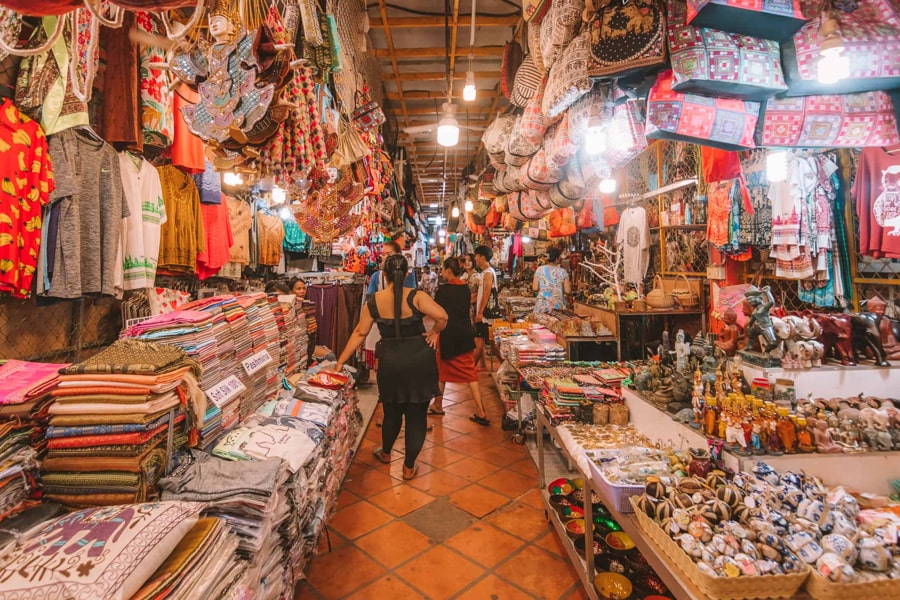
Psar Chas, or Old Market, is a popular and lively location in Siem Reap, Cambodia. It’s located in the center of the city and plays a significant role in the day-to-day functions of locals and visitors. It is an open-air marketplace filled with many different products, including T-shirts, silverware, silk, and hand-carved items, as well as fresh fruits, vegetables, and traditional Cambodian dishes. The location of Old Market is so recognized that numerous businesses within Siem Reap will have their location’s address reflected as “Near Old Market.”

Psar Chas, or Old Market, is a popular and lively location in Siem Reap

When you visit Old Market, you will appreciate the authenticity of the site. The narrow lanes that lead through the market are filled with places to sample local foods, find craft items that are one-of-a-kind, and view the fast-paced, colorful culture that characterizes Cambodian life. Additionally, many tourists enjoy negotiating for prices from friendly vendor representatives. Once you have finished purchasing goods from vendors or sampling local fares, many travelers continue to frequent the many other shops and cafes surrounding Old Market. If you are looking to purchase souvenirs or wish to experience local culture, then Old Market should be at the top of your list to visit.

History of Old Market Siem Reap

Phsar Chas is a notable historical marketplace located in the heart of Siem Reap and has been around since the time of colonization by France. It has developed over time and is seen today as a thriving centre of commerce and culture. There is no definitive founding date for this historical market, but for many generations, it has been a place where local people and international tourists alike have shopped, eaten food, and been exposed to the area’s rich history and cultural heritage.

Phsar Chas began as a traditional Khmer market, where people bought basic necessities, local specialties, and souvenirs, and its name translates to “Old Market,” reflecting its historical significance to both the local people and the ongoing commerce and economy within the region

Unique Architecture of Old Market Siem Reap

The Old Market Siem Reap (Phsar Chas), in addition to being well known for its active stalls, is also famous for its distinct architecture. The market’s architectural design is influenced by Khmer market designs and is suitable for tourist visitation. This ensures ease in navigating through the various forms of merchandise.

  1. Main Hall

The center of Old Market is the Main Hall, where a large wooden structure shelters the visitors as well as the vendors from the scorching sun and the rain. You can find a large number of stalls that display souvenirs, handicrafts, textiles, and jewelry. Its design enables natural light to enter, thus creating a pleasant environment, and also retains the traditional ambiance that a Khmer market is supposed to encompass. The Main Hall is also a good location for experiencing the bustle of the market and interacting with friendly vendors.

  1. Food Section

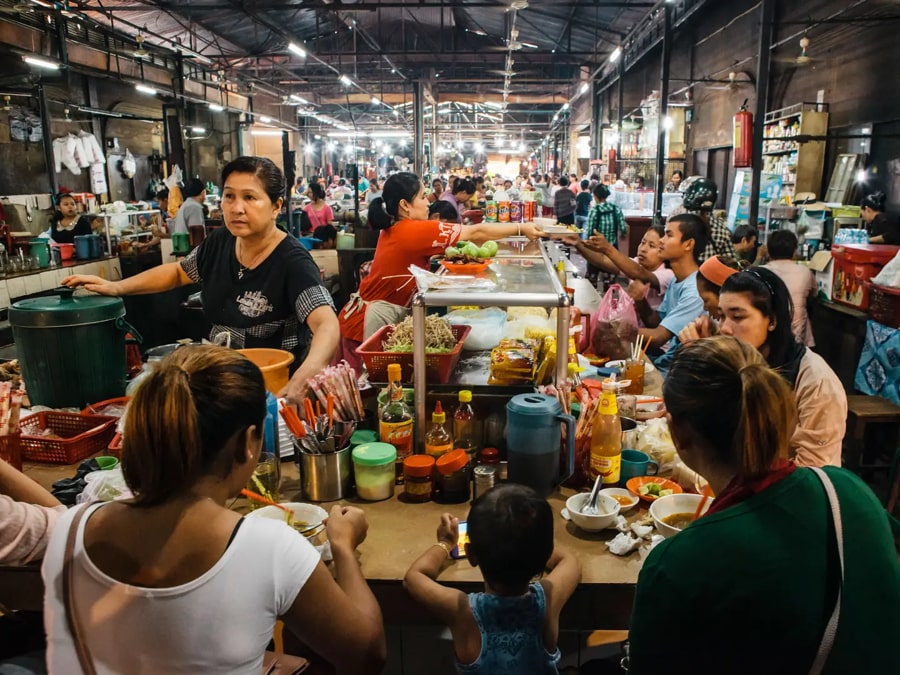
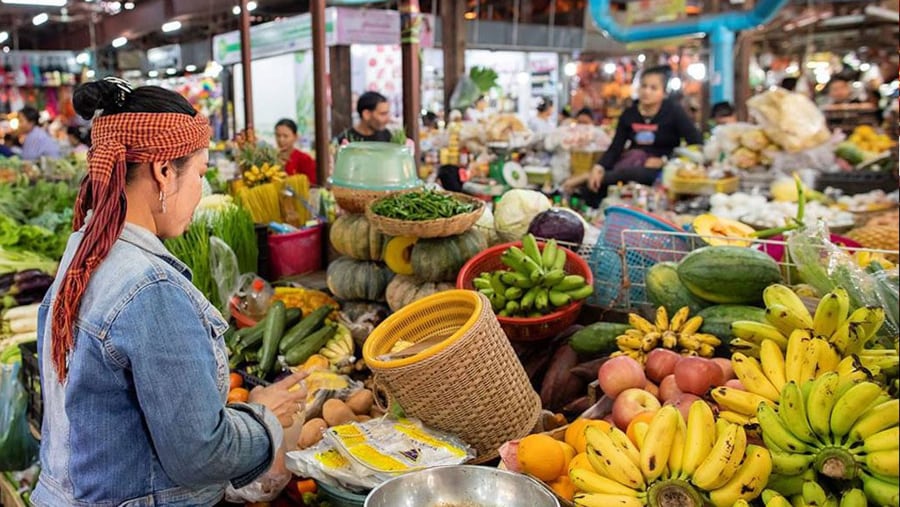
Side by side with the main hall stands the food sector, which brings to life all aspects of the market, including the flavors and aromas. Sells fresh fruits, fresh vegetables, dried products, spices, as well as ready-made Khmer cuisine to eat. It is a simple yet functional design that enables those selling to walk around easily as they savor the flavors of local cuisine. Many tourists find this a great way to sample local delicacies and learn about local cooking.

Food Section of Old Market Siem Reap

  1. Clothing and Textile Area

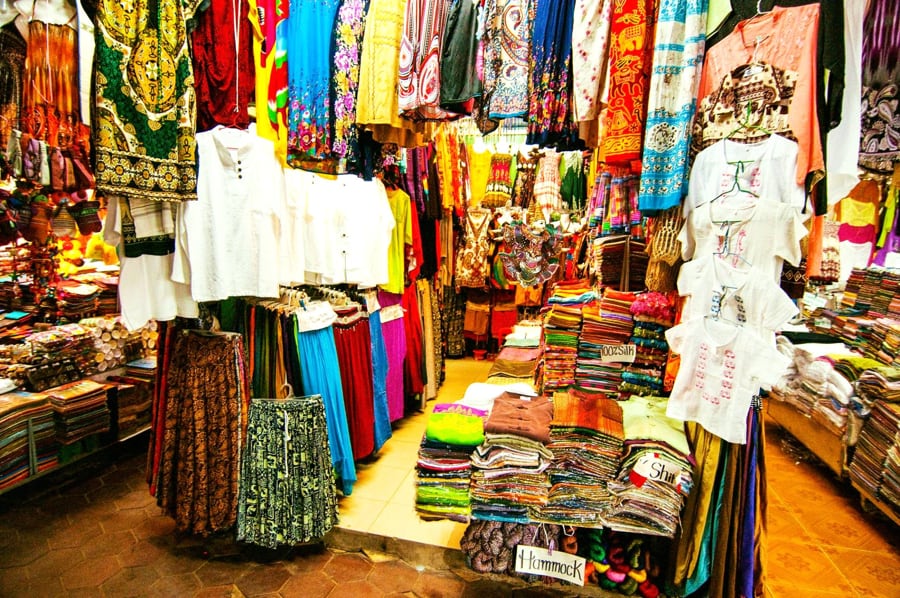
This region is lined with colorful fabrics, traditional Khmer clothing, scarves, and more modern designs that have been inspired by Khmer textiles. These stalls are usually categorized according to their wares for ease of comparison for prospective consumers. The colors and arrangement of items in this region display an aesthetic appeal, making this region a sight to behold in the market.

traditional Khmer clothing, scarves, and more modern designs in the market

  1. Side Alleys and Specialty Shops

The small alleys behind Old Market are dotted with specialty shops and hidden gems. It is possible to find carved souvenirs, silver jewelry, and other artfully created wares that may be less crowded and more exclusive than those found in the central hall. The close-knit environment of the alleys promotes greater interaction with the vendors and an experience distinct from the usual tourist trail, as if the visitor were exploring the traditional Khmer marketplace.

4 Unforgettable Experiences You Shouldn’T Miss

Old Market Siem Reap has many experiences that go beyond mere shopping. From indulging in local cuisine to learning about traditional arts and crafts, these are the perfect opportunities to get immersed in Cambodian culture.

Sample Authentic Cambodian Street Food

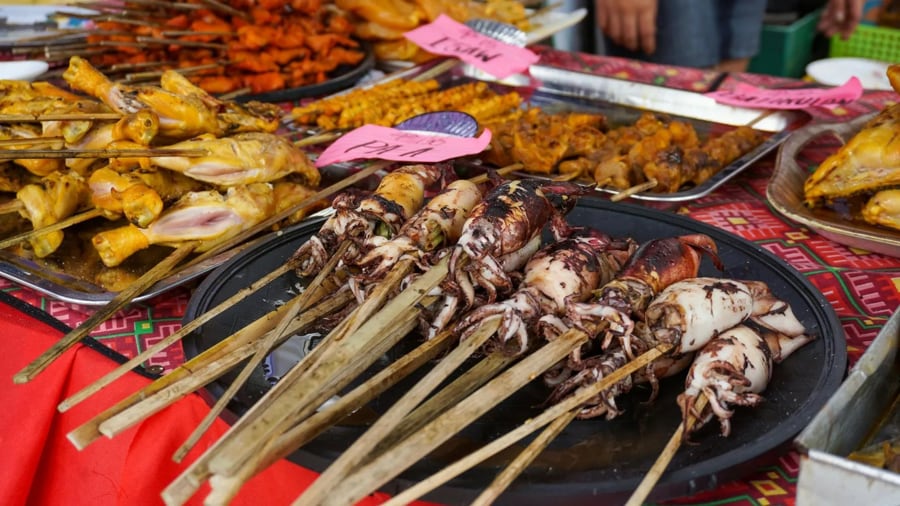
While exploring the alleys of Old Market, you will come across numerous food stalls where you can sample some of the local cuisine of Cambodia, such as fruits, noodles, spring rolls, meat skewers, or even local desserts such as Nom Pang or a coconut cake. Cooking methods are also a fascinating aspect of local cuisine, as they are done right before your very eyes.

Sample Authentic Cambodian Street Food

Do not feel hesitant to ask for suggestions and smaller servings so that you can enjoy a range of flavors while not becoming too full. Early morning hours are the best for enjoying the freshly prepared breakfast snacks, and late afternoon hours are suitable for fried snacks.

Purchase Handcrafted Items and Local Gifts

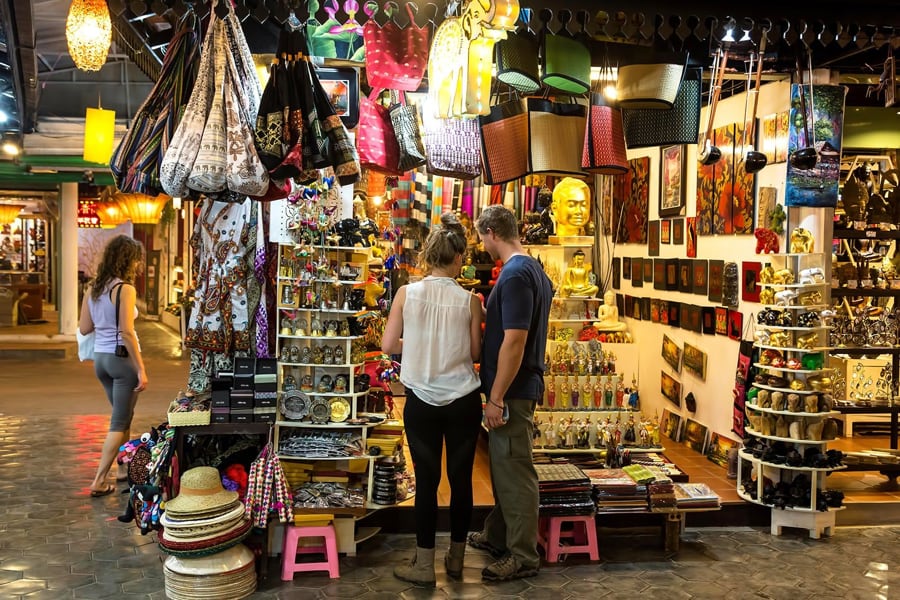
Many local artisans create unique and beautiful items by hand. The Old Market contains a wide array of items made by local artisans, including handcrafted jewelry, scarves, and woven baskets. There are also many hidden treasures located down smaller, less-travelled alleyways of the market.

Purchase Handcrafted Items And Local Gifts

Make sure to take plenty of time to search the market for these more unique and special items. You can also ask artisan questions about how they create their items. In addition, it’s always good to practice respectful bargaining with local merchants as a way to establish a positive rapport and save money on your purchases. Many of the gifts you purchase will not only be keepsakes but also have a deep significance and represent the cultural traditions and craftsmanship of local artisans.

Discover The Energetic Nature of Your New Locale

The market represents a sensory experience: clusters of sounds, colors, and smells. You may also have the opportunity to watch local patrons shop for their fresh produce, spices, and household items, and talk with the vendors, with whom you could have an amusing story from the past regarding a specific item they sell.

Discover The Energetic Nature Of Your New Locale

Visiting the market in the morning shows you what happens as vendors set their displays up and local patrons huddle around negotiating for the day’s freshest products. You can see the market evolve from this early morning chaos into a scene filled with tourists and locals enjoying shopping together and music filling the air when the market closes at 5:00 PM. So bring your camera and capture the vibrancy of the market, but also respect and be considerate of everyone when taking photographs.

Find Traditional Khmer Attire and Accessories

In Old Market, there are several vendors who sell traditional clothes from Cambodia, such as scarves and sarongs. You are able to wear them to test their fit and hear about their significance to the culture. There are pieces that involve intricate designs from the heritage of the region.

It is also a chance to view how modern trends are incorporated into traditional designs and learn about fashion trends in Cambodia. Bringing home one of these unique pieces will make for a great souvenir. It is also a great memory to take back with you.

Entrance Fee

At Siem Reap’s Old Market (Phsar Chas), shoppers can find huge collections of locally-crafted products and produce sold from many different vendors. The Old Market is an open-air, traditional market that provides visitors with access to a variety of unique clothing, gifts, and foods.

Many locals enjoy hanging out at the Old Market throughout the day. It is often full of people eating, drinking, and chatting at various stalls and tables. This market is a true representation of the culture and lifestyle of the Cambodian people.

Opening Hours

In Siem Reap, Old Market, or Phsar Chas, it is typically open seven days a week between the hours of 07:00 AM and 07:00 PM. It’s an all-day market that has different dimensions depending on what time of day you come to visit.

In Siem Reap, Old Market opens from 7 AM and 7PM

Morning hours are best for enjoying the freshness of local produce while seeing vendors set up their stalls for a new day. Late in the day, when the crowds are at their peak, you can find many more vendors with all kinds of different products available, such as souvenirs, clothing, and food. To make the most of your experience, it is recommended that you visit these peak periods so that you can capture the full excitement of this unique traditional market.

Things to Know Before Traveling to Old Market Siem Reap

The best way to explore Old Market Siem Reap is with a little preparation. A few practical tips will go a long way in helping you soak up the local vibe and shop like a neighborhood local.

  • Keep plenty of small bills and coins on hand; most vendors still prefer cash and may not take cards, so go faster.
  • Haggling is all part of the experience here; feel free to negotiate politely to get a fair price while keeping the mood amiable.
  • To dodge the crowds, enjoy cooler air, and be able to shop around at a more relaxed pace, go early in the morning or later in the afternoon.
  • Wear comfortable shoes: There is a lot of walking and standing involved, as most of the paths in the market are narrow lanes and uneven surfaces.
  • Mind your belongings, especially wallets and phones, as places around these popular stalls get crowded and could be ideal for pickpocketing.
  • Don’t skip street food and snacks. Fresh tropical fruits, fried noodles, and traditional Khmer desserts give you a taste of Cambodian cuisine.
  • Observe not only the main hall but also the side alleys, where one can come across unique handicrafts, souvenirs, and some other curious things that are not widely seen by visitors.
  • Bring a reusable tote or bag for purchases; not every place offers plastic bags, and it’s way better for the environment.
  • Stay hydrated and take breaks at nearby cafes or shaded spots to rest and soak in the market’s lively atmosphere.

Final Thoughts: Is Old Market Siem Reap Worth Visiting?

Old Market Siem Reap is an exciting mix of culture, history, and local life, which makes it an absolute must-visit for any person. The buzzing market stalls, local Cambodian food, and local crafts make for an experience that embodies the very essence of Siem Reap. Whether you’re on the lookout for shopping, sampling local food, or just immersing in the fun-filled environment, Old Market Siem Reap promises an adventure that will be etched in memory forever. Accessibility-wise, Old Market Siem Reap happens to be very conveniently located, thus making it simple for one to experience the Siem Reap charm that lies near Old Market Siem Reap. Visit Seni World today.

Apsara Dance In Cambodia: Graceful Traditional Art Of Angkor

Apsara Dance is the most famous classical performance art of Cambodia, which has been named after celestial dancer carvings found in the Angkor temples. Its elegance, costumes, and sacred music have all been inspired by the cultural heritage of the Khmer civilization.

Introduction to Apsara Dance

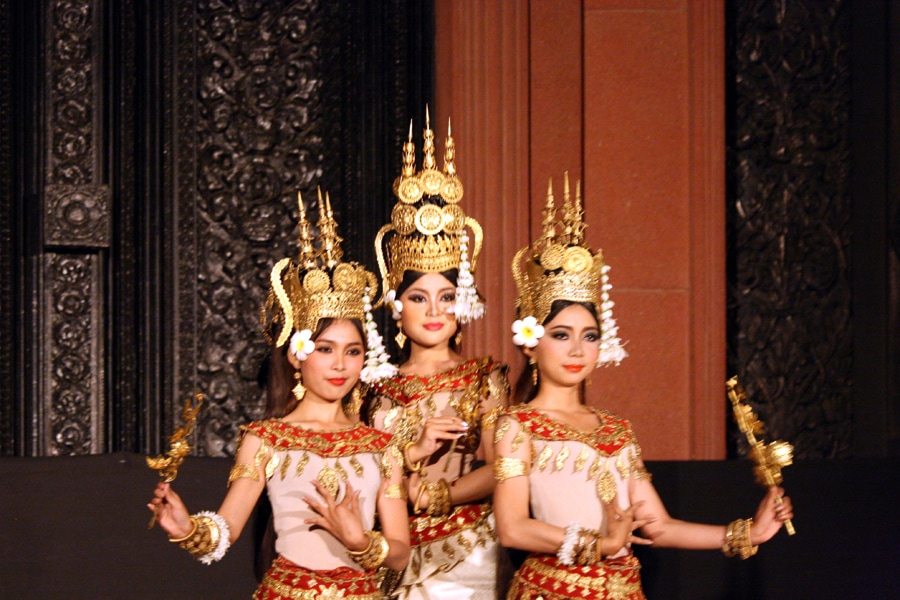
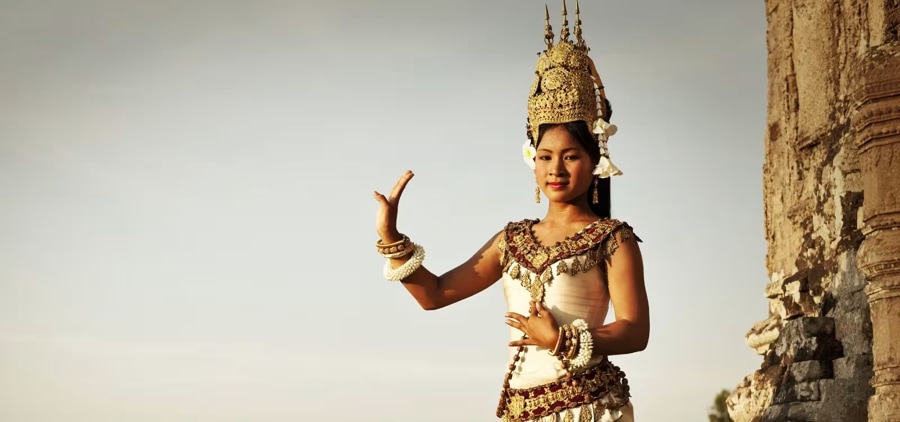
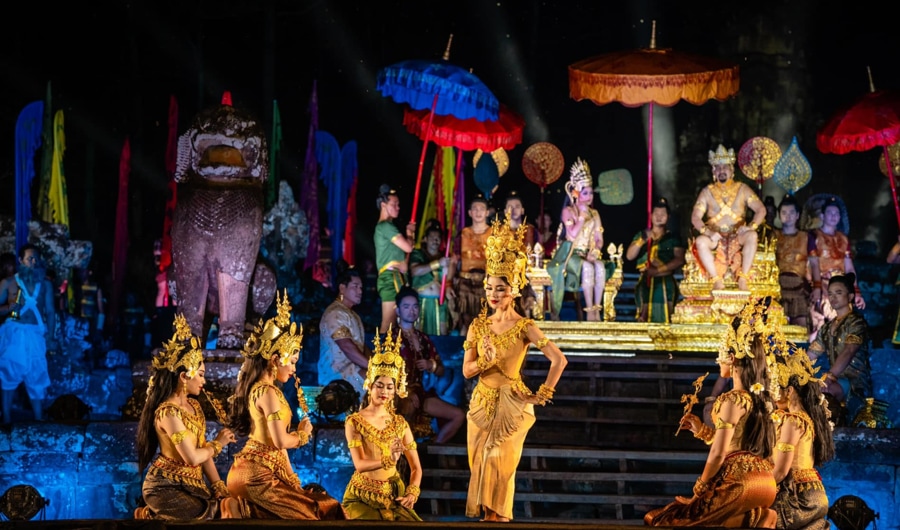
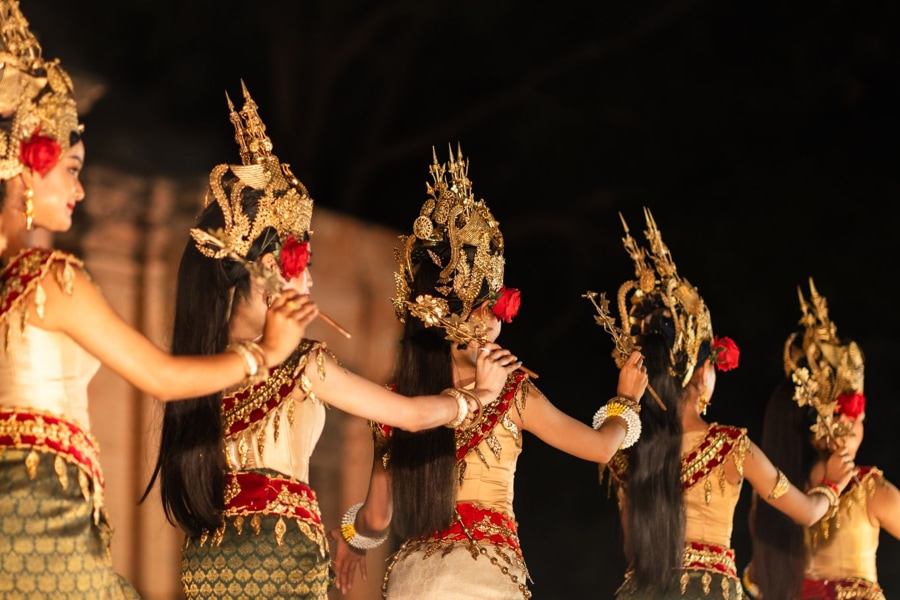
The Apsara Dance is a classical Cambodian performance and one of the most recognizable symbols of the rich heritage of the Khmer Civilization. The performance comprises beautiful female dancers adorned in expertly designed costumes modeled on the Apsaras, the mythological figures depicted in the sculptures of the ancient Khmer temples of Angkor Wat.

Apsara Dance is a classical Cambodian performance

Attending an Apsara Dance performance is a must-visit activity in the itinerary of any visitor to Cambodia because it provides a glimpse into the artistic soul of the country. The Apsara Dance is a highly stylized dance performance that was hitherto a preserve of the royal courts and temple rituals in ancient Cambodian culture, but has been brought back to life by performance centers such as the Apsara Theatre.

History of The Apsara Dance

The history of the Khmer civilization, the Apsara Dance traces its roots back during the rule of King Suryavarman II (1113-1145), the enlightened leader who lost no time in constructing the magnificent Angkor Wat temple. Under such glory, the dance was considered a holy court dance, which was only within the purview of royalty and spirits. This was inasmuch as the dance was themed after the heavenly dancers’ depiction on the walls at Angkor.

Apsara Dance traces its roots back during the rule of King Suryavarman II

This valuable tradition almost disappeared during the Khmer Rouge reign, which suppressed all art, religion, and learning, leading to the deaths of many performing artists. Yet a handful of surviving dancers secretly maintained it. When the reign was over, Apsara Dance recovered, expanding from its royal tradition to all of Cambodia and its neighboring nations, and now represents a symbol of resistance to all those who were determined to erase it.

Top 4 Iconic Performances In Apsara Dance

Apsara is more than just a style of dance; it encompasses a complex performance art. Every version of the dance provides a distinct method of engagement with the history, beliefs, and artistic expression of the Khmer civilization.

Classical Dance

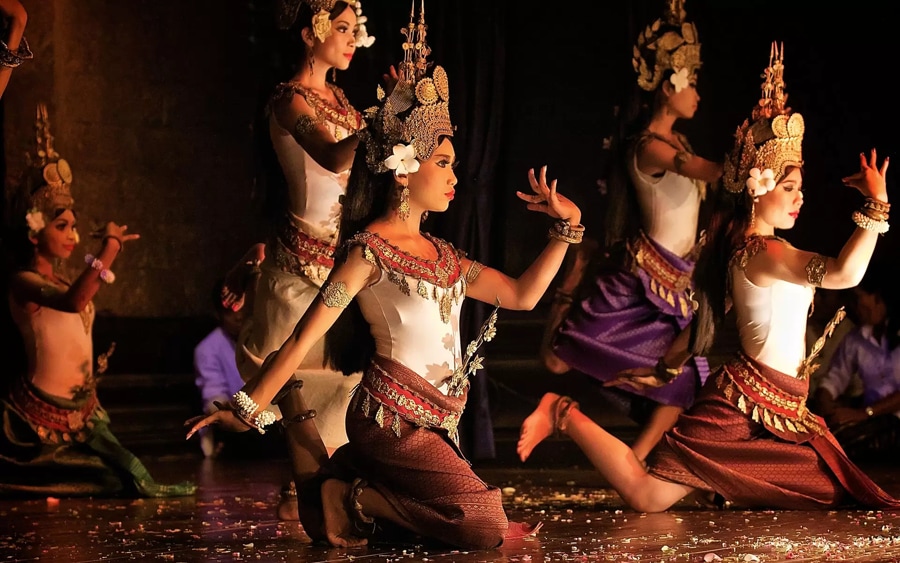
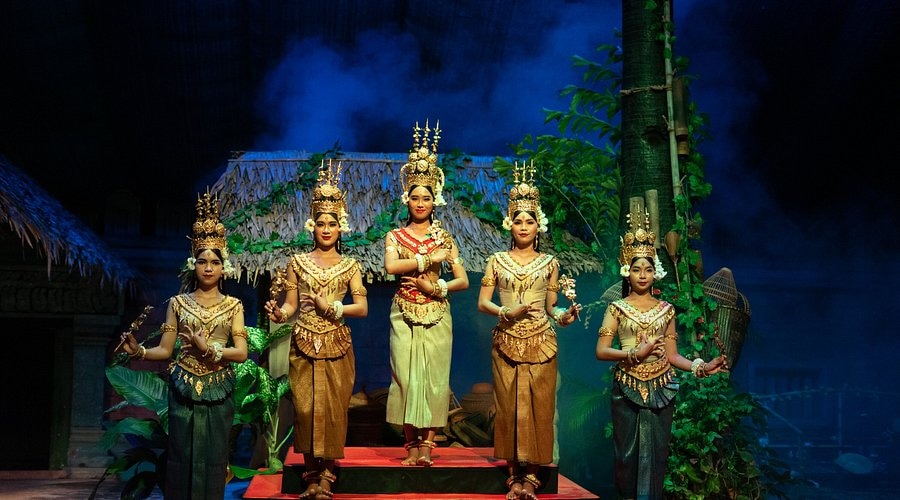
The Classical Apsara Dance is a highly stylized form of dance that symbolizes the essence of Apsara as interpreted through the sculptures found at the temples of Angkor. The performers execute movements in a slow and graceful manner while utilizing traditional hand gestures, nuanced expressions on their faces and poise within the body, as they tell the stories of the period associated with the Angkor Empire.

The Classical Apsara Dance

Costumes include ornate silk dresses, gold crowns, and other ceremonial jewelry. It is considered both an expression of reverence for the sacredness of the arts and a reflection of the royal ceremonial events that took place in Angkor, as well as the mythology surrounding Apsara.

Folk Dance

Folk Dance is typified by the celebration of energizing spirit, and therefore, the dance is often seen as a contrast to the more formal characteristics of Classical Dance. The dances often reflect many of the rhythms associated with agricultural life in rural areas of Cambodia and also contain rhythms and movements that correlate with daily life as well as community festivals. Folk Dancers perform pieces such as “Good Harvest” or the “Romantic Fishing” dance, which depict agricultural work and courtship as well as the beauty of Khmer village life through its simplicity and warmth.

Shadow Puppet Theater

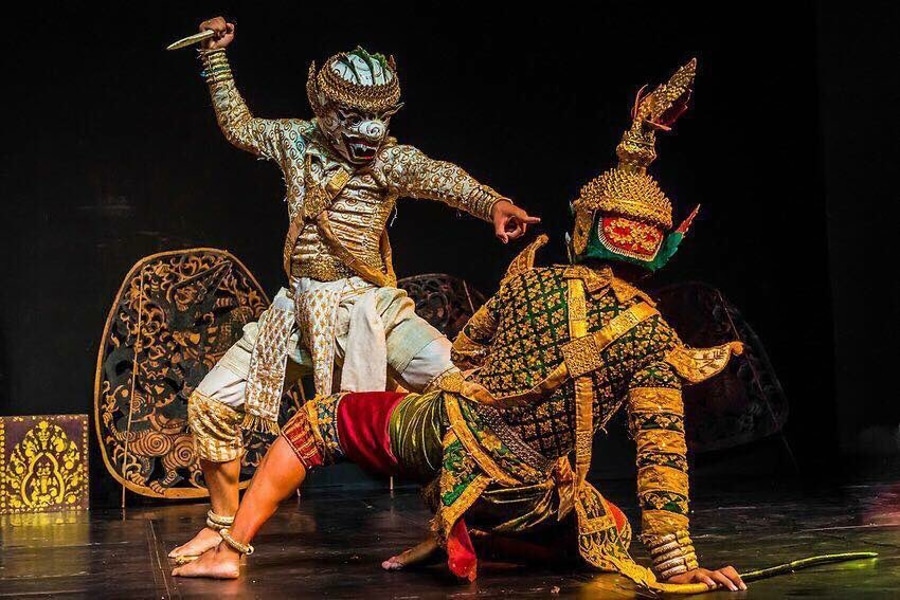
Shadow Puppet Theatre is an artistic medium with unique visuals and symbolism resulting from combining music, storytelling, and artistry. The presentation of the puppets is done by manipulating the shadow of the large leather puppets on a white screen, where the silhouette creates an animated scene that visually tells a story.

Apsara Dance in Shadow Puppet Theater

Shadow Puppet Theatre provides an opportunity to witness dramatic scenes from long ago told in the ancient manner. Sbek Thom focuses on the sacred stories of the Reamker, and Sbek Touch expresses legendary heroes and their fight with love, providing audiences with an opportunity to experience a magical journey based on an ancient form of storytelling.

Lakhon Khol

The Reamker epic serves as a source of inspiration for Lakhon Khol, an art form that combines elements of theatre and dance with an emphasis on the use of masks. The Lakhon Khol performance incorporates stylized movements to tell the story of various characters, including gods, demons and warriors engaged in a battle.

Reamker epic serves as a source of inspiration for Lakhon Khol,

There is a great deal of physical exertion involved in executing the dance of Lakhon Khol, requiring many years of training in order to be able to accomplish this demanding form of performance. Traditionally, this type of dance is performed by male dancers only, making it one of the most intense and dramatic forms of Cambodian classical performance.

6 Unforgettable Experiences You Shouldn’T Miss

To get that deeper appreciation for the beauty of this traditional form of dance, you must experience some of the many unforgettable moments from an Apsara Dance Performance.

Watching The Dance from Up Close

When sitting closer to the stage at a performance, the beauty and precision of each movement become apparent. Each controlled step and every curved finger of the dancer is not random but rather follows a strict set of rules, handed down from generation to generation. By sitting closer, you will also be able to observe subtle details like how the dancer looks at the audience, how they move their face and the rhythm with which they breathe as they tell the emotions and divine stories that are derived from the mythology of Angkor.

The Classical Apsara Dance

Experience The Hypnotic Quality of Live Pinpeat Music

When you attend a Pinpeat orchestra performance live, you will get to hear the intoxicating sounds of drums, gongs, and xylophones played by traditional musicians who have dedicated years to creating beautiful rhythms. The sounds act as musical cues for dancers to remain in perfect synchronization with one another, making dancing feel alive and connected to Cambodian ritual culture.

Traditional Khmer Dinner and Apsara Show

An Apsara Dinner Show is a great way to get a feel for Khmer culture in a more relaxed atmosphere while enjoying some traditional Khmer food and drink as you watch the performance. The performance consists of several acts, each telling a different story with its own costumes and dance styles. By having the combination of a cultural experience, food, and performance on the same night, you can enjoy an entire evening of local food, music, and dance, making it a great choice for travelers who want to experience the culture as best they can in one evening.

Traditional Khmer Dinner dish

Gaining Insight Into Symbolism Through Gesture

Understanding the symbolism in the performers’ movements and gestures can be one of the most enjoyable parts of this dance experience. Each gesture has a connection with or represents an environmental element, an emotion, an animal, or a deity. It creates a silent form of communication that tells the stories of an ancient culture. When you understand what each gesture means, even the smallest acts of the dancer take on great significance. The performance goes from being a pleasant visual to a detailed storytelling of the culture.

Pay Attention to Costume and Jewelry Detail

The ornate costumes worn by performers are an example of the beauty of traditional craftsmanship (i.e., gold crowns, embroidery, jewelry with symbols), as they represent the dancer’s place in the celestial world. By focusing on the small details within these costumes, you will begin to see how they add to the storytelling and help to define a dancer’s status, character, and interaction with the divine representation of Apsara Dance.

Costume And Jewelry Detail

Meeting Performers Post Performance

Many locations where you see the Apsara Dance allow you to meet and even take pictures with the dancers after the show. Not only do you get to see the performers in person and ask questions about their training/everyday life, but you can also create a connection to the dancer through your interaction, which may cause you to feel greater appreciation for the amount of time and dedication required to perform Apsara Dance beautifully.

Entrance Fee

A comprehensive Khmer Dinner and Apsara Dance Show package typically costs approximately USD 40 per guest. This price will give you the opportunity to experience both the culinary culture and the traditional dance at the same time. Mid-range restaurant prices generally range from USD 20 to USD 50, depending on the quality of the restaurant and the level of skill of the performers and cuisine.

For the greatest value, it is advisable to dine at restaurants that are situated within large hotel properties, where you can view professional Apsara dancers performing while enjoying traditional Khmer Food that is prepared by professional chefs. These experiences are truly worth the price of admission.

Opening Hours

Typically held during the evening hours, Apsara Dance Shows can be conveniently combined with dinner or a leisurely night of culture in Siem Reap. However, it is important to check the show clock for each individual location and plan accordingly to ensure your arrival early to secure a good seat for the performance.

Venue Days Show Time
Kanell Dinner Show Every day 7:30 PM – 9:30 PM
Koulen Restaurant Every day 7:30:00 PM
Park Hyatt Siem Reap Monday, Wednesday, Friday, Sunday 7:00 PM – 8:00 PM
Raffles Grand Hotel d’Angkor Wednesday, Friday, Sunday 7:00 PM – 8:00 PM
Temple Balcony Every day 7:30 PM – 9:30 PM
Smile of Angkor Every day 7:30 PM – 8:45 PM

Things to Know Before Watching The Apsara Dance

Before engaging in an Apsara Dance show, it is essential to consider some tips, which can make your engagement with the performance even more significant and comfortable. The following points will enable you to properly appreciate the cultural significance of the Apsara Dance and avoid any misinterpretation of the performance.

  • It is a good idea to arrive early to ensure prime seating locations, particularly in cases where the seating will not be assigned.
  • Dress modestly, especially if you are performing in a cultural center or a temple-related venue, as a sign of respect.
  • Before you read, take a look at the brief introduction to the story or characters involved, as you would benefit from understanding the symbolism of the hand gestures and movements involved.
  • It is best to avoid flash photography and video, as this might distract the performers and other guests attending the ceremony.
  • Keep quiet during the performance if you want to enjoy the traditional music and expressions exhibited by the dancers.
  • Opt for seats that are slightly farther back if possible, as these tend to have a better view of group formations and synchronized movement patterns.
  • If the program features dinner, come hungry but not pressed for time to enjoy the experience of eating Khmer food and the cultural performance.

Final Thoughts: Is Apsara Dance Worth Visiting?

Cambodia’s Apsara Dance offers an exceptional opportunity to witness the heritage of the Cambodian people. The Apsara dance combines graceful dancing, symbolic hand gestures, and intricate costumes, based on carvings from Angkor. The Apsara dance represents the stories of Cambodia’s history and beliefs. Watching an Apsara Dance performance will take you on a journey through many centuries of Khmer culture. If you would like to see Apsara Dance in person and find a more fulfilling cultural experience in Cambodia, consider traveling with Seni World.

A Journey Through Khmer Legacy At Angkor National Museum

The Angkor National Museum in Siem Reap offers a contemporary and engaging experience to explore Khmer Empire history and culture in order to provide visitors with deeper insights into the cultural background of Angkor Wat and its distinct temples.

Introduction to Angkor National Museum

The Angkor National Museum in Siem Reap gives a fascinating insight into the golden age of the Khmer Empire, which describes the historical and cultural background of the ancient temples of Angkor. The modern museum was opened in the year 2007 to display thousands of artifacts found in the area of the Angkor archaeological sites using the latest multimedia technology to describe the accomplishments of the Khmer people during the 9th to the 14th centuries.

Angkor National Museum in Siem Reap

A visit to the Angkor National Museum is a must for those wanting an insight into the history and culture surrounding the temples. The displays take you on an epic journey of legendary tales involving the kings, religion, architecture, and even the daily life of the people, while the audio guide in several languages is an added bonus for foreign visitors. The museum brings together the learning aspect with technological innovation and increases your perspective on the history surrounding the temples.

History of Angkor National Museum

The Aim of Angkor National Museum is to acquire, preserve and exhibit artefacts from Cambodia’s Khmer Empire which lasted from the 9th to the 14th Centuries, and to educate the public about the Art and Culture of Cambodia’s Khmers. Most of the artefacts have been excavated from the neighbouring Angkor Archaeological Sites, and are the key to understanding how this giant empire existed as a result of their daily lives as well as their religious and creative activities.

The museum officially opened its doors on the 12th of November in the year 2007 and is known as the Angkor National Museum. This museum was established with the aim of reviving the golden era of the Khmer Empire. This revival is done by making use of contemporary methods of presenting information. The museum currently consists of eight galleries and is of utmost importance in preserving the history of Cambodia and educating tourists about the legacy of Angkor.

Unique Architecture of Angkor National Museum

The Angkor National Museum’s uniqueness stems from both its exhibits and its modernity regarding both museum design and architectural style. The museum’s architectural design is a mixture of Khmer design concepts with modernism and utilises modern materials.

Ground Floor (Level 1): World of Angkor Architecture and Daily Life

The First Floor provides exhibits highlighting many aspects of Angkor Culture, including the architectural brilliance and achievements of Angkor’s culture. Visitors will begin their journey at the entrance to the entrance and the center atrium. This area features soft lighting and is designed to create an atmosphere of tranquility and near-sacredness. The next gallery to visit is Gallery D, the Angkor Wat Gallery.

Gallery D, the Angkor Wat Gallery

Gallery E covers Angkor Thom. The Great City illustrates how the design of Angkor Thom impacted the kings of the ancient capital and how the city of Angkor Thom was laid out, as well as how powerful the kings were during this time.

Gallery F: Stories From Stones is a gallery that tells its stories via stone carvings and reliefs. The gallery uses epic storytelling and explanations.

Gallery G: The Ancient Costume Hall is a gallery that holds traditional costumes and also explains the background and lifestyle represented by the costumes. The floor ends at the Museum Shop, where one can purchase literature and products about Khmer Culture.

Upper Floor: Level 2 – Khmer Civilization, Kings, and Religion

On the second floor, visitors learn about the origins and spiritual influences of the Khmer Empire. The introduction historian explains the origins of the Khmer Empire at the Introduction Hall, where there are many artifacts showing the many aspects of life and influences. One piece that stood out is the Gallery of 1,000 Buddha Images, which has rows of carved Buddha statues.

Gallery of 1,000 Buddha Images in Angkor National Museum

Gallery A discusses the context, accomplishments, and heritage of Khmer culture. Gallery B displays the transition from Hinduism to Buddhism and how the change has influenced Khmer art and architecture; Gallery C is devoted to many of the outstanding leaders during the time of Angkor’s glory. Interactive displays, narratives, and panorama experiences to connect the emotional connection of history via the floor include witnessing an amazing angle of sunrise over Angkor Wat.

5 Unforgettable Experiences You Shouldn’T Miss

Learning about the history of the Angkor National Museum is not limited to the display of more than 1,000 Buddha statues; it is a way to learn about the Khmer Empire’s rise to power. The museum utilizes technology, art, and narrative to create different ways for visitors to connect to and understand both the cultural significance and the history that surrounds the Angkor monuments.

Exploring The Gallery of 1,000 Buddha Images

The Museum also has an exhibit of 1,000 Buddha Statues, located in the museum itself, as one of the exhibits that people can find at the museum and visit. This exhibit is very calming and peaceful in nature and has attracted many visitors because of its vast array of Buddhist statues from various time periods, showing the evolution of Buddha. Visitors are able to witness the different transformations made to the art and beliefs associated with Buddha through this collection, as well as experience the calmness of the area surrounding the exhibit.

Exploring The Gallery Of 1,000 Buddha Images

Learning Khmer History Through Interactive Multimedia

The Museum incorporates cutting-edge multimedia technologies to immerse visitors in the story of Angkor, effectively bridging the gap between Angkor’s past and present. Visitors can gain a more comprehensive appreciation of Angkor’s rich history, from how the Khmer built their magnificent temples and cities to how regions in and around Angkor evolved during three periods of notable change.

You can also can interactive multi-touch panels that display written summaries of historical information and photographs of Angkor and its architecture over a long time span. These panels present the material in an accessible form for first-time guests who will visit Angkor’s temples on their upcoming trip.
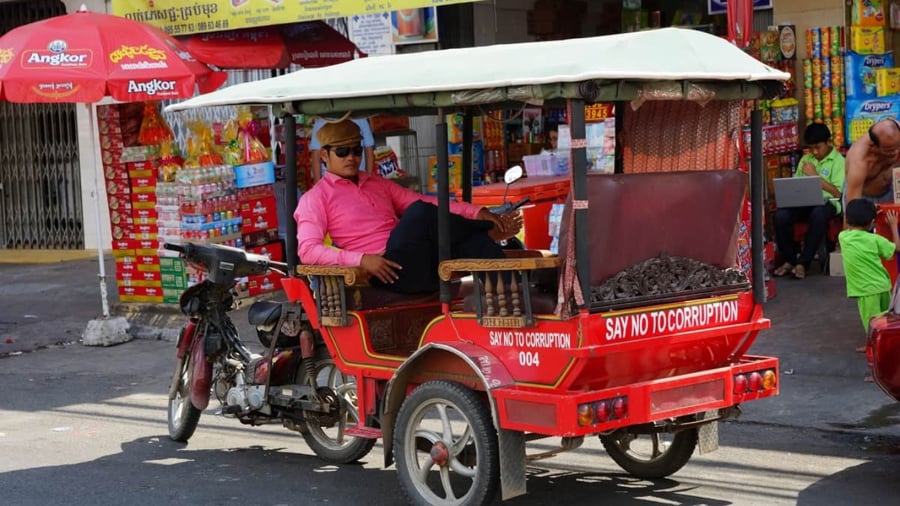
Discovering Angkor Wat and Angkor Thom In Detail

The museum is designed for visitors to learn in detail about Angkor Wat and Angkor Thom, including scale models, charts, and multimedia displays, on site, including designs, meanings, and construction methods of these temples. There are some factors that you may not fully appreciate during your time at either site, and this gives you a better understanding of the details.

scale models, charts, and multimedia displays

Admiring Masterpieces of Khmer Sculpture

The Angkor National Museum has an extensive selection of Khmer sculptures, including statues depicting a seated Buddha sheltered by a Naga, the early Vishnu statue from Sambor Prei Kuk, and the intricately carved lintels from Banteay Srei.

Enjoying the physicality of these artistic works affords you a closer look at craftsmanship as well as artistry and provides insight into how spirituality is communicated through Khmer sculpture over different eras. By seeing and feeling the sculptures in person, you can establish a much stronger connection with Khmer art and history.

Masterpieces Of Khmer Sculpture

Experiencing A Virtual Sunrise at Angkor Wat

The Panoramic Video of Sunrise at Angkor Wat is one of the museum’s most popular exhibits. The video provides an immersive experience through both sound and visuals of a sunrise over Angkor Wat, without the usual present crowds.

This exhibit allows viewers to feel as though they are actually present at the temple and provides insight into how a visit to Angkor Wat at dawn would feel from a visitor’s perspective. The exhibit is therefore educational and enjoyable for visitors.

Entrance Fee

In addition to the cost of visiting Angkor National Museum (12 USD), tourists can purchase audio guides to help them understand the exhibits and other displays located inside the museum for a fee of 3 USD. Traveling to Angkor National Museum every day allows for an easy addition to travel itineraries for visitors to Siem Reap and the surrounding areas.

Opening Hours

Angkor National Museum welcomes everyone. Their doors are open seven days a week from 8:30 AM – 6:30 PM for your convenience. Since they close early each evening, it is highly recommended to arrive at the museum earlier in the day to allow ample time for all exhibits.

The best times to visit Angkor National Museum would be between November and March, as this is generally when the weather is most pleasant in Siem Reap. As well, the late morning to early afternoon hours provide excellent opportunities to take full advantage of the air-conditioned surroundings without sacrificing the full cultural experience.

How to Get to Angkor National Museum

The Angkor National Museum is easily recognisable, as it sits at 968 Charles de Gaulle Boulevard in Siem Reap, conveniently located within a short distance or drive from the central area of Siem Reap, and on the road from Siem Reap to the world-famous site of Angkor Wat. For flexibility in getting to the museum, transportation can be offered at a range of prices.

  • Tuk-tuk: The most commonly used and easiest-to-get-to mode of transport, a tuk-tuk from Siem Reap generally takes 5-10 minutes to arrive at the museum. Cost varies from 2-5 USD, but may be more or less.
  • Taxi or Private Car: For visitors who would prefer to have a private and cool way to get there, and especially if it is hot outside, taxis or private cars can be among the cheapest and quickest ways to travel from the centre of downtown to the museum. It should be expected to pay at least $5.00-$8.00 USD one way when using this method from downtown.

Taxi in Cambodia

  • Bicycle: For budget travellers or those looking for a slower, more scenic approach to the museum, renting a bicycle is an ideal method of transport. You can expect to spend between 1-2 USD to rent a bicycle for a day, while the museum can easily be reached via major routes that run to and from it.
  • Walking: Alternatively, in the event that you find yourself in the vicinity surrounding Old Market and/or Charles de Gaulle Avenue, then getting to the museum on foot is also an option, which would take some 20 to 30 minutes.

Things to Know Before Traveling to Angkor National Museum

A bit of preparation beforehand goes a long way in enjoying what the Angkor National Museum has to offer, and this will enable you to appreciate this experience in Siem Reap even more. What you might find useful for planning purposes are:

  • It is recommended that you pay a visit to the museum before heading to Angkor Wat as this would provide you with crucial information that would be helpful for a visit experience at this temple.
  • Audio guides are highly recommended, ideally for anyone who has not been to the museum before, as they are full of commentary related to the galleries and timelines.
  • At least 1.5 to 2 hours for those who want to tour the museum without rushing through the viewing of the videos and reading of the information displayed throughout the museum.
  • You should dress in comfort and in modest attire since there are religious relics and statues that may be revered at the museum.
  • Photography is not allowed inside certain areas where exhibits are displayed, so it is important to check those signs or instructions from museum officials.
  • Because the museum is completely air-conditioned, this is one of the best locations to be during exceptionally hot weather days or during a break between visiting other outdoor locations around the city.
  • Do not forget to pay a visit to the museum’s gift shop, where you can buy carefully selected souvenirs, such as art and history-related literature about the Khmer Empire.

Final Thoughts: Is Angkor National Museum Worth Visiting?

Visiting Angkor National Museum will surely be one of the to-dos, particularly among those coming to discover more about the historical significance of the Angkor temples. Within this museum, there are organised exhibits, historical artifacts, and superior multimedia show systems, among others, that make this museum an effective means of relaying the story of the golden age of the Khmer culture in Cambodia. This will surely be the best way to experience the heritage of the country when Seni World gives you a tour of this museum, among others.

Ta Prohm Temple Guide: Angkor’s Jungle-Covered Wonder

Ta Prohm Temple is one of the most atmospheric ruins at Angkor and is renowned for its immense tree roots, which have grown through and around the old stone ruins. This temple has barely received any restoration work and gives the eerie impression of nature claiming back what once was a very powerful Khmer religious sanctuary.

Introduction to Ta Prohm

Ta Prohm is one of the most unique and atmospheric temples at Angkor Archaeological Park due to its dramatic mixing of nature and architecture. Unlike most other temples that have been refurbished, Ta Prohm has been left virtually intact. The trees growing around this temple have huge roots that extend from the ground and wrap around the stone walls, forming incredible patterns with the stone walls. This ancient Buddhist temple was constructed in the latter half of the 12th century, and now has become a popular site for tourists from all over the world because of its eerie beauty.

Ta Prohm temple

People travel to Ta Prohm to see the incredible wall structures coated in tree roots, but also to experience the uncertainty of mystery and adventure while at the same time travelling through the temple complex. The incredibly long roots of silk-cotton and strangler fig trees cover door openings, columns, and hallways at numerous angles and at different light sources to create wonderful places of beauty, wonder, and mystery. Because of its striking visual appeal, Ta Prohm is one of the most photographed temples within the Angkor Archaeological Park and is heavily featured on the travel itineraries of many Cambodians who travel to the area.

History of Ta Prohm

Ta Prohm dates back to the year 1186 AD, which was the pinnacle of the Khmer Empire during the reign of King Jayavarman VII. Then, a Buddhist monastery and institution of higher learning referred to as the “Rajavihara or Royal Monastery,” Ta Prohm reflects King Jayavarman VII’s visionary plans for the strengthening of religious, educational, and social foundations within the empire. This religious and educational institution served as a vital link for the spiritual and administrative aspects of life.

Ta Prohm dates back to the year 1186 AD

This temple was meant to pay tribute to King Jayavarman VII’s family, whose central deity, Prajnaparamita, was carved to represent the image of the king’s mother, symbolizing wisdom. Other aspects of this temple include those that paid homage to members of his family and his teachers. Ta Prohm was identified to have a complement in Preah Khan, a large temple that was constructed in 1191, honoring the king’s father, because it was also erected during the same period. Ta Prohm was meant to house 12,500 people, consisting of high priests and 600 Apsara dancers, to cater to 800,000 villagers.

Ta Prohm was abandoned and left to the jungle when the Khmer Empire collapsed in the 15th century and remained that way for many centuries. When the French explorers chanced upon the temple in the late 19th century, they unconventionally decided to leave the temple as they found it, overgrown with giant roots and vegetation. This has resulted in the beautiful sight that exists today, where nature and ancient architecture blend miraculously at Ta Prohm Temple. This has made the temple at Ta Prohm one of the most atmospheric in the entire Angkor Temples complex.

Top 4 Iconic Attractions in Ta Prohm

Ta Prohm is breathtaking because of its unique integration between old architectural styles and natural setting, which exudes a mystical and timeless ambiance. When exploring this temple that is covered by the jungle, every corner offers distinct architectural features that speak with compelling stories of history, mysticism, and natural dominance.

The Entrance to Ta Prohm Temple

The entrance to the temple is a gateway into an enchanting world. The carvings depict guardian spirits and deities, which are meant to offer protection and symbolize divine power. Over time, the entrance has been enveloped by vines, moss, and a series of tall trees, which create a very curious entrance that feels almost as if you have gone back in time and slowed down time.

Giant Tree Roots

The most recognizable features of Ta Prohm Temple are the large, ancient trees, primarily silk cotton trees and strangler fig trees. The tree’s massive roots grow over the walls, through doorways, and cling tightly to the structure of the temple, creating stunning, natural works of art. Instead of destroying the temple, the roots wrap around the temple like a hug. The juxtaposition of nature and architecture existing together in perfect harmony is what makes Ta Prohm different from any other Angkor temples.

Giant Tree Roots in Ta Prohm

Ruins of Corridors and Express Ways

Visiting the ruined hallways of Ta Prohm is similar to visiting an ancient site from another civilization. These long hallways go deeper into the darkness, and their walls made from stone are cracked and partially fell into themselves due to being left without maintenance for many years. Tree roots have invaded the area, covering both the walls and floors with green plants that grow from the soil. The light coming from the dimness creates a unique adventure setting, where every step can lead to something new.

Ruins of Corridors of Ta Prohm

Shrines with Intricate Stone Carvings

At Ta Prohm, there are many places to visit or worship within a small shrine or sacred area. Inside, there are carved statues of Buddha or Hindu gods that were all beautifully made. These types of carvings were all etched on stone and have their own story or pictures illustrating a story of the Khmer’s day-to-day activities or what they believed in. The artistry shown by the carvers has survived through many storms over the years, but the carvings still tell a beautiful story, and you will learn a lot about what those people believed in and the culture of that time period

4 Unforgettable Experiences You Shouldn’T Miss

Ta Prohm is a place where one can feel a personal connection to the history of the temple as it has been taken over by nature. Each experience at Ta Prohm has its own unique elements, allowing the visitor to connect with the history, atmosphere, and emotion of Ta Prohm in ways that are not experienced from simply viewing.

The Temple Intertwined with Huge Tree Roots

Walking through the ruins of the temple at Ta Prohm means walking under very large trees which have roots that are intertwined around towers, walls and doorways. The ancient roots appear to support and crush the stone structure, creating a sharp contrast between the natural and manmade objects. As each tree has grown, so too has the temple developed into a living work of art that changes with the light, shadow, and the passage of time, thus defining the Ta Prohm experience for every visitor who walks through it.

Temple Intertwined with Huge Tree Roots

Explore The Chilling Ruins of Ta Prohm

Ta Prohm has a long series of corridors, broken galleries, and open-air courtyards that contribute to a chill environment where you are free to take as long as you need to explore. Many areas are slightly collapsed, so the stones and vegetation creeping up the walls provide a sense of mystery. The ambient sounds and silence make it easy for you to visualize what it was like when this temple served as a center of worship and education. Visit Ta Prohm in the early morning or late afternoon for a more serene experience in a cooler climate.

Create Unique Images In An Iconic “Tomb Raider” Location

Ta Prohm is internationally renowned as the setting for the popular video game Tomb Raider and also one of the most stunningly photogenic temples at Angkor Wat. The many dramatic roots of the trees, moss-covered stones, and narrow doorways provide you with striking images from all angles. Whether you are using a smartphone or a high-end professional camera, there are virtually unlimited photography opportunities here. The soft lighting from the morning or the warm golden hour light can provide additional depth and texture to your images.

take photos in Ta Prohm

Find Ancient Reliefs, Statues, and Hidden Shrines

Ta Prohm has more subdued areas with tiny shrines, Buddha statues, and delicate stone carvings beyond the main walkways. If you rush, it’s easy to overlook these details, but if you take your time, you’ll gain a deeper understanding of Khmer spirituality and artistic expression. Numerous reliefs show everyday life and mythological scenes, providing a window into the customs and beliefs of the people who once called this place home. This discovery gives your visit a more personal and significant dimension.

Entrance Fee

Ta Prohm, which is situated within the Angkor Archaeological Park and is roughly 12 kilometers from the city center of Siem Reap, does not require a separate admission ticket. During the pass’s validity period, you can freely visit Ta Prohm and other well-known temples within the Angkor complex if you purchase an Angkor Pass, also referred to as the Angkor Wat ticket.

Ticket Type Price (USD) Validity
1-Day Pass 37 USD Valid for 1 day from the time of purchase
3-Day Pass 62 USD Valid for 7 days from the time of purchase
7-Day Pass 72 USD Valid for 1 month from the time of purchase

Opening Hours

Visitors will benefit from plenty of time to visit Ta Prohm Temple on a daily basis, with an open time interval from 5:30 AM – 5:30 PM. Ta Prohm is part of the Angkor Archaeological Park. Therefore, Ta Prohm will follow the same opening hours as the majority of the major temples at Angkor.

The best time to tour Ta Prohm is between 6:00 AM – 8:00 AM because there are usually very few people during this time frame, the temperature is relatively pleasant, and the lighter colours of the natural light that enter through the many cracks in the buildings enhance the beauty of both the tree roots growing over the rocks and the temple’s stone structures.

Additionally, the late afternoon tour option (4:00 PM – 5:30 PM) provides great photographic opportunities because the angle of the sun provides warm golden tones as the crowds tend to dissipate during this time period.

How to Get to Ta Prohm

Ta Prohm Temple is situated close to Angkor Thom within the Angkor Archaeological Park. Travelers typically take Sivatha Boulevard or Pokambor Road from central Siem Reap, then proceed via Tusamuth Road to Charles De Gaulle Boulevard, which leads to the Ta Prohm area and Angkor Wat. Selecting a local driver is the simplest and least stressful choice if you are not familiar with the routes.

  • Tuk-tuk: The most well-liked and practical option. Depending on how well you negotiate and how long you stay at the temple, a round-trip ticket from Siem Reap typically costs between 10 and 15 USD.

tuk tuk in cambodia

  • Bicycle: Perfect for energetic tourists who prefer leisurely exploration. The cost of renting a bike is between $2 and 5 USD per day, but be ready for the heat and longer commute.
  • Motorbike: Ideal for seasoned riders with a permit to drive internationally. When visiting several temples, renting a motorcycle gives you more freedom and costs about USD 8-12 per day, fuel excluded.

Things to Know Before Traveling to Ta Prohm

Among the temples at Angkor, Ta Prohm remains one of the most atmospheric, where nature, with its rich vegetation, seems to blend with ancient ruins to a great extent. To better enjoy a visit to this attraction, a couple of tips should, therefore, be considered.

  • The best time to go there is early morning and late afternoon so that you can avoid many people, especially because Ta Prohm is one of the most visited sites within the Angkor complex.
  • Wear comfortable footwear for walking, as the ground may be uneven and slippery, as well as covered in tree roots and moss.
  • Dress appropriately with your shoulders and knees covered, as Ta Prohm is an active religious site with continued spiritual significance for the local population.
  • Caution is required when accessing steps and/or narrow corridors because some of the structures are quite delicate, and some have been restored.
  • You need to bring enough water along, since shaded areas are minimal and a humid climate is common in Siem Reap.
  • Follow the paths and signs to protect both yourself and the ancient temple ruins, and refrain from touching the carvings or resting on the ancient stones.

Final Thoughts: Is Ta Prohm Worth Visiting?

For those who want to connect to the emotional side of antiquity at Angkor, Ta Prohm is an extraordinary place to visit! Ta Prohm offers visitors the chance to marvel at its natural splendour as well as its architectural magnificence. The intertwining of tree roots and stone work contains all the emotion associated with ages past, making Ta Prohm one of the most unforgettable places in Cambodia. To get the most meaningful experience from this iconic temple, let Seni World take you on a journey through Ta Prohm and the ancient wonders of Angkor!

Angkor Thom, Cambodia: Iconic Temples Inside The Great City

Angkor Thom is the magnificent former capital of the Khmer Empire, famous for impressive gates, smiling stone faces, and magnificent temples. As a tourist destination, Angkor Thom allows tourists to gain an understanding of Khmer architecture, the Khmer religion, and the Khmer monarchy.

Introduction to Angkor Thom

The historical site of Angkor Thom is an exceptional site in Cambodia and a travel attraction within the Angkor Archaeological Park. It was the last and longest-lasting capital of the Khmer Empire, covering approximately 9 km. Today, Angkor Thom remains a partial representation of how the Khmer Empire accomplished a magnificent legacy within the ancient Khmer civilization.

The historical site of Angkor Thom

Angkor Thom was built during the 12th Century during the reign of King Jayavarman VII. It was constructed as a fortified city using enormous stone walls, grand gates, and significant religious monuments representing the strength and cultural sophistication of the Khmer Empire. Bayon Temple, with its unique smiling faces, is located in the center of Angkor Thom and attracts history buffs and culture enthusiasts from all over the world.

History of Angkor Thom

“Angkor Thom” is derived from the Khmer word “Angkor”, which means “city”. The word “Thom” translates to “Great”. These words reflect the enormous size and aspirations of Angkor Thom as a walled city, which was built in the late 12th century by King Jayavarman VII to be the capital for the Khmer Empire during a time when the Khmer Empire was very powerful and underwent very significant changes in religion.

When Jayavarman VII took the throne, he started building Angkor Thom and Bayon, the state temple associated with it, as he envisioned the capital being the political and spiritual center of his empire. The actual size of Angkor Thom is 9 square kilometers, and it is engineered as a city in the following manner: monumental gates, Royal Squares, and places of worship. Angkor Thom was a vital place of commerce from its founding until it was slowly lost by abandonment in the 16th century, leaving it with an archeological legacy that is one of the greatest examples in Southeast Asia.
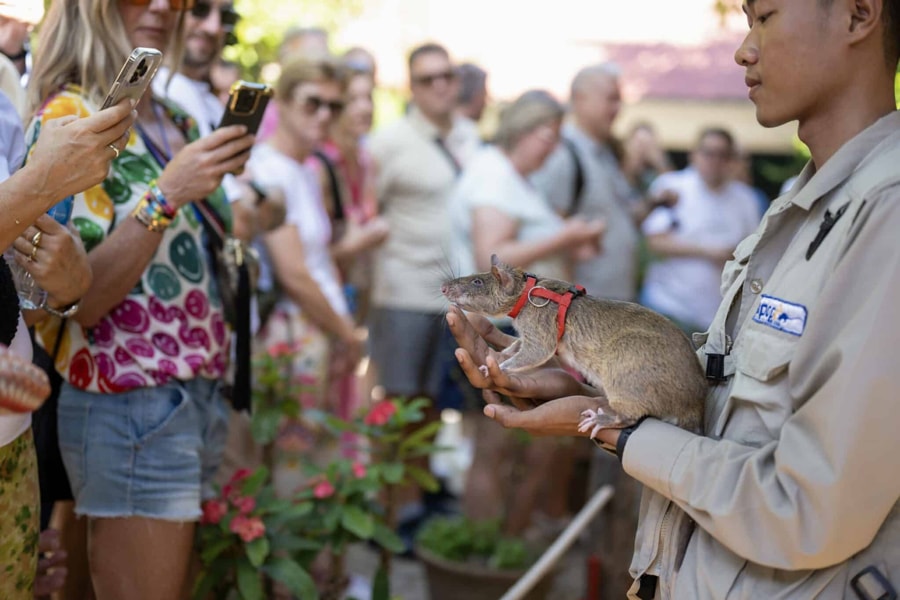
Top 6 Iconic Attractions in Angkor Thom

When you visit Angkor Thom, you are not just visiting ancient temples but exploring the cultural, religious, and historical core of the Khmer Empire. Each area of Angkor Thom will give you a different perspective on this great royal city.

Bayon Temple

Bayon is the most recognisable monument of Angkor Thom and is usually the first stop you will make once you enter via the South Gate. The temple is particularly known for its 54 towers, which have four huge smiling faces on each tower, making 216 faces altogether.

Bayon Temple - The Temple Of Smiling Stone Faces

Many people believe that the faces are representations of Avalokiteshvara (the Bodhisattva of compassion) or of King Jayavarman VII himself. Within Bayon, the bas-reliefs will provide you with vivid images of the lives of the Khmer people and their religion, and how they fought during the time of the Khmer Empire.

Baphuon Temple

Baphuon, north of Bayon, is an 11th-century temple characterised by its massive, pyramid-like structure. The temple was originally built to be the temple of King Udayadityavarman II and was symbolic of Mount Meru, or the centre of the Universe, according to Hindu Cosmology. The Temple is built on three levels and was accessed from a long, elevated path, and along each side of the path, you could find the ancient reservoirs of water.

Baphuon Temple

Along the western side of the temple, there is a dramatic 70-metre-long reclining statue of Buddha that was added at a later point in time. This statue illustrates how, in the area, Hinduism transitioned to Buddhism during this period of time. Visitors to the Upper Platform could see panoramic views of all of Angkor Thom and the surrounding forests.

Phimeanakas Temple

Phimeanakas is a Hindu temple built in the 10th century in the Khleang architectural style with a unique three-tiered pyramid shape. Kings used Phimeanakas as a place of worship for Hindu gods. When visitors arrive at Angkor Thom, they can either walk a short distance along shaded forest trails from Baphuon Temple or take a motorbike up to Phimeanakas. Phimeanakas is smaller than many other temples in Angkor Thom, but it stands about 40 meters high, which makes it a very prominent feature within the area of the former Royal Palace.

Phimeanakas Temple

Phimeanakas is primarily made from laterite stone and has a central sanctuary – a place of worship. Therefore, Phimeanakas was originally built as a private royal chapel and was not intended for large groups of worshippers. Since Phimeanakas is located at the center of the royal complex, it is quieter and more intimate than the other major monuments in the area. Many visitors often do not spend much time at Phimeanakas, so it is often considered a peaceful, relaxing stop for those who are visiting Angkor Thom.
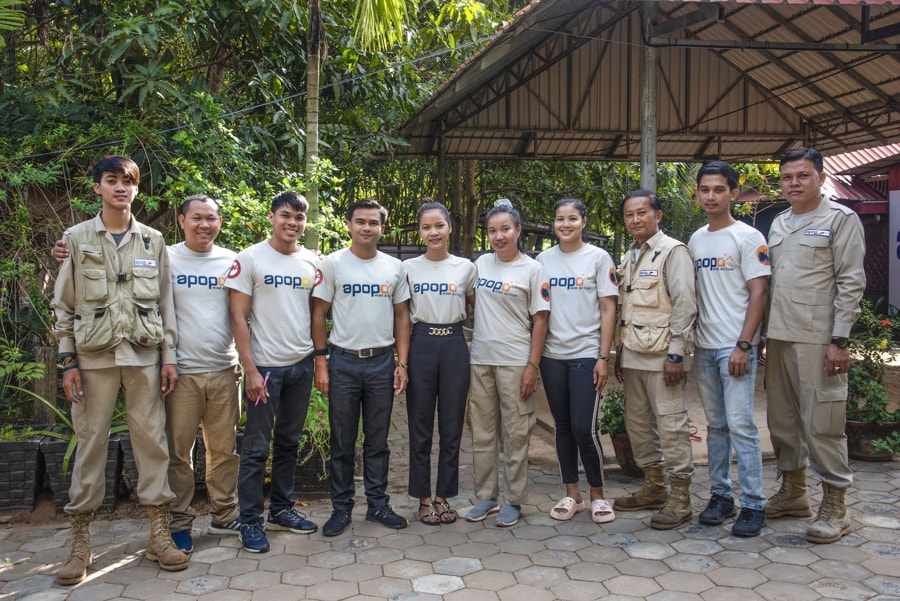
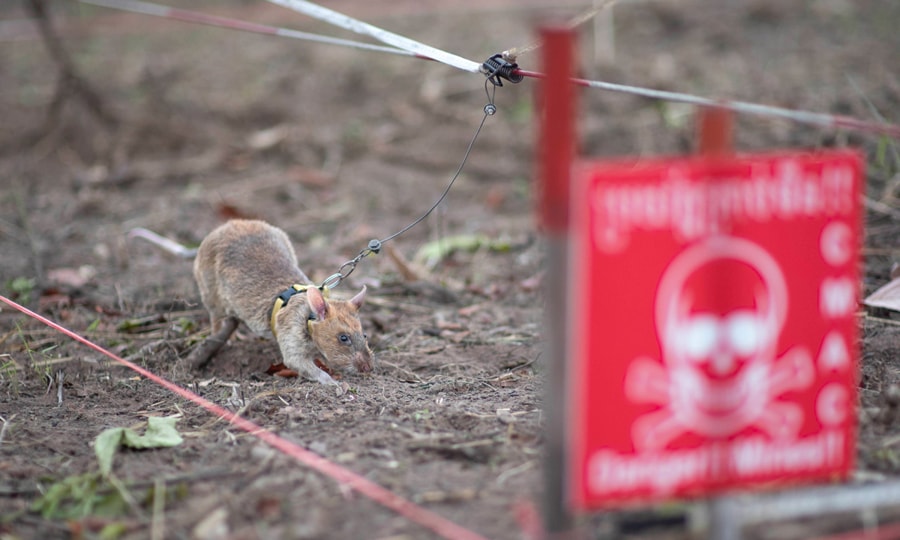
Preah Palilay Temple

Located in a secluded forested area north of Phimeanakas, Preah Palilay is less crowded and provides a quieter ambiance than other temples. The temple is small; however, it possesses a special personality that integrates Hindu & Buddhist elements with ancient shrines positioned next to large seated Buddha figures.

Preah Palilay’s layout consists of painted laterite, a cross-shaped courtyard, including Seven-headed Naga balustrades, guardian Dvarapala statues, and Lion statues guarding the entrance to the temple. A key attraction at Preah Palilay is how it remains culturally relevant. Many people from the surrounding area frequently visit Preah Palilay, as it serves as an excellent location to take wedding photos and other family portraits.

Terrace of The Elephants

The Elephant Terrace, located within Angkor Thom, is among the largest ceremonial platforms, measuring almost 300 metres long and 2.5 metres high. Constructed during the reign of King Jayavarman VII, it served as a place of viewing for royal processions, military parades, and other public ceremonies. The design of the terrace features detailed carvings of elephants, garudas, and various mythical creatures, which represented authority and power. Although today the Elephant Terrace is open and has ample shade, it provides visitors with a beautiful setting to contemplate the grandeur of past ceremonies.

Terrace Of The Elephants

Terrace of The Leper King

The Terrace of the Leper King, next to the Terrace of the Elephants, is one site that has an intriguing name and impressive stone carvings. The name may come from either a leper-like statue or from stories about Yasovarman I, king of the Khmer Empire. The terraced walls have beautiful carved bas-reliefs showing gods, demons, nagas, and other celestial beings. Visitors who take a short secret entrance located behind the terrace’s main wall can see these incredible carvings up close. The detail in these carvings makes the experience one of discovery as well as awe.

5 Unforgettable Experiences You Shouldn’T Miss

Angkor Thom is more than just ancient temples. It’s also about the immersive experiences in Siem Reap you have that allow you to feel the heartbeat of the old Khmer Capital. Whether you’re walking slowly or engaging in an active exploration of Angkor Thom, every activity that you do gives you a different insight into the history, culture, and atmosphere of Angkor Thom.

Explore The Royal Square

The Royal Square of Angkor Thom was the political and ceremonial center of this amazing city. The Great Square was also where many royal ceremonies, keynote speeches, even military parades, and gatherings of nobles took place, as well as where the king would host elaborate public events. Look closely at the intricate carvings of elephants, dancers, and other mythological figures in the Elephant Terrace and the Terrace of the Leper King. They reflect the power and artistic elegance of the Khmer court.

Cycle Along The Ancient Walls

Cycling around Angkor Thom is an immersive and fun way to see the ancient capital of Angkor. With shaded roads by large trees, you can ride comfortably, even in warm weather, while becoming more intimately connected to nature around you. There are numerous opportunities for taking photographs and enjoying quiet moments as you slowly ride beside the great stone walls and through the ancient city gates, which give you a true sense of the scale and enormity of Angkor Thom.

Cycling around Angkor Thom

Find Hidden Temples and Quiet Areas

Many smaller temples and little-known ruins that make up Angkor Thom are waiting to be discovered. Visiting the quieter parts of this historic site allows you to gain a more intimate relationship with it as nature takes back its territory from the ancient stone structures. Travelers who appreciate taking their time while traveling, or who are interested in photography or simply taking the time to think, will find these secret locations within a very historical context.

Visit Bayon Temple and The Smiling Faces

Bayon Temple is located at the center of Angkor Thom and leaves an unforgettable imprint on all who come to visit. Its architecture with hundreds of smiling faces creates an atmosphere of serenity coupled with an element of mystique. Take time to walk through the galleries to observe the reliefs to learn about daily life and rituals practiced by the Khmers during their historical period.

Visit Bayon Temple And The Smiling Faces

Explore The South Gate at Sunrise or Sunset

Also, among the most desired times to visit the South Gate would be during sunrise or sunset, as this would give you one of the most breathtaking views in Angkor Thom itself. During this time, the sun’s shadows add to the symbolic meaning of this gate as the entrance to the said walled city, with fewer tourists as well, since most would already have visited other attractions in Angkor Thom by this time.

Entrance Fee

Angkor Wat provides tourists with access to Angkor Thom, as well as to all other locations that make up the Angkor Archaeological Park. There are three main types of tickets available. These options let you choose a ticket based on your own pace and how long you want to spend visiting different sites.

Ticket Type Price (USD) Validity
1-Day Pass 37 USD Valid for 1 day from the time of purchase
3-Day Pass 62 USD Valid for 7 days from the time of purchase
7-Day Pass 72 USD Valid for 1 month from the time of purchase

Opening Hours

Angkor Thom is most often visited between the hours of 5:00 AM – 5:30 PM on the day visited, as are other temples within the Angkor Archaeological Park. Certain parts of the actual pyramidal structure can be accessed earlier in the morning to view the area at sunrise, but the majority of sites within the inner temple areas open at regular business hours.

The preferred time of year to visit Angkor Thom would be during the dry season between November – March in Siem Reap because of cooler and more pleasant weather and the ability to walk or ride bicycles without hot, humid conditions.

Visiting Angkor Thom early in the morning or late in the evening has the advantages of cooler temperatures and lower levels of direct sunlight, thus providing the best lighting in terms of providing additional beauty to the sculptured designs in the stone. Additionally, visiting during these times allows visitors to avoid the crowds and experience Angkor Thom with a more tranquil and peaceful atmosphere within the picturesquely ancient city.

How to Get to Angkor Thom

To visit Angkor Thom, one must first arrive in Siem Reap, Cambodia. Siem Reap is the nearest major gateway to the Angkor Archaeological Park. Accessing Angkor Thom’s South Gate from the center of Siem Reap takes approximately 8 kilometers, which is easy to do because of the numerous readily available transport services.

  • Tuk Tuk is the most common and genuine mode of transportation to reach Angkor Thom. It would take 10-15 minutes to reach Angkor Thom from the center of Siem Reap, but it could be up to 25 minutes, considering the traffic. The average daily cost regarding the tuk tuk along with the driver would be USD 15-25.

reach Angkor Thom by tuktuk

  • Bicycle rental is most suitable for those travelling to Siem Reap and are interested in a slow, absorbing experience. The journey to Angkor Thom by bicycle generally takes around 30 to 40 minutes, and it’s quite cheap to rent a bicycle, which costs USD 1 to 3 per day.
  • Taxi or private cars are the most comfortable mode of transportation, especially during hot weather conditions. Time taken is approximately 10 to 15 minutes; costs between USD 25 to 40 per day depending on the route and period of use.
  • Self-driving is allowed for foreigners who have an international driving license. The cost of car rental is generally about USD 35-50 per day, which gives you complete freedom to tour the Angkor Thom temple as well as others in the surrounding areas.

It is likely that most tourists gain access to Angkor Thom through the famous South Gate, which is a very impressive way to start your journey into the ancient capital city of the Khmer.

Things to Know Before Traveling to Angkor Thom

In preparation for your visit to Angkor Thom, it will be advantageous to have prior knowledge of how best to prepare for a positive experience at this expansive and historically significant site. Knowing several practical suggestions prior to your trip will help to enhance the experience of visiting this grand site.

  • Wear flat, comfortable shoes while visiting Angkor Thom. The site has many rocky walking paths covering many miles.
  • Dress appropriately by wearing clothing that covers your knees and shoulders while visiting temples such as Bayon.
  • Try to arrive at the site early in the morning or late in the day to avoid peak hours when it is hottest and when there are large groups of tourists visiting at the same time.
  • If you plan to travel from destination to destination within the complex of Angkor Thom, consider renting a bicycle or hiring a tuk-tuk.
  • Assemble enough sunscreen, water, and hats for the visit, as shaded areas are limited in many parts of Angkor Thom.
  • Take the time to read the signs and, if necessary, hire a local guide so you can appreciate the historical significance and symbolism behind the carvings.
  • Make sure you have your Angkor pass with you at all times. You may be stopped at some of the entrances to the complex.

Final Thoughts: Is Angkor Thom Worth Visiting?

A visit to Angkor Thom is a must for every traveler’s Cambodia tour who wishes to grasp the real power and splendor of the ancient Khmer Civilization. The imposing stone gates, the calm and smiling faces at Bayon Temple, and the preserved ruins tell a vast yet intimate tale. As one ambles along the streets of Angkor Thom, one can walk through the royal cities, the holy sites, as well as village life, all frozen forever in stone. Let Seni World guide you through these walls, as it weaves ancient legends, symbols, and beauty.