logo mobile sidebar
support-image-mobile
Share your ideas with our local expert team - we’re here to listen and help you shape a meaningful journey through Indochina.
(+84) 868 663 993
Asia Leading Tour Operator 2025
tripadvisor travelers choice awards 2024
Travelers' Choice Awards 2025

Author: Content Seniworld

Flow Along The Nam Song River In Vang Vieng With Natural Activities

The Nam Song River winds through Vang Vieng, with a view of limestone mountains providing both adventure and peace of mind! It provides opportunities for kayaking, zip lines, and sunbathing or simply enjoying the beauty surrounding the river.

Introduction To The Nam Song River

With its beautiful and relaxing character, the Nam Song River will transport you back to childhood when you would sit back and float down the river with no cares in the world. This natural setting is also perfect for active adventurers, as it has a wide variety of options for outdoor enthusiasts, including tubing, kayaking, enjoying the sunset from one of the river view cafés, and relaxing on the shores of the river.

Nam Song River winds through Vang Vieng

The tranquil waters of the Nam Song are surrounded by mountains, creating a wonderful backdrop that perfectly complements the experiences of being in and around the Nam Song River while visiting Vang Vieng. If you are looking for a destination that combines adventure and relaxation, you should definitely consider adding the Nam Song River to your itinerary when traveling in Northern Laos.

Top 4 Iconic Attractions Near The Nam Song River

The Nam Song River flows through Vang Vieng’s Center and provides dynamic scenery as well as the opportunity to see some of the best attractions around Vang Vieng. So, these attractions allow visitors the chance to explore nature, take part in adventurous activities, and learn about the unique cultures of the area.

Tham Chang Cave

Tham Chang Cave is located just across the river from Vang Vieng. The cave itself is an incredible historical and natural experience; it has centuries-old Buddhist shrines and great stalagmites and stalactites inside. It also provides breathtaking views from the top of a hill of the countryside surrounding Vang Vieng and the Nam Song River.

scenic suspension bridge over the Nam Song Rive

Visitors can gain access to Tham Chang Cave via a series of stone stairs and walking paths that lead to the cave entrance, making it a fun and easy way to hike to the top of the hill and then to the cave entrance for an adventurous and fun time. The view from the cave gives an unbelievable view of the Nam Song River winding through the limestone hills surrounding Vang Vieng.

Nam Song Riverside Bars And Cafes

There are many bars and cafés located along both banks of the Nam Song River that provide visitors with refreshing beverages, light meals, and comfortable sitting areas, along with beautiful views of the Nam Song River. These riverside bars and cafés are a great place to unwind in between your adventure activities, such as tubing or kayaking.

Nam Song Riverside Bars

Most of the riverside venues also have hammocks or seating areas that allow you to enjoy the view of the sunset over the Nam Song River while connecting with fellow travelers and experiencing the laidback atmosphere that is Vang Vieng.

Kayak And Tube Rental Locations

Adventure seekers can find many miles of river to fish, kayak, and tube down, whether you are a beginner or an experienced adventurer looking for the best rapids. Enjoy a whole day of boating fun by renting a kayak or tube, or going on a guided tour from a rental shop along the river. The views of limestone cliffs and riverside villages from the Nam Song while floating by will make for a great experience.

Riverside Villages And The Daily Lives Of Local People

Visiting the villages along the Nam Song River provides a glimpse into the daily lives of local people. You will see them engaged in agricultural practices, fishing, and performing their daily routines while at the river. Some of the villages also provide activities, local crafts, and marketplaces for purchasing souvenirs. Seeing how local people live will add depth to your adventure and create a memorable experience.

4 Unforgettable Experiences You Shouldn’t Miss

Vang Vieng’s Nam Song River is the ideal combination of relaxing activities and memorable action! There are many fun-filled activities, such as zip-lining and canoeing, with scenic views and a glimpse at typical village life on the riverbanks.

Kayak Your Way To Adventure

For those who want to experience an exciting adventure while kayaking, the Nam Song River offers something for everyone, from novice paddlers to those seeking to paddle down a set of rushing rapids. Either way, you’ll find yourself travelling through a stunningly beautiful and scenic region of towering limestone cliffs and plentiful verdant vegetation. With the added peace of mind of having the safety equipment provided by most rental companies, you can be sure of having a safe and fun adventure on the water!

Kayak Your Way To Adventure in Nam Song River

Enjoy Zip Line Overhead

For those wanting to feel the rush of their adrenaline pumping with one of the ultimate thrills, it is an experience that will absolutely wow you! When you hop into a zip line harness and soar high above the calm waters of the Nam Song River, you’ll be mesmerized by the beautiful views of the surrounding landscape, emerald green waterways, and dramatic karst mountains running parallel to each side of the river. This is one of the incredible ways to see the beauty of Vang Vieng from a completely different perspective!

Enjoy Zip Line Overhead Nam Song river

Admire The Incredible Sunset Viewing

The Nam Song River creates beautiful environments to enjoy sunsets. Whether it is standing next to the riverbank or sitting at a restaurant/bar downstairs that has an elevated view of the river, you can see that the sun has set right behind the beautiful mountain range in the distance.

The calming nature of the colourful hues of red and gold creates a perfect scene for photographs and for winding down after spending a full day enjoying the excitement of your time in Vang Vieng.

Relaxing By The Banks’ River

If you would like to find something to do that doesn’t require too much physical effort, then walking and/or sitting by the Nam Song River allows you to take a break from your busy life and enjoy the scenery. Local villagers work on a daily basis, fishing and taking care of their gardens that are located next to the river’s edge. The sound of the water flowing and the birds singing creates a peaceful atmosphere where people can meditate while they are outside reading or having a picnic in nature.

Entrance Fee

The Nam Song River in Vang Vieng is freely available as a natural river. When you wish to do an activity on the river, such as tubing, kayaking, or taking a boat tour, there will be various charges depending on the operator and the kind of activity. The costs cover the rental of equipment and safety gear and will help to make your time on the river safe and fun.

Best Time To Visit Nam Song River

When planning a trip to visit the Nam Song River, your best time is in the dry season, which runs from November through April, when the weather is typically warm with little rain. It is also at this time that you’ll find the river flowing steadily, making water-based activities much safer and more fun. To fully experience the beauty of this area, plan your visit for early morning or late afternoon hours to take advantage of the tranquility and stunning light that illuminates the beautiful limestone walls surrounding the river.

Enjoy Zip Line over Nam Song river

The rainy season runs from May through October, during which the river will be much higher than usual and flowing much faster than during the dry season. Therefore, during this time, most trails and river access points may be slippery or difficult to reach.

Things To Know Before Traveling To the Nam Song River

You will want to go on the Nam Song River armed with these tips for safety and happiness:

  • The dry season is from November to April. Therefore, it is the best time to visit the Nam Song River. The weather will be nice, and the water will be clear.
  • Whenever you are tubing, kayaking, or swimming on this section of the river, ensure that you wear a life jacket due to the strong currents in some areas.
  • Keep your cellphone, wallet, and camera in waterproof pouches or containers when on the river.
  • Respect the local guidelines regarding protecting the natural beauty of the river; littering will lead to damage to the natural beauty of your river.
  • It is advisable for visitors to the area to hire a local guide for assistance in safely navigating the hidden areas of the river, and who can provide information about those areas.
  • Protect and hydrate yourself by taking enough water with you, wearing sunscreen, and covering your head.
  • Wear shoes suitable for walking in water and over rocky or uneven surfaces, especially if you plan to explore caves or rocky riverbanks.

FAQs About Nam Song River

The Nam Song River offers both thrilling adventures and tranquil moments along its banks and is one of the most famous attractions in Vang Vieng. Here are some questions frequently asked to help you in planning your visit to this river and its attendant activities.

Are water activities on the Nam Song River safe?

Generally speaking, most water activities are safe when following safety procedures and wearing appropriate safety equipment (e.g., life jackets). Choose well-established businesses when planning your water-based adventure, and avoid strong river currents during the rainy season. Children and inexperienced swimmers should always be supervised when participating in water activities.

Can I swim in the Nam Song River?

Yes, swimming is allowed in calmer areas of the river, although care must be exercised when swimming in stronger current areas or in fast-water conditions. Please consult local guidance for swimming in this section of the river. If you do decide to go swimming, you should use personal floatation devices where necessary. Swimming in the shallow sections next to tubing locations is typically a great experience.

swimming is allowed in calmer areas of the nam song river

Where is the Nam Song River located?

The Nam Song River runs through Vang Vieng, which means that many areas are within walking distance from Vang Vieng Town Centre or require a short tuk-tuk journey. Several different adventure operators provide free transport to and from a traveller’s accommodation to where activities are conducted along the Nam Song River.

Are there food and drink options along the Nam Song River?

Indeed, numerous riverside bars, cafés, and smaller restaurants provide facilities for procuring snacks, local meals, and drinks along the banks of the Nam Song River. These restaurants are ideal for resting during the course of an activity, sipping on an ice-cold beer, and taking in the beauty of the scenery that encompasses the river and the nearby mountain range.

Final Thoughts: Is The Nam Song River Worth Visiting?

The Nam Song River is an unforgettable combination of natural splendor and fun activities. Thus, it also becomes one of the premier places in every Vang Vieng tour. Just imagine crystal-clear water in the Nam Song River against the backdrop of beautiful limestone karsts. Additionally, the relaxing atmosphere along the shores of the Nam Song River is the ideal antidote for the stress of the real world. Since the Nam Song River brings beauty together with fun activities like tubing, kayaking, and many more, it is one of the best places for adventure-seekers as well as people in pursuit of relaxation.

Tham Chang Experience – Pools, Stalactites & Buddhist Shrine

Tham Chang Cave, near Vang Vieng, Laos, is a stunning natural wonder featuring glittering stalactites, serene pools, and hidden Buddhist shrines. Visitors can explore multi-level chambers, enjoy scenic views, and experience both adventure and tranquility.

Introduction To Tham Chang

Tham Chang Cave sits quietly near Vang Vieng, hidden among lush forests and flowing by the gentle waters of the Nam Song River. To reach it, visitors cross a charming suspension bridge and climb a small hill — once you step through the entrance, you are greeted by breathtaking limestone formations that nature painstakingly carved over millions of years. Inside the cave, glittering stalactites and stalagmites descend dramatically from the ceiling and spring up from the ground, creating a magical underground world.

Tham Chang Cave, near Vang Vieng, Laos

Visiting Tham Chang today, you don’t just step into a geological wonder. You walk through a place that once sheltered human lives, carrying stories of resilience and history. That mixture of natural beauty and cultural memory makes Tham Chang more than just a tourist spot – it’s a quiet reminder of the past and a peaceful escape into nature.

History Of Tham Chang

Beyond its natural beauty, Tham Chang Cave also holds significant historical value for the people of Vang Vieng. The name “Chang” in Lao means “a place to rest,” as the cave once served as a safe refuge for locals during times of war. Today, Tham Chang is not only an ideal eco-tourism destination but also a place that preserves memories of resilience and courage, allowing every visitor to feel a strong connection to the past.

Unique Architecture Of Tham Chang

Tham Chang Cave is not only a natural wonder but also showcases unique architectural features shaped by millions of years. Visitors can explore different chambers, intricate formations, and hidden spaces that create a harmonious blend of nature and spiritual elements.

Spacious Multi-Level Chambers

Inside Tham Chang, you’ll discover a series of large chambers spread across different levels. Each chamber is decorated with stunning stalactites and stalagmites, forming intricate natural patterns over millions of years. Walking along carefully paved paths, visitors can admire the cave’s natural artistry while feeling a sense of awe at the vast underground spaces.

Spacious Multi-Level Chambers inside Tham Chang

Hidden Buddhist Shrine

Nestled within the cave is a small Buddhist shrine, offering a tranquil space for worship and reflection. This sacred spot allows visitors to experience a sense of peace and spirituality amidst the rugged beauty of the cave. The serene atmosphere makes it a perfect place to pause, meditate, or simply enjoy the quiet ambiance.

Natural Windows and Scenic Viewpoints

Throughout the cave, natural windows open up to reveal picturesque views of the surrounding lush countryside. These vantage points provide perfect spots for photography and allow visitors to fully immerse themselves in the stunning scenery outside while still enjoying the shelter of the cave.

Natural Windows and Scenic Viewpoints of Tham Chang

Summit Rest Area with Panoramic Views

After climbing 200 steps to the top of the cave, visitors reach a rest area equipped with wooden benches. This spot offers breathtaking panoramic views of Vang Vieng below, making it an ideal place to relax and take in the scenery after an adventurous climb.

Innovative Lighting Design

The cave’s lighting is thoughtfully designed, with soft white lights creating a mystical and serene atmosphere in most areas. In certain sections, colored lights add a festive and playful touch, enhancing the visual experience and making the cave feel lively and dynamic.

Hidden Pool and Small Buddha Chamber

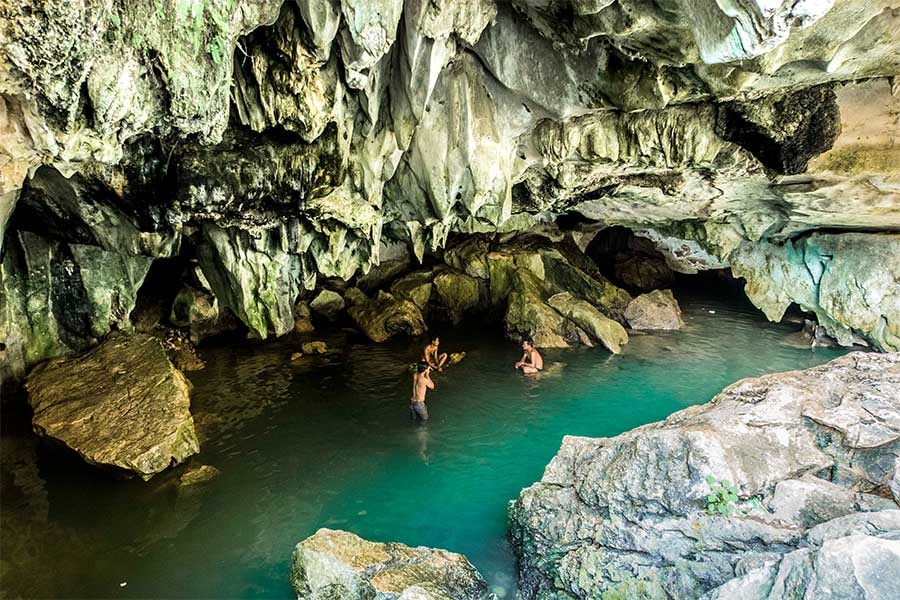
After descending the 200 steps, take the right-hand orange path to explore a hidden chamber with a small Buddha shrine and a mysterious emerald pool. The clear, turquoise water provides a refreshing spot to relax and cool off, offering a peaceful conclusion to an adventurous exploration of the cave.

6 Unforgettable Experiences You Shouldn’t Miss

When visiting Tham Chang Cave, there are several unforgettable experiences that will make your trip truly memorable. From exploring the cave’s stunning formations to enjoying the surrounding natural beauty, these activities allow you to connect deeply with both nature and local culture.

Explore the Magical Limestone Formations

Step inside Tham Chang Cave and be amazed by the glittering stalactites and stalagmites that have formed over millions of years. As you wander through the cave, notice the intricate shapes, unique textures, and natural patterns carved by water and time. The cave’s cool, serene atmosphere creates a perfect setting for photography or quiet contemplation. Some areas are dimly lit, so bringing a flashlight or headlamp helps reveal hidden formations and small chambers.

Magical Limestone Formations inside Tham Chang Cave

Exploring the cave is a fascinating way to witness the raw artistry of nature and understand why this site is considered one of Laos’ most impressive geological wonders.

Swim in the Crystal-Clear Pool

Inside the cave lies a refreshing pool with clear, cool water — an ideal spot for a relaxing dip after wandering through the limestone passages. The pool reflects the cave’s formations above, creating a surreal, almost magical atmosphere. Swimming here allows you to cool off from the warm tropical sun outside while being surrounded by the cave’s peaceful ambiance. Even if you don’t swim, sitting by the pool and listening to the gentle dripping of water adds a meditative touch to your visit. This experience combines relaxation, adventure, and a unique connection with nature.

Cross the Charming Suspension Bridge

Before reaching the cave, you will walk across a scenic suspension bridge over the Nam Song River, offering breathtaking views of the surrounding landscape. From this vantage point, you can admire the lush forests, rolling karst hills, and sparkling river below. The gentle sway of the bridge adds a sense of adventure to your journey and provides fantastic photo opportunities. Crossing the bridge is more than just a passage — it’s a moment to pause, take in the scenery, and feel a growing anticipation for the wonders awaiting inside the cave.

scenic suspension bridge over the Nam Song Rive

Discover Local History and Culture

Tham Chang Cave holds more than just natural beauty; it also carries deep historical and cultural significance. During times of conflict, the cave served as a safe refuge for local residents, making it a symbol of resilience and community strength. Visitors can learn about these stories and reflect on the role the cave played in protecting lives. Guided tours or local storytellers often provide fascinating insights into the cave’s past, adding depth and meaning to your exploration. Experiencing this connection to history enhances your appreciation of both the people and the landscape of Vang Vieng.

Enjoy the Scenic Surroundings of Vang Vieng

After exploring the cave, take time to explore the lush and scenic surroundings of Vang Vieng. The region is famous for its dramatic karst hills, winding rivers, and vibrant rice fields, creating a peaceful and picturesque environment. You can take a walk along trails, cycle through the countryside, or simply sit by the river and enjoy the tranquil atmosphere. These moments offer a deeper connection to nature and provide a perfect balance to the excitement of cave exploration. Immersing yourself in this serene landscape makes your visit to Tham Chang a complete and unforgettable experience.

Cycle Through Vang Vieng’s Countryside

Capture the Perfect Sunset

As your visit winds down, don’t miss the chance to watch the sun set over the Nam Song River and surrounding limestone hills. The golden light casts dramatic shadows on the cave’s entrance and the nearby landscapes, creating an ideal backdrop for photos or quiet reflection. Sunset at Tham Chang combines natural beauty with a peaceful, almost spiritual ambiance, giving your day an unforgettable conclusion. Taking the time to pause and enjoy this moment enhances your overall experience and leaves lasting memories of your journey.

Entrance Fee

Visiting Tham Chang Cave is free of charge, so you can explore without worrying about an admission fee. While there is no cost to enter, you can find small vendors nearby selling snacks and drinks, making it convenient to take a short break and enjoy refreshments during your visit.

inside Tham Chang Cave

Best time to visit Tham Chang

The best time to visit Tham Chang Cave in Laos is from November to March. During this dry season, the weather is cool and pleasant with little rain, making it perfect for exploring the cave and enjoying outdoor activities. The surrounding scenery and Vang Vieng city are also at their most vibrant, with clear blue skies, golden sunlight, and the sparkling Nam Song River creating a breathtaking natural landscape.

This period is also the peak tourist season in Vang Vieng, when outdoor activities such as kayaking, cycling, and hiking are in full swing, offering visitors a rich and varied experience. It’s an ideal time for those who want to relax in nature while discovering the unique culture of Laos.

It’s best to avoid visiting during the rainy season from June to October, as wet weather, potential flooding, and slippery paths can make travel and cave exploration difficult.

How To Get To Tham Chang

Getting to Tham Chang Cave is relatively easy from Vang Vieng, making it a convenient destination for travelers. Whether you prefer a scenic drive, a motorbike adventure, or a relaxing boat ride, there are several ways to reach this natural wonder.

By Car or Taxi

The most straightforward way to reach Tham Chang is by car or taxi from Vang Vieng town, which takes around 10–15 minutes. This option is comfortable and convenient, especially for families or travelers carrying extra luggage. You can enjoy the scenic views along the way without worrying about navigation or parking.

By Motorbike or Bicycle

For a more adventurous route, renting a motorbike or bicycle is a popular choice. The journey allows you to explore the countryside at your own pace, passing through rice fields, rivers, and limestone hills. It’s a great option for travelers who enjoy flexibility and the freedom to stop at viewpoints or local spots along the way.

By Boat

Although less common, traveling by boat along the Nam Song River can be a unique and scenic way to reach Tham Chang. This method gives you a different perspective of the area and is especially enjoyable during the dry season when the river is calm. Keep in mind that this option may require arranging a local guide or tour.

Things To Know Before Traveling To Tham Chang

Before visiting Tham Chang, it’s helpful to know a few practical tips to make your trip safe and enjoyable. From transportation to cave etiquette, these pointers will help you get the most out of your visit.

  • Wear comfortable and sturdy shoes, as reaching the cave entrance involves a short climb up a hill with uneven steps.
  • Bring a flashlight or headlamp, since some areas inside the cave are dimly lit and a light source will help you explore safely.
  • Avoid touching the stalactites and stalagmites, as natural oils from hands can damage these delicate formations over time.
  • Carry enough water and light snacks, especially if you plan to relax or swim in the cool pool inside the cave.
  • Respect local customs and the historical significance of the cave, remembering that it once served as a refuge for locals during times of war.
  • Plan your visit in the early morning or late afternoon to avoid large crowds and enjoy cooler, more comfortable temperatures for walking and exploring.

Final Thoughts: Is Tham Chang Worth Visiting?

Tham Chang Cave is a must-visit destination near Vang Vieng, offering a unique blend of natural beauty and cultural history. Its stunning limestone formations, tranquil waters, and lush surroundings create a magical escape for nature lovers. The cave’s historical significance adds depth to every visit, making it more than just a sightseeing spot. Plan your Laos trip today and experience this hidden gem with Seni World for an unforgettable journey.

Wat Kang Hidden Wonders – Cambodia’s Temple Off the Beaten Path

Wat Kang, located in the heart of Vang Vieng, Laos, is a serene Buddhist temple known for its beautifully decorated ordination hall, reclining and seated Buddha statues, and traditional drum tower. It offers visitors a peaceful glimpse into local religious life.

Introduction To Wat Kang

Wat Kang, nestled in the heart of Vang Vieng town, is a serene Buddhist temple that offers a window into everyday spiritual life in Laos. The temple is characterized by traditional Lao architecture, vibrant decorations, and golden Buddha statues, including both seated and reclining Buddhas – creating a calm and welcoming atmosphere for both locals and travelers.

Wat Kang, located in the heart of Vang Vieng, Laos,

Because of its convenient location on the main street and free admission, Wat Kang is easily accessible and often visited by those passing through town. Inside, visitors can observe locals performing their daily rituals, admire colorful murals and intricate details in the prayer hall, and enjoy a peaceful, meditative environment that contrasts sharply with Vang Vieng’s lively tourist areas.

History Of Wat Kang

The exact origins of Wat Kang are unclear, but the main temple structure, including the ordination hall, was built in 1938. Historical records before this period are scarce, leaving much of the temple’s early history a mystery.

Before the development of Vang Vieng as a tourist hub and the establishment of the nearby airfield during the “Secret War” in Laos, the town was a small rural community. The local population primarily relied on subsistence farming, suggesting that any earlier religious structures at this site were likely simple and modest. Today, Wat Kang stands as a significant cultural and spiritual landmark, reflecting both the history and resilience of the local community.

Top 3 Iconic Attractions In Wat Kang

Wat Kang is more than just a temple; it’s a living testament to Lao culture and spiritual traditions. Each section of the temple offers unique insights, from its beautifully decorated halls to iconic Buddha statues and traditional structures. Exploring these highlights allows visitors to fully appreciate the artistry and history of the temple.

The Ordination Hall

The ordination hall at Wat Kang may be small, but it is beautifully decorated both inside and out. Murals and intricate paintings adorn the walls, depicting Buddhist stories and local traditions, creating a serene and contemplative atmosphere. Its design reflects a typical Lao temple outside the major cities, showcasing simple yet elegant architecture founded without royal patronage. Visitors can admire the balance between functional space for worship and artistic detail, making it a quiet yet captivating highlight of the temple.

The Ordination Hall of Wat Kang

Seated and Reclining Buddha Statues

Wat Kang houses two large Buddha statues under protective shelters: a seated Buddha and a reclining Buddha. These statues are complemented by four smaller Buddha figures and a small chedi in front of the ordination hall. The reclining Buddha, with its calm expression and detailed craftsmanship, represents the Buddha at rest or during his final moments, while the seated Buddha embodies meditation and spiritual focus. Together, they offer visitors a chance to reflect on different aspects of Buddhist philosophy and devotion in a peaceful setting.
Seated and Reclining Buddha Statues of Wat Kang

Drum Tower

The drum tower at Wat Kang is another significant feature of the temple complex. Traditionally, drum towers in Laos are placed at the center of towns or villages, serving both spiritual and community purposes. The presence of a drum tower here suggests that Wat Kang may have been one of the original central temples in Vang Vieng before the town expanded southward. The tower stands as a symbol of the temple’s historical importance, providing insight into local town planning and religious practices.
Drum Tower at Wat Kang

5 Unforgettable Experiences You Shouldn’t Miss

Visiting Wat Kang offers more than just sightseeing; it’s an opportunity to immerse yourself in the spiritual and cultural heart of Vang Vieng. From exploring serene temple grounds to witnessing local rituals, each experience leaves a lasting impression and deepens your understanding of Lao traditions.

Explore the Main Temple Hall

The main temple hall, or ordination hall, serves as the spiritual center of Wat Kang and is the highlight of any visit. Its elegant wooden beams, traditional Lao-style tiered roof, and carved eaves showcase a perfect blend of simplicity and intricate craftsmanship. Inside, you’ll find Buddha statues adorned with colorful robes, candles, and offerings from local worshippers. Spending time in the hall allows you to observe the monks in their daily rituals, from chanting to meditation, offering a glimpse into the spiritual life of the community. The serene atmosphere inside also provides a peaceful retreat from the bustling town outside.

Admire Traditional Lao Architecture

Wat Kang’s architecture is a beautiful example of traditional Lao temple design. The tiered roofs, delicate carvings on wooden pillars, and murals depicting Buddhist stories and local folklore make each corner visually captivating. Walking around the temple grounds, you can appreciate the harmonious integration of the temple with its natural surroundings, including trees, gardens, and small ponds. The attention to detail in both construction and decoration reflects centuries of cultural heritage and religious devotion, allowing visitors to gain a deeper appreciation of Lao artistry and craftsmanship.

Wat Kang houses two large Buddha statues

Participate in Morning Alms Giving

Experiencing the morning alms giving is one of the most meaningful ways to connect with local culture at Wat Kang. Each day at dawn, monks walk through the temple grounds with their alms bowls, collecting offerings of food from villagers and tourists alike. Visitors are welcome to observe or respectfully participate in this ritual, gaining insight into the spiritual practice of generosity, known as dāna, which is central to Buddhist life. Witnessing the quiet discipline of the monks and the devotion of the community provides a profound understanding of Lao traditions and emphasizes the peaceful rhythm of daily life in Vang Vieng.

Enjoy the Scenic Views Around the Temple

Wat Kang is slightly elevated, offering panoramic views of Vang Vieng’s picturesque landscape, including lush rice fields, winding rivers, and the iconic limestone karsts that surround the town. Visiting during early morning or late afternoon ensures soft, golden light that enhances the beauty of the scenery. You can spend time strolling the temple grounds, taking photographs, or simply sitting quietly to reflect and absorb the tranquility. The combination of cultural immersion and natural beauty makes this experience particularly memorable, providing both aesthetic pleasure and a sense of spiritual calm.

Experience Local Festivals and Ceremonies

If your visit coincides with major Buddhist festivals such as Lao New Year (Pi Mai) or Visakha Bucha, you’ll witness Wat Kang come alive with vibrant rituals and community gatherings. Locals gather to light candles, chant prayers, and make offerings to the monks, filling the temple grounds with a sense of devotion and celebration. Participating in or observing these ceremonies offers a deeper understanding of Lao spirituality, cultural values, and community life. It’s also a unique opportunity to experience traditional music, dance, and attire, creating a rich, immersive cultural experience that goes beyond sightseeing.

Buddhist festivals such as Lao New Year (Pi Mai)

Entrance Fee

Visiting Wat Kang is free of charge, allowing all travelers to explore the temple and its grounds without any admission cost. While there is no mandatory fee, visitors are welcome to make voluntary offerings or donations, which are typically used to support the temple’s maintenance and the monks’ daily activities. Bringing small offerings, such as flowers, incense, or a monetary donation, is a thoughtful way to show respect and contribute to the upkeep of this historic and spiritual site.

Best Time To Visit Wat Kang

The best time to visit Wat Kang is during the dry season, from November to February, when the weather in Vang Vieng is cool and comfortable. This period allows for pleasant exploration of the temple grounds and surrounding landscapes without the disruption of heavy rain or extreme heat. Visiting in the early morning or late afternoon is ideal to enjoy soft natural light and a tranquil atmosphere for photography and reflection.

How To Get To Wat Kang

Getting to Wat Kang in Vang Vieng is simple and convenient, whether you are staying in town or coming from other major cities in Laos. The temple is well-connected by local transport, making it easy to include in your Vang Vieng itinerary.

From Vang Vieng town center:

You can walk, cycle, or take a tuk-tuk to Wat Kang. Walking takes about 10–15 minutes, depending on your pace. Tuk-tuk fares are usually around $2–$3 USD, while bicycle rentals cost roughly $1–$2 USD per day.

travel by tuktuk in laos

From Luang Prabang:

If you are traveling from Luang Prabang, you can take a bus or minivan to Vang Vieng. The journey takes approximately 4–5 hours, and tickets cost around $10–$15 USD. From Vang Vieng town center, you can continue by tuk-tuk or bicycle to the temple.

From Vientiane:

From Vientiane, buses and minivans to Vang Vieng are available throughout the day. The trip usually lasts 5–6 hours, with ticket prices ranging from $12–$18 USD. Once in Vang Vieng, local transport options like tuk-tuks or bicycles will take you directly to Wat Kang.

Things To Know Before Traveling To Wat Kang

Before visiting Wat Kang, it’s helpful to be aware of the local customs and practical details to ensure a smooth and respectful experience. Here are some useful tips to help you make the most of your visit.

  • Dress respectfully: Wear modest clothing that covers shoulders and knees, as Wat Kang is an active religious site.
  • Remove shoes: Always take off your shoes before entering the main prayer halls.
  • Visit early morning or late afternoon: These times offer cooler temperatures and fewer crowds for a peaceful experience.
  • Observe rituals quietly: Be mindful of monks and worshippers, avoiding loud conversations or flash photography inside sacred areas.
  • Bring water and sun protection: The temple grounds can be sunny, so a hat, sunscreen, and water bottle are recommended.
  • Support the temple: Consider donating a small offering or participating in local fundraising activities to support the upkeep of Wat Kang.
  • Plan transport in advance: Tuk-tuks or motorbikes are the easiest ways to reach Wat Kang from Vang Vieng town, and negotiating fares beforehand is advisable.

FAQs About Wat Kang

Wat Kang in Vang Vieng is a peaceful temple offering insight into Laos’ religious and cultural heritage. Before visiting, here are some common questions travelers ask to help plan your trip effectively.

Do I need to pay an entrance fee to visit Wat Kang?

Visiting Wat Kang is free of charge. However, donations are welcome and are a common way to support the temple and local monks. You can contribute any amount you feel comfortable with.

How long does a visit to Wat Kang usually take?

A typical visit lasts about 30–60 minutes, depending on whether you explore the ordination hall, Buddha statues, and drum tower. If you want to take photos and soak in the surroundings, allow extra time.

What should I wear when visiting Wat Kang?

Visitors should dress modestly out of respect for the temple. Shoulders and knees should be covered, and shoes must be removed before entering the ordination hall. Lightweight, breathable clothing is ideal in the warm climate.

How can I combine a visit to Wat Kang with other attractions in Vang Vieng?

Wat Kang can easily be paired with nearby attractions like Tham Phu Kham Cave, the Nam Song River, or local markets. A half-day itinerary allows time to enjoy the temple and other scenic or cultural spots nearby.

Final Thoughts: Is Wat Kang Worth Visiting?

Wat Kang is a peaceful and culturally rich destination that offers a glimpse into the spiritual life of Vang Vieng. Its traditional Lao architecture, serene temple grounds, and intricate artwork make it a memorable visit for travelers. The temple provides a calm escape from the town’s lively streets, perfect for reflection and photography. Experiencing local rituals here adds an authentic touch to your journey. Don’t miss this hidden gem when exploring Vang Vieng with Seni World.

Adventure Awaits At Blue Lagoon: Swim, Relax, And Explore Nature

The Blue Lagoon in Vang Vieng is one of the best-known natural sites in Laos. With clear waters, limestone formations, and a calm ambience, it is a true paradise for swimming, lounging, or just soaking up the stunning surroundings.

Introduction To Blue Lagoon

The Blue Lagoon in Vang Vieng has become a premier natural destination for travelers, both domestic and international alike. Situated close to Vang Vieng, it is surrounded by vast mountains, thick vegetation, and provides visitors with a peaceful rural environment. Visitors have the opportunity to experience a relaxing dip into the cool emerald-blue water that continuously provides refreshing relief from the hot temperatures in Lao.

The Blue Lagoon in Vang Vieng

In addition to being a place to enjoy a swim, the Blue Lagoon offers opportunities for outdoor adventure. There are wooden huts to enjoy, shady picnic areas, bamboo bridges leading into the lagoon, and swings made from vines hanging from the large banyan tree surrounding the lagoon. Thus, providing an element of fun to your visit. Close to this area is the entrance to Tham Phu Kham Cave, which contains one of the most beautiful rock formations in the Vang Vieng region. It includes deep caverns and several Buddha statues located inside it.

History Of Blue Lagoon

Blue Lagoon is located in the Vang Vieng area and has earned its name due to the intense turquoise blue of its waters. This colour has become synonymous with being the defining image of this destination. The term ‘Blue Lagoon’ is also used widely to refer to natural pools across Laos that exhibit the same crystal clear jade-coloured waters, which are particularly common next to the famous Tham Phu Kham Cave.

Blue Lagoon is located in the Vang Vieng area

However, the rich colours of Blue Lagoon are created by the purity of the spring water along with the surrounding limestone minerals, which give rise to a breathtaking visual spectacle, with incredible natural beauty that continues to attract visitors from around the globe.

Top 3 Iconic Attractions In Blue Lagoon

Unlike the other destinations, Blue Lagoon in Vang Vieng isn’t limited to one location; there are many different beautiful places to swim, where each place has its own unique look and feel. Whether you are interested in action, tranquil views, or unique travel options, the three primary lagoons have something unique that will keep you entertained.

Blue Lagoon 1 – The Most Famous and Accessible Spot

Blue Lagoon 1 is the most commonly visited of the three lagoons due to its emerald-blue water, rope swings, and relaxed atmosphere. It is conveniently located near to town and can easily accommodate visitors wishing to spend the day or half of the day there.

Blue Lagoon 1 - The Most Famous and Accessible Spot

Swimming, sunbathing, exploring Phu Kham Cave, and grabbing a bite from the food stalls nearby are all available options. First-time visitors looking for a classic Blue Lagoon experience in Vang Vieng will find Blue Lagoon 1 to be a great choice.

Blue Lagoon 2 – A Quieter and More Scenic Escape

Blue Lagoon 2 is actually located much deeper in the countryside and is much quieter and peaceful than Blue Lagoon 1. It features rice fields and limestone cliffs as its backdrop, as well as a smaller number of visitors than Lagoon 1. Because of this, visitors can be surrounded by a beautiful, tranquil setting and have plenty of room to swim, relax, and picnic.

Blue Lagoon 2 - A Quieter and More Scenic Escape

The water is equally as clear, and the surrounding green landscape provides stunning scenery, perfect for taking photographs. There are also swings, hammocks, and small cafes available, which will give a visitor a chance to enjoy a very slow-paced, relaxing travel experience.

Blue Lagoon 3 – Adventure-Packed and Less Touristy

The Blue Lagoon 3 is a great choice for those travellers who prefer a more active, adventurous experience. Although the location is further away, much of the driving time offers the opportunity for some pretty views of rural Laos and local village life. And there are several adrenaline-producing activities available to visitors, such as kayaking, zip lining, swing ropes, and even bamboo rafts. The fact that it isn’t as crowded as some of the other Blue Lagoons makes it feel more authentic and gives people the chance to enjoy nature at their own pace.

Blue Lagoon 3

4 Unforgettable Experiences You Shouldn’t Miss

Blue Lagoon is one of the most popular destinations for travelers visiting Vang Vieng, as it provides an unforgettable combination of relaxation, adventure, and natural beauty. Travelers today can partake in a variety of activities while at the Blue Lagoon, as each of the lagoons boasts its own unique offerings.

Experience Swimming In Turquoise Crystal Waters

The lagoon provides an amazing swimming experience because its warm and shallow waters are ideal for a relaxing swim or just floating peacefully in the warm sun. As the water is crystal clear, visitors will be able to view the small fish swimming below the surface of the lagoon and which adds to the enjoyment of swimming here.

Experience Swimming In Turquoise Crystal Waters

This lagoon is particularly great for families with young children or those who are new to the sport of swimming and would like a relaxing place to spend time and recharge their batteries away from all of the many activities going on in other parts of Vang Vieng. The tranquil ambiance of the lagoon makes it the perfect location to hang out and enjoy the coolness of the water, take pictures, or just lie back and let the peaceful atmosphere of the lagoon.

Enjoy Exciting Adventure Activities

If you are looking for an adventure, look no further than the Lagoon. The lagoon is filled with thrilling activities, including jumping off rocks into the deep blue lagoon and diving from different heights. All of these activities will have you feeling the adrenaline rush of excitement. With well-trained guides to keep you safe while you participate in all adventures, the thrill of leaping from the cliffs or swinging high above the water will leave you with incredible memories!

Enjoy Exciting Adventure Activities

Scenic Views And Nature Watching

Blue Lagoon is surrounded by lush limestone mountains and dense greenery, making the natural surroundings breathtaking. Visitors can either watch various schools of colored fish in the crystal-clear waters or simply relax and enjoy the peaceful sounds of nature. The contrast of the vibrant blue water against the green mountains is just about perfect for photography or meditation.

A walk around the lagoon’s edge offers innumerable opportunities to appreciate the pristine beauty on display, therefore making it a haven not only for nature lovers but also for those seeking serenity. So this is truly one of the must-try activities when you visit Vang Vieng.

Visiting Local Villages And Shops

Small traditional villages and local shops abound around the lagoon, allowing visitors to experience rural Laotian life in its most authentic way. You can explore handcrafted souvenirs, local artwork, and stalls offering fresh fruits or snacks. Interacting with the friendly locals imparts a cultural rhythm to your trip and helps in community support.

You get to feel the simple lifestyle of the villagers while strolling around these areas, making your visit not just scenic but meaningful and immersive. This can be a very good blend of leisure time with cultural discovery.

Entrance Fee

Entry into the Blue Lagoon is free. However, you may incur additional charges if you wish to rent equipment for any of the activities available, such as ziplining, cliff jumping, and snorkelling. A great way to experience natural beauty without spending anything, but you also have the option of making your trip to the lagoon even more enjoyable. Be sure to take some cash if you wish to sample local cuisine and purchase souvenirs from the food and craft vendors near the lagoon.

Opening Hours

As Blue Lagoon is open daily from 8:00 AM until 6:00 PM, there are many opportunities throughout the day for you to witness the magnificent vistas that can be experienced here. The best times to visit are early morning or late afternoon, when there are fewer people visiting the lagoon, the surrounding area is cooler, and you are able to take full advantage of both the tranquil waters and the numerous available activities for adventure.

Blue Lagoon is open daily from 8AM until 6 PM

Peak season generally tends to be between November and February in Vang Vieng when the weather is warm and dry, making it a wonderful time for swimming, relaxing, and exploring nearby landmarks. Therefore, if you wish to see Blue Lagoon at its finest, plan your visit during these ideal hours.

How To Get To Blue Lagoon

To get to Blue Lagoon, visitors will have to follow a wooded path up a hillside to the entrance of Tham Phu Kham cave. Along this wooded path, some parts can be steep and slippery, so although there are sometimes handrails, visitors need to take care when proceeding along this path, as if one were to slip or fall, it could be serious.

Inside, the cave resembles a maze (labyrinth), as there are many nooks and crannies, with dark corners and majestic stalactites. Visitors will see multiple stone sculptures and carvings that contribute to the feeling of mystery and adventure found within the cave system. Additionally, the cave is cool and damp, contributing further to the sense of exploration and excitement.

Once the visitor reaches the end of the wooded path, they will arrive at the tranquil Blue Lagoon swimming hole. The color of the turquoise water makes for an excellent place to point to cool off after exploring the cave, therefore doubling the satisfaction of completing this adventure.

Things To Know Before Traveling To Blue Lagoon

It is important to prepare yourself prior to visiting Blue Lagoon to make your experience of this spectacular destination as pleasant and safe as possible. Here are a few useful tips to help ensure an enjoyable time at the Blue Lagoon.

  • Wear a swimsuit and bring a towel if you plan to swim in the lagoon.
  • Put on sunscreen, wear a hat, and protect yourself from the sun’s rays while you’re out, especially at lunchtime when the heat is greatest.
  • Wear protective footwear (water shoes or sandals) around the lagoon since the ground can be rocky and/or slippery in locations.
  • Pack enough water and food for at least a couple of hours in case you want to enjoy it longer than that.
  • If you plan to go during early morning hours or late afternoon, when the weather is cooler and less crowded. You’ll have a more enjoyable visit.
  • If you’re trying an adventure activity such as a rope swing or cliff jump, please make sure to follow safety protocols and use the life jackets available from your guides.
  • Always carry a zippered waterproof bag or waterproof case for your camera and/or phone while swimming and participating in other activities in the water.

Final Thoughts: Is Blue Lagoon Worth Visiting?

The Blue Lagoon has natural scenery, adventure, and tranquillity built into one destination that people will immediately adore. The surrounding mountains and crystal-clear emerald water make it an escape from the bustling centre of town. Swimming, exploring caverns, and having a picnic are just some ways to unwind while enjoying the serenity and peace associated with visiting Blue Lagoon. For other ideas and travel tips throughout Laos, check out Seni World’s journey across the country.

Vang Vieng To Hanoi: Best Transport Options And Advice

The route from Vang Vieng to Hanoi takes you through the scenic beauty of tranquil mountains and busy cities and is a favourite with those who want the perfect combination of nature, culture, and different countries.

Overview of Vang Vieng To Hanoi

Between Vang Vieng and Hanoi, you’ll discover a varied landscape full of cultural attractions and natural beauty, perfect for those looking for a unique travel experience! Travelers take this route because they want to see the scenic beauty of the peaceful rivers and limestone cliffs around Vang Vieng and be immersed in the excitement of Hanoi. The contrast between the two locations is appealing to the traveler who appreciates a wide variety of scenery as well as the culture associated with each location.

Nam Song river in vang vieng, laos

Hanoi is famous for its historical significance and hectic street lifestyle. These characteristics present the traveler with a totally different environment from the peacefulness and friendliness of Vang Vieng. To be able to combine both of these places enables the traveler to enjoy activities outdoors peacefully in Laos before enjoying Vietnamese cuisine at famous restaurants, bustling markets, and old temples dating back hundreds of years. For many travelers, the trip represents a rewarding experience that captures the best of both countries in one trip.

How Far Is It From Vang Vieng To Hanoi?

When traveling overland, the distance from Vang Vieng to Hanoi (approximately 870 kilometers) can be achieved with either a bus or a car in about 14 hours and 55 minutes. This will depend on road conditions and border processing speed. A quicker alternative when traveling from Vang Vieng to Hanoi is by way of Vientiane, usually through a combination of bus transfer and air travel.

Ho Chi Minh Mausoleum Complex in Hanoi

A flight reduces the overall time taken to between 5 and 6 hours. Heritage travelers would take advantage of the interchangeability of these two modes of travel in order to have a smooth visit across the border while still being able to save time.

How to Travel From Vang Vieng To Hanoi?

When travelling from Vang Vieng, Laos to Hanoi, Vietnam, there are many factors that will influence your choice of how to get there. These include cost, travel time, and comfort vs. inconvenience. Below you’ll find a list of the most common methods of transportation for making this lengthy cross-border trip.

By Sleeper Bus

For many low-budget and local travellers, the sleeper bus is the mode of choice. With a sleeper bus, it’s possible to travel directly from Vang Vieng to Hanoi or through a transfer point in Vientiane. Travel duration on a sleeper bus is usually 25-26 hours, which includes rest stops and time needed to process border crossings.

Prices for sleeper bus tickets vary between 30 and 65 USD. The sleeper bus is, by far, the cheapest method of transportation available. In most cases, sleeper buses arrive at Nuoc Ngam Bus Station in Hanoi. Although the trip will be lengthy, the sleeper bus is also a good option for those who wish to experience the scenery of Laos and northern Vietnam in addition to saving money.

By Train And Flight Combo

For travelers looking to save time and be comfortable, the fastest way is to use a train and an airplane. You’ll first go from Vang Vieng to Luang Prabang by train (high-speed) for approximately 50 minutes, then fly from LPQ to HAN (Noi Bai International Airport in Hanoi) for approximately 1 hour and 20 minutes.

If you include wait time, your complete trip will take about 5-6 hours total. Train and flight ticket costs can range from 89 – 240 USD, depending on the fare type. Make sure to buy both train and flight tickets in advance if you want to guarantee the timing of your choices.

Vang Vieng To Hanoi by plane

Self-Driving (Car Rental)

For travelers seeking adventure and complete control, self-driving is an option. The overall distance from Vang Vieng to Hanoi is around 770 km and will take around 11-12 hours to complete. This time frame does not take into account any rest stops or the time you could possibly have to wait while going through the border process.

To drive this route, you will need to rent a vehicle and obtain the appropriate border crossing permits; fuel costs can range from 138 to 199 USD. Self-driving gives you the opportunity to visit many of the great scenic viewpoints, local villages, and cultural sights you could see along the way, making for a truly “full” travel experience.

Tips For Traveling From Vang Vieng To Hanoi

The trip from Vang Vieng to Hanoi is long and varies greatly in terms of environment, so proper preparation can make your experience more enjoyable and help you avoid delays along the way. Here are tips on how to prepare yourself for a successful trip across international borders:

  • Before you go to Laos, check whether you need a visa to cross the Laos-Vietnam border by land. Many travellers will need to arrange for visas before arriving in Laos.
  • Take some food and water for the long trip, and dress warmly as the temperature can drop dramatically during the night and in the mountains.
  • Have your travel documents ready and accessible to present to the border officer every time you cross.
  • Make sure you purchase your transportation tickets early, as buses and flights fill up fast on weekends and holidays.

Vang Vieng To Hanoi by bus

  • Carry cash in Lao Kip and Vietnamese Dong for food and local transport, as many food vendors in border zones do not accept cards.
  • If you are driving in the mountains, it is best to travel during the day. Many of the roads in the mountains are winding and have little to no lighting at night or after dark.
  • Download offline maps and translation apps before your trip, as mobile signals may be weak in rural areas, and communicating with local drivers may be difficult without these apps.

Recommended Stops Along the Way

Taking a trip from Vang Vieng to Hanoi provides an opportunity to experience incredible scenic areas and the culture of the people along the Laos–Vietnam route, so if you have enough time, it’s definitely worth making a few of the more notable stops to help make your long-distance journey even better.

Nam Ngum Lake

The Nam Ngum Lake is a quiet stop with beautiful blue lakes, calm waters, and stunning views of the mountains surrounding the lake. The lake and the surrounding region are popular among visitors and offer the opportunity to take part in visiting small floating villages, eat fresh grilled fish, and even go for a short boat ride.

Nam Ngum is an excellent place to relax and take a break before continuing on to your next stop on the long cross-border journey. Additionally, there are several locations in this area where you can take pictures of the lake’s beauty. The Nam Ngum Lake area has a very tranquil atmosphere that’s perfect for relaxing after spending a long time on busy roads.

Nam Ngum Lake

Vientiane Capital

While visiting Vientiane, you can rest, enjoy being able to explore the city, and get ready for the next phase of your journey. It’s a city rich with cultural attractions, including Patuxai, Pha That Luang, and beautiful views of the riverfront along the Mekong. Vientiane is an ideal location to have a nice meal, change currency, and obtain tickets for transport much more easily than in many other cities.

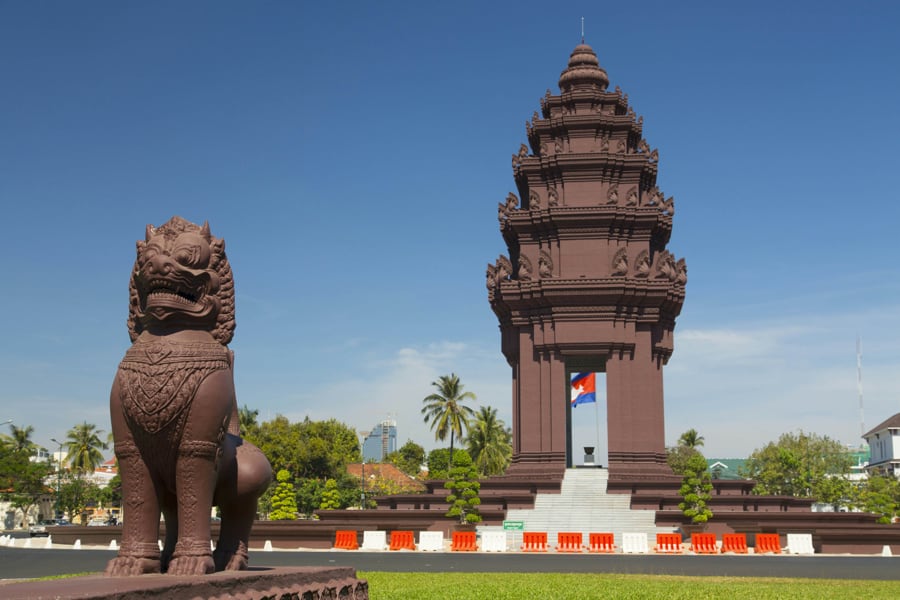
Patuxai monument, also known as "Victory Gate

Many travelers opt to spend a night in Vientiane in order to have time to do everything they want to do without hurrying. Furthermore, Vientiane is an important hub for connecting to other forms of transportation, such as buses, flights, and border crossing transport.

Cau Treo – Nam Phao Border Crossing

While primarily just a border crossing point, the Nam Phao – Cau Treo border crossing is also an interesting place for land transport travelers between Laos and Vietnam, because it is surrounded by mountain ranges, providing scenic views. There are some small stalls nearby selling basic supplies.

When taking the border to Vietnam, travelers will need to go through passport checks and immigration here, as well as endure occasional long waiting times during busy travel seasons due to high volumes of travelers.

Vinh City (Vietnam)

Vinh City is a convenient place to stop and rest after traveling through Laos and before heading to Hanoi, located about halfway (or just over halfway) between the two cities. The friendly and welcoming environment of Vinh City allows for a comfortable stay in hotels, as well as providing access to good food and famous eel soup.

Vinh City (Vietnam)

Vinh has an interesting beachside attraction just a short distance away (Cua Lo Beach) in case you want to spend more time in the area. Vinh’s transportation hub also makes it very easy to find and catch transportation (buses and trains) to Hanoi.

Thanh Hoa Province (Vietnam)

A trip to Thanh Hoa should be part of your travel plan because the province has significant cultural significance, along with picturesque coastal views. Guests frequently visit the Sam Son Beach, numerous local temples, and vendors selling regional specialties. This province provides visitors with insight into authentic Vietnamese lifestyles, totally removed from tourist developments.

Thanh Hoa Province (Vietnam)

Additionally, Thanh Hoa’s freeway network and rest stops create a comfortable route to continue towards your destination. Stop in Thanh Hoa to stretch, unwind, and absorb the local culture before proceeding to your final destination (Hanoi).

FAQs About Traveling From Vang Vieng To Hanoi

When planning on traveling from Vang Vieng to Hanoi, it will take time to complete. The following section provides answers and some common FAQs for planning an enjoyable and hassle-free experience between Vang Vieng and Hanoi.

Do I need a visa for the border crossing?

Most foreign visitors require a visa to enter Vietnam, and anyone wishing to travel from Laos to Vietnam must obtain a visa in advance from a Vietnamese Embassy or apply for an e-Visa online, if eligible. Make sure that your passport has at least six months of validity and that you have any required supporting documents on hand.

What should I take with me?

You will want to have access to drinking water, food, clothing, and a travel pillow to make your trip more comfortable. Cash in both Lao Kip and Vietnamese Dong will be necessary for border fees, snacks, and other small purchases while travelling.

Be sure to also have your passport and visa, any transportation or accommodation confirmations you may need, and other valuables such as a power bank, first aid kit, and any other personal items necessary for your journey.

Can I save time by doing an overnight trip?

While overnight buses do exist, they may not be the best option for a long trip, as a lot of passengers choose to go during the day so that they can see the beautiful scenery. If you think that the overnight option is for you, just make sure that you choose a good company for your bus service and that you bring your own blanket, snacks, and water along with you.

Final Thoughts

The trip from Vang Vieng to Hanoi is an adventure that blends relaxing beauty with a bustling city. It allows visitors to explore two areas of the world with different cultures, yet they complement each other. There are plenty of beautiful views and places to visit on this route that will enhance your travel experience, not just as transport from one country to another. However, for added ease and preparation, you should consider consulting Seni World. They provide trusted travel assistance and customized vacation assistance to all travelers.

Vang Vieng To Luang Prabang Guide For A Scenic Journey

From Vang Vieng to Luang Prabang, the scenic northern route unfolds with breathtaking landscapes, twisting rivers, and limestone mountains. Visitors can enjoy outdoor pursuits in Vang Vieng before uncovering the temples, colonial charm, and rich cultural heritage of Luang Prabang.

Overview Of Vang Vieng To Luang Prabang

The route from Vang Vieng to Luang Prabang has some of the most scenic drives in the whole of Laos. In fact, Vang Vieng, known throughout the world for its scenic beauty, limestone caves, and water activities such as tubing and kayaking, provides tourists with an opportunity to unwind and experience the beauty of nature before setting out on a further leg in the northern part of the country. The town has an undeniably relaxing and scenic environment, making it the ideal destination from which tourists in Laos can explore the northern side.

kayaking in nam song river, vang vieng

Luang Prabang, a UNESCO World Heritage site and the former royal capital, offers a completely different experience. With its golden temples, French colonial architecture, and lively night markets, the city exudes a calm and alluring experience. The contrast between the excitement of the outdoors in Vang Vieng and the rich cultural experiences in Luang Prabang has led travelers to combine the experiences in one single trip.

How Far Is It From Vang Vieng To Luang Prabang?

The driving distance between Vang Vieng and Luang Prabang is approximately 340 km, and the major roads in northern Laos connect the two destinations. The driving time, usually by car and bus, takes an average of 7 hours, subject to the flow of traffic. The driving route takes travelers through the hills, valleys, and villages, and the scenery provides an opportunity to enjoy the beauty of the environment in the Lao territory. Some people usually break their journeys to visit different destinations.

Mount Phousi in luang prabang

How to Travel From Vang Vieng To Luang Prabang?

Traveling between Vang Vieng to Luang Prabang has many options that cater to all budgets and travel preferences. Whether traveling fast, using local transport, or being completely independent when on a trip, there are plenty of choices for people who are looking for transportation between the two cities.

By Bus

By far the cheapest option for traveling between Vang Vieng and Luang Prabang is by bus. Typically, the buses take five to seven hours to get from Vang Vieng to Luang Prabang, depending on road conditions and which bus company you go with, but the majority of the time, the buses will leave every day and return every morning. Most tourists will spend anywhere from $22-$32 for a bus ticket, which is a good amount of money for someone who wants to travel on a budget but still be safe.

vang vieng to luang prabang by bus

You can buy bus tickets in person at the bus station in either city, or you can pre-purchase a bus ticket online, by exchanging your email confirmation for a physical bus ticket when you get to the bus station. It is recommended to show up 30-60 minutes before your scheduled bus departure time in order to ensure that you have your seat secured and are prepared for boarding.

By Flight

Although there are no direct flights from Vang Vieng, many travelers will fly out of Vientiane after a short transfer. There are two airlines operating in Luang Prabang (either Lao Airlines or Lao Skyway), which tend to offer the quickest method of getting there. Costs vary greatly depending on time of year and demand and may be anywhere from $70 USD to more than $400 USD round-trip.

vang vieng to luang prabang by plane

The duration of a flight typically takes about two hours, providing a comfortable and quick alternative to long road travel. This can be a good choice when your time is limited or you would rather avoid winding mountain roads.

Self-Driving (Car Or Motorbike)

For those adventurous individuals who wish to drive themselves from Vang Vieng to Luang Prabang, this will allow for maximum freedom. The actual route from Vang Vieng to Luang Prabang is generally simple to follow and in relatively good condition, with some breathtaking views through the mountain ranges along the route.

vang vieng to luang prabang by car

You can easily navigate with Google Maps, which allows you to make as many stops as you wish. Make sure you travel during daylight hours, that your vehicle is mechanically sound, and be prepared for a little bit of winding roads. This is great for those wanting a flexible, immersive travel experience.

Tips For Traveling From Vang Vieng To Luang Prabang

Travelling from Vang Vieng to Luang Prabang can indeed be an enjoyable experience, provided you are well-prepared. Here are some tips that would help you make your travel safe and enjoyable.

  • The travel should be carried out in the early mornings when there is no afternoon traffic, and the daylight provides an opportunity to enjoy the scenic sights.
  • Pick a reputable bus and car service, particularly when you need comfort on the winding roads through the mountains.
  • Things like water and cash are also important, in case the rest stops and convenience stores are limited.
  • Wear comfortable clothing and layered clothes, considering the temperature differences between the valleys and the highlands.
  • Always have your camera or smartphone with you in order to capture the great landscapes and river scenery.
  • Before traveling, check the conditions of the roads and the weather, especially during the rainy season.
  • Stop and rest in local villages and scenic overlooks, and take the chance to stretch your legs.

Recommended Stops Along the Way

There are several great places to visit before you arrive at Luang Prabang when making your way from Vang Vieng to Luang Prabang. Here are some examples:

Nam Ngum Lake

Situated slightly away from the main highway between Vang Vieng and Luang Prabang, Nam Ngum Lake offers tranquil waters as well as lush, verdant hills for an incredible sense of calmness. This location also has opportunities for taking boat trips and stretching your legs on the shoreline. Nearby villages and floating houses reveal a glimpse of traditional rural life in Laos.

Nam Ngum Lake

If you arrive early, you will see the early morning sun shining on the lake, which is perfect for photographers or for enjoying a picnic in peace. Many travelers find this to be an excellent spot to break the monotony of traveling northward.

Tham Sang Caves (North Of Vang Vieng)

Located not too far north of Vang Vieng, Tham Sang Caves are a series of natural formations that provide both adventure and beauty. With unusual formations such as stalactites, tight spaces, and dimly lit areas providing the impression of another world away from the open fields, these caves can provide a wonderful diversion from the road, especially to those who enjoy light adventure. The caves can be an excellent way to add variety to your trip without having to take any significant detours.

Tham Sang Caves

Pak Ou Caves

When you arrive in or before arriving in Luang Prabang, make sure that you take a brief detour over to the Pak Ou Caves. As well as being an area with spiritual history, the Pak Ou caves also provide visitors with incredible scenery from the river that runs alongside and through a number of different caves. Within these caves, you’ll find hundreds of small Buddha Statues; you can boat up and along the Mekong River to see how beautiful the journey really is. And it is a perfect way to unwind after spending time in the busy old town of Luang Prabang.

Kuang Si Falls

Visiting Kuang Si Falls is one of the must-try activities in Luang Prabang for you. Kuang Si is a magnificent and multi-tiered waterfall that has stunning, crazy blue swimming pools below it as well as all around it, where you can either relax after travelling so many hours by car, or you can enjoy the mist from the waterfall and the beauty of the surrounding jungle area.

Kuang Si Waterfalls is one of Laos’ most stunning natural attractions

Kuang Si is also one of the most requested places for travelers who want to take a break and see some of the most wonderful, untouched areas in Laos that give you an adventure experience as well as a relaxing one.

Luang Prabang Night Market And Old Town

Upon arriving in Luang Prabang, you will find that you are greeted in a cordial and lovely manner by the experience of exploring the traditional old town area and the evening night market. The narrow streets of Luang Prabang are filled with charming colonial-era buildings and homes, along with temples and local shops.

The atmosphere of the night market is perfect for picking up unique souvenirs as well as local arts and crafts, trying various food items from vendors, and experiencing the culture of Luang Prabang. The experience is a dramatic change from the natural beauty of the countryside that you previously enjoyed.

FAQs About Traveling From Vang Vieng To Luang Prabang

The most frequently asked questions when traveling from Vang Vieng to Luang Prabang are dealt with herein. Allow yourself to have a clearer view and, thus, more comfortable traveling without any stress.

What’s the best way of traveling between Vang Vieng and Luang Prabang?

The most popular options include private car, minivan, and public bus. Private cars provide flexibility and comfort, while buses are more affordable and frequently available. Some travelers also use shared vans or tourist shuttle services, which balance cost and convenience. Always book through a reliable provider to ensure safety on the winding roads.

Can I make stops at attractions en route?

Yes, there are a few beautiful spots and local villages worth visiting along the route. Sightseeing stops often include Nam Ngum Lake, local markets, and viewpoints around the river valleys. Plan extra time for a bit of exploration, photo opportunities, or enjoying a meal in one of the many cafes on the side of the road. It makes your journey so pleasant and less exhausting.

Luang Prabang Night Market

Is an overnight journey possible?

Overnight travel is possible but less common because it takes so long, and the roads are windy. Most travelers prefer daytime trips for safety and to be able to see the scenery. If you take an overnight bus, make sure it’s run by a reputable company, and bring things you need, such as water, snacks, and a travel pillow. Daytime travel also allows stops at local attractions.

Final Thoughts

The train ride between Vang Vieng and Luang Prabang provides an excellent mix of the beauty, adventures, and rich culture of the Lao people. This route, together with others in Seni World, provides an excellent means through which you can explore the peaceful sights together with the rich history of Laos. With Seni World, your travel experience in the Republic of the Lao people will be enjoyable and memorable.

Vang Vieng to Vientiane Road Trip: Adventure, Nature & Local Culture

The drive from Vang Vieng to Vientiane is a scenic one, and the route takes in limestone ranges, waterways, and villages. There is plenty to enjoy on this drive, whether it’s the peaceful scenery, the enjoyable stops, or the interesting sights.

Overview of Vang Vieng To Vientiane

All in all, the road from Vang Vieng to Vientiane has got to be one of the most pleasant and hassle-free ways in and through the country, making the transition from a rugged environment to an urban setting seamless. Driving through the mountains, rice fields, and rural areas, the scenic route provides a pleasant contrast to the bustling city and the rugged environment. Depending on whether you are ending your stay in the likes of Vang Vieng, you would then travel via the scenic route.

blue lagoon in vang vieng

One reason why numerous travelers opt to visit both Vang Vieng and Vientiane in the same trip is that the experiences in the two destinations couldn’t be more different and yet complement each other in the best ways. In Vang Vieng, you get the adrenaline rush that comes with kayaking, hot air balloon rides, caves, and blue lagoons nestled among cliff faces. When you arrive in the other city, you get the warm reception that comes with temples, coffee shops, museums, and sunset cruises on the Mekong.

How Far Is It From Vang Vieng To Vientiane?

The approximate distance between Vang Vieng and Vientiane is 109 kilometers. This is one of the shortest and most accessible travel distances in the whole of Laos. The developments that have occurred in the transport network mean that traveling from the two destinations has become easier than ever.

Wat Ong Teu Mahawihan is one of the many temples in the city of Vientiane

The average time taken for the travel is 1 hour and 45 minutes, and up to 2.5 hours, depending on your means of transport. The fastest ways would be through the express vans and buses, and then private cars. The route takes a short and scenic path, ensuring that tourists get the chance to explore the adventures and culture available in both Vang Vieng and Vientiane.

How to Travel From Vang Vieng To Vientiane?

Traveling from Vang Vieng to Vientiane offers a scenic journey through Laos’ lush landscapes. The route that connects the action-packed town of Vang Vieng with the capital, Vientiane, so you can travel by many means of transportation.

By High-Speed Train

The high-speed train, with a journey duration of approximately 50 minutes, is the fastest and most convenient option available from Vang Vieng to Vientiane. The high-speed rail connecting Laos and China hosts this service for significant stations such as Vang Vieng and Vientiane. A traveler can select a cabin type that will best fit their preference and budget, considering that the options range from standard seats to VIP cabins, which are more comfortable and less crowded.

Tickets are available at the station, though it is best to book in advance because the seats quickly sell out. Remember to bring a passport when you buy the tickets; note that there are both high-speed and regular trains operating on this route, which gives travelers flexibility in planning their travel.

Cabin Type Estimated Price (LAK) Travel Time Best For
Standard Seat (2nd Class) About 60,000 – 90,000 LAK About 50 min Budget vacationers and solo backpackers.
Soft Seat (1st Class) About 100,000 – 140,000 LAK About 50 min Travelers who want extra convenience at a good price.
Business Class Seat About 170,000 – 220,000 LAK About 50 min Tourists who want more space and quieter cabins.
VIP or Premier Seat About 240,000 – 320,000 LAK About 50 min Vacationers who want a luxury vibe, minimal crowds, and a pleasant experience.

By Bus

Buses provide an attractive and cost-effective alternative, where passengers can enjoy the scenic sights and experience the local culture. The train network provides a much faster service compared to the high-speed train, and an array of trains operate on a daily basis.

When organizing your bus travel, purchasing tickets through travel agencies or hotels could be an excellent option, and tickets can also be purchased at the bus stations. While acquiring the tickets through a middle man, you should always negotiate the cost before making the final purchase. Moreover, when purchasing the tickets, it would be better not to go for round-trip tickets, as purchasing two single tickets would prove to be less expensive.

Vang Vieng To Vientiane by bus

Vehicle Type Estimated Price (LAK) Travel Time Notes
Standard Minivan Total from 150,000 to 200,000 LAK (per person) About 4-5 hours This is the most frequent option and the best choice for budget travelers. Minivans run numerous times a day from the bus stations in Luang Prabang.
VIP Minivan Total from 220,000 to 300,000 LAK (per person) About 4-5 hours The seats are slightly larger, the air conditioners are better and up-to-date, and there are fewer people. The minivans are smoother and easier to use than the other type.
Tourist Bus Total from 180,000 to 250,000 LAK (per person) About 5-6 hours This form of transportation takes longer than minivans, and the ride feels smoother. This type of transport is bigger than minivans and has a roomier space.
Limousine Minivan Total from 300,000 – 400,000 LAK (per person) About 4-5 hours Better comfort choice with modern seats, increased leg room, and smoother driving. Always includes pick up and drop off from accommodations.

Tips For Traveling From Vang Vieng To Vientiane

Here are a few simple tips that can help you travel from Vang Vieng to Vientiane with ease and comfort. Whether you go by bus, van, or private car, these suggestions are going to make it easier and more comfortable for you.

  • Book your ticket a day in advance, particularly on weekends and peak seasons.
  • The best thing about train travel in Japan, rather than in other countries, is the ability to see
  • Insect repellents and an all-weather sportswear change would be useful.
  • Keep some cash aside in small denominations in case you need it for snacking, toilet stops, and other local charges on the way.
  • In the event that you are riding in a shared minivan, make sure you arrive early in order to secure a better spot.
  • Private cars provide the greatest comfort, perfect even for traveling with family and plenty of luggage.
  • Check the weather conditions, especially during the rainy season, because torrential rain could delay travel time.

Recommended Stops Along the Way

When you’re traveling from Vang Vieng to Vientiane, the roads themselves become an experience, and there are plenty of interesting stops on the way. Take your time in visiting all these destinations and make your experience even more enjoyable.

Nam Ngum Lake

Nam Ngum Lake. The lake is a peaceful spot on the way to Vientiane. The lake is sheltered by hills and villages. The lake has become famous for fishing, boating, and relaxing on the lake shore, and it provides an excellent opportunity for tourists to experience the countryside in the Laotian provinces. There are a number of small cafeterias on the lakeshore. Moreover, there are floating villages and gardens on the lake. It’s the perfect spot where you can take several photos and then have a picnic.

Nam Ngum Lake

Thalat Market

A brief visit at the Thalat Market provides an opportunity to experience the rich Lao culture. The markets are vibrant, and the stalls are filled with fresh fruits and healthy snacking foods. The location provides the best setting where visitors can taste the local foods and even purchase some gifts. A walk through the markets provides an insight into the lifestyle beyond the tourist centers.

Buddha Park (Xieng Khuan)

The Buddha Park is a somewhat unusual grouping of over 200 Buddhist and Hindu statues in the area near Vientiane. The site features walking among gargantuan and occasionally bizarre statues ranging from reclining Buddhas to mythological creatures. This artwork and religion mashup has a fantasy twist and appears unlike other parks in Southeast Asia. Scaling the top structure provides great vistas of the park and the surrounding farmland. The Buddha Park is a relaxing and enjoyable respite before the excitement of the city.

The Pumpkin Tower (Three-World Stupa)

Vientiane Riverside And Mekong Walk

First, when nearing the city of Vientiane, make a stop on the banks and take in the scenery. The Mekong River bank walkways offer a relaxing experience, filled with small coffee shops, vendors, and benches to sit and unwind. This location provides an excellent viewpoint where you can witness the city dwellers, fishermen, and family members relaxing in the evening. Watching the sunset here has an incredibly magical effect.

Patuxai Monument

The Patuxay Monument, nicknamed the “Arc de Triomphe of Laos,” is another famous landmark in the city. Just go up and take in the sights from the top. There are great city and street views available. The architectural style reflected in the Patuxay Monument combines French colonial and Lao structures, so it’s pretty interesting. There are also walkways, statues, and resting areas in the park. This site has got to be seen in order to fully grasp the history and beauty of Vientiane.

Patuxai Monument as the Victory Gate Monument

FAQs About Traveling From Vang Vieng To Vientiane

Here are some FAQs that should help you in planning your travel from Vang Vieng to Vientiane.

What is the best means of traveling from Vang Vieng to Vientiane?

Buses and minivan services are the most preferred among travelers. Private cars can provide greater convenience and flexibility, particularly when traveling in a large group. Your choice of transport depends on your budget, luggage, and desired travel time.

Can I book a private car service?

Absolutely. With a private car and taxi, you have the freedom to leave when you want and make any number of stops you like. The cost is higher compared to using public transport.

Is it safe to travel by road in Laos?

Yes, the major road from Vang Vieng to Vientiane is relatively safe. The roads are paved and in good condition, except in some spots in the mountains where the roads twist and turn. Always exercise care and avoid traveling when the sun has set.

travel by tuktuk in laos

Are there any scenic stops on the route?

Yes, the route passes through scenic limestone karsts, waterways, and villages. Some people make a brief stop, perhaps at a local market. This could be an excellent opportunity to stretch your legs.

Should I bring cash with me on the trip?

Yes, you should bring some Lao Kips and/or US dollars. This would help in terms of purchasing some snack foods, making toilet stops, and possibly some tolls on the way. Credit cards cannot be used on bus and taxi services.

Final Thoughts

The bus ride from Vang Vieng to Vientiane could be the most enjoyable experience you could have in your Lao adventure because in just a short ride, you get the chance to experience the contrasting aspects of the country, from the scenic and peaceful landscapes and mountains to the rich culture in the capital city. Whether you’re traveling for adventure, relaxation, and sightseeing, you can make your experience in Vang Vieng and Vientiane seamless and hassle-free with the help of Seni World.

The Only Vang Vieng Itinerary You’ll Ever Need In Your Life

Your itinerary to experience the best of Vang Vieng will greatly affect your trip. This full itinerary will give you an insider’s look at some of the must-see attractions, the most fun things to do, as well as some of the most beautiful hidden gems that Vang Vieng has to offer, to create a lifetime memory of your visit.

Why Choose The Vang Vieng Itinerary?

Located in central Laos is Vang Vieng, a popular place to visit because of all of the beautiful natural sights around it. The giant limestone karst mountains, the flowing rivers, and the lush green rice paddies create an inviting and tranquil atmosphere for people looking to escape the hectic pace of urban life. The scenery of the city is one thing; however, its true appeal lies in the laid-back and friendly vibe that surrounds it, making Vang Vieng an excellent destination for relaxation and reconnecting with nature.

Admire The Sunset In Vang Vieng

Adventure seekers will find plenty of things to do while in Vang Vieng. Activities like tubing and kayaking on the Nam Song River, exploring the countless caves in the area, as well as hot air ballooning over the karst mountains will appeal to many travelers. This proposed itinerary provides an experience of everything that a traveler can do in a fun and relaxing atmosphere while in Vang Vieng, which is a top priority when visiting Laos.

What To Expect From The Vang Vieng Itinerary

Knowing what to expect makes travel planning easier, and Vang Vieng is no different. The activities, pace, and highlights you’ll encounter while traveling through this breathtaking town are all clearly outlined in this itinerary.

Nam Song River

Kayaking along the Nam Song River is one of the most exciting ways to discover the natural beauty of Vang Vieng. While kayaking downstream, you get the opportunity to enjoy the views of limestone rocks, greenery, and the picturesque landscape of the Nam Song River.

Nam Song river in vang vieng, laos

Vang Vieng Town

Vang Vieng Town is a place where visitors on vacation can take a leisurely walk to understand the local culture. Walking through the streets of the town on foot or by bicycle means having the opportunity to enjoy warm encounters with the local people. Visitors also get the opportunity to enjoy local meals.

Nam Xay Viewpoint

Nam Xay Viewpoint is one of the most attractive hiking trails in Vang Vieng. At the summit of the trail, visitors can enjoy the picturesque scenery of limestone mountains. Such hiking trails are ideal for visitors who are nature lovers. Visitors from all over the world come to Vang Vieng for adventure tourism.

Sae Lao Project

Sae Lao Project is a community-oriented restaurant that is near the hiking trailheads. It is famous for its local food and the rural scenery surrounding it. However, the best part of this restaurant is its contribution to the local community in the form of free English lessons for kids and adults.

Blue Lagoon And Phu Kham Cave

Blue Lagoon and Phu Kham Cave are some of the top sites in Vang Vieng. Visitors get the opportunity to swim in the blue water before going inside the cave to explore its rock formations. It is the perfect combination of both relaxation and adventure.

things to do in Vang Vieng

Hot Air Balloon Ride

One of the most memorable experiences in Vang Vieng is the hot air balloon ride. Nothing beats the feeling of rising above Vang Vieng in the early morning sun while taking in the breathtaking views from the rivers to the karsts to the rice fields.

Detailed Itinerary

Knowing what to expect makes travel planning easier, and Vang Vieng is no different. The activities, pace, and highlights you’ll encounter while traveling through this breathtaking town are all clearly outlined in this trip.

Day 1

Typically, if you take a minivan or a bus in the morning, your journey from Vientiane will take about 3 hours, so that you will arrive in Vang Vieng in time for lunch. After lunch, it’s important to fuel your body up for your afternoon excursions. Seni World recommends finding a hotel or guesthouse that is along the river. It is very convenient for any water activity you may want to participate in while you are in Vang Vieng. So look for a lunch spot at either your hotel, guesthouse, or nearby restaurant to re-energize and avoid wasting time travelling.

Once you have refuelled, it’s time to get out and explore. Start your exploration with a kayaking experience down the Nam Song River. Kayaking can be a lot of fun, but it can also be physically strenuous, so you might want to go with someone strong enough to help you navigate your kayak. As you kayak, you will pass many different stunning views of limestone cliffs and lush green vegetation as they change with every bend along the river.

kayaking in nam song river

If you don’t feel like you want to kayak, you can always just lie back and relax in an inflatable tube as the gentle river current carries you downstream and enjoy the scenery.

After your kayaking adventure on the river, take the afternoon to stroll around the town of Vang Vieng. You can either walk or bicycle through the quiet streets while observing how the local friendly people live their everyday lives, and discover a nice restaurant that looks tempting. To get a complete experience of the local flavours, try a traditional Lao meal.

After your meal, you can either stop by a local bar to check out the local nightlife or go back to your hotel room to rest and be ready for the next day’s adventures. The tranquility of the sunset in Vang Vieng makes it an ideal way to end your first day there.

Day 2

Start your second day early by fueling up for your mountain adventure with a hearty breakfast. There are many unique limestone mountains in Vang Vieng, and hiking is one of the best ways to see some of the area’s most beautiful scenery. There are numerous well-known viewpoints in Vang Vieng, such as Nam Xay, Pha Ngern Viewpoints, and Silver Cliff Viewpoint. Either join a guided hiking group or hike at your own pace if you’re an experienced hiker. The views from the summits of these peaks should be the things to do in Vang Vieng.

Pha Ngern Viewpoints in Vang Vieng

After spending the day on a hike, stop for lunch at Sae Lao Project, a restaurant located just a short distance from the hiking area. This restaurant serves a variety of great food, including papaya salad and spring rolls, and has amazing views of the surrounding countryside. The thing that makes this restaurant so special is that all of the money generated through their restaurant supports free English classes for kids and adults in the local village. When dining here, you can relax knowing that your visit helps the community!

At the end of your day, return to town and look for a bar or restaurant by the river. You can enjoy a sunset while you drink a cool beverage, relax, and enjoy the wonderful serenity of the Nam Song River during the Evening Light. This will give you time to reflect on the day’s activities in Vang Vieng and get ready for tomorrow’s activities in the City.

Day 3

A hot air balloon ride is one of the best ways to see all that Vang Vieng has to offer. If you go up into the sky in a balloon early in the morning, you can experience a bit of weightlessness and see the breathtaking scenery below. Your view of the city, such as the rivers, mountains, and leaves, will begin to go back together in a mosaic, which is unlike anything you will see in the rest of Laos.

Ride A Hot-Air Balloon At Sunset Vang vieng

After this exhilarating experience, treat yourself to a delicious lunch at one of the local restaurants and enjoy the tastes of your last day in Vang Vieng. After your good lunch, you can head back to Vientiane or keep on your trip to Luang Prabang or your customized route through Laos and take in every aspect of each stop along the way. Enjoy your final meal in Vang Vieng as a way to reflect on the three unforgettable days in Vang Vieng.

FAQs About Vang Vieng Itinerary

You will enjoy planning your trip to Vang Vieng; however, once you start planning, you may discover you have many questions about what the best way to explore this breathtaking beauty is. Below you will find some answers to your commonly asked questions regarding your travels to Vang Vieng.

When is the best time to visit Vang Vieng?

The best time to visit Vang Vieng is from November to April, the dry season. This is when you get much nicer weather and experience much nicer outdoor activities, like kayaking, hiking, and taking a hot air balloon ride. Also, during this timeframe, all of the skies are clear enough for you to take great photos and enjoy the wonderful scenery.

tham xang cave in Vang Vieng

How many days are enough to explore Vang Vieng?

2-3 days is a good amount of time to visit all the major attractions in Vang Vieng! You will have the chance to do some river rafting, hike to the best lookout points, go caving, and even take a hot air balloon ride over the countryside! One day is not enough time to visit all the major attractions; if you stay longer, it will give you time to relax and enjoy the scenery.

Do I need a tour guide for hiking or exploring caves?

A local tour guide is advised if you’re unfamiliar with hiking areas & caves, especially if it’s your first time. A local guide will know about all the hidden trails, have local knowledge to share, & keep you safe while hiking or exploring caves. For very experienced hikers, you can hike or explore caves without the help of a guide, but having one can add an entirely different experience & help you find less-traveled routes.

How should I get around Vang Vieng?

You can travel in the Vang Vieng area by using one of the following methods: walking, cycling, or renting a scooter. Walking is best if you are just exploring your immediate surroundings, while cycling is great for visiting attractions beyond Vang Vieng, such as viewpoints and caves. Renting a scooter gives you both flexibility and speed when travelling around the area, but always exercise caution when riding a scooter and remember to wear a helmet!

Where do I find local food in Vang Vieng?

Vang Vieng has many local restaurants and street food outlets across the town. Some of the most highly recommended dishes to try are Lao papaya salad, spring rolls, and sticky rice with grilled meat. Community-based restaurants and outlets like Sae Lao Project also help support local education in English; such a visit would definitely be worth trying. Sampling local cuisine is an excellent way to be close to the culture, plus it’s delicious.

Final Thoughts: Is Vang Vieng Worth Visiting?

You should add Vang Vieng, Laos, to your travel itinerary for this area because Vang Vieng has beautiful tropical scenery with many limestone peaks, rivers, hills, and valleys, creating an environment that is ideal for relaxation or adventure. It is a friendly place that combines natural tropical beauty with adventure. Contact Seni World to begin planning your trip now and to ensure you have a fantastic time in Vang Vieng!

Top 15 Authentic Foods In Vang Vieng Worth Traveling For

Vang Vieng is celebrated for both its breathtaking limestone geography and its expansive, active food culture. The food in Vang Vieng ranges from traditional festival foods to one-of-a-kind local fare, providing travelers with a unique taste of Laos.

Laap – The Good Fortune Dish Of Laos

Laap is often cited as Laos’ national dish and carries a heightened status in cultural practices. It is often enjoyed during festivals, celebrations, and family gatherings, since it represents good fortune, wealth, and happiness. Laap is made of minced chicken, beef, or pork, and is most frequently seasoned with herbs, lime, roasted rice powder, and chili.

Laap is often cited as Laos' national dish

Laap is served with fresh vegetables and sticky rice combined for a fresh, balanced meal. The profile of flavors is fresh, citrussy, and slightly spicy, erasing any memory of unpleasant flavors, and is a delightful welcome into Lao food culture. Whether you are consuming Laap as a guest in a local home or in a restaurant, every bite is a distribution of Laos’ flavors and culture.

Sai Oua – Lao Herbal Sausage

Sai Oua is a delicious sausage from Laos that is especially common in the northern parts of the country and with travelers visiting Vang Vieng. Prepared from ground pork, the filling also contains lemongrass, kaffir lime leaves, shallots, herbs, and chili. Sai Oua is typically grilled on a charcoal grill, which imparts a smoky flavor and crispy skin. Each bite is fragrant, savory, and full of herbs, which gives it a distinctly Lao flavor.

Sai Oua - Lao Herbal Sausage

Sai Oua is tasty on its own, or it can also be eaten with sticky rice, vegetables, or dipping sauce. It is definitely one of the easiest and most enjoyable street foods you can try while you are traveling.

Mok Pa – Steamed Fish In Banana Leaves

Mok Pa, a classic steamed fish recipe of Laos, is made using ingredients typically available at home. The main ingredient is fresh fish, usually tilapia or carp, while mok pa’s spice pastes are composed of garlic, chilies, galangal, fresh herbs and a preferred Lao “mak khén” spice.

Mok Pa - Steamed Fish In Banana Leaves

Banana leaves wrap around the fish, and then it’s placed onto a grill of charcoal to steam. The wrap keeps all of the moisture from cooking so that it cooks the fish directly in the spices, giving it a rich, earthy flavour. The finished mok pa will be moist, flavourful with the right balance of spices, herbs and aromas, and served with plain boiled sticky rice and fresh vegetables. Mok Pa demonstrates genuine Lao food in a very humble but true way.

Laap Naam Tok – Grilled Lao Minced Meat Salad

Laap Naam Tok is a type of Laap that uses grilled or smoked meat as an ingredient. The most common types of meat used in Laap Naam Tok are beef and pork, which are minced with fresh herbs, lime juice, toasted rice powder, chili pepper, and kaffir lime leaves. The grilled flavour adds an extra dimension to Laap Naam Tok than regular Laap, plus the smokiness transferred from grilling is an added bonus. Also, like regular Laap, Laap Naam Tok comes with sticky rice and crunchy vegetables to balance its richness.

Laap Naam Tok - Grilled Lao Minced Meat Salad

Laap Naam Tok is perfect for those who enjoy barbecuing and want to experience some of the bolder Lao flavours. Overall this rustic meal captures the community-oriented style of eating of large portions where everyone shares.

Naem Khao Tod – Salad Of Crispy Rice

Naem khao tod is an unusual and celebrated food in Laos, meaning “salad from crispy rice.” This salad is made from deep-fried rice balls that are broken apart and then mixed with herbs, peanuts, shredded coconut, dried chili, and fermented pork sausage, contributing to a nice combination of crunchy rice and chewy sausage.

Naem Khao Tod

The flavor is tangy, savory, and slightly spicy while providing something utterly different from the more typical salads of Southeast Asia. This dish is a popular offering in any restaurant and on the streets throughout the country. You may find it throughout the region, but trying it in Laos will provide the fullest and greatest experience.

Khao Soi – Lao Noodle Soup

The Lao version of Khao Soi is lower in liquid than the Thai version and is made with thick rice noodles, flavored with a mildly creamy broth. The broth often contains chicken or beef and is stewed with vegetables such as potatoes, carrots, or onions. The coconut milk adds a smooth, rich texture and a little sweetness to the broth. Each bowl of Khao Soi is served with fresh herbs and lime to brighten the flavor.

Khao Soi - Lao Noodle Soup

Khao Soi is a common meal in the homes and restaurants of Laos and is simply comforting, satisfying, and full of flavor; a hearty bowl of Khao Soi is ideal after a full day of adventures, exploring the beautiful Vang Vieng valley.

Sien Savanh – Dry Beef In Lao Language

Sien Savanh, a specialty from Savannakhet, is now found throughout the whole country of Laos as many people enjoy it. Sien Savanh is made by taking thinly sliced marinated beef that has been dried under the sun, giving it a rich flavor, then grilling it or cooking by other means using dry heat.

The result is a chewy, savory delicacy that finishes sweet and smoky. Traditionally eaten with sticky rice, it can also be served with spicy chili dipping sauce. Since it is preserved well, many tourist buy it for gifts for others or as souvenirs, and it is a good way to experience Lao Food. Sien Savanh is an extraordinary snack for sharing between friends when enjoying drinks or meals together.

Khao Niew – Sticky Rice

Sticky rice (khao nieow) is much more than just food; it has a social role within the Laotian community. Sticky rice accompanies nearly all types of Lao meals (e.g., grilled meats, salads, stews, and dipping sauces). The method for cooking sticky rice involves steaming it in bamboo containers until it reaches an ideal consistency, soft and slightly chewy.

Khao Niew - Sticky Rice

Community meals consist of families and friends gathering together at a table to share a variety of dishes while forming a cohesive community atmosphere by pinching, forming, or rolling sticky rice with their fingers. Khao nieow plays an important social role in traditional Lao Festivals and celebrations. It may be a simple food item, but it represents something profound in the culture.

Or Lam – Spicy Lao Stew

Or Lam originates from the former royal capital of Luang Prabang and is essentially another type of stew. The Or Lam meat can be either chicken or pork that’s mixed with sturdy veggies like sweet potatoes, squash, mushrooms, and eggplants. The most interesting part about this stew’s identity would be ‘mak khen,’ or the Lao pepper.

This is an aromatic chicken or pork broth made especially for a cold and cozy night out with family and friends. This particular dish embodies the Lao cooking tradition of using earthy ingredients in bold seasonings. Or Lam is a Lao comfort food.

Ping Kai – Lao Grilled Chicken

Ping Kai in Laos is one of the most popular grilled food recipes and a common food item in markets or family gatherings. The chicken is first marinated in garlic, herbs, soy sauce, and coconut milk. The chicken is finally grilled over charcoal and cooked slowly so that the chicken meat turns tender and has a golden brown and crispy exterior. The aroma of burning charcoal mixed with sweet and savory flavors makes Ping Kai not only memorable but also leaves the taste buds craving more. Ping Kai is best enjoyed in open or communal table seating.

Ping Kai - Lao Grilled Chicken

Khao Piak Sen – Lao Rice Noodle Soup

Khao Piak Sen is the warm noodle soup may be likened to ‘pho’ in the Lao tradition and is enjoyed in the following way: there are thick and chewy ‘noodles’ made from ‘rice flour’ in ‘a rich broth skimmed from pork or chicken bones,’ and ‘some aromatics like dried ginger, lemongrass, or boiled shallots are added.’

The herbs, the lime wedges, or even the fried shallot pieces are added when the food is being served. Many Lao locals take this food either for breakfast or lunch. By being hot food, khao piak sen functions as comfort food in Lao cuisine.

Khao Jee – Lao Grilled Sticky Rice Cake

Khao Jee is another street food in Thailand that has received international attention after being voted one of the best street foods in the world by CNN. Khao Jee is made in the following way: You take this sticky rice and shape it around a stick; you put egg yolk and seasonings on the food and grill it until golden brown. Inside, the food is warm; the outside part is crispy.

Khao Jee - Lao Grilled Sticky Rice Cake

Flavours are simple yet very refreshing and satisfying, especially when consumed hot from the grill. Khao Jee appears in many Lao households and restaurants and is not expensive, it’s available anytime and anywhere. This food shares many qualities with Lao street food.

Kaipen – Crispy River Weed

Kaipen is indeed a very special and delicious snack made from river weed harvested from the Mekong River areas. It’s seasoned with lots of spices and dried in the sun before being deep-fried until crispy and crunchy like crackers. The best way to eat this delicacy would be with either chili or sweet and sour sauce. The taste would be quite salty yet surprisingly sweet. It’s quite common to munch this while drinking beers too! This is indeed one of the most unforgettable dishes of all for foodies like me!

Insect Dishes Of Laos

Surprisingly, insects are quite popular in Lao cuisine. Crickets that are fried, or silkworms that are roasted, bamboo worms, or grasshoppers that are grilled are quite common insect dishes in Lao cuisine. These insects are rich in nutritional values and serve as good sources of protein too. Without the slightest doubt, they are quite flavorful and delicious too. Salt-rice or sticky-rice recipes are common in Lao dishes.

Insect Dishes Of Laos

For the traveler, this may be quite unconventional, but the chance to indulge in entomophagy or crickets would be quite the adventure and the best possible exposure to the Lao food culture. Entomophagy also embodies diversity and the creative nature of Lao cuisine.

Tam Mak Hoong – The Iconic Lao Papaya Salad

Tam Mak Hoong, or Spicy Papaya salad in Laos, is one of the most beloved Lao dishes in the country and should not be missed in Vang Vieng. This salad consists of thinly sliced green papaya and is mixed with garlic, chilies, Laos’s iconic fermented fish sauce, the pungent prahoc or prahok in other Lao dishes, and fresh lime juice. The Lao Spicy Green Papaya salad doesn’t taste like the Thai salad’s sweeter cousin in Thailand in terms of taste because of the prahoc. The Lao version’s umami taste bursts in one’s mouth. The taste involves spicy, sour, salty, and umami.

Tam Mak Hoong (Lao Green Papaya Salad)

This would taste well served either with glutinous or grilled meat and can be enjoyed in Lao cuisine’s distinctive style in combination with other dishes in either light or more substantial celebrations. It symbolizes the lively and distinct character of Lao’s everyday dishes. This should not be missed in Vang Vieng.

Final Thoughts

The food you can investigate in this region of Laos incorporates more than the enjoyment of food; it’s the discovery of the nature of Lao food. Whether salads that are spicy and fresh in taste, or meat barbequed just right, or soups that are aromatic or earthy and sticky from the regions’ signature staple food in Laos, each provides significant storytelling in terms of legacy and family or regional pride in particular. For those seeking the most genuine adventure in both Vang Vieng and food, Seni World can be your perfect guide.

Where to Stay in Vang Vieng: Best Hotels And Resorts To Choose

Choosing where to stay in Vang Vieng depends on how you plan to explore the river valley and the viewpoints around town. Staying by the water or near the middle changes what’s easy during your visit.

Top 10 Places To Stay in Vang Vieng

Here’s a handpicked list of where to stay in Vang Vieng, picked by where they’re at, how cozy they are, so you can easily hit the top spots around Vang Vieng with lagoons, caves, or riverside lookouts.

Amari Vang Vieng

Amari’s right by the water, so getting to Vang Vieng’s top spots, riverside coffee shops, or narrow pedestrian lanes is super easy. Because the hotel sits higher up, plenty of rooms have unblocked sights of the Nam Song River along with the rocky hills beyond. Inside, spaces don’t feel cramped; the broad front desk zone flows into a relaxed hangout spot upstairs. Facilities stand out – this place has a rare riverside pool with clear views of the mountains.

Amari Vang Vieng

Most rooms match up when it comes to space and setup, while some come with balconies looking out on the water. Eating onsite helps; there’s also a workout room, plus staff who get things done without hassle. In just 3 to 7 minutes on foot, grab bikes or scooters, hit a corner store, or hop on tours like those heading to Blue Lagoon. Prices at Amari begin around $65 to $75 but go higher on weekends or holidays, so locking in early makes sense if you’re after a room that faces the river.

Inthira Vang Vieng

Being here fits those who’d rather sleep near real action than just hear about downtown. It is by the water, not far from where folks hop into kayaks and tubes. It is also perfect for watching dusk fall, plus eateries that fire up meals early for hikers heading out at dawn. Rooms stay light and fresh, some looking out on rocky peaks where fog hangs at sunrise. You’ll usually pay about $90 per night to start, though weekend stays by the river run pricier.

Inthira Vang Vieng

By the water, there’s a pool that stands out – great for pairs or solo explorers needing downtime after trips. Parents like the roomy entrance area plus broad layout, giving it a relaxed vibe compared to tighter waterside spots. Staff get things done fast; booking rides to places such as Nam Xay or Pha Ngeun is Easy, help’s right there at travel counters.

Confetti Garden Hotel

Confetti Garden sits quietly in the Viengkeo area, just off the riverside path. Getting around is hassle-free – head west on foot for five minutes, and you’ll hit the bus stop plus the early market. This place breathes easier than most budget-friendly lodgings nearby. Hallways stretch out wide, shared zones get plenty of breeze, and rooms spread out, so nothing ever feels boxed in like those packed downtown buildings.

Confetti Garden Hotel

Rooms inside feel roomy, plus they’re always tidy, most look out toward the rocky cliffs instead of noisy roads. Folks tend to like how well the AC works and how quiet it stays at night; it might seem minor, yet it matters when music from bars or scooters runs late downtown. Booking trips early is hassle-free thanks to info centers close by, head out to Pha Ngeun or Nam Xay without a sweat. Most days, stays run about $55 to $70 per room, though prices dip midweek once crowds leave.

ViengTara Vang Vieng Resort

ViengTara stands out in Vang Vieng thanks to its walkway through rice fields, this wooden trail guides you to private bungalows backed by tall limestone peaks. Guests love starting the day staring at wide-open farms, fog curling off the hills, plus clear sightlines to distant ridges. Even though it feels remote, the river crossing is just a quick stroll away, so things like floating downstream, paddling canoes, or watching dusk settle don’t take much effort.

ViengTara Vang Vieng Resort

The bungalows sit far apart, offering space to yourself, while inside they’re basic yet tidy. It was built around big windows pulling in sunlight and views straight across the open land. Rates usually sit from $105 to $150 based on cabin choice, with pricier options located directly beside the footpath. Workers here handle rides to morning destinations, also hooking guests up with kayak trips or balloon launches close by.

Simon Riverside Hotel

Simon Riverside is tucked beside a calm stretch of the Nam Song River, close enough to reach riverside bars or kayak launch spots on foot. People tend to book here when they like being near the water but want to skip the busy crowds lining the central waterfront. Step out front and you’ll find tour guides for daily trips. Folks often pick this spot because it’s close to the river yet quiet when night falls.

Simon Riverside Hotel

Some rooms look out on water, others face the rocky hills at the back, simple setups, though everything’s kept clean. You’ll see families hanging by the pool area, thanks to plenty of open space for kids to move around. Need a tube float or a zip-line trip? Staff sort that out fast, right at check-in. Prices jump up and down based on how packed things get; slow times might cost about thirty-five bucks, but peak weeks push prices north. If you’re scouting places in Vang Vieng with calm energy plus solid access to nature, this one fits.

Consiana Vang Vieng Hotel

Consiana sits quietly within the town layout, near a strip packed with rental huts for scooters, quick-eat spots, along with booking desks. Light floods into the spaces thanks to large panes that look out on peaks instead of neighboring lodgings. Morning meals come early, handy if you’re chasing first light or exploring underground sites later. Those traveling in pairs or small groups usually appreciate the steady vibe – no surprises, just solid practicality.

Consiana Vang Vieng Hotel

Since the hotel’s just minutes from the path to Blue Lagoon 1 and Nam Xay Viewpoint, folks planning long outdoor trips usually think it’s convenient. Grab a bowl of khai piak or a fresh fruit drink outside before leaving; for supper, the night market’s an easy walk off. Room prices hover near $30 most days but dip midweek if fewer people are around.

Vangvieng Angsavanh Resort

Staying at Angsavanh places you just outside Vang Vieng, where paved paths slowly turn into dusty lanes leading to nearby hamlets. Travelers often set off for Pha Ngeun Viewpoint from here – routes kick off nearby, skipping the busy downtown chaos. No bars thump late into the night; instead, quiet settles fast, which is precisely what draws folks looking for restful stays amid nature’s pace.

Vangvieng Angsavanh Resort

The resort stretches through a big garden, offering lots of outdoor seats and shady corners. Instead of facing the town, rooms look toward the ridges, catching breezy airflows that drift down later in the day. Right in the middle, there’s a smaller swimming pool; people sticking around longer often dip in to relax after trekking lagoons or climbing through caves. Prices go up on weekends, though most week slots begin near $40, giving budget-conscious visitors a calm yet affordable pick.

Phubarn VimarnVangvieng Resort

Phubarn Vimarn acts less like your average Vang Vieng stay, more like a little escape on its own. This spot runs alongside a calm curve of the Nam Song River, near open fields where hot-air balloons rise at dawn. You’re only a short stroll from riverside eateries. Besides that, most lagoon trips start right past the hotel gate – making it solid for those planning outdoor-focused days.

Phubarn VimarnVangvieng Resort

Inside the resort, you’ll find villa-like rooms spread far apart, each one has big windows looking out at the river or rocky bluffs. People on romantic getaways or marking milestones usually pick this spot thanks to its seclusion, whereas bigger crews go for expanded suites. Regular rooms generally cost around $110 to $120, though top-tier villas jump in price on weekends or during festivals.

Family Land Camping Resort

A cozy spot with tents and cabins off the main roads, surrounded by farmland and wide-open spaces. Getting to the lagoon trails is fast from here, so folks driving toward Blue Lagoon 3 tend to start out this way. The place sits on open grassy areas, where tents, huts, and relaxed hangout spots are scattered like a tiny outdoor community.

Folks come here for room to breathe, fresh air, plus time to slow down after hikes to scenic cliffs or cave tours. A few stays are snug wood cabins; meanwhile, some go for classic safari-style tents with better mattresses. Prices for cabins tend to run from $68 to $100 based on layout, while the ones that look great online book up fast on Saturdays. Works just fine for friend crews or solo explorers who’d rather camp near trees instead of being stuck inside a regular city hotel.

Oudomsin Vang Vieng Hotel

Since it’s near the trailhead to Nam Xay and Pha Ngeun, folks aiming for sunrise treks pick this spot to skip extra rides. You’ll mostly see buddy duos, quick visitors, or folks wanting no-fuss locations instead of riverside scenes. That kind of ease matters to visitors planning full-on outdoor days while picking spots in Vang Vieng.

Oudomsin Vang Vieng Hotel

Inside, spaces feel clean and open – built for function, not lounging around. Cleaning stays on track every day while reception handles sudden trip plans easily, thanks to tour spots nearby along the strip. Rates shift quite a bit from weekdays to weekends; basic rooms hover near $41-70, though bigger ones jump when group crowds roll in.

Tips For Choosing Where To Stay In Vang Vieng

Various spots in Vang Vieng come with their own perks; doing a quick check or two helps line up your visit with the vibe you’re after.

  • Finding the right spot in Vang Vieng means looking at what each area gives you. A quick look around helps line up your visit with how you’d like to spend time there.
  • The river area’s great for people who wake up early, scenic spots, kayak ramps, or morning coffee joints are just a short walk away.
  • Lodging right in town cuts down hassle during daily outings – scooter pickups and boat shuttles usually run from main roads.
  • A spot close to the south end of town cuts down early-morning drive time to Nam Xay or Pha Ngeun, handy if you’re visiting Vang Vieng at peak times, when those places fill up fast.
  • Being close to the night market means you can grab food even when it’s late, which works well if you’re getting back from a long day out.
  • Places near the Blue Lagoon entrance cut down travel time when you’re going back more than once, particularly if you’re hitting several lagoons in a single trip.
  • A break by the old wooden bridge works better when you’re doing several river trips – most tube launch spots plus evening lookouts are clustered there.
  • Folks who rent scooters care about places with parking nearby – public spots might vanish by night, especially when weekends get crowded.
  • Staying close to the road leading to Ban Na Thong makes lagoon trips easier – most shared vans run along it, so finding a ride’s hassle-free.

Final Thoughts

Vang Vieng has all sorts of places to sleep, so where to stay in Vang Vieng you pick boils down to your vibe in the valley. Once you know that vibe, picking a spot gets way simpler. If you’re chasing trails across Laos or Vietnam, Seni World helps sort rides and tickets, so hopping between spots isn’t messy.