logo mobile sidebar
support-image-mobile
Share your ideas with our local expert team - we’re here to listen and help you shape a meaningful journey through Indochina.
(+84) 868 663 993
Asia Leading Tour Operator 2025
tripadvisor travelers choice awards 2024
Travelers' Choice Awards 2025

Author: Content Seniworld

Top 14 Food In Battambang You Can’t Leave Without Trying

The cuisine of Battambang follows the daily cycle of life, incorporating many aspects of the local landscape. From its roots in the land and water, to the way families have traditionally prepared food using traditional Khmer methods, Battambang has something unique to offer all types of tourists.

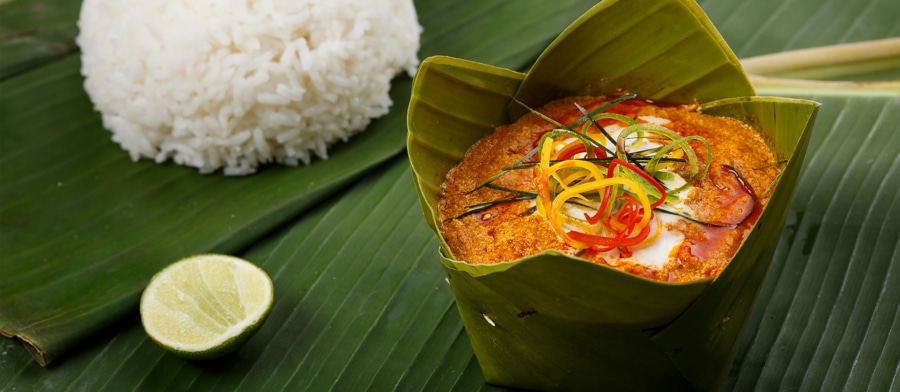
Amok Trey (Steamed Fish Curry)

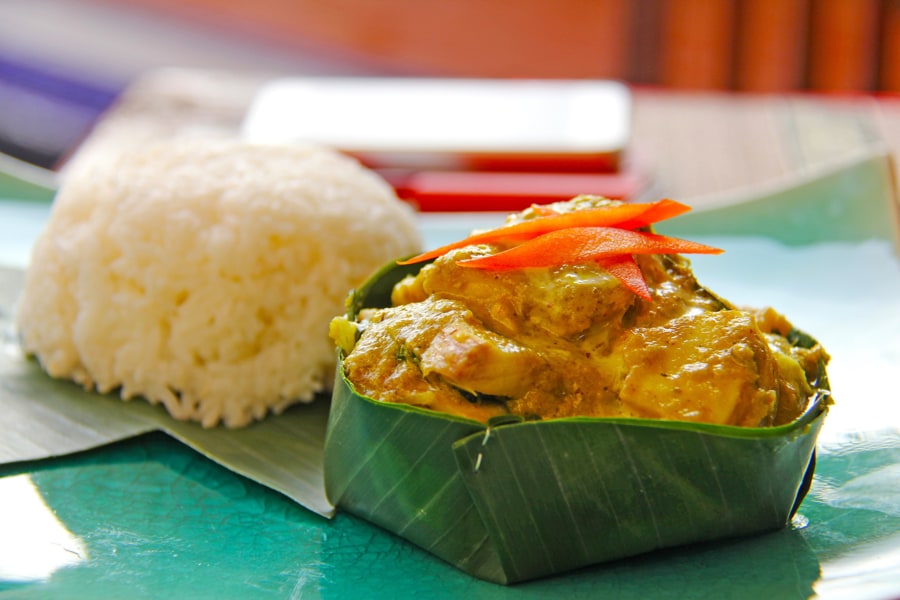
Amok Trey is commonly known as the heart of Cambodian cuisine. When you eat this dish in Battambang, you have the advantage of eating it with fresh river fish and aromatic herbs native to the area. Amok Trey is made by combining coconut milk with a finely ground mixture of lemongrass, turmeric, galangal, kaffir lime leaves, and garlic. The result is a curry-like dish that has both depth of flavor and lightness.
Amok Trey (Steamed Fish Curry)
The way Amok Trey is cooked makes the dish unique in that the mixture is not boiled or fried. Rather, it is steamed on a bed of banana leaves, thus giving it a soft, custardy texture that feels very smooth and comforting. Amok Trey is a milder type of sweet flavor with a nutty aroma and creamy texture that is easily adaptable to Western palates. When served with jasmine rice, Amok Trey is more than just a meal; it is a sophisticated introduction to Khmer cooking.

Lap Khmer (Khmer Beef Salad)

While many Southeast Asian meals can be heavier and fattening, Lap Khmer is an excellent opportunity to experience something lighter. Lap Khmer is an example of how much Cambodian cuisine relies on fresh fruit and vegetables and the many different uses of various herbs, vegetables, and spices in creating delicious, nutritious dishes. In this case, Lap Khmer uses lime juice to create a marinade that not only delivers wonderful flavour but also tenderises the beef whilst still maintaining the richness of the beef.
Lap Khmer (Khmer Beef Salad)
Along with beef, the recipe calls for a combination of onions, herbs, and a nice, tangy fish-sauce-based dressing. The result is a dish that combines sour, salty, and subtly spicy flavours. With each bite, the experience is enhanced by the aroma and flavour of the fresh mint and basil. For Western tourists who may be accustomed to a similar dish of steak tartare or ceviche, Lap Khmer has a very аналогичный but adventurous quality, making it an ideal sharing dish or starter.

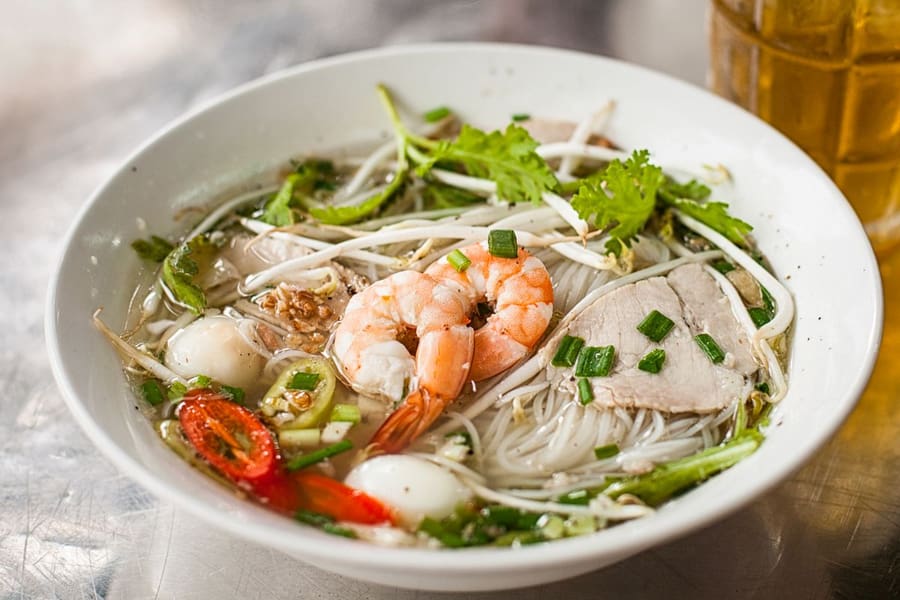
Kuy Teav (Cambodian Noodle Soup)

Kuy Teav is more than a type of noodle soup. It’s a ritual that’s part of the daily life of people in Battambang, and has become an integral part of their morning routine. It has a light and nourishing broth made by simmering pork bones over low heat, which gives it a clear colour with a sweet taste that is easily digestible. The soft rice noodles are served with slices of pork, shrimp, and crispy fried garlic, and are topped with fresh herbs, spring onions, and a squeeze of lime juice.
Kuy Teav (Cambodian Noodle Soup)
Once your bowl is ready to eat, you are welcome to add your own toppings. You will find limes, chili peppers, soy sauce, etc., available to add to make your bowl unique to your personal preference. Kuy Teav reminds Western visitors of the many different comfort soups they are accustomed to eating while still having its unique Cambodian flavor and feel.

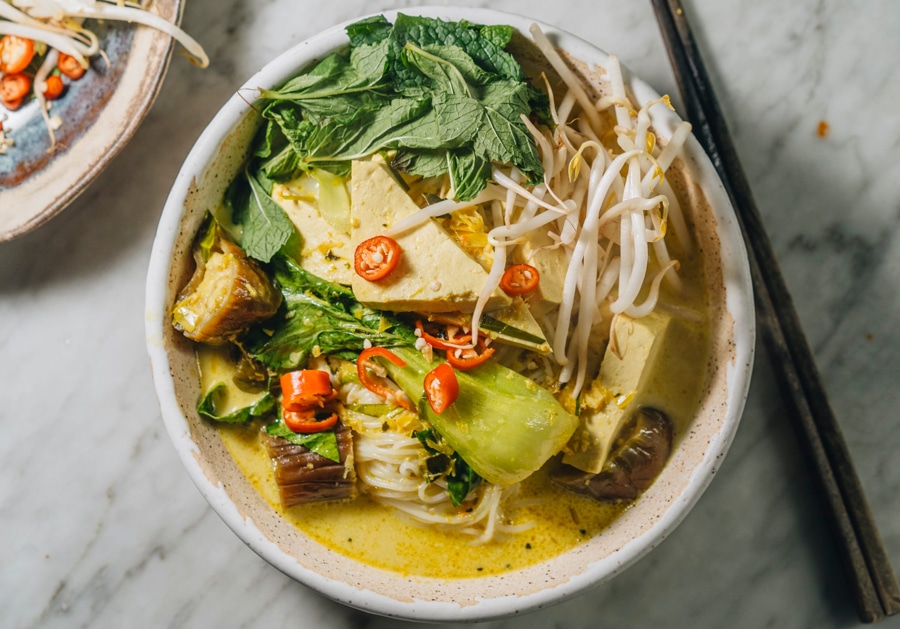
Nom Banh Chok (Khmer Fish Curry Noodles)

The traditional Cambodian breakfast dish called Nom Banh Chok depicts the traditional cadence of daily Cambodian life. A light fish curry with turmeric and lemongrass is poured over freshly made rice noodles, giving a savory, sweet, aromatic flavor instead of a spicy flavor.
Nom Banh Chok (Khmer Fish Curry Noodles)
Nom Banh Chok is special due to the wide variety of herbs and vegetables served with it, such as cucumber, banana flower, and local herbs, which provide texture and freshness. When you buy Nom Banh Chok from a vendor on the street, it is an experience that will provide you with the most authentic experience of Battambang since locals have been eating this dish for years.

Fresh Tropical Fruits

One of the areas of Cambodia with the most abundant fruit is Battambang. The area has a very low density of people compared to the rest of Cambodia, so much of the produce sold is produced in Battambang and is a lot fresher than what you would find in a tourist area.
The local market and the side of the road will have mangoes, bananas, rambutans, durian and fresh coconut with the added benefit that they were picked only hours before you purchase them. The fruits are so sweet and flavourful that you will want to enjoy the fruits fresh from the market after they have been chilled by the hot sun in Cambodia.
Although sampling local produce may seem an easy experience, it is also an enjoyable one for Western travellers who are accustomed to having their produce shipped halfway around the world before they get to try it. In addition to being a refreshing way to cool off, many Westerners will also gain a greater connection with Battambang’s agricultural history through their experiences tasting the locally grown fruits.

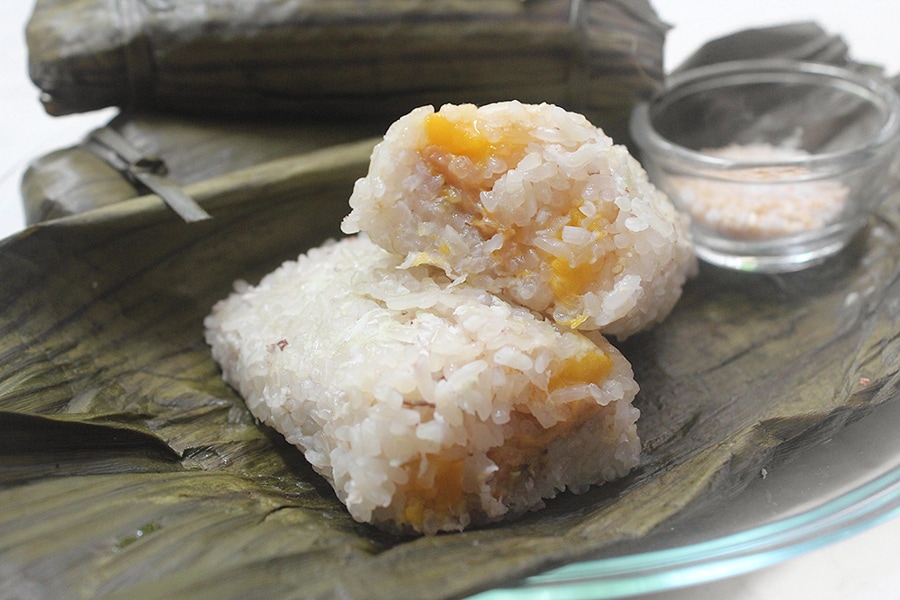
Kralan (Cambodian Bamboo Sticky Rice)

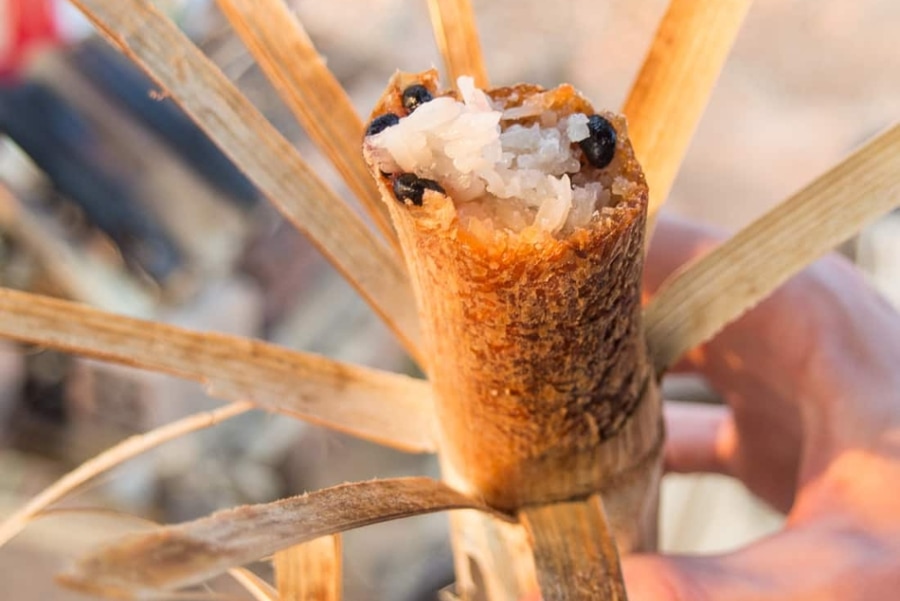
The traditional snack of Kralan is a testament to Cambodia’s rural heritage and local cultural traditions as a shared way to eat together. The preparation of this snack involves combining sticky rice and black beans with coconut cream and palm sugar, then placing this mixture in tightly packed bamboo tubes and cooking over a charcoal fire. The bamboo is heated while food is cooking in order to create a pleasant smokiness, which enhances the sweet flavour of the sticky rice.
Kralan (Cambodian Bamboo Sticky Rice)
The Kralan snack is considered to be a warm, hearty and very comforting snack that is great to enjoy while travelling in rural areas or visiting local markets. The taste of Kralan is important, however, so are the methods used in preparing the Kralan, which have been passed down through many generations.

Chha Kdam (Crab Stir-Fried with Kampot Pepper)

Chha Kdam encompasses both boldness and aroma. One of Cambodia’s most well-known ingredients is used in this dish, Kampot Green Pepper. This dish is prepared using crab meat stir-fried with garlic and herbs to create a very fragrant dish. Whole clusters of Kampot Green Peppercorns will provide a lovely heat that delivers outstanding spiciness with a distinctive flavor profile.
Chha Kdam (Crab Stir-Fried with Kampot Pepper)
Western diners who enjoy seafood with flavour and depth regularly rave about Chha Kdam. This dish tends to be eaten at dinnertime and is traditionally served with steamed rice. This dish has so much character that it exemplifies Cambodia’s coastal and culinary heritage as well.

Bai Sach Chrouk (Grilled Pork with Rice)

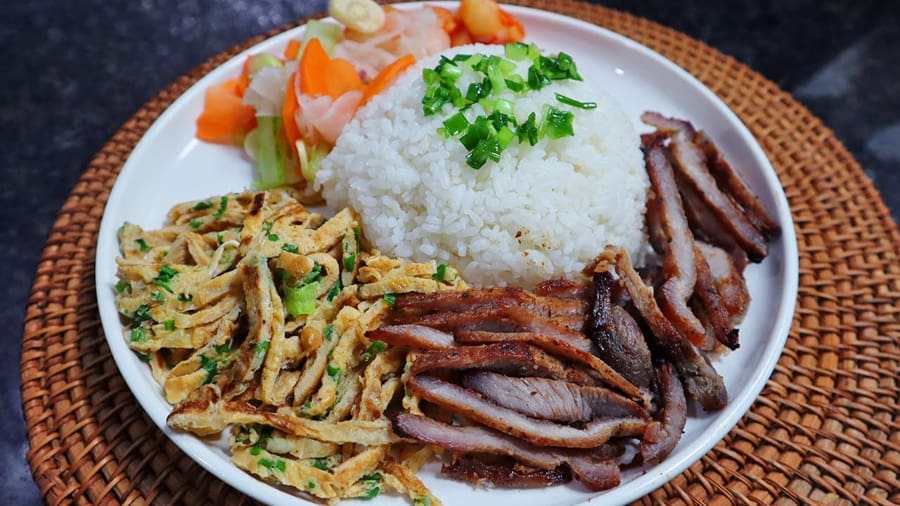
Bai Sach Chrouk is a traditional, well-loved Cambodian breakfast dish that epitomizes the idea that simple ingredients can create a dish that is extremely satisfying. Thin slices of pork ‒ marinated with garlic and palm sugar ‒ are grilled slowly over some charcoal until they are lightly caramelized and tender. The pork is served atop a bowl of steamed rice and garnished with pickled vegetables as well as a light broth.
The flavor profile of this dish is mild, sweet, and comforting. Therefore, this is an excellent choice for Western tourists who may be looking for a taste of home yet wish to sample local cuisine. Eating Bai Sach Chrouk in the morning is like looking at a slice of Cambodian daily living.

Lort Cha (Stir-Fried Short Noodles)

Lort Cha is a traditional Cambodian dish that has become well known for its delicious taste and rich texture. Short rice noodles are cooked quickly on high heat with eggs and a mix of either beef or pork and vegetables. Because they are done over high heat, the noodles tend to have a crisp outer edge while remaining soft on the inside. Lort Cha is lightly seasoned and served with chili sauce on the side, which allows guests to add their own desired level of spice.
Lort Cha (Stir-Fried Short Noodles)
For visitors from Western countries, Lort Cha will remind them of many other types of Asian noodle dishes, but Lort Cha has a unique Cambodian flavour that makes it a great option for a quick meal in Battambang.

Samlor Machu Kroeung (Traditional Khmer Sour Soup)

Samlor Machu Kroeung is considered to be one of Cambodia’s most comforting dishes and is eaten daily by many local families as part of their shared meal. This soup has a mildly aromatic and lightly flavored broth created from the blending of the kroeung paste with tamarind or other natural souring agents, such as fruits. Additionally, fresh vegetables are used to enhance the flavor of the broth, such as morning glory, pineapple, or tomato.
The taste of Samlor Machu Kroeung is mildly herbed and sour rather than spicy; thus, Samlor Machu Kroeung is an excellent introduction to Khmer cuisine for most Westerners, as it can help to balance the heavier grilled dishes that many people have when they travel to Cambodia. For visitors, Samlor Machu Kroeung gives them an idea of how native Cambodians typically cook, with all the essential flavors of the dish present but without being excessively overwhelming.

Num Pang (Cambodian Baguette Sandwich)

Num Pang is an iconic street sandwich from Cambodia that illustrates the combination of French culinary traditions with local Cambodian ingredients. The name refers to the crispy, flaky baguette that is filled with grilled pork, chicken, or beef and could also include pâté, pickled carrots and daikon, sliced cucumber, chopped fresh herbs, and light chili sauce. The play of all of the different textures creates the ultimate experience for the taste buds: crunchy baguette, juicy meat, and fresh, crunchy vegetables!
Num Pang (Cambodian Baguette Sandwich)
Num Pang is both familiar and exotic to Western visitors. It embodies the best of both worlds, combining the essence of a gourmet sandwich with the spice of Southeast Asia. Num Pang is perfect for breakfast or for lunch while you explore the markets and colonial streets of Battambang. It is a delicious way to eat on the go, and it is a must for anyone who visits Cambodia!

Prahok Ktiss (Fermented Fish and Coconut Dip)

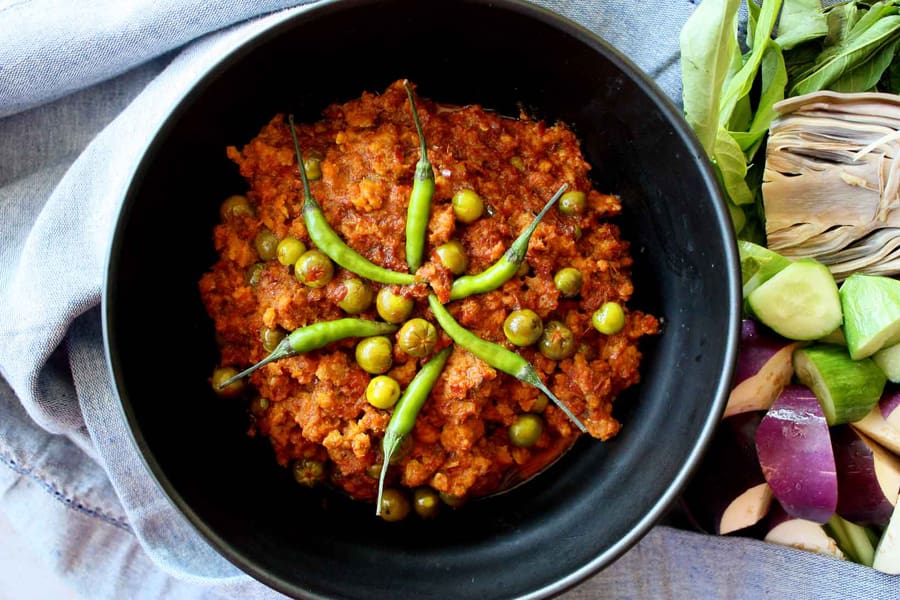
Prahok Ktiss is a dish steeped in tradition and has roots in Cambodia’s long-running history of using fermentation and preservation techniques. The main ingredient used in this dish is prahok, which is a fermented fish paste that undergoes a long, slow cooking process with coconut milk, minced pork, and an array of spices to achieve a more palatable flavor profile. The result is a creamy, rich, and savory dip with an intense aroma and flavor that is less overpowering than other types of dips.
If you are a traveler from the West, this dish may appear overwhelming, but when you take your time to enjoy it, you’ll find that it’s a truly rewarding experience. Rather than serving as a source of comfort, this dish serves as a way to connect with Cambodia’s rich culinary traditions through authentic Khmer cooking.

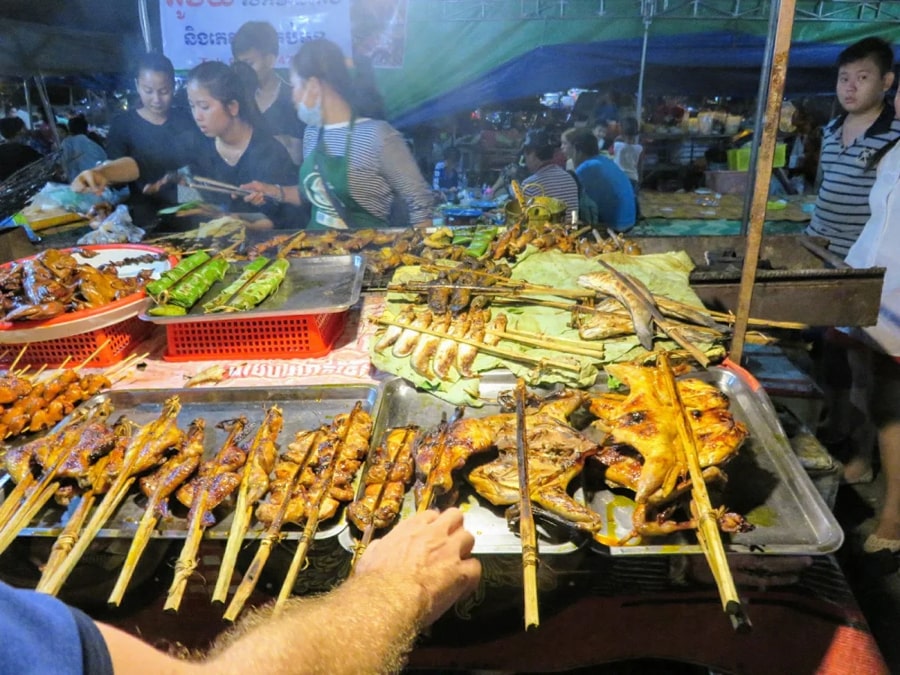
Sach Ko Ang (Grilled Beef Skewers)

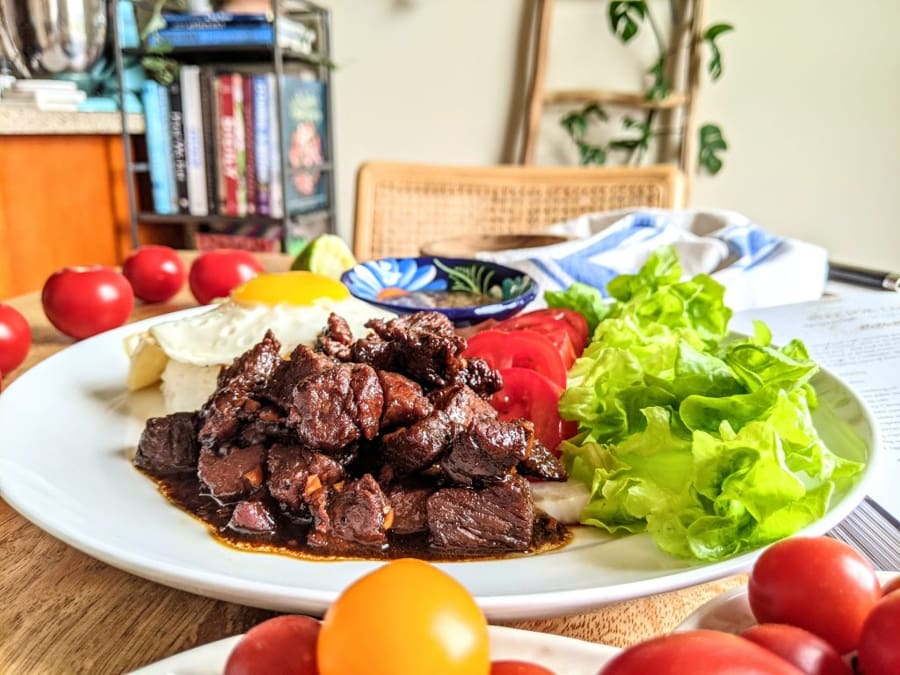
Sach Ko Ang, thinly sliced beef marinated in garlic, sugar, and spices, and grilled on a charcoal grill until tender with a slightly caramelized flavor, is one of Battambang’s most well-known street foods throughout all of Cambodia. The aroma of the grilling meats fills the air before people reach the skewers, which adds to their attraction. The dish might also include a lime and black pepper dipping sauce that complements the beef’s natural taste.
Sach Ko Ang (Grilled Beef Skewers)
Western tourists generally enjoy this dish because it reminds them of cooked barbecues or skewered grilled meats, making it easy to consume, economical, and convenient for snacking on while exploring Battambang.

Mee Kola (Battambang Signature Noodles)

Local to Battambang, Mee Kola is a one-of-a-kind noodle dish made up of thinly sliced rice noodles, combined with various herbs, veggies, peanuts, and either beef (or seafood), and served dry, unlike the traditional noodle soup that most think of.
Because Mee Kola is served dry or at room temperature, it gives off a light and airy vibe, while combined with a nutty flavor and a hint of sweetness and herbal flavor, it does not feel heavy or stifling when eaten. For the Western world, this dish is lighter than expected, while still being full of flavor, ideal for hot summer days. Creating an excellent way for visitors to experience Battambang culture through local food is by trying Mee Kola while you are there.

Final Thoughts: Is The Food In Battambang Worth Trying?

The culinary scene in Battambang is definitely worth experiencing and is perfect for travelers seeking authentic flavors of genuine Cambodian culture that go beyond tourist destinations. From aromatic fish amok to hearty noodle soups to refreshing tropical fruits and enjoyable street foods, each dish eaten is in tune with locals and traditions. Allow Seni World to introduce you to superior food experiences in Battambang, and go around Cambodia on amazing trips.

Where To Stay In Battambang For Pleasant And Relaxed Moments

There are many different hotels and resorts for you to select from when searching for where to stay in Battambang. Let’s learn more about the best areas to stay in Battambang, favored and trusted by both local people and vacationers.

Top Hotels In Battambang

Seni World has collected some highly suggested resorts and hotels for travelers when they arrange and search for where to stay in Battambang. It consists of the lodgings’ location, star standard, highlighted design, and overall style, as well as all the benefits, services, amenities, and the common price range.

Battambang Town Center

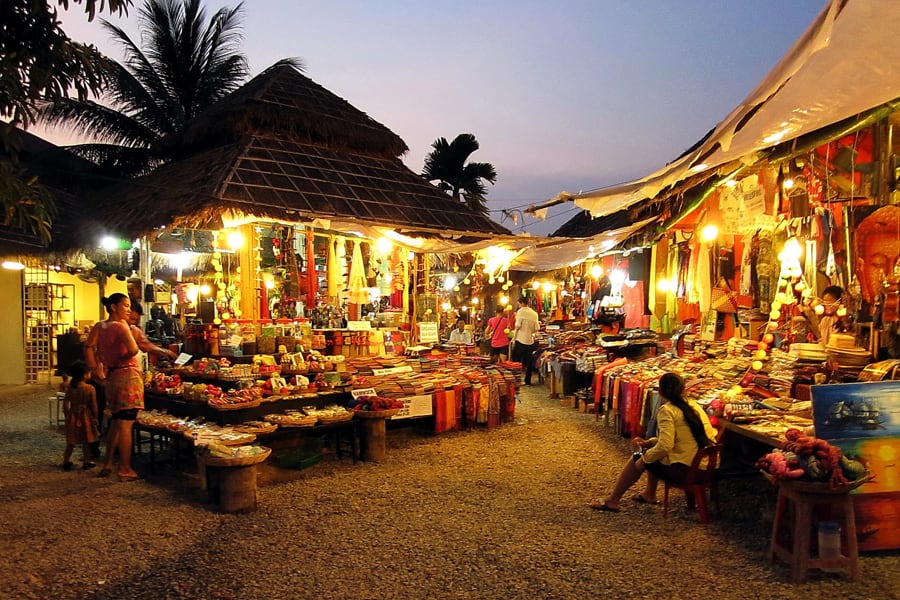
The Battambang town center area is the heart of this city, which is brilliant for travelers, especially international travelers, to enjoy Battambang nightlife, such as strolling on peaceful streets, visiting night markets, trying delicious traditional street foods, and shopping. This is lively both day and night, with many destinations to discover, so it is also the best area to stay in Battambang.

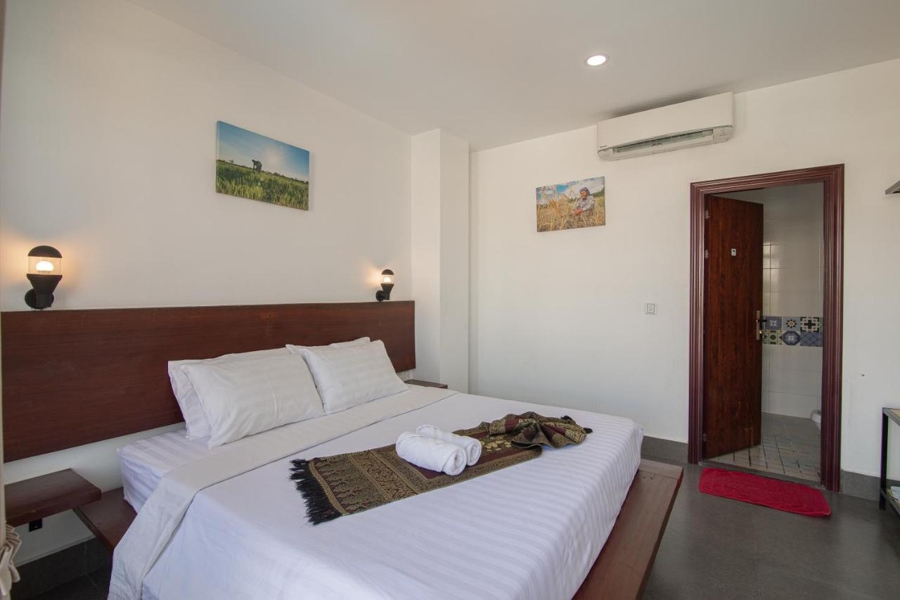
Asia Hotel (3 ★)

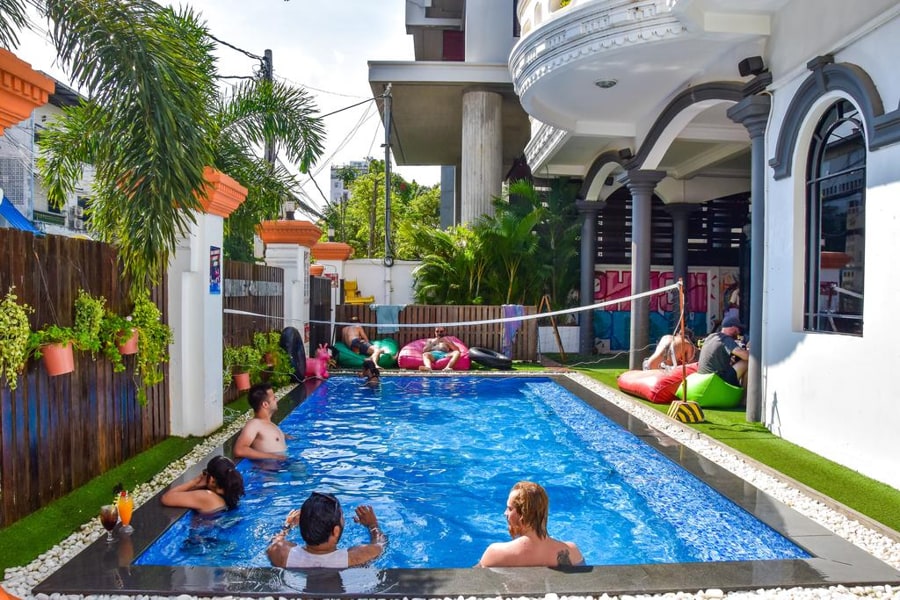
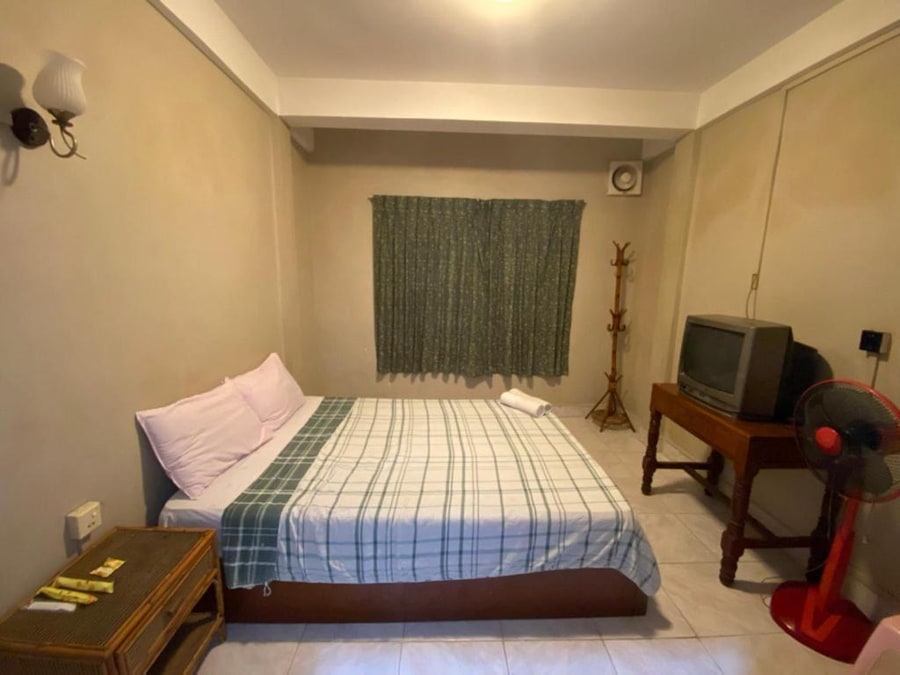
Asia Hotel is a budget-friendly lodging with many simple rooms that are decorated with practical design and fixtures. The interior layout of the hotel focuses on comfort for travelers rather than luxury, featuring air-conditioning and private bathrooms. All of the rooms are organized throughout a compact footprint that keeps everything both close and comfortable. So Asia Hotel is one of the great choices for travelers who want to save money when selecting where to stay in Battambang.
Asia Hotel in Battambang
There are many different benefits and services at Asia Hotel, such as free Wi-Fi, staff support for the city’s exploration, tuk-tuk transfers, and daily room keeping. With the central location, from the Asia Hotel, you can easily reach famous Battambang’s food stalls, shops, and enjoy many delivery options. It is very exceptional for economic vacationers in this adventure. The price of the Asia Hotel in Battambang is from $15.7 to $17.2 per night.

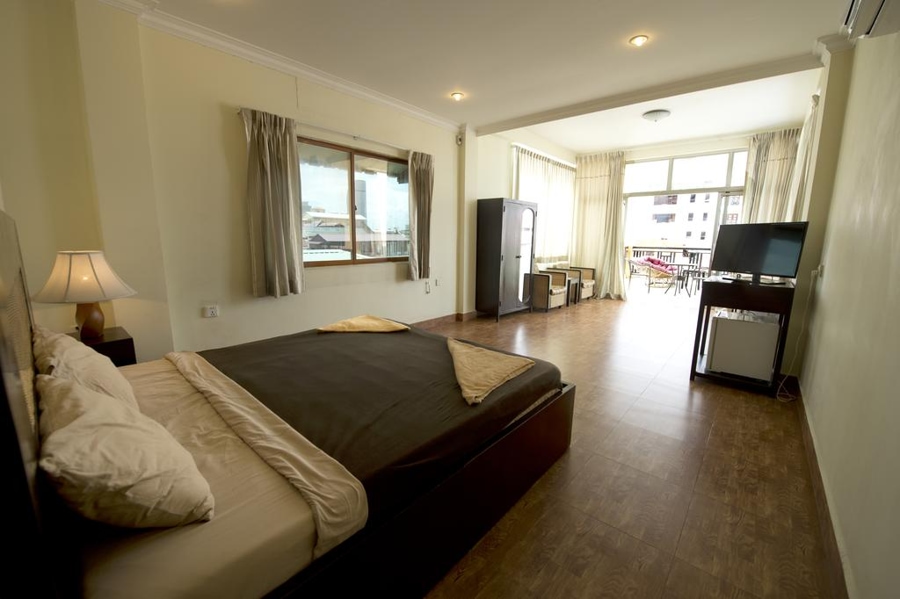
Bambu Battambang Hotel (3 ★)

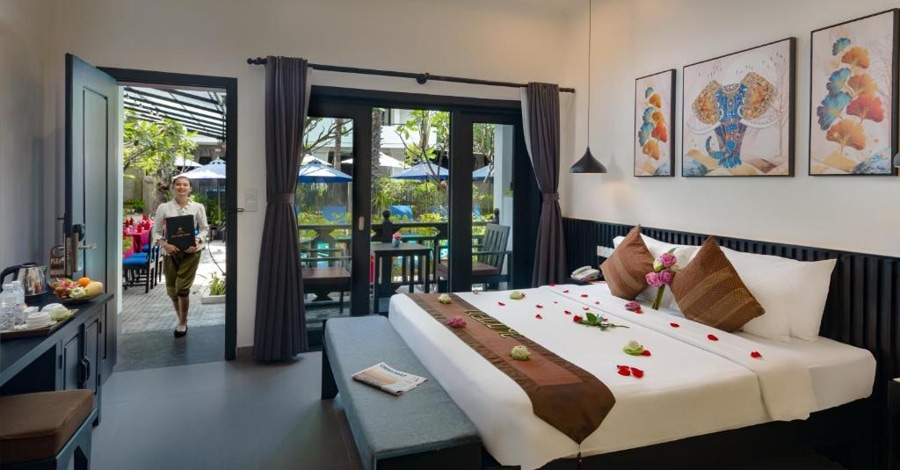
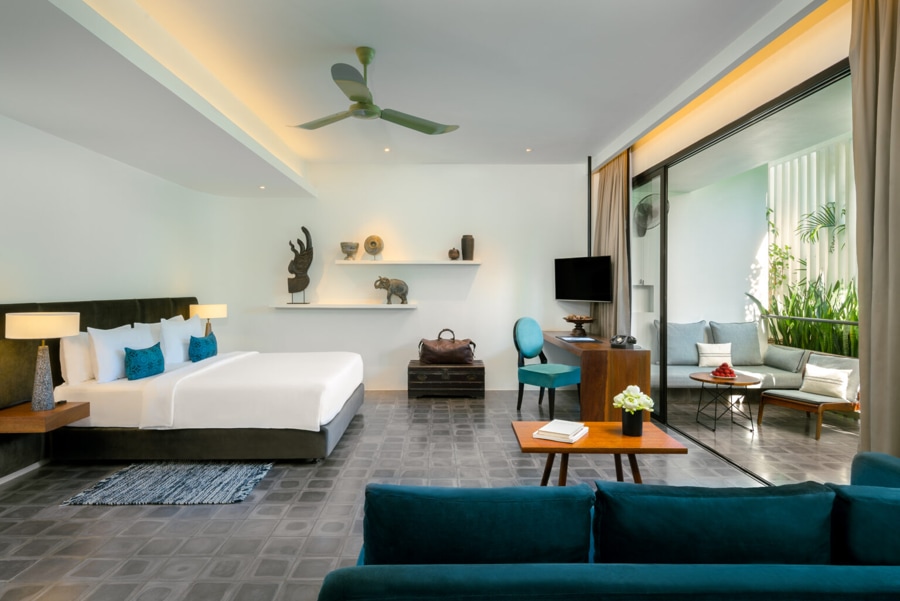
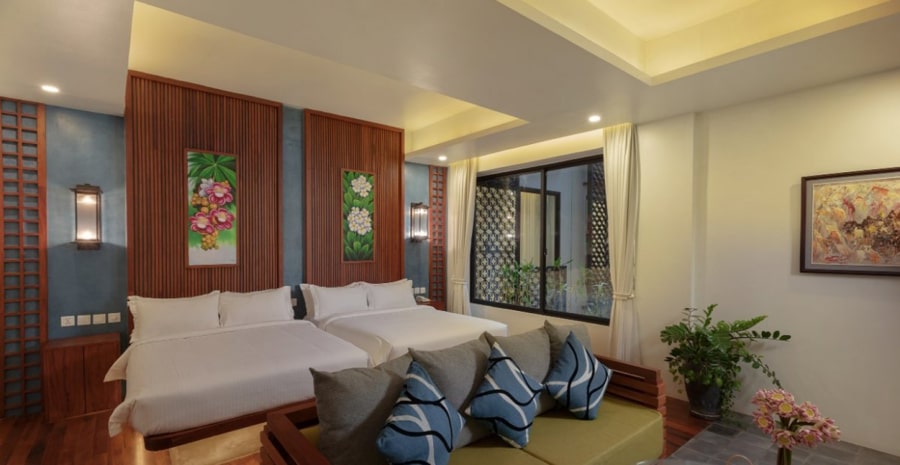
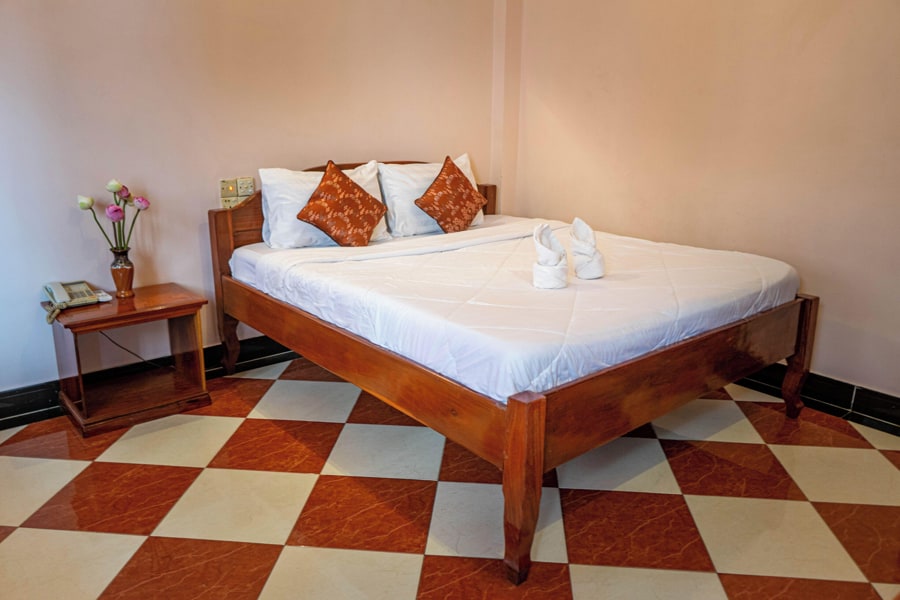
Battambang Town Center combines modern comfort with a subtle Khmer layout style. Rooms are completely decorated with air-conditioning, soft lights, and elegant wooden furniture, creating a calm and welcoming vibe for rest after a full day of sightseeing. The architecture of the hotel focuses on openness with big windows and a cozy atmosphere that makes the interiors seem brilliant and airy.
Bambu Battambang Hotel
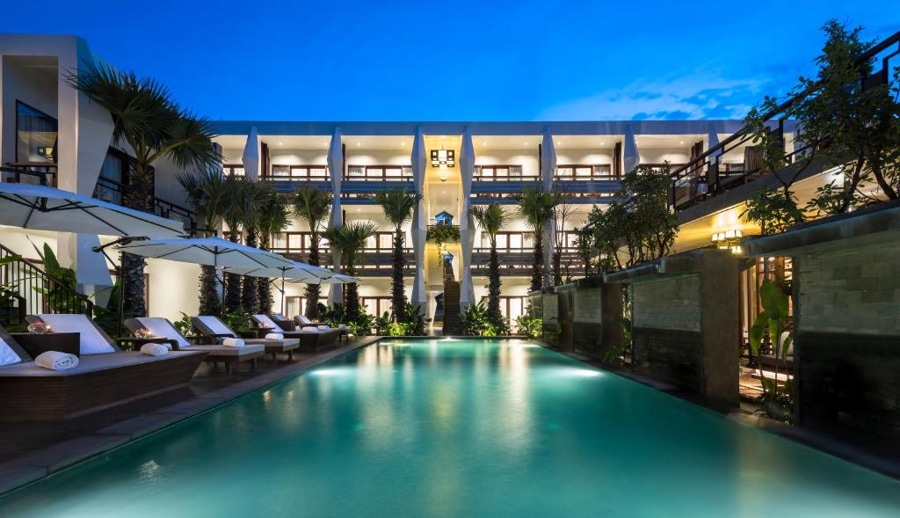
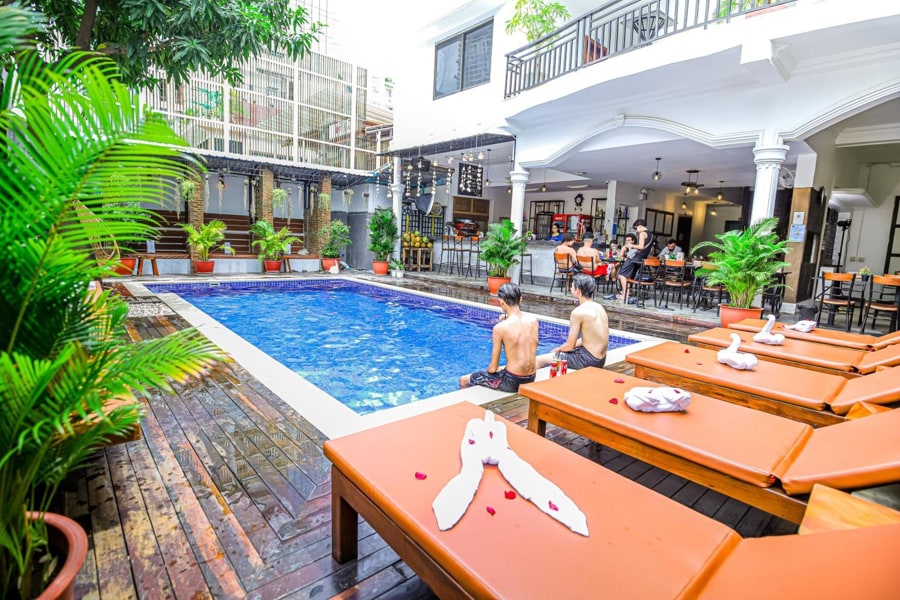
Visitors can enjoy a variety of benefits and services, consisting of a complimentary and delicious breakfast, a refreshing swimming pool for afternoon enjoyment, free Wi-Fi throughout the hotel property, and hospitable staff who will support you in excursion arrangements. Particularly, from its central area, you can easily stroll to famous coffee shops, beautiful galleries, and local markets. The price of the Bambu Battambang Hotel is from $84.7 to $128.1 per night.

Oh Battambang Boutique Hotel (4 ★)

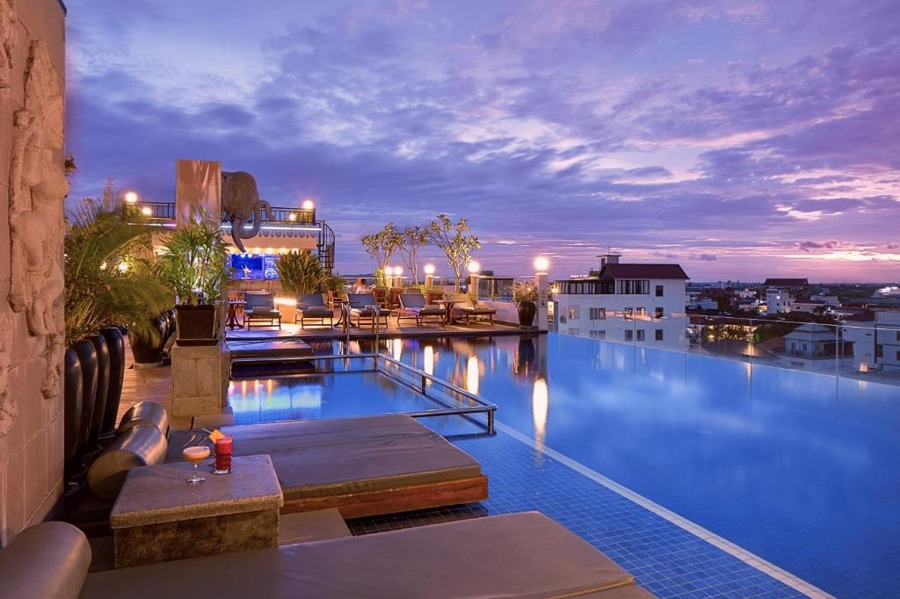
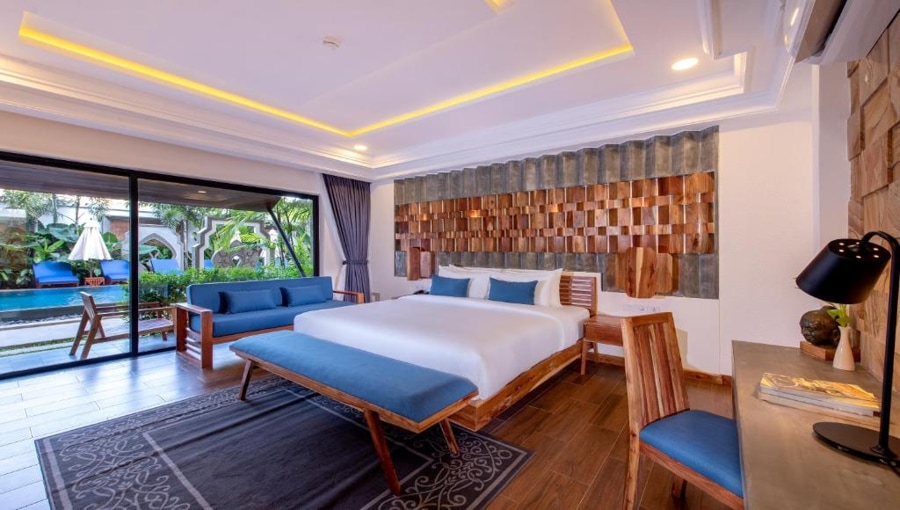
Oh Battambang Boutique Hotel brings travelers a luxurious and modern relaxation with a boutique atmosphere in the center of the city. The layout blends clean lines with textured local decorative accents, creating a stylish but understated space. Rooms in the hotel are built to maximize both comfort and privacy, including high-end bedding, air-conditioning, and minimalist yet elegant fixtures.
Oh Battambang Boutique Hotel
There are many different benefits and services at Oh Battambang Boutique Hotel, such as a daily traditional breakfast, airport or tuk-tuk transfers, as well as beneficial concierge services. Oh Battambang Boutique Hotel is a peaceful but valuable location, allowing vacationers to be near the beautiful Sangker River promenade and exciting nightlife destinations. The price of the Oh Battambang Boutique Hotel is from $51.9 to $68.1 per night.

Classy Hotel & Spa (4 ★)

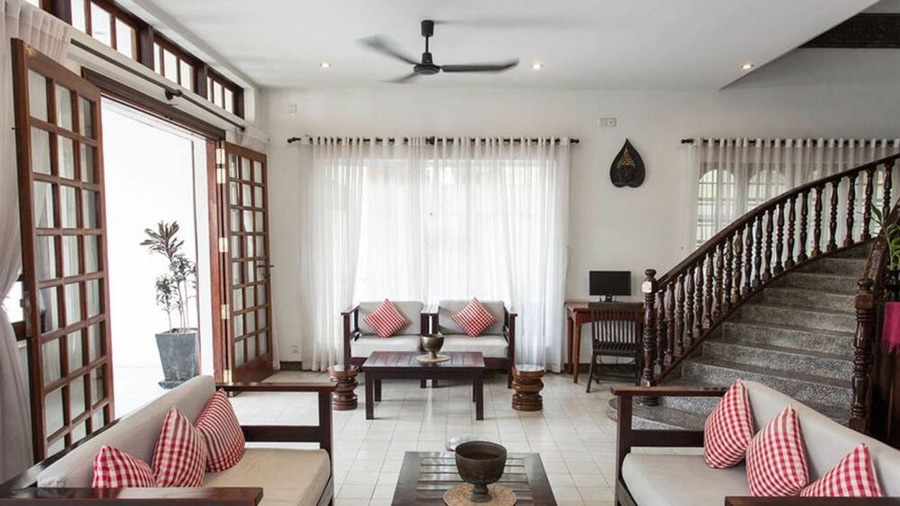
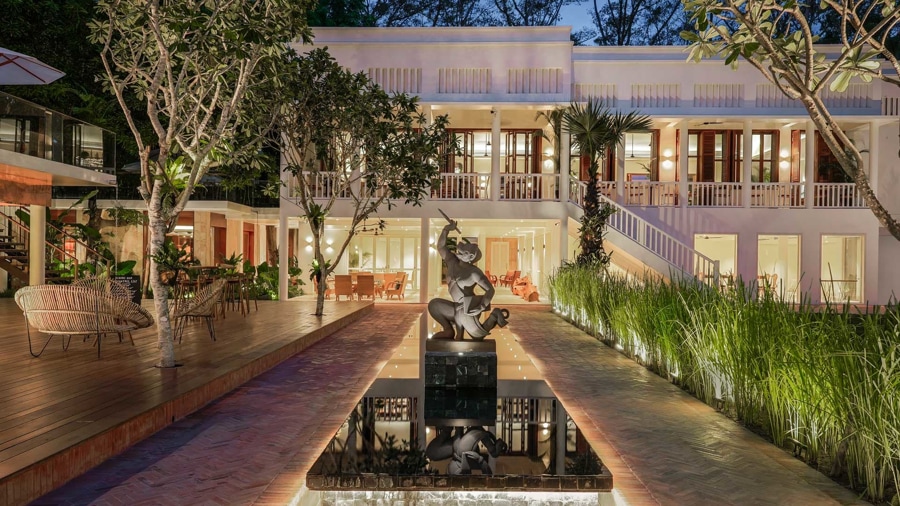
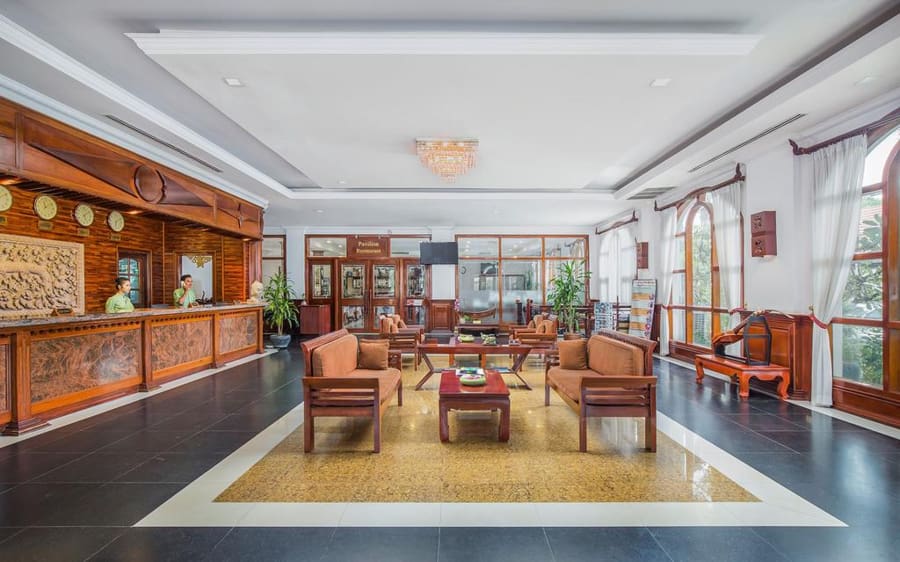
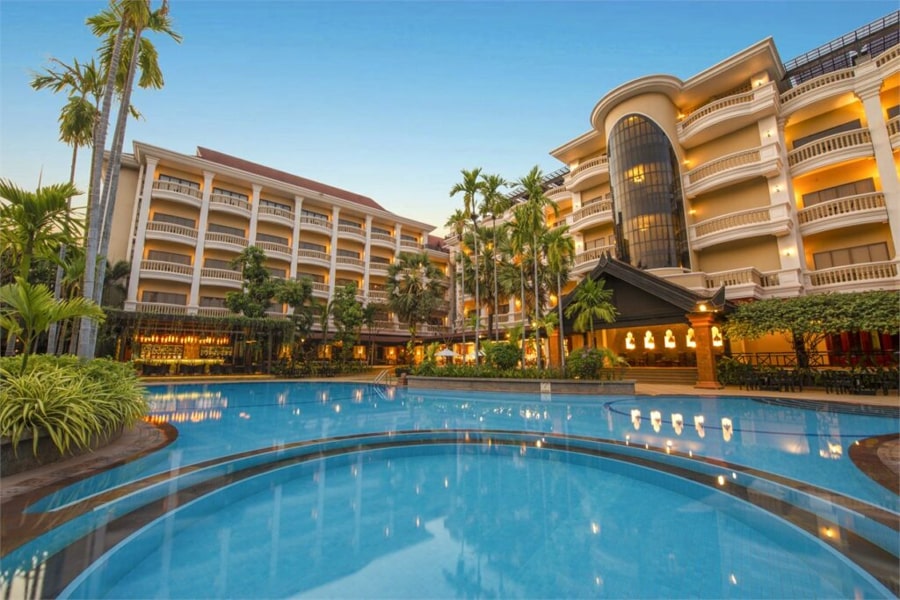
Classy Hotel & Spa has traditional Khmer style mixed with convenient modern interiors. The layout consists of a large and stylish lobby, serene lawn areas, and many spacious rooms with accent decoration and quality furniture. The design of Classy Hotel & Spa elevates a standard stay for travelers to Battambang with polished touches, such as tiled flooring and warm lighting.
Classy Hotel & Spa
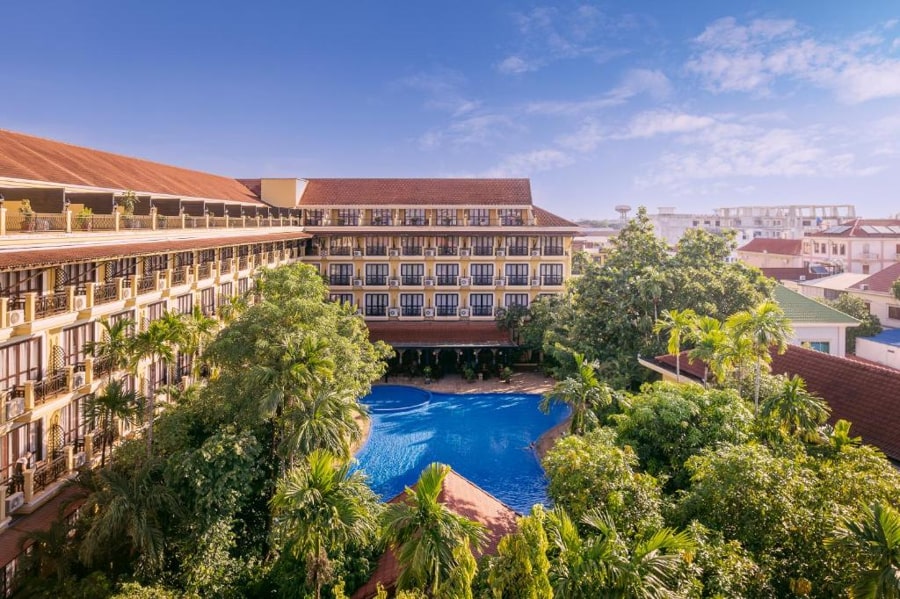
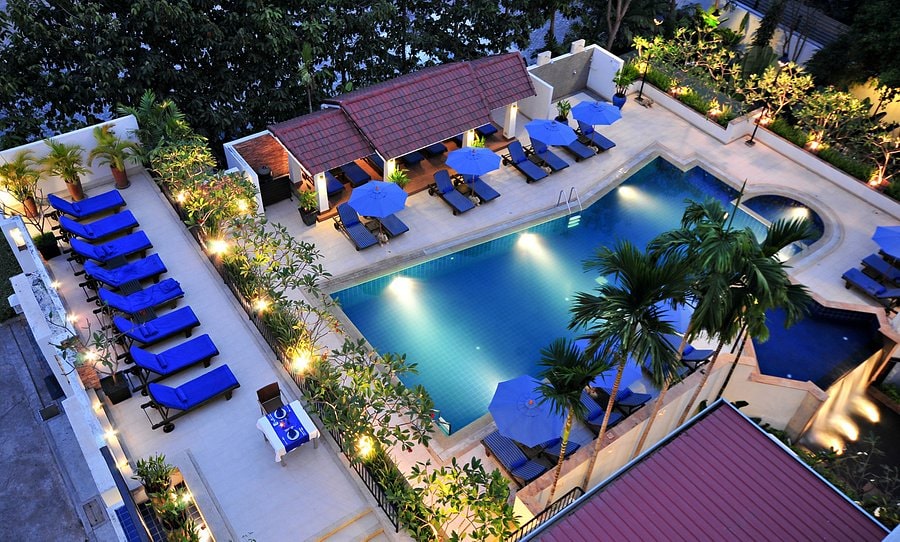
Visitors can enjoy a variety of benefits and services, consisting of health offerings, a spa for traditional massages and treatments, complimentary breakfast served with delicious local foods, and an outdoor swimming pool. The central position of the hotel close to famous cultural attractions and restaurants makes it a pleasant base for discovering Battambang. The price of the Classy Hotel & Spa in Battambang is from $60.7 to $70.90 per night.

La Villa Battambang Restaurant Boutique Hotel (4 ★)

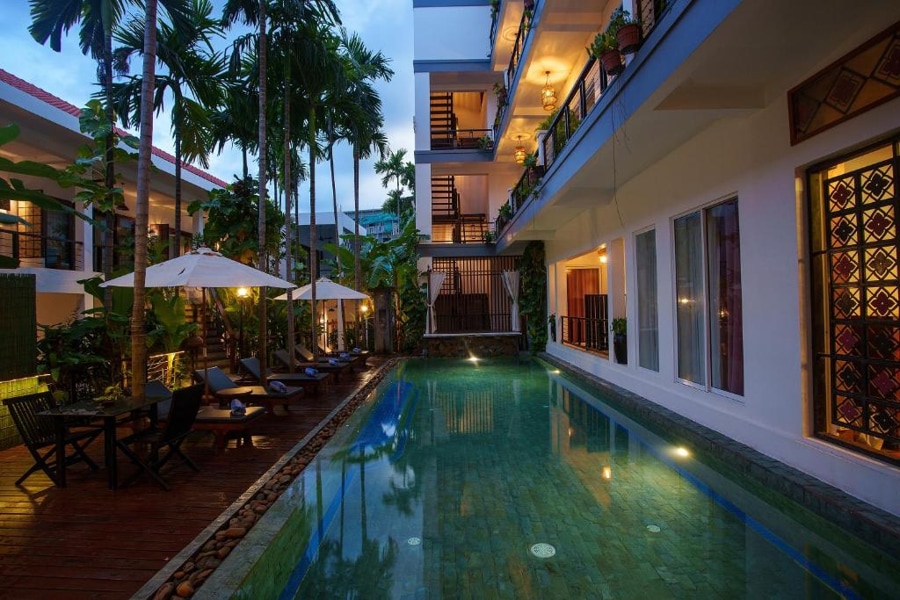
La Villa Battambang Restaurant Boutique Hotel attracts various vacationers with local hospitality. The design highlights intimate spaces, subtle coloration palettes in ornaments, and meaningful decoration details inspired by conventional and unique Cambodian craftsmanship. Rooms in the hotel are well-appointed with plush bedding and modern services to provide a tranquil rest for travelers.
La Villa Battambang Restaurant Boutique Hotel
There are many different benefits and services at La Villa Battambang Restaurant Boutique Hotel, such as an on-site restaurant serving flavorful local and global dishes, an on-site outdoor swimming pool, concierge assistance from professional staff, guidelines to access to stalls that sell well-known foods in Battambang, and free Wi-Fi throughout the hotel’s property. The price of the La Villa Battambang Restaurant Boutique Hotel is from $45.5 to $91.1 per night.

East Side And Neighborhoods

The East side and the neighborhood areas are quieter than the Battambang center area. It is near the river and has a tranquil local life, which is very suitable for an authentic relaxing trip after many busy working and studying. Different from the center area, the East side and the neighborhood areas are better for many-time travelers than for first-time tourists.

The Coconut House Hotel (3 ★)

The Coconut House Hotel brings vacationers a relaxed yet budget-friendly experience. The design emphasizes timber and neutral interiors, creating a tropical sense and a chilled feeling, even when Battambang is in the hot and dry season. Rooms are simple, but well-kept with primary facilities. This is the reason why budget tourists choose The Coconut House Hotel when looking for where to stay in Battambang.
The Coconut House Hotel
Visitors can enjoy a variety of benefits and services, consisting of a garden space with an airy atmosphere, daily room keeping, and easy get entry to to nearby delicious local eateries. You can have an opportunity to revel in a more local-style experience far from the bustling city center. The price of The Coconut House Hotel in Battambang is from $25.5 to $32.8 per night.

The Sanctuary Villa Battambang (3 ★)

The Sanctuary Villa Battambang is a captivating B&B-style accommodation surrounded by greenery with bungalow-vibe rooms that balance convenience and peaceful decoration. Interiors of The Sanctuary Villa Battambang are simple yet elegant with natural substances that make vacationers feel relaxed, especially after a full day of dynamic exploration.
There are many different benefits and services at The Sanctuary Villa Battambang, such as free Wi-Fi, helpful hosts, and easy arrival at the river pier for visiting or photographing, as well as local eateries along the main roads. This hotel brings tourists a more local and serene experience than the crowded center in Battambang. The price of The Sanctuary Villa Battambang is from $34.9 to $90.7 per night.

Vimean Sovannaphoum Resort (4 ★)

Vimean Sovannaphoum Resort is located peacefully along the beautiful river’s east bank with comfortable interiors and smooth earth-toned decoration. Rooms in Vimean Sovannaphoum Resort are spacious with pretty private balconies and scenic views of natural scenery, ideal for restful stays of travelers with their family or groups of friends.
Vimean Sovannaphoum Resort
Visitors can enjoy a variety of benefits and services, consisting of a brilliant layout that allows for indoor relaxation and outdoor strolls in the hotel property, a breakfast served with both local and global dishes, tour booking help, and easy access to riverside coffee shops and local nightlife. The price of the Vimean Sovannaphoum Resort in Battambang is from $50.6 to $151.9 per night.

Maisons Wat Kor (4 ★)

Maisons Wat Kor is a hotel that has a boutique style with refined interiors and colonial attractions. All of the rooms in Maisons Wat Kor feature high ceilings for an airy atmosphere for travelers, tasteful design and ornaments, as well as comfort-oriented layouts. If you want to enjoy a nearby natural vibe, this is a good selection when looking for where to stay in Battambang.
There are many different benefits and services at Maisons Wat Kor, such as customized assistance service, lush garden areas for strolling, an on-site restaurant, a swimming pool, and easy reach entry to nearby village scenes as well as local beautiful old temples. The price of the Maisons Wat Kor hotel in Battambang is from $112.2 to $241.5 per night.
Maisons Wat Kor

Cozy Paradise Residence (4 ★)

Cozy Paradise Residence is a combination of contemporary convenience and warm decoration, with rooms laid out for vacationers to feel like a home away from home. The interior spaces of Cozy Paradise Residence are bright and modern. Not only can will unwind in the pleasant experience, but you can also enjoy practical amenities when staying at this hotel.
Cozy Paradise Residence
Visitors can enjoy a variety of benefits and services, consisting of quiet surroundings, on-site free parking, an on-site restaurant, an outdoor swimming pool, and proximity to nearby neighborhoods, ideal for tourists seeking a chilled and tranquil base while still within reach of the energetic city center. The price of the Cozy Paradise Residence hotel in Battambang is from $39.5 to $91.1 per night.

Tips To Choose The Suitable Hotels In Battambang

To feel comfortable, excited, and safe in this Cambodia itinerary, you need to carefully remember the following important travel tips to choose the best accommodation when looking for where to stay in Battambang.
  • Check if taxes and service charges of the hotel are included in its price. This will help you save your money smartly.
  • Read other recent guest reviews and feedback carefully about staff friendliness, interiors, and service quality. You should verify if the accommodation’s information matches real guest reviews, not just marketing.
  • Skillfully compare prices of lodgings across different booking platforms before booking to ensure you get the best rates for this journey.
  • Select hotels with a swimming pool and air-conditioned rooms for a comfortable feeling if you travel to Battambang during the hot season (from March to May).
  • During peak season, like the cool and dry months (from November to February), you need to book the room early to secure better rooms and good rates.
  • Not only will you care about the quality or design of the hotel, but you also need to consider its location relative to the flooding risk in heavy rain months (from June to October) to ensure a pleasant experience for yourself in this adventure.
  • Carefully check security features, consisting of reception hours and in-room safes, to ensure the safety of yourself and your belongings.
  • No matter what, choosing a hotel located in the city center or in the outside areas, ensure tuk-tuks are easily available near your hotel for you to easily move.

Final Thoughts

There are numerous hostels, hotels, and resorts, from economical prices to high-end or luxury ones, for tourists to select from when they are looking for where to stay in Battambang. Choosing a pleasant lodging to stay in this city can make your trip feel more convenient, chill, and memorable. If you want to be consulted about this journey, like what to see and interesting things to do, or when will be the best time to visit Battambang, as well as receive support for the visa process, let’s contact Seni World, a reputable tour operator from Vietnam.

Top 13 Things to Do In Battambang Beyond The Tourist Trail

Battambang is a destination with a great deal to offer, from ancient temples and rural settings to art and local culture. A journey through the attractive city of Battambang will enable tourists to pause and appreciate the local culture of Cambodia.

Visit Wat Banan and Enjoy the Scenic Hilltop Views

Wat Banan is an ancient Khmer temple situated at the top of a hill and provides a very serene and gratifying experience for visitors. No climbing is required to access the temple, as you are required to climb 360 stairs made of stone. Wat Banan’s ancient sandstone buildings are illustrative of Khmer architecture and the serene environment that they are known for.
Wat Banan Located just over 20 kilometers south of Battambang on a hilltop
Unlike the overcrowded temples in Angkor, the atmosphere of Wat Banan is much quieter and more relaxing than that of the larger temples here. It is ideal for taking pictures and experiencing the tranquillity of rural Cambodia. The best time to visit Wat Banan is in the morning or early evening, as this allows you to avoid the intense heat of the sun.

Thousands of Bats at Bat Cave (Phnom Sampeau)

Bat Cave is also a very special natural tourist site in Battambang. Every day, thousands of bats exit the cave in a flowing stream of creatures against the sky at sunset. It is a phenomenon of nature and lasts about 20-30 minutes, and is truly memorable and magical to see and experience, with people around you taking in the cool atmosphere of the evening while watching the creatures go out of the cave.
Bat Cave, located in Battambang
At the end of the day, you should definitely plan on going to visit the cave located within Phnom Sampeau Hill. This cave is one of the most beautiful natural formations on earth. It is simple to visit and provides ultimate things to do in Battambang, especially when you bring your camera. You’ll want to spend plenty of time enjoying yourself and taking pictures as well!

Attend Experience Cambodian Arts at Phare Ponleu Selpak

Phare Ponleu Selpak is a renowned art and social platform for young artists from Cambodia. The center is most famous for its emotionally moving circus shows and theater performances, as well as visual arts exhibitions. These performances feature a blend of acrobatic skills and storytelling through music and contemporary ideas borrowed from the real lives of Cambodians.
Viewing a performance is both entertaining and educational. Viewers obtain information about the aspects of the culture and creativity of the people of Cambodia, despite the difficult times through which the country has passed. The performance is a great platform for artists.
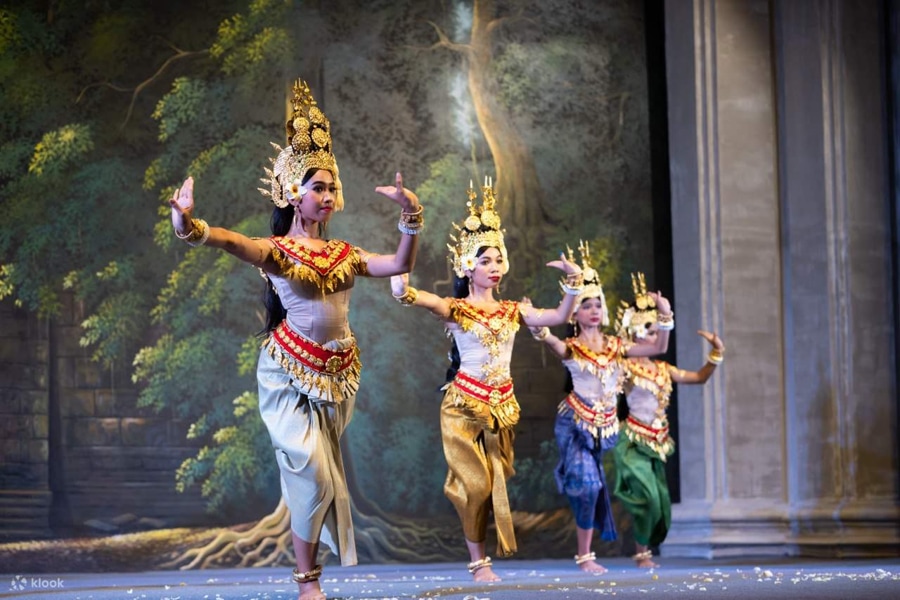
Music and Dance In Phare Ponleu Selpak

Discover the Ancient Ruins of Wat Ek Phnom

Wat Ek Phnon, a temple dating back to the 11th century and located just outside Battambang, is mostly in ruins; it nevertheless retains its Angkorian-style architectural beauty and a variety of Angkorian sculptures. Additionally, several new temples have been built within close distance to this site that provide an aura of spirituality and connection to the new temples. There is rural land surrounding Wat Ek Phnon, which creates a peaceful setting.
Ancient Ek Phnom Temple (11th-Century Angkorian Ruins)
Visitors to Wat Ek Phnon have a good opportunity to relax, take photos and enjoy the peacefulness of the grounds and the ruins of the temples, as they have the chance to ride a bicycle or, if they wish, to ride a tuk-tuk through the surrounding countryside.

Exploring Breathtaking Scenery and Rich History at Phnom Sampeau

Phnom Sampeau is a hillside tourist spot where natural beauty, religious attractions, and memorable historical aspects come together. A series of temples, caves, and observation decks with views of the extensive plain and the Sangkae River are to be seen on the hill. Climbing or driving up to the summit provides great views, mostly at sunsets. Nonetheless, Phnom Sampeau has darker historical associations, which provide substance to this experience.
Many tourists visit this attraction along with the Bat Cave, which lies nearby in the late afternoon. The serene surroundings are conducive to reflection. Phnom Sampeau remains an experience that will long be remembered.
Aksopheak Cave (Killing Caves) In Phnom Sampeau

Experience Daily Life at Battambang Central Market

The Battambang Central Market immerses you into the local city culture. Here you will find locals shopping for fresh produce such as vegetables, fruit, fish, spices, clothing and other handmade goods created by local artisans. By visiting this market, you have a chance to engage with the local community and experience what it is like to live in that area.
There are several stalls throughout the marketplace where you will find many different types of traditional Cambodian foods at a very reasonable price. Here, too, you may begin your day with a typical local breakfast, snacks and coffee. The Battambang Central Market also has other forms of local items created by artisans available for purchase.

Explore History in Battambang Provincial Museum

Battambang Provincial Museum helps tourists gain information about the cultural and historical development of this region. Indeed, this museum features ancient statues, archaeological finds, and tools that belonged to various eras of Cambodian history. Its exhibits include the Angkor period, as well as other cultural traditions, and some recent historical occurrences.
Visiting this museum provides tourists with supplementary information regarding the cultural and historical attractions in Battambang. A conducive atmosphere is enjoyed while touring this museum. Tourists can walk around peacefully. In fact, this museum is best suited for tourists who value historical information.
Explore History in Battambang Provincial Museum

Experience Colorful Local Festivals and Cultural Activities

There are several festivals that take place in Battambang and highlight the local customs and art. The Battambang Arts Festival is the grandest festival that takes place every November and is the most prominent event in the city. There are performances by local and foreign artists, including music, dance performances, theater performances, and even circus performances.
Wat Banan Festival
There are religious festivals such as the Wat Banan Festival or the Sangkae River Festival. These festivals give a chance for the locals and foreign tourists to mingle and have fun. Food and drink stands and even performances bring life to the streets. Festivals give a unique opportunity to experience the local art of Cambodia.

Experience the Peaceful Countryside around Battambang on Bike

Discovering this region of Cambodia is most delightfully accomplished by cycling throughout the countryside. Renting a bike is an uncomplicated and relatively inexpensive way to explore Battambang. Cycling allows one to travel through rice paddy fields and tiny villages, past many homes, and experience numerous types of buildings and monuments found throughout Cambodia. Cyclists will also have the opportunity of meeting many residents, who are usually very friendly toward visitors on bicycles.
Peaceful Countryside around Battambang on Bike
There are several small bike paths that will lead cyclists to local workshops, where local artisans produce rice paper, dried bananas, fish pastes, and other types of traditional Cambodian handicrafts. Cycling allows tourists to experience Cambodia’s unique and diverse culture at a slower pace while enjoying the sights and sounds of the day-to-day activities of the Cambodian people.

A Kayak Trip Along the Sangkae River to Ksach Poy Floating Village

The Phnom Samkos Wildlife Sanctuary offers camping opportunities for trekking through thick jungles, exploring caves, and learning about wildlife. Caves in the Phnom Samkos mountains are home to many different types of bats. Camping at night under the stars is also possible during this trip.
You can also camp and arrange for assistance with meals, which include local meals, while you are camping there. Other activities available at the Wildlife Sanctuary include swimming in the rivers, trekking through the jungles, and cave exploration. There are many different ways to camp at Phuket Samkos.

Experience Battambang By Riding the Bamboo Train

Riding on the Bamboo Train (Norry) is an exciting way to experience Battambang. It’s a simple platform made from bamboo that’s powered by a small motor and runs on the old railway system that was destroyed by the many years of war. It was created by local people to help them get back to work and rebuild their economy after the Civil War. Today, this attraction has become a unique way to experience Cambodian life and the beauty of rural Cambodia.
Bamboo Train is built from a large bamboo or wooden plank
Riding the Bamboo Train is a wonderful way to see and feel the beauty of the Khmer people, as you will be exposed to many things like how they live and work, as well as seeing their beautiful rice fields and villages. One of the most fascinating parts of riding the Bamboo Train is when two trains meet on the same track and one train is quickly lifted up, and then put back down so that the other train can pass through. You’re bound to have a great time and gain some wonderful insight into Cambodian culture.

Explore Dark Cambodia History At The Killing Caves at Phnom Sampeau

The Killing Caves of Phnom Sampeau are among the most chilling historical attractions not so far from Battambang, and they are found inside a limestone cliff, about 12 km from Battambang City. It was during the period of the Khmer Rouge, between 1975 and 1979, when this cave was turned into a killing field where the executed victims were dumped inside the cave below. Nowadays, a stupa containing skulls and bones, along with a lying Buddha symbolizing peace, can be found inside the cave.
Visiting the Killing Caves is an emotive experience that allows tourists to gain insight into the tragic history of Cambodia and the strength of its people. There are information boards to give background information, and the tranquility of the caves promotes a reflective atmosphere of respect. Visits to the Killing Caves can be combined with other attractions in Phnom Sampeau, including a range of viewing points and the spectacular bat exodus at sunset, adding a positive experience to the tourist’s Battambang itinerary.

Try Local Food At Battambang

Battambang is a great place to explore the local food of Cambodia, and a culinary journey through Cambodian food is one of the most delightful experiences that the city has to offer. Khmer red curry, a light-tasting yet coconut-rich curry, or nom banh chok, a popular rice noodle and vegetable soup that is eaten for breakfast, are just a few popular Khmer dishes that a foodie can try. Fish amok, a steamed fish made in banana leaves with coconut milk and spices, or the simple but hearty grilled pork and rice, or stir-fried noodles, are a must-try as they embody the unique culinary tradition of Cambodia.
delicious food in Battambang
As a food-loving town, there are plenty of eateries for tourists to choose from in Battambang, regardless of what their financial status might be or what kind of dishes they might get used to going back home. Furthermore, cafés scattered across Battambang stand out as ideal venues for unwinding and observing local culture, making culinary exploration a crucial aspect of visits to Battambang.

Final Thoughts: Is Battambang Worth Visiting?

A visit to Battambang is a must if you are a travel enthusiast looking to experience a different and remote side of Cambodia, apart from visiting popular tourist destinations. While there are a number of attractions, ranging from historic ones to local markets, that will keep you engaged throughout your visit to this city, there are also a number of things to do in Battambang. The presence of art in this city, along with an experience of a unique form of transportation in a bamboo train, will not only make your visit here memorable but also add meaning to your travel experience. Let Seni World help you plan your Cambodia trip to experience all the interesting things to do in Battambang.

The Best Time To Visit Battambang For A Memorable Adventure

The best time to visit Battambang is from November to February, when the climate is comfortable, dry, and relatively cool with low humidity, suitable for outdoor activities and beautiful sightseeing. Read Seni World’s guide to know the weather and tips.

Where Is Battambang?

Battambang is positioned in northwestern Cambodia, near its border with Thailand. Battambang is the capital city of Battambang Province, and it lies along the banks of the famous Sangkae River. This river also flows through the center of the city. Battambang is about 290 kilometers northwest of Phnom Penh and nearly 170 kilometers southeast of Siem Reap. So this city is an important destination for travelers who want to discover the cultural triangle in this Cambodia itinerary.
Battambang is positioned in northwestern Cambodia
Battambang is surrounded by lush, fertile plains and beautiful, rural villages, increasing its recognition as one of the key agricultural areas of Cambodia, particularly for rice production. Thanks to its comfortable location, Battambang is also well connected by road to Phnom Penh, Siem Reap, as well as the Thai border at Poipet. This makes Battambang a brilliant spot for vacationers to revel in a mixture of traditional Cambodian atmosphere, elegant colonial architecture, and impressive countryside.

What Is The Best Time To Visit Battambang?

The best time to visit Battambang is throughout the cool and dry season, from November to February. During this season, temperatures are more pleasant, humidity is lower than in other seasons, and rainfall is minimal. They are great conditions for you to uncover Battambang’s French-colonial structure, old temples, beautiful countryside villages, and some famous outdoor attractions such as the Bamboo Train. This season is also wonderful for cycling excursions and river cruises, as the weather is good throughout the day.
Bamboo Train is built from a large bamboo or wooden plank
Another ideal time to visit Battambang is the early wet season from June to August. At this time, the surrounding rice fields and rural landscapes become lush and green. Despite heavy showers, they are often brief and refreshing, and travel rates will be lower due to fewer vacationers. The wettest months in Battambang, September and October, can have heavy rains and muddy rural roads. The hot season from March to May in Battambang can also be uncomfortable because of excessive temperatures.

Battambang Weather Overview By Season

Battambang has three seasons in a year. It consists of the cool and dry season, the hot and dry season, as well as the rainy season, also called the wet season. Seni World has summarized the Battambang weather by month and the Battambang temperature by month for vacationers to refer to. Therefore, you can easily view, follow, and schedule an interesting Battambang itinerary:
Season
Months
Temperature (°C)
Typical Weather Experience
Cool and dry season
November to February
From 24 to 30
The weather is comfortable, dry, and relatively cool with low humidity. This is the best time to visit Battambang for travelers to discover temples, colonial buildings, countryside villages, and enjoy biking or outdoor sightseeing.
Hot and dry season
March to May
From 30 to 38
The temperature in Battambang is very hot and sunny, especially has the intense heat during midday. So you should go out in the early morning or late afternoon. At this time, let’s enjoy indoor attractions, like going to coffee shops.
Rainy or wet season
June to October
From 25 to 32
There are regular short rain showers and higher humidity than in other seasons, particularly in the afternoon. The landscapes will be green and lush, the city will be less dusty, and there will be fewer travelers to Battambang.

The Cool And Dry Season (From November To February)

The cool and dry season is the best time to visit Battambang. During the period of November to February, temperatures in this city are more comfortable, commonly starting from the mid-20s to around 30°C, as well as it has low humidity and very little rainfall. This pleasant climate is great for travelers to stroll across the city center area, witness Battambang’s elegant French-colonial buildings, visit old temples, and unwind in outdoor sights, such as the unique Bamboo Train and pretty countryside biking routes.
Ride The Bamboo Train
This season also offers superb conditions for cultural experiences and local life discovery. They consist of clear skies and cooler evenings, which are ideal for seeing sunset along the river, enjoying traditional food tours, and attending conventional performances. As the cool and dry season is the top travel time, Battambang becomes dynamic but not overcrowded, and transportation is smooth and reliable. Therefore, this will be an excellent choice for travelers who love enjoying outdoor activities and vibrant sightseeing.

The Hot And Dry Season (From March To May)

The hot and dry season in Battambang is highlighted by high temperatures and strong sunshine all day. Traveling to this city from March to May, especially in April, you can feel daylight hours temperatures regularly rise above 35°C, making the afternoons seem excessive and hard for outdoor activities. Rainfall is minimal, and the dry weather results in badly dusty roads in rural areas. So you should arrange your journey early in the morning or later in the afternoon to keep away from the peak heat.
Battambang nightlife.
Despite the heat, the hot and dry season is also an excellent option if you skillfully schedule your trip in Battambang. It is a superb time to revel in indoor atmosphere, such as local coffee shops, historic and cultural museums, or plan a Battambang nightlife. Fewer travelers visit Battambang these months, so you can see quieter streets, easier accommodation availability, and occasionally lower lodging rates. For vacationers who want to enjoy a slower pace and do not mind hot weather, this is a great season to go to Battambang.

The Rainy Or Wet Season (From June To October)

The rainy or wet season in Battambang is from June to October, bringing higher humidity and common rainfall, most usually the heavy but short afternoon showers. Temperatures typically stay warm, ranging between the mid-20s and low-30s°C, with the rain refreshing the air and decreasing dirt. In this season, the surrounding countryside will be green with various lush rice fields, canals filled with water. The natural scenery of Battambang will be at its most brilliant, refreshing, and poetic, which is wonderful for photographers.
Although your tourism plan can be limited by rain, you can revel in a quieter and more authentic vibe in Battambang. There are fewer travelers, so you can explore attractions at a leisurely pace and regularly have lower prices for both lodging and excursions. Rural roads can be muddy, which affects some countryside activities. At this time, you should arrange some pleasant indoor activities, consisting of enjoying local coffee shops and historic or cultural museums.

Tips For Visiting Battambang In Different Seasons

To have a happy, exciting, memorable, and safe trip in Battambang, you should not only learn more about the best time to visit or things to do in Battambang, but also need to remember the following important travel tips. These tips will help you have a great trip to Battambang and protect yourself more effectively:
When traveling in the cool and dry season:
  • Book hotels or hostels in advance to ensure availability and good rates, as the cool and dry season is the peak travel season in Battambang. There may be a crowd.
  • Prepare a light jacket for cooler evenings and early mornings to protect your health.

Wat Ek Phnom is a temple ruin in Battambang

  • Choose to wear comfortable walking shoes for a convenient feeling when exploring the town and temples within the crowd.
  • Don’t forget to take many memorable photos, because this is the best season for photography in Battambang with clear skies and soft lighting.
  • Respect local customs and traditions when you go out for outdoor activities, such as visiting temples and pagodas. You need to dress modestly and behave politely.
When traveling in the hot and dry season:
  • Arrange your outdoor sightseeing early in the morning or after 04:00 PM to avoid extreme heat.
  • Drink enough water and carry water in your baggage at all times during your adventure in Battambang.
  • Wear a hat, sunglasses, and use sunscreen with a high level of SPF to protect your skin from strong sunlight.
  • Choose a hotel or hostel with air conditioning or a swimming pool to enjoy a chill atmosphere and a comfortable feeling.
  • Schedule a backup travel plan for indoor attractions, such as unwinding in a coffee shop or enjoying relaxed evening activities to keep away from the strong sun.
When traveling in the rainy season:
  • Bring a lightweight rain jacket or a poncho in your baggage, and wear waterproof footwear when going out in the rain.
  • Be cautious and allow more time for travel if you encounter rural roads with slippery or muddy conditions.
  • Apply insect repellent to your skin to protect against mosquitoes and other insects, especially during the rainy season.
  • Choose a tuk-tuk or book a taxi instead of riding a bike on rainy days for convenience and safety.
  • Flexibly arrange your trip, because sometimes, extremely strong showers can limit or cancel it. If you still do not know how to schedule a suitable journey during the rainy season in Battambang, contact Seni World for more consulting.

FAQs About The Best Time To Visit Battambang

Seni World also listed some FAQs to help you find out more about the best time to visit Battambang. Let’s see them more in the part below!
  1. Is Battambang affected by flooding?
Minor flooding in Battambang can appear during heavy rains in the rainy season, but it is usually manageable. So vacationers don’t need to be worried about this issue when traveling in this city.
  1. When is the Khmer New Year in Battambang?
The Khmer New Year in Battambang is usually in mid-April, during the hot and dry season. Cambodian festivals like the Khmer New Year add unique cultural experiences for travelers, especially global tourists. They will have many interesting and meaningful views of this country.
Khmer New Year in Battambang is usually in mid-April
  1. Is Battambang suitable for budget tourists year-round?
Yes, budget travelers can freely enjoy a year-round tour in Battambang, especially during the rainy and hot seasons. These months, prices of accommodations and transportation are lower than in other seasons.
  1. Is Battambang good for slow travel?
Yes, Battambang is great for slow travel because of its relaxed atmosphere. It is suitable for long stays in any season, particularly when you travel to this city with your friends and family after a busy working and studying.
  1. What is the worst time to visit Battambang?
There is no worst time to visit Battambang, but for some people who have sensitive skin or not good health, it can be uncomfortable due to the extreme heat in April.

Final Thoughts: Is Battambang Worth Visiting?

The best time to visit Battambang is from November to February, when the climate is comfortable, dry, and relatively cool with low humidity. So they are great conditions for uncovering Battambang’s French-colonial structure, old temples, beautiful countryside villages, and some famous outdoor attractions such as the Bamboo Train. If you want to learn more about this Battambang adventure, like what to see, things to do, as well as where to stay in Battambang, and receive support for the visa process, let’s contact Seni World, a reputable travel operator.

Witness Thousands of Bats At The Bat Cave in Battambang

Bat Cave is more commonly referred to as Phnom Sampeau Bat Cave. It is a unique destination, as thousands of bats emerge every evening. Travellers will see spectacular views and the unique experience of being exposed to bats in Cambodia.

Introduction to Bat Cave Battambang

Bat Cave, located in Battambang, on Phnom Sampov Mountain, is one of the most intriguing natural sights in Cambodia. Thousands of bats come out of their dwelling place every evening as the sun sets. It is, in fact, a breathtaking sight as cloud-like figures form in the sky, leaving onlookers totally enthralled.

Bat Cave, located in Battambang

Apart from the bat flights, the site also provides visitors with other experiences, such as exploring Buddhist shrines, taking in the views of the rice paddies, and the landscape surrounding the hill. With such aspects as wildlife, history, and landscape, Bat Cave Battambang is indeed a memorable place for any traveler seeking something extraordinary.

Unique Architecture of Bat Cave Battambang

The Bat Cave is located in the dramatic limestone formations of Phnom Sampeau (near Battambang, Cambodia). The limestone formation has been shaped by nature and humans, and the design of the Bat Cave is integrated into this phenomenal landscape.

The cave is located on a steep limestone cliff that has been eroded by weathering, creating a rugged surface. The limestone cliff has many vertical fissures and limestone overhangs that indicate the entrance to the cave. As the sun sets, the dark entrance of the cave is illuminated, revealing thousands of bats that exit the cave. The bats create a dramatic contrast to the still landscape of the rocky cliffs as they form an energetic cloud that dances above the cliff faces.

5 Unforgettable Experiences You Shouldn’t Miss

Visitors to Bat Cave Battambang get to experience firsthand the beauty and diversity of Cambodia’s natural environment and wildlife. The bat cave has a nightly bat exodus that occurs at dusk, and along with enjoying the surrounding countryside. Visitors can also do some point-and-click photography while taking in everything that is happening around them.

Witness the Evening Bat Exodus

At sunset, all bat caves experience an amazing sight, the exodus of tens of thousands. The bats begin to fly out just after sunset, and they form beautiful patterns as they leave. When they leave, they circle over you before heading out over the horizon. Arriving early will give you a great view and time to watch the cliffs and the smaller wildlife, since it will be dark shortly after the bats leave. Although the experience of viewing bats is a unique activity, you should take a few moments to appreciate your surroundings.

Witness The Evening Bat Exodus

Capture Stunning Photos of the Cave Entrance

The entrance of the cave is dramatic in appearance, framed by tall cliffs and some thick foliage growing around its base. Photographers have an opportunity to capture remarkable images of the cave where light shines through the surrounding trees and brightens the rugged texture of the limestone formations.

Capture Stunning Photos Of The Cave Entrance

Lighting is at its best for both the cave and neighbouring rice paddies in the latter part of the afternoon. For drone photographers, taking wide aerial photographs is a great way to show the size and scale of the landscape. The combination of nature and geologically formed rocks will create one of the most memorable experiences in Battambang.

Explore the Surrounding Countryside

Bat Cave is located in a peaceful, unspoiled, rural landscape that is a calming counterpoint to the urban hustle and bustle of Battambang city. When walking or riding a bicycle along the village roads through the countryside, you will see traditional Khmer homes, free-range cows, and an expanse of green rice fields as far as your eyes can see.

Taking a moment to greet local villages or stop at a small family homestead will give you an additional cultural connection to your experience. The idyllic countryside setting offers a peaceful atmosphere for you to contemplate how lively the bats are, as a result of having observed their activity earlier in the day.

Spot Wildlife Beyond the Bats

Bats are the star attraction at Bat Cave, but there are many other forms of wildlife in the surrounding hills and forests. Birdwatchers can see some of the native bird species flying around the trees. In addition to bats, there are also numerous small mammals, reptiles (e.g., lizards), and insects that live in a natural habitat that is intact and undisturbed. Seeing these animals in their natural habitats provides visitors with a greater understanding of Bat Cave and its ecological importance.

Spot Wildlife Beyond The Bats

Enjoy a Sunset Picnic or Relaxation

Some travelers take picnics to share while they wait for the bats to leave for their evening flights. After settling down at one of the rocky terraces or just outside the cave entrance, travelers will enjoy watching the sun set as well as listening to the sounds of the bats’ flight echoing off the walls of the cliffs (the sound of bat flight).

The tranquil atmosphere makes it a great place to reflect on life or to take photographs of the scenery, plus the presence of wildlife and a gentle breeze adds to the enjoyment of your visit. To ensure that future visitors have an equally remarkable experience, please leave no trace of your visit and help protect the environment.

Entrance Fee

At Battambang, the Bat Cave is free to visit, as this is a natural structure. Visitors can explore the area of the cave, witness thousands of bats flying out at dusk, and appreciate this incredible natural display by not having to pay for entry. This provides all people with an excellent opportunity to visit and experience something different.

Best Time to Visit Bat Cave Battambang

During the dry season, Bat Cave Battambang is best enjoyed from November to April in Battambang. The great temperatures and a beautiful sky will give you a great view of the cave bats in action. At approximately 5:30-6:30 PM every day, thousands of bats fly out of the cave at sunset to show stunning displays of their flight. You can arrive several minutes before sunset to secure a good location from which to view bats migrating out of the cave into the surrounding farmland.

How to Get to Bat Cave Battambang

Getting to Bat Cave, Battambang, is easy, whether you’re coming from within the city or from other places within Cambodia. There are a number of ways, depending on your preferences as well as your budget.

From Battambang City Center

  • Tuk tuk: It is the most preferred mode of transportation for foreign visitors. Taking a tuk tuk trip to Bat Cave will take, on average, 15 to 20 minutes, with the fare estimated to be between 5-8 USD.

tuk tuk in cambodia

  • Motorbike Rental: If your schedule requires more flexibility, motorbike rentals in Battambang start from only $5-$10 USD daily. By renting a motorbike, you will be able to explore this destination as your schedule requires.
  • Bicycle: If you like cycling, you can choose to cycle your way to the cave. This will take you approximately 30-40 minutes, cycling through roads that offer breathtaking views of the surrounding landscape.

From Other Cities in Cambodia

  • Bus from Siem Reap or Phnom Penh: Multiple bus companies provide daily services from Siem Reap or Phnom Penh to Battambang. Travel time from Siem Reap takes approximately 3-4 hours, costing between 7-12 USD, while that from Phnom Penh takes 5-6 hours, priced between 10-15 USD. You may hire a tuk-tuk or motorbike for transportation from Battambang to the cave.
  • Private car or taxi: You can hire a private car from nearby cities if you want maximum convenience. It will cost you as per the distance, which may range between $50-$80 USD for a one-way trip from Siem Reap.

Things to Know Before Traveling to Bat Cave Battambang

Exploring Bat Cave Battambang can be a truly unforgettable experience, though some basic considerations might enhance this adventure. When exploring this site, readers might want to consider the following tips.

  • Visit during dusk: Watching the bats emerge is the most fascinating experience, taking place between 5:30 PM to 6:30 PM. However, visiting early will give you the best position with minimal disturbances from other people.
  • Lighting equipment: Depending on the time of your visit, some pathways, as well as areas closer to the entrance, may not be well-lit. You may, therefore, want to carry a flashlight with you.
  • Wearing robust footwear: The path leading to the cave involves uneven limestone pathways as well as stairs. So, wear closed footwear.
  • Protecting oneself from insects: Insects such as mosquitoes can be seen near the cliffs as well as the rice paddies, so repelling them with mosquito repellent will prevent bites.
  • Respect wildlife: Do not shine light directly on the bats, concentrating on the beam, as this might disturb them. Keep a safe distance.
  • Bring hydrating water: Although the walk is not lengthy, the climate that prevails there is tropical, so the weather can turn out to be hot.
  • It can be combined with the Phnom Sampeau visit: If you do happen to have some extra time on your hands, you might also want to explore other places of interest within Phnom Sampeau, or the Bamboo train is about 20-25 minutes away

Faqs About Bat Cave Battambang

Bat Cave in Battambang is an intriguing destination, and there are many inquiries that tourists have before they take their trip. Below are some of the most frequently asked questions and the necessary answers to ensure that tourists’ experiences of Bat Cave are enjoyable and hassle-free.

How Long Does It Take to Explore Bat Cave?

On average, visitors spend approximately 1-2 hours at Bat Cave, as the amount of time spent watching the bats leave and travelling around the track adjacent to the cave has an impact on the length of time spent at the site. Some visitors combine their visit to Bat Cave with visits to Phnom Sampeau and other sites, such as temples in close proximity, and make a full-day trip out of it.

Exploring Bat Cave Battambang can be a truly unforgettable experience,

Can I Drive or Park Near Bat Cave?

You are actually able to drive to the cave and park. Currently, the number of vehicles that will be able to park at Bat Cave will be minimal, given that the majority of visitors use tuk-tuks or rent motorbikes from Battambang City to go and see the cave. The walk to the cave entrance is short and scenic.
Is Bat Cave a Safe Destination for Children and Seniors?

Yes, the viewing area is generally accessible to everyone; however, those with young children and seniors should exercise caution because there are stairs and uneven surfaces leading from the car park to the entrance of the cave. A tuk-tuk may be recommended for these types of visitors.

What Items Do I Need to Bring When I Visit Bat Cave?

Be sure to bring plenty of water, wear comfortable shoes for walking, and use insect repellent. You will want to take plenty of pictures of the spectacular sunsets as the bats emerge from their caves.

Can I Take a Tour of Bat Cave?

Although there are no official guides at the cave itself, locals and tuk-tuk drivers frequently provide tours of the cave or talk to visitors about bats and their habitat. A local guide can help you learn about the unique plant and animal life found in the surrounding area and its history.

Final Thoughts: Is Bat Cave Battambang Worth Visiting?

Bat Cave Battambang represents something truly unique, with its combination of nature, culture, and stunning views. But it’s the bat flight, as the bats emerge in the evening, that gives this destination its unforgettable twist. With its peaceful top of the hill and its Buddhist altars, this destination also provides a spiritually revitalizing experience. Of course, being so accessible, this destination is a perfect getaway that will give you a Cambodia adventure and a break all in one trip. Check out this unique destination, the Seni World.

Phare Ponleu Selpak: Cambodia’s Spectacular Circus Arts

Located in Battambang, Cambodia, Phare Ponleu Selpak is a colourful arts centre and circus that supports young talent to develop their skills. Visitors will have the chance to watch exciting performances and attend creative workshops, and many other cultural activities!

Introduction to Phare Ponleu Selpak

Phare Ponleu Selpak (PPS), which translates as “Brightness of the Arts”, is a truly remarkable non-profit arts education facility located in the province of Battambang. Launched in 1994 by young Cambodian artists and their teachers, many of whom lived in refugee camps, PPS was established with the aim of helping impoverished children overcome their experiences of trauma through the use of art, with free education as well as classes in visual arts, music, theater, dance, as well as circus.

Phare Ponleu Selpak is a colourful arts centre and circus

Nowadays, PPS has evolved into a thriving arts hub, educating numerous students annually, as well as delivering entertaining live shows through its performance arm, Phare Circus. These shows feature acrobats, dancing, music, and drama, with many productions incorporating Cambodian folktales, histories, or issues, so a visit to their campus is always a rich cultural experience for travelers who appreciate arts, culture, and authenticity.

History of Phare Ponleu Selpak

When the refugee camp ceased operations and individuals repatriated, nine out of the eleven previous pupils, along with Véronique, formed the core team of PPS in 1994 in Battambang, whose goal was to utilize art, education, and community support to aid vulnerable children and youth to restore and recover from trauma and hardship.

Since 1996, PPS has included music lessons, from 1998 a circus training program, and over the years added theatre, dance, visual arts, & academic education; thus creating a comprehensive artistic, educational, & support programme.

PPS now serves hundreds to thousands of children, youth & families of Battambang, offering free arts & academic training, support programmes, a public school, and a performing arts centre; along with the belief that “the brightness of the arts” can help heal individuals and bring back the heart and soul of Cambodian Cultural identity after years of war and civil strife

Top 4 Iconic Attractions in Phare Ponleu Selpak

Phare Ponleu Selpak (PPS) turns art into a powerful force in the community, so art is not only a show, but a cultural experience that matters. Phare Ponleu Selpak is a fusion of art, education, and social impact, so coming here is not only about getting to see great art but also about helping valuable young artists.

Big Top Circus Show

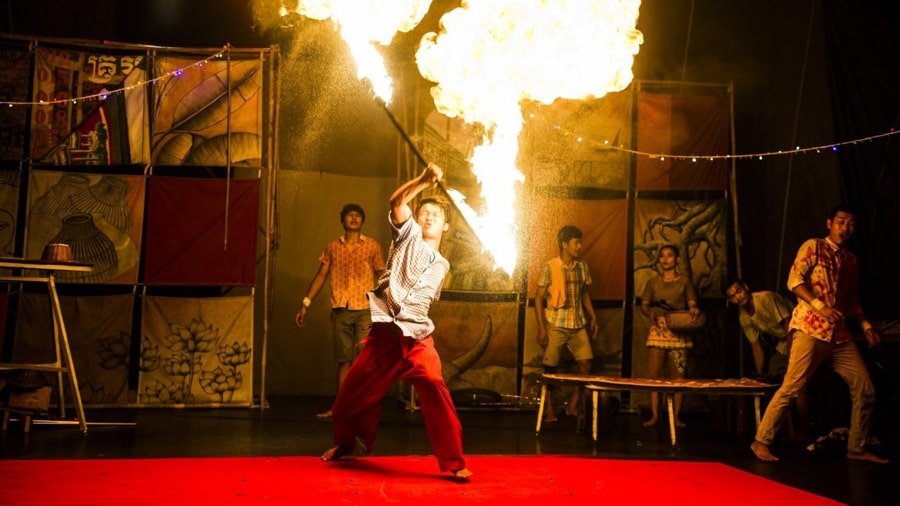
But without a doubt, one of the most enjoyable experiences of being in Watertown is taking in a show at the Phare “Big Top” circus. Skilled students from PPS use their talents in acrobatics, dancing, music, juggling, and drama, incorporating Cambodian history, folktales, or social issues into their performances that show the rich depth of their productions. There’s pure excitement in this one-hour show that includes spectacular aerial displays, drama, live music, and lighting that’s truly breathtaking. Indeed, every ticket purchased supports education for underprivileged youth.

Big Top Circus Show In Phare Ponleu Selpak

Arts & Visual Gallery

Taking a stroll through the art studios and galleries at PPS will give you a glimpse into the contemporary arts scene in Cambodia. You will see paintings, drawings, sculptures, and designs produced by young artists who express their creativity through hope. There is also a boutique on-site, allowing you to take home some meaningful pieces that will give back to the artists.

Music, Dance, and Circus Workshops

However, if one wishes to move beyond observation and participate, there’s much that the PPS provides through their workshops in circus arts, traditional as well as contemporary music, dancing, painting, and other forms. Such workshops provide an insight into the skill sets of Cambodian artists. Such hands-on experience in Battambang helps one better appreciate the effort that goes into every performance.

 Music and Dance In Phare Ponleu Selpak

Campus Tour – Learn the Story Behind the Art

Taking a guided tour of the PPS campus will give you a behind-the-scenes look as you visit rehearsal spaces, meet some students, and explore the purpose behind this organization’s establishment. You will learn more about the history of PPS, from its humble beginnings as a group that helped children overcome hardship and war through art, to its evolution as a cultural leader.

5 Unforgettable Experiences You Shouldn’t Miss

Phare Ponleu Selpak is more than an arts school, as it is a dynamic creativity, culture, or performance center. By visiting this place, you will be able to see the strength and creativity of Cambodia’s culture, as well as its performances, most of which come from the youth.

Watch the Phare Circus Performance

Phare Ponleu Selpak’s circus is globally renowned for its dynamic and moving shows. With acrobats, jugglers, clowns, and dancers who use traditional Cambodian tales alongside modern choreography, often expressing the stories of history, family, and hope, the performers of this troupe largely consist of students who have been extensively trained in their craft. By arriving early, you will be able to explore the space as well as the troupe’s preparation session backstage.

Watch The Phare Circus Performance

Explore the Visual Arts Studio

In Phare Ponleu Selpak, there are gifted artists from Cambodia, whose artwork is often inspired by their own experiences or represents social issues. You can explore the artwork studio, walking through the facility, so you can observe some of the artwork being produced, such as paintings, drawings, or sculptures. You can interact with the artists, as they might want to talk to you, explaining their artwork. There is the option of buying artwork as a souvenir.

Participate in a Music or Dance Workshop

Workshops on music, dance, as well as exhibitions of Khmer instruments, music, and traditional Khmer dances, are also being conducted. Participants would be able to experience playing Khmer music with traditional instruments such as the ‘roneat,’ which is a form of xylophone.’

Others would be able to learn traditional Khmer dances. Workshops would be conducted under the guidance of experienced tutors who show a strong passion for Khmer performing arts. Taking part in this activity would allow participants to appreciate the hard work that goes into every single stage show.

Participate In A Music Or Dance Workshop

Visit the Social and Educational Programs

Apart from its focus on the arts, Phare Ponleu Selpak also involves other programs that offer education and social services for disadvantaged children. You can gain knowledge of the different programs offered, such as education classes, training, and other community projects. This aspect gives valuable insight into the use of art as a form of empowerment. Getting involved with different projects, albeit temporarily, will give you a better sense of the effects that PPS has on the community.

Shop for Handmade Crafts and Souvenirs

There is a shop within the school where you can purchase crafts, jewelry, artwork, as well as textiles produced by the students. This is significantly valuable as every product represents the expertise developed within PPS. By buying this merchandise, you will be contributing directly to the students. Exploring this shop gives you a chance to see the details involved in the artwork, as well as the story behind every product. This is a perfect method of taking home pieces of Cambodian culture.

Entrance Fee

Seating at Phare Ponleu Selpak is available for every type of audience budget and taste. It offers a range of ticketing options, from standard to premium VIP seats. Tickets vary by seating category (e.g., standard or premium VIP). Price comparisons between all sections are available upon request.

Note: Children over the age of 12 are charged as adults; children between the ages of 0-11 will not be charged. All ticket prices are subject to change due to the current foreign exchange rate and/or seasonal changes in ticket sales.

Ticket Type Price (USD)
Adult (age 12+) Children (age 5-11)
Section A 38 USD 18 USD
Section B 28 USD 15 USD
Section C 18 USD 10 USD

Opening Hours

Phare Ponleu Selpak is open every day, with two major visiting phases: from 8:00 AM until 12:00 PM and from 2:00 PM until 8:30 PM. The ideal times for your visit would be during Phare’s evening shows, where you will see amazing performances from Phare’s circus called “Big Top” featuring amazing performances featuring live music, wonderful acrobatics, and spectacular lighting.

Phare Ponleu Selpak is open every day,

If you are interested in visiting workshops, galleries, or taking tours of the campus, then you will be able to visit the studios, boutiques, and exhibitions with no crowds if you come in the early morning hours. The peak tourist season in Battambang is between November and February, when the climate is cooler and drier, thus making it easier to explore the campus and partake in outdoor activities. Although you still have the chance to visit outside of these months, you can expect higher temperatures and occasional rain during this time.

How to Get to Phare Ponleu Selpak

Getting to Phare Ponleu Selpak in Battambang is relatively convenient, whether from within the city or from other nearby cities. To this destination, travelers may use tuk-tuks, taxis, as well as motorbikes, which provide a flexible means of transportation.

From the city center of Battambang: Taking a tuk-tuk ride will only take about 10–15 minutes, with a fare of $2-$5 USD. Motorcycles or bicycles are also a good option, giving you the flexibility of exploring the city along the way.

From Siem Reap or Phnom Penh: You can take a bus or private car to Battambang, which takes approximately 4-5 hours from Siem Reap, or 6-7 hours from Phnom Penh. Once in Cambodia, you can then use tuk-tuks or taxis that will take you directly to the campus of Phare Ponleu Selpak.

Things to Know Before Traveling to Phare Ponleu Selpak

Going to Phare Ponleu Selpak is a unique experience that brings together a global-quality circus show with Khmer culture. It’s essential that you plan ahead so that you can maximize your trip, taking in the lively culture that Battambang provides.

  • Make sure you arrive well before the show, preferably a minimum of 30 minutes prior, so that you can reserve your seat.
  • Phare Café & Phare Boutique are open 3 hours before the show. You will be able to enjoy some Cambodian street food as well as shop for some souvenirs.
  • Sections A or B provide the best views of the stage, although some seating in Section C may be partially obstructed by support columns.
  • Taking photos is permitted before the show as well as during intermission. However, taping the show is not allowed.
  • There’s free admission for children aged 0-11, but ages 12+ must pay adult rates.
  • You may want to bring some cash with you if, for example, you would like to buy some snacks, beverages, or souvenirs.
  • Check the schedule of performances in advance, esp. during holidays or festival seasons, so as not to watch a sold-out show.

FAQs About Phare Ponleu Selpak

Before visiting Phare Ponleu Selpak, many tourists wished to learn more about their performance, ticketing, as well as their expectations while on site. Below are several of the most commonly asked questions to help facilitate a hassle-free and enjoyable experience.

How Early Should I Arrive Before the Show?

It’s recommended to arrive at least 60-90 minutes before showtime. Phare Café and Phare Boutique open three hours prior, so you will have adequate time to have a meal and/or browse local artisan crafts. Guests can begin seating in the Big Top 30 minutes before the start of the show, and no one will be admitted to the show once it has started.

Are the Shows Suitable for Children?

Most shows are family-friendly, providing entertainment for families throughout their lives. Children love the combination of acrobatic tricks, musical performances, and story lines. Children up to 11 years old can attend free of charge; children aged 12 or older are required to pay full price for adult tickets.

Phare Ponleu Selpak shows suitable for children

How Long Does a Typical Show Last?

A typical circus performance hosted by Phare Ponleu Selpak would be approximately one hour long. The show is a fast-paced, continuous performance filled with high energy, humour, and drama, highlighted with impressive physical talent. Most audience members report that the show passes very quickly because it is a very entertaining event.

Final Thoughts: Is Phare Ponleu Selpak Worth Visiting?

When you visit Phare Ponleu Selpak in Battambang, it’s a chance for you to experience culture uniquely through creativity and storytelling while supporting young artists. Whether it’s through captivating circus performances or getting right up close to local arts and workshops, when you visit, you help support talented young people in their pursuit of artistry. Make sure to include seeing Phare Ponleu Selpak as part of your Cambodia visit, and remember to book your visit with Seni World.

Explore Wat Ek Phnom’s Sacred Pagoda And Angkorian Ruins

Located just outside of Battambang, Wat Ek Phnom is an 11th-century temple and is known for being one of the Angkor-style temples. It offers a peaceful atmosphere, with a great setting for those who love to take pictures.

Introduction to Wat Ek Phnom

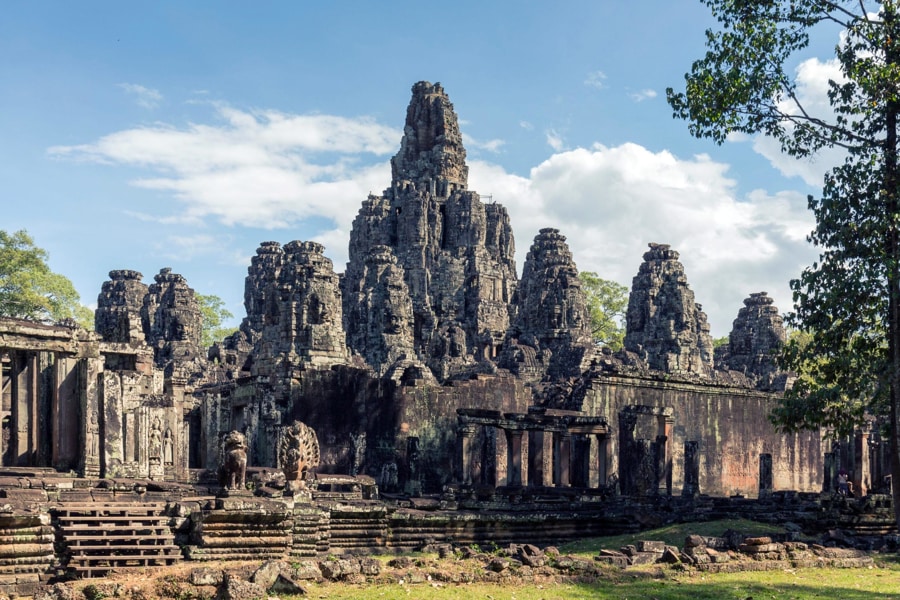
Wat Ek Phnom is a temple ruin dating back to the 11th Century from the Angkorian period. It is located north of Battambang, 10-13 km on the Sangkae River bank. This temple was constructed during Suryavarman I’s reign and was a Hindu religious site long ago, but centuries of being destroyed and repaired have resulted in the loss of most of the structure’s materials. The remaining buildings, carvings over the entrances, and decorative stone carvings display the original magnificence of the site.

Wat Ek Phnom is a temple ruin

Today, Wat Ek Phnom is a point of interest not just for historical reasons, but also spiritually and in terms of tranquility. Next to the ancient ruins is a contemporary Buddhist pagoda and a white hand-carved sculpture of Buddha, side by side, demonstrating the transition between two distinct types of religious spaces in Cambodia throughout the centuries. Locals and visitors come to Wat Ek Phnom to walk, admire the stone carvings, or sit in the shade of the Bodhi trees, making this temple a popular and beautiful place in Battambang.

History of Wat Ek Phnom

The temple was built in the early 1000s during the reign of Suryavarman I, and it represents a period in the history of the Angkor temples of northwestern Cambodia. The temple was originally built on a sandstone platform with several prasats, shrines, or small towers on it, enclosed by the laterite walls of a central sanctuary, surrounded by a water reservoir (baray).

While much of Wat Ek Phnom has been destroyed, the remaining towers and lintels still contain many detailed carvings of Hindu mythology and bas-reliefs representing a variety of mythological themes, including the famous “Churning of the Sea of Milk”.

The temple was built in the early 1000s

Over the years, a modern Buddhist pagoda has been constructed near the ancient ruins, which includes a large seated Buddha statue and a sacred courtyard lined with Bodhi trees. Today, Wat Ek Phnom remains an important part of the Khmer Empire’s architectural heritage and is a living place of worship and pilgrimage for local people, especially on festival days.

Top 3 Iconic Attractions in Wat Ek Phnom

At Wat Ek Phnom, you’ll find a wonderful mixture of Buddhist art and ancient Angkorian culture. Below are some of the most important things to see and experience while visiting this unique complex.

Giant Seated Buddha Statue (abhaya Mudra)

When you first enter Wat Ek Phnom, you are greeted by a massive statue of a seated Buddha. It is so large that you can’t help but be amazed by its height and calming appearance. Above the Buddha’s head, you will notice his right hand extended outwards with the palm facing upwards in what is called the Abhaya Mudra. This is the Indian gesture of fearlessness, protection, and courage, and symbolizes an important moment after the Buddha attained enlightenment by giving peace and comfort to all living things.

Giant Seated Buddha Statue (Abhaya Mudra)

As you stand before this awe-inspiring statue, many people find their anxiety calms down, and they feel more spiritually grounded. In addition, the area surrounding the statue provides a good background for taking photos and meditating before proceeding through the rest of Wat Ek Phnom.

Ek Phnom Pagoda (modern Buddhist Temple)

Walking a short distance will lead to the Ek Phnom Pagoda, which is a very colorful, functioning Buddhist temple. It has all the classic features you would expect to see in a Cambodian pagoda – a tall, elaborate roof and elaborate decorations. The prayer hall contains lots of beautiful frescoes that illustrate various aspects of Buddhist beliefs, such as the life of the Buddha and various moral parables that have been handed down from generation to generation.

The many visitors to the temple throughout the day create an exciting cultural vibe at this site. Visitors also have the ability to see how people carry out their daily spiritual practices and to see firsthand the continuing practice of Khmer Buddhism.

Ancient Ek Phnom Temple (11th-century Angkorian Ruins)

The older Ek Phnom Temple lies in front of the new pagoda, an old, partially ruined Hindu temple built around the 11th century for King Suryavarman I. The Angkorian temple has large sandstone towers surrounding a massive baray, which demonstrates the ingenuity of Khmer engineering.

Ancient Ek Phnom Temple (11th-Century Angkorian Ruins)

Although time, theft, and degradation from nature have taken their toll on this site, parts of the temple have survived, and the depictions and stylised carvings are intricate. The combination of fallen stone and unused carvings gives visitors to the temple an insight into the place’s historical importance as a sacred building within the context of Cambodian cultural history.

4 Unforgettable Experiences You Shouldn’t Miss

A trip to Wat Ek Phnom provides a stunning combination of ancient Khmer architecture, a peaceful countryside lifestyle, and cultural interaction. Below are some experiences that will give you a real essence of this temple complex.

Discover the Ancient Ruins of Wat Ek Phnom

Taking a walk through the remains of Wat Ek Phnom gives one the experience of traveling back almost a thousand years to the times of the Angkor civilization. Looking through the stone sculptures that still stand, as well as the fallen pieces of other structures, gives one insight into the Khmer culture as well as Hindu mythology. Taking a stroll through the corridors gives you insight into the preserved lintels, bas-reliefs, as well as the pillars that still display remnants of their original artwork.

Visit the Modern Pagoda and the Giant Buddha

Statue Right next to the ancient ruins lies a breathtaking modern pagoda, thus providing a wonderful contrast between the ancient roots of Cambodia and its current spirituality reflected in its Buddhism. The pagoda is celebrated for its colorful paintings that depict episodes from the Buddhist teachings. However, the most impressive thing that must be seen there is the huge statue of the sitting Buddha with its eyes cast upon nature, representing peace in the hearts of the locals.

Enjoy the Quiet Countryside Around Wat Ek Phnom

The temple is set amidst Battambang’s rural landscape, with rice fields, palm trees, and quiet village roads. After visiting the ruins, you can have a leisurely walk or bicycle ride around the area to experience the authentic life in the countryside.

Enjoy The Quiet Countryside Around Wat Ek Phnom

You will see farmers tending to their fields or children playing near the water, and locals traveling by bicycles or motorbikes. The area is beautifully set, especially in the late afternoon when golden light reflects onto the landscape. This soft, serene countryside landscape of Cambodia is timeless in its appeal, which you should add to your to-do list in Battambang.

Take Breathtaking Pictures During the Golden Hour

The best places in Battambang to capture golden-hour images are definitely Wat Ek Phnom. The warm, golden tones at the time of sunset or right after dawn make the textures of the ancient stone walls stand out, with dramatic shadows across the ruins. Even the modern Buddha statue and lotus ponds surrounding it become very photogenic during that time.

Many travelers prefer to arrive early or stay until late afternoon to enjoy the peaceful atmosphere and capture memorable snapshots. Whether you’re a professional photographer or using your phone, the light here doesn’t often disappoint.

Entrance Fee

Visiting Wat Ek Phnom does not require an entrance fee, which makes access easy and affordable for travellers in Battambang. You can admire the large Buddha statue, explore the pagoda, and view the remains of ancient temples all for no charge! If you would like to help maintain the site or offer your support to the local community, a small donation is welcome.

Wat Ek Phnom does not require an entrance fee

Best Time to Visit Wat Ek Phnom

Battambang’s dry season is the best time to explore the ruins of Wat Ek Phnom, as the cooler weather creates a much more pleasant experience for walking around the site. The dry season has the advantage of lower humidity, more comfortable temperatures, and more stable weather; however, the most attractive aspect of this season may be the availability of clearer skies for photos.

Dry Season (November-April)

The dry season is the best time of year to visit and will provide comfortable temperatures, low humidity, and dry conditions for walking around the temple complex. The landscape will be lush and green immediately after the rainy season, adding beauty to the already beautiful temples. Early morning and the later part of the afternoon provide the softest light and cooler temperatures for taking photos.

Hot Season (March-May)

While still considered part of the dry season, the hot months can reach 35 degrees Celsius or higher. If you choose to visit during this time, it is important to bring plenty of water, wear light clothing, and plan on going to the temple in the early or late part of the day in order to beat the heat during the middle of the day.

Rainy Season (May-October)

Although it is possible to visit Wat Ek Phnom during the rainy season, it is difficult to explore the temple due to the mud and sudden rain. The rainy season produces a beautiful green countryside and certainly has its beauty for those who enjoy the occasional downpour.

How to Get to Wat Ek Phnom

Getting to Wat Ek Phnom is easy, whether you’re staying in Battambang city or travelling from other areas of Cambodia.

By Tuk-tuk

Your best option for getting to Wat Ek Phnom is by tuk-tuk or by motorbike, located approximately 11 kilometers north-west of Battambang City (20-25 minutes). Tuk-tuk drivers charge approximately $5-$8 USD for a round trip, and you can rent motorbikes for approximately 5-7 USD per day.

By Bicycle

Cycling from Battambang may be an aesthetic way to travel, as the roads are flat and run through rice fields and local villages. Cycling takes about 40-50 minutes, depending on how fast you ride.

By Private Car or Taxi

Renting a private vehicle or taking a taxi provides you with more convenience and flexibility when travelling as a group. You can expect to pay about 20-30 USD for a round trip, and this is also a great option if you want to visit nearby attractions such as Phnom Banan or local villages the same day.

Things to Know Before Traveling to Wat Ek Phnom

Before heading off to Wat Ek Phnom, some background knowledge of the temple’s surroundings will serve you well. What follows represents some tidbits that travelers often don’t know, gleaned from their experiences.

  • Come here early in the morning or towards the end of the afternoon. This will not only save you from the scorching sunlight, but you will also be able to enjoy the golden sunlight that accentuates the ruins beautifully.

Ancient Ruins of Wat Ek Phnom

  • Wears strong, comfortable footwear, as the temple floor consists of uneven stones, loose pieces, as well as slippery steps, especially where the temple has collapsed. Sandals may not offer sufficient grip.
  • It’s better if you come with water and enough protection from the sun, such as sunscreen and a hat. There isn’t much shade along the trail.
  • Combine your visit with the nearby pagoda, like Wat Banan and Phnom Sampeau. If visiting, be respectful (cover your shoulders and knees) and conduct yourself quietly near worshippers.
  • Be prepared for basic surroundings, as Wat Ek Phnom is situated in a village with basic facilities. Food stalls may emerge on weekends, but it is always best to bring your own.
  • Be aware of youngsters selling bracelets or other merchandise, as this is often seen near the entrance. “No, thank you” will do it if you do not want to buy it.
  • You can hire a tuk-tuk or a bicycle if you would like a ride through the countryside. It’s a beautiful path that goes through the countryside with some bumps along the way.

Final Thoughts: Is Wat Ek Phnom Worth Visiting?

Wat Ek Phnom is definitely a place that you must visit if you seek a peaceful, atmospheric temple with a blend of Khmer architecture and a connection with nature. Although partially demolished, this temple with its massive Buddha image situated along the river will provide a historical as well as a sacred background. You will also enjoy fewer crowds compared with other popular temples. With Seni World, you will experience a well-organized Cambodia trip as you explore different itineraries.

Phnom Sampeau Travel Guide – From Killing Caves To Temple Views

Phnom Sampeau, situated near the town of Battambang, is a truly spectacular tourist destination characterized by its beautiful scenery, historical caves, and rich wildlife. Travelers can explore ancient temples and see thousands of bats emerge from their roosts

Introduction to Phnom Sampeau

Phnom Sampeau, near the town of Battambang in Cambodia, is a breathtaking example of a limestone hill that emerges impressively from the rice paddies that cover this area. With its spectacular views, natural scenery, and quiet, natural environment, this destination provides a welcome relief from the hustle and bustle of the city. It is its peculiar shape, likened to the body of a ship, that gives this destination its landmark status.

Phnom Sampeau is a breathtaking example of a limestone hill

It is a natural wonder as well as a historical site. Inside its caves, there are the ‘Killing Caves,’ which are a historical reminder of the Khmer Rouge regime, preserved in memory of those who lost their lives. It is also well known for its nightly show, where thousands of bats emerge from their resting places every evening.

History of Phnom Sampeau

Located in the province of Battambang, Cambodia, Phnom Sampeau is a place of scenic beauty, yet it holds great historical importance for inhabitants of the area. It serves as a major pilgrimage destination for local residents due to its multiple sacred shrines and caves.

During the time of the Khmer Rouge rule (from 1975 until 1979), many innocent Cambodian lives were taken inside the caves and pits located at the top of this mountain. Although today, these are memorial sites where one can learn more about the deaths of these individuals and offer their respects to those who lost their lives, they remain cultural and historical landmarks for the Cambodian population.

Top 5 Iconic Attractions in Phnom Sampeau

What makes Phnom Sampeau so unique is its mix of natural, historical, and spiritual attractions. At this site, travelers can see a series of temples, caves, and memorials, as well as enjoy panoramic views of the city of Battambang.

Temple of Phnom Sampeau

A trip to Phnom Sampeau will not be considered complete if one fails to climb up to the temple situated on top of the hill. This is achieved either through the stairs, which consist of some 700 stairs requiring a climb of one hour, or the cement path that is suitable for motorbike use. Once you climb to the top, the temple offers a spiritual moment as well as stunning views of the rice field landscape of Battambang.

Temple of Phnom Sampeau

Pkasla Cave

This is a natural feature that is found halfway up the mountain. Inside, there are Buddhist altars, with statues that give visitors the chance to view intricate designs as well as pray. It is also inhabited by thousands of bats that come out at sunset, providing a breathtaking feature associated with the rich wildlife on the mountain.

Lakhaon Cave

Lakhaon Cave is renowned for its historical as well as cultural value. Historically, this cave was used as a stage for performances in the traditional form of drama, as seen in festivals, and today this cave retains some remains of carvings as well as offering sites.

Aksopheak Cave (killing Caves)

Aksopheak Cave, also known as one of the killing caves, preserves a somber memory of the Khmer Rouge victims, who were slaughtered within this cave. What can be experienced here is the commemorative area, bones, and other monuments erected in memory of the lost lives. Going through this cave gives a reminder of the tragic history of Cambodia.

Aksopheak Cave (Killing Caves) In Phnom Sampeau

Historical Sites on the Mountain

In addition, on this mountain, there’s a historical artifact that provides a sharp contrast in terms of its historical importance compared with the spiritual, cultural aspects that Phnom Sampeau represents. Historically, this place is more associated with its links to world events.

5 Unforgettable Experiences You Shouldn’t Miss

Phnom Sampeau is a place that perfectly combines history, culture, and nature. At this destination, visitors can see sacred caves, discover the history of Cambodia, observe the impressive wildlife, as well as enjoy a panoramic view of Battambang.

Explore the Killing Caves

The Killing Caves, or Chhouk Cave, offer a somber reminder of the atrocities committed by the Khmer Rouge. Here, you can expect to see tributes, bones, and shrines in memory of those who died. This is a moment for reflection as you make your way through the caves. Photography is permitted in some parts, but care should be taken that this is done with some reverence. History, reflection, and education come together as this activity leaves all visitors with one of the truly lasting experiences in Battambang.

Explore The Killing Caves

Visit the Buddhist Temples

There are a number of peaceful Buddhist temples situated atop Phnom Sampeau, showcasing traditional Khmer architecture. At the temple, there is intricate door carving, Buddha statues, as well as quiet places for meditation.

One can watch the monks as they conduct their daily rituals or participate in the quiet prayers for spiritual reflection. Such serenity gives a much-needed reprieve from the intensity experienced within the historical places, allowing the visitor to relate to the spiritual side of Cambodian culture. Climbing up the top is also rich in rewards, as one gets a peek into the lush sights along the way.

Appreciate the Sunset View

At the top of Phnom Sampeau, you will be treated to spectacular views of Battambang. Indeed, the sunset here is breathtaking, with golden light illuminating the green hills and winding rivers. People usually stop here for some peace and quiet as well as to take pictures of nature. Indeed, this would be an ideal place for some reflection or simply taking in beauty. Having reached this height, with such views, as well as this peaceful environment, this would surely be a highlight of any trip to Phnom Sampeau.

Appreciate The Sunset View from the top of Phnom Sampeau

Discover the Bat Caves

Among the most popular attractions found in Phnom Sampeau is its bat caves, where thousands of bats reside. During sunset, the bats emerge from their habitats in massive quantities, giving spectators a breathtaking display of nature’s splendor. Organized tours like Seni World can provide information on the bats’ habits, allowing one to appreciate this nature-inspired wonder.

Discover The Bat Caves in Phnom Sampeau

Thousands of bats will fill the sky as they emerge from their habitats, giving observers a once-in-a-lifetime experience that is both exhilarating and entertaining. Make sure that you do not forget your binoculars or cameras.

Learn About Local Culture

The vicinity of Phnom Sampeau provides opportunities for travelers to experience the culture of the surrounding villages. By interacting with the villagers, one will have a deeper insight into the culture and traditions of the people of Cambodia, particularly in the vicinity of Battambang.

Interacting with the culture will provide a rich experience, especially if one gets the opportunity to explore the historical aspects as well. This will allow travelers to experience the best of Cambodia, both in terms of its rich history as well as its culture.

Entrance Fee

All visitors can enjoy the beauty and history of Phnom Sampeau without paying an entry fee. Although it is not required for entry into Phnom Sampeau, it has become customary for visitors to make small offerings, like flowers or incense, at the memorials as a way to show respect for the people who died in this horrific event in Cambodian history. It is a personal way for visitors to pay their respects and honour those who lost their lives during the sad period in Cambodian history.

Best Time to Visit Phnom Sampeau

Phnom Sampeau, located in Cambodia, is best explored from November through February in Battambang. During these months, it will be cooler and provide a comfortable atmosphere to do sightseeing, with clear skies, milder temperatures, and easy access to the mountain trails and caves.

August is another period to visit Phnom Sampeau, especially if you’re interested in eco-tourism activities. This month allows you to see and experience the area’s natural scenery and the many species of animals that live there, along with all the outdoor activities. Overall, if you plan to go to Phnom Sampeau during these periods, you will have an enjoyable and safe experience.

How to Get to Phnom Sampeau

Phnom Sampeau can be reached easily from the city of Battambang, so many visitors choose this destination as a day trip. Depending on your choice, you can come here by motorbike, car, tuk-tuk, or even on foot.

From Battambang City

It is situated some 12km from the city center along National Road 57 in Sampeou Commune. You can take a tuk-tuk or taxi for about USD5-10 one way, depending on your negotiations. Motorbike rentals would give you more flexibility, with costs estimated at USD8-12 per day, enabling you to visit some of the villages along the way.

From Battambang City To Phnom Sampeau is 12 km

Climbing or Riding Up the Hill

In order to climb up Phnom Sampeau, you will have the option of walking 700 stairs or taking a motorbike ride up the paved path. Walking, however, will take you approximately 1 hour, whereas the cost of motorbike transport will be in the range of $3-$5 per person, depending on the mode that you would like to take.

Things to Know Before Traveling to Phnom Sampeau

Before heading off to Phnom Sampeau, there are a number of things that might be helpful for you to know. These tips will give you some important information that will allow you to have a more enjoyable trip.

  • Wear proper footwear, as caving as well as walking up the hill may be tiring.
  • If you choose to explore some of the more cave-like areas, you may want to bring a flashlight.
  • You may want to carry some water as well as some light snacks if you visit during the summer. Also, you can taste some delicious food in Battambang during your trip to Phnom Sampeau.

delicious food in Battambang

  • Be mindful of cultural practices, particularly in places of worship such as temples, by dressing modestly.
  • Come in the late afternoon so that you can see the spectacular display of bats leaving their cave at sunset.
  • Be wary of monkeys in the entrance area, as they may be interested in taking something that isn’t securely fastened.
  • You may hire a guide if you would like more information on the history, caves, and background of Phnom Sampeau.

FAQs About Phnom Sampeau

Phnom Sampeau is a historical and cultural point of interest in Battambang that attracts visitors interested in exploring the natural features as well as its history. Below are some FAQs that will give you relevant information on the place.

What is the Difficulty Level of Climbing Up Phnom Sampeau Mountain?

However, visitors may choose to climb the stairs leading to the hilltop, which consists of a total of 700 stairs, taking them from 45 to 60 minutes, depending on their speed, or choose the motorbike that will take them up the cemented road.

Buddha statues at the top of Phnom Sampeau

Can One Visit the Killing Caves?

Indeed, the Killing Caves can be visited, with a detour of some 250 meters from the main road that leads to the peak. Historically, mass graves existed in the form of caves, established in the time of the Khmer Rouge, but they were converted into commemorative sites in memory of the victims. Careful silence, conduct, and decorum must be exercised as one takes a visit through the historical site.

Could a Family Visit Phnom Sampeau Together?

Yes, families can visit Phnom Sampeau. However, all children will need to be watched closely when they are around steep cliffs, caves, or rocky stairs. This experience can provide education about the history of Cambodia, as well as an opportunity to embrace the scenic countryside, beautiful wildlife, and participate in activities that will attract every member of your family.

How Much Time Will My Visit Take?

The visit to Phnom Sampeau lasts two to four hours, depending on whether you take the stairs, enter the caves, or admire the views from atop the mountain. And if you want to take guided tours and capture pictures of the scenery, you will need extra time. If you visit in the late afternoon, you can enjoy cooler temperatures and catch glimpses of the sunset over the surrounding area.

Final Thoughts: Is Phnom Sampeau Worth Visiting?

Natural beauty, history, and culture blend together in this unique destination that lies not so far from the city of Battambang. Explorers of the site of Phnom Sampeau will be able to see many stories as they walk through this destination, as the limestone cliffs with the dark caves hold the history of the Cambodian people. With the sunset, bats will venture out of their dwellings in search of insects, providing a breathtaking display that can be witnessed from different spots. Do not pass up this destination, as Seni World will give you more than enough information on how to do so.

Wat Banan: Explore Cambodia’s Ancient Angkor-Style Temple

Wat Banan in Cambodia is a captivating Angkor-era temple complex. Visitors can admire its ancient architecture, intricate carvings, and panoramic views of rice fields, rivers, and villages, making it a must-visit cultural and historical site.

Introduction To Wat Banan

Located just over 20 kilometers south of Battambang on a hilltop, Wat Banan is an impressive five-tower temple, reminiscent of the grandeur of Angkor Wat. Its elevated position provides sweeping views of the surrounding lush green fields of rice, tranquil forests and valleys, and meandering rivers. The soft, almost surreal experience of walking up a long stairway through shade from ancient trees electrifies visitors while bringing them a sense of serenity and calm, allowing them time to relax and appreciate the tranquil ambience that surrounds them as they make their ascent to the temple complex.

Wat Banan Located just over 20 kilometers south of Battambang on a hilltop

When you visit Wat Banan, you can experience Cambodia’s historical significance through the weathered carvings, sacred shrines, and many centuries of artistic architecture that continue to endure. Visitors can find peace and tranquillity at the temple since it is relatively quiet and does not draw the tourist crowds. The combined attributes of spirituality, natural beauty, and rich history make Wat Banan an unforgettable experience, easily making it a highlight of any travelling experience in Battambang and beyond.

History Of Wat Banan

The construction of Wat Banan began in the 11th century during the period of King Udayadityavarman II and continued into the 12th century under King Jayavarman VII. Wat Banan was designed following the general principles of the Angkor period, with many characteristics similar to those of Angkor Wat, but smaller in scope; thus showing the advanced skills of the Khmer Empire.

The construction of Wat Banan began in the 11th century

Wat Banan is primarily constructed using sandstone and is decorated with ornate carvings on its walls, columns, and reliefs. All the carvings are elaborately detailed and represent the craftsmanship and creativity of Khmer artisans, who have preserved the legacy of Cambodia’s culture through the use of various stories and symbols found within the carvings.

Wat Banan still remains as a worship site and attracts the dedication of the local population. The temple continues to be used for many types of religious ceremonies, and remains a place that is meaningful to the community as well as to many visitors who come to Cambodia for the purposes of learning about and experiencing the spiritual history of Cambodia.

Unique Architecture Of Wat Banan

Located on a 400-meter mountain, the Banan Temple (also known as Wat Banan) is accessed by climbing around 300 stairs. The view from the temple is 360 degrees of the Sang Ke River, rice fields, sugar palm trees, and surrounding villages. Banan Temple is one of the best preserved structures built during the time of Angkor and has withstood decades of natural decay and human destruction, but still reflects an architectural style from that period.

Carvings and Stone Reliefs of the Banan Temple

Main Temple Structure

Five towers “or are the five major towers of the temple’s site,” with Central Tower being the largest, tower, and all five of “the towers are being made up of beautiful carvings” in addition to the designs of numerous different types of apsara (goddesses), the most representative of that tower design, has succumbed to countless natural catastrophes, the majority of which have occurred throughout the many centuries that the towers existed.

Unique Architecture Of Wat Banan

The central tower’s equivalent architectural form has been adopted by each of the five towers, and symmetry is also prevalent throughout the designs, giving an overwhelming feel of solid architectural size. Thus, the similarities to the architectural design similarities with Angkor Wat produce a spectacular view toward the front elevation of each tower.

Carvings and Stone Reliefs

The intricate carvings adorning the walls and columns in both towers demonstrate the skill of Khmer artisans. The detailed floral or mythological designs of all of the relief carvings illustrate famous events within Khmer culture and provide insight into their beliefs regarding culture and religion as they pertain to each particular structure.

Stone Reliefs in Wat Banan

Temple Layout

Visitors can discover an assortment of smaller buildings located around the outside of the main Tower, including a walk through courtyards, stairs, and terraces, and, ultimately, appreciate the incredible visual balance of the Design and Structure of the Temple up on the Mountain.

Nearby Attractions: Prasat Banan Vineyard

The Prasat Banan Vineyard lies in proximity to the temple, and it is now a beautiful vineyard in Cambodia. Tourists visiting the temple can add to their trip by participating in grape harvests or wine tastings, which will provide tourists with both cultural and leisure activities not commonly found together.

5 Unforgettable Experiences You Shouldn’t Miss

Visiting Wat Banan will allow you to experience much more than just incredible historical architecture; you will have the chance to explore the natural environment and to learn about the cultural traditions of the area. When visiting Wat Banan, it is important to take advantage of the many different experiences it offers.

Climb About 300 Ancient Stone Steps To The Hilltop Temple

The journey to the top of Wat Banan starts at the base, up 358 steep stone steps, overgrown with moss, leading to the temple at the peak. On your way up, you will walk through dense vegetation, on shaded paths, and see the rolling hills below you in several places. The journey can be a challenge, which adds to your to-do list in Battambang.

Climb About 300 Ancient Stone Steps To The Hilltop Temple

As you come to the temple, after almost 1000 years of surviving the natural elements, the feeling of accomplishment is tremendous, and coupled with the gentle breeze, the beauty of Wat Banan makes every step worth the effort.

Explore The Five Tower Sanctuaries

The landscape consists of five exquisite, aged stone towers arranged in a configuration resembling the traditional Angkor Wat design, each carved from sandstone, depicting Khmer mythology, and rich in ancient symbolism and tradition through their carvings. Although many of the towers have experienced collapse over time, their status merely enhances the timelessness of the temple.

As you walk around the temple, observe the beautiful silhouette of the towers in front of you as they appear to touch the heavens. It is a great site for photographers and anyone who wants to envision the magnificence of the temple when it was originally constructed.

Enjoy The Panoramic View Of Battambang Countryside

The panoramic views of Battambang you get are breathtaking from the hilltop. The countryside is covered with rice fields in every direction and dotted with small villages, palm trees, and winding dirt roads. If you happen to be there when it is sunny, you will be amazed at how beautiful the land looks in the soft golden glow of the early morning or the last rays of sunlight in the evening.

Enjoy The Panoramic View Of Battambang Countryside

This serene rural view, among so many other reasons, draws people to Wat Banan for its unique beauty and cultural significance. Many visitors stop on the stone platforms to pause for a moment and take in the stunning views of nature.

Visit The Nearby Water Caves (La Ang Pracheah Meas)

Just a short distance away from the temple is another popular attraction: the water caves. The water caves are famous for their freshwater pools and other interesting underground formations, along with all of the legends surrounding them that local guides usually tell their guests.

Visiting the water caves provides a fun, wonderful, and refreshing alternative to visiting the temple when it’s especially hot outside. The temperature within the caves is relatively cool, and the sound of running water creates a quiet and relaxing environment. It is a surprisingly beautiful place for someone who wants to be outside in nature but enjoys more serenity away from the hustle and bustle of being in a temple.

Entrance Fee

To enter Wat Banan, it will cost approximately $1 to $2 USD for each person. The cost of the ticket supports the maintenance of the temple and grounds. A donation is not required, but if you would like to help with the preservation of Wat Banan or offer something to the temple, you are welcome to do so.

Best time to visit Wat Banan

The best time to visit Wat Banan is in the dry season from November to April in Battambang, when the climate is more conducive to outdoor activities and the terrain is lush from the rains.

  • Dry Season (November to April): During this period, there is less moisture in the air and fewer chances for rain. The coldest months of the dry season, December to February, tend to have milder temperatures, generally between 20°C to 30°C, which are ideal for exploring the temple complex, climbing the stairs, or enjoying the beauty of the countryside.

best time to visit Wat Banan is in the dry season

  • Hot Season (March to May): Temperatures begin to rise, often exceeding 35°C. While it is still possible to visit Wat Banan during this time, you will need to be prepared for the heat by taking plenty of water with you and scheduling all of your outdoor activities for early morning or late afternoon when the temperatures have dropped.

Visiting the temple complex in the early morning or late afternoon provides the best photographic light and the most comfortable experience while climbing the stairs. The wet season (April to October) features heavy rains, which cause the paths to become slippery. However, this season provides a very green and picturesque environment as long as you are willing to endure the occasional shower.

How To Get To Wat Banan

There is an easy way to reach Wat Banan and enjoy the scenic views along the way. Wat Banan is located approximately 25 km south of Battambang. The travel time is approximately 40 minutes, and the route takes you through beautiful rural scenery, lush green rice fields, and small cosy villages.

By Tuk-Tuk

The most common and authentic way to reach Wat Banan is to take a tuk-tuk (or motorbike taxi). Tuk-tuks have an open design that allows you to feel the fresh air while you take in the sights of everyday life along the rural roads. Tuk-tuks will wait for you while you tour the temple and generally charge you around 10 to 15 USD for your round trip.

travel by tuktuk in cambodia

By Taxi Or Private Car

Traveling via a private car service gives you the best opportunity for a smooth, comfortable ride. Air-conditioned and larger, this option is a great option if you have a family or a group and do not want to be stuck in the heat on the way from your hotel. The one-way price is generally $20-$30 with approximately 30-40 minutes of travel time. Most drivers will allow you to combine stops along the way, so you can see several other sites during your ride, such as Phnom Sampeau.

By Motorbike

By renting a motorcycle, you can travel at your own speed and take breaks whenever it suits you. The route to Wat Banan is easy to follow, but some portions of it may be dusty or bumpy depending on the time of year. Renting a motorcycle generally runs between $6 and $10 daily, which makes this option extremely affordable. If you like having the option to do as you please and being somewhat adventurous, this is definitely an excellent option.

travel in cambodia by Motorbike

By Bicycle

You can cycle to Wat Banan if you like to take your time and experience the journey. The ride there is approximately 1.5-2 hours long. In addition to being scenic, the route takes you along rural backroads as well as through villages. Although rewarding, it could be exhausting if it is hot outside.

Therefore, it is recommended that you bring along plenty of water and leave early in the morning so that you do not have to face the heat of the day. If you are an active adventurer looking for an environmentally-conscious way to see the country of Cambodia, this option should work for you!

Things To Know Before Traveling To Wat Banan

When planning your trip to Wat Banan, it’s a good idea to familiarize yourself with some key points that will help you enjoy yourself more, as well as make your journey easier. Below are several tips for getting prepared for the climb, understanding what type of weather to expect, and knowing some cultural customs in the area.

  • At Wat Banan, you will have to walk 358 steep stone steps, so make sure you are wearing comfortable shoes like sneakers or hiking boots.
  • The best time to visit Wat Banan is first thing in the morning or late afternoon because this will help you avoid the heat of midday and also provide better lighting.
  • When climbing Wat Banan, it is very hot, and there are not many shops after you start climbing, so take plenty of water with you.
  • As Wat Banan is an active religious site for locals, you should dress in a respectful manner.
  • Be cautious of monkeys at the bottom of the steps since they may come very close to you and grab any food or small things you have on you.
  • If you would like to learn more about the temple’s history and architecture, hire a local guide.
  • Make sure you bring cash to pay the entrance fee, and buy refreshments or snacks from local vendors.

Final Thoughts: Is Wat Banan Worth Visiting?

When in Battambang, Wat Banan is a great stop for those looking for a peaceful combination of cultural, historical, and natural beauty. The ancient towers of Wat Banan, combined with the tranquil environment at the top of the hill, along with the stunning country views, provide an overwhelming sense of peace. Climbing to the top of the temple is very gratifying, allowing visitors to enjoy the ambience and find appreciation for Cambodia’s cultural heritage. For a more enjoyable experience and easy travel in Battambang, consider using Seni World as your travel agency.

Bamboo Train Battambang: Scenic Rides Through Cambodia

The Bamboo Train in Battambang, Cambodia, offers a unique and thrilling experience. This traditional “norry” lets visitors ride on a simple bamboo platform along old railway tracks, while enjoying scenic countryside views and glimpses of local village life.

Introduction To The Bamboo Train Battambang

Cambodia’s Bamboo Train, or Norry (as it is called locally), offers an adventurous and practical attraction in Battambang. The Bamboo Train started as a mode of transportation for village communities and operated on railway tracks. The Bamboo Train uses old railway tracks with a small motor. When two Bamboo Trains meet, one is lifted off the track to let the other train pass, making it a fun and memorable ride. This quirky tradition demonstrates the community’s playful spirit and creativity.

Cambodia's Bamboo Train, or Norry (as it is called locally)

Traveling on the Bamboo train is a wonderful experience because it provides you with some time to soak up the beautiful countryside of Cambodia. The Bamboo Train travels slowly through lush green fields, rice paddy farms, and small communities, allowing you to take in the beauty of the area while enjoying the fresh air, melodious bird songs, and seeing daily life happening around you. Being on the bamboo train platform provides great pictures and a complete connection to the countryside.

History Of The Bamboo Train Battambang

Bamboo Train (or known as a Norry) was established in Battambang, Cambodia, during the early to late 1980s and early 1990s. Originally, it was used as an inexpensive way to transport goods and people over the existing railways, originally built by the French.

As the Bamboo Train grew in popularity, it evolved into an important mode of transportation for both tourists and locals, transporting both passengers and freight between Battambang and nearby towns. It is now primarily utilized for local tours of Battambang’s beautiful countryside along the same tracks used to carry freight and pass from one location to another.

Unique Architecture Of The Bamboo Train Battambang

The Bamboo Train in Battambang, also known as the Norry, is built from a large bamboo or wooden plank placed on a wooden frame fitted with wheels. This design resembles a flat platform on wheels that runs along the old railway tracks.

Bamboo Train is built from a large bamboo or wooden plank

The structure consists of a sturdy plank serving as the floor, supported by a wooden frame underneath that holds the wheels in place. The train is powered by a small gasoline engine, providing enough force to move it along the tracks. For stopping, it uses a simple braking system, usually a foot-operated brake controlled by the operator. Despite its simplicity, this ingenious construction allows the Bamboo Train to transport passengers and goods efficiently while offering a unique, hands-on travel experience.

5 Unforgettable Experiences You Shouldn’t Miss

Visiting the Bamboo Train in Battambang is more than just riding an unusual train. It’s an immersive experience that lets you see Cambodian ingenuity, explore rural life, and enjoy scenic landscapes. Each activity offers a chance to connect with local culture in a unique and memorable way.

Ride The Bamboo Train

The main highlight of the Battambang experience is riding the Bamboo Train, a thrilling and authentic activity. You sit atop a bamboo platform mounted on wheels, powered by a small gasoline engine, and glide along the old railway tracks. The ride can reach surprising speeds, with the wind rushing past and the countryside unfolding around you. It’s both fun and slightly adrenaline-pumping, giving you a firsthand sense of how locals once used this ingenious form of transportation. The simplicity of the train contrasts beautifully with the picturesque landscapes it crosses.

Ride The Bamboo Train Battambang

Visit Nearby Peaceful Villages

As the train travels through the countryside, you pass several small villages, giving you an intimate look at daily rural life. Children wave, farmers tend their rice paddies, and locals go about their routines in charming simplicity. Observing these moments offers insight into Cambodian culture beyond the cities. You may even interact with villagers, ask questions about their lifestyle, or see traditional practices still alive today, making the ride educational as well as scenic.

Observe Some Traditional Craftsmanship

Several stops along the Bamboo Train route allow visitors to see local artisans at work. Craftspeople skillfully manipulate bamboo, wood, and other natural materials to create everyday objects or decorative items. Watching them work highlights the ingenuity and patience involved in traditional Cambodian craftsmanship. Some artisans may even offer short demonstrations or allow you to try simple techniques yourself, giving you a deeper appreciation for these age-old skills and the effort behind each handmade creation.

Observe Some Traditional Craftsmanship

Take Photos Of Scenic Countryside

The ride provides countless opportunities to capture stunning photographs of the Cambodian countryside. You’ll see rice paddies stretching to the horizon, coconut palms swaying in the breeze, and quaint villages dotting the landscape. Morning or late afternoon rides are ideal for photography, as the soft golden sunlight enhances the colors and shadows of the scenery. Whether you are an amateur or professional photographer, the combination of traditional trains and lush landscapes creates a uniquely photogenic experience.

Experience The Local Market Atmosphere

Some Bamboo Train Battambang stops are home to small local markets, where villagers sell fresh fruits, handmade goods, snacks, and drinks. It’s a lively scene that adds another layer to your visit. You can sample Cambodian delicacies, interact with vendors, and purchase souvenirs that support the local economy. This adds a cultural and culinary dimension to the adventure, making the trip not only visually memorable but also rich in local flavors and traditions.

Entrance Fee

Visitors to the Bamboo Train located in Battambang can expect a unique experience with a round-trip ticket usually priced from 8 to 10 USD. The ride takes individuals through the beautiful rural environment of Cambodia, which includes beautiful rice farms and picturesque village scenes, thus giving them a real insight into life in rural Cambodia.

Best Time To Enjoy The Bamboo Train Battambang

In the dry season of November through April in Battambang, Battambang’s Bamboo Train offers the best opportunity for enjoyment. This is when it is pleasant and safe to ride on the tracks.

dry season of November through April in Battambang

During early mornings and late afternoons, the temperatures are not as hot, and the sun is at its highest for great lighting to take in the beauty of the rice fields, giving the experience a more beautiful feel. This also gives you the chance to go slowly through the countryside with fewer people around, allowing you to enjoy the peace and quiet.

How To Get To The Bamboo Train

To reach the Bamboo Train in Battambang, you first need to get to Battambang city, which can be done by bus or private car from Phnom Penh or Siem Reap. High-quality buses from Phnom Penh cost around 8-12 USD and take about 5-6 hours. In contrast, flights from Phnom Penh or Siem Reap take roughly 40-50 minutes, with tickets ranging from 50-80 USD.

Once in Battambang, tuk-tuks are the most popular way to reach the Bamboo Train station, costing 2-5 USD per ride. Motorbike rentals offer more flexibility for around 5-10 USD per day. Some guesthouses and travel agencies also offer private car transfers or guided tours, which typically cost 15-25 USD, depending on the distance and the number of travelers. The boarding area is easy to find, and locals are usually willing to give directions. Visiting early in the morning is recommended to avoid crowds and enjoy cooler temperatures while riding the train.

Things To Know Before Traveling To The Bamboo Train

Before visiting the Bamboo Train in Battambang, it’s helpful to know some practical tips to ensure a smooth and enjoyable experience. From ticketing to safety, these suggestions will help you make the most of your ride.

  • Arrive early to avoid long waits, especially during weekends or Cambodian holidays when the Bamboo Train is busiest.
  • Bring cash in small denominations (USD is widely accepted) for tickets and any snacks or souvenirs along the route.
  • Use comfy clothes and shoes with closed-toe shoes because it’s going to be bumpy when you’re riding, plus it’s a low-to-the-ground platform.
  • Make sure to keep your hands and things inside the train at all times, so nothing falls out or accidental injuries occur.
  • Be aware of local customs and how the villagers relate to the train, as many of them use the train and still use the train as part of their daily lives.
  • Think about combining the Bamboo Train ride with other nearby village trips where traditional crafts and the local market are.
  • Make sure to check the weather forecast before riding, because if there is heavy rain, it may affect train operation or make the train track slippery to walk on.
  • You can combine exploring other attractions in Battambang, like the dark Bat Cave or sacred Wat Banan.

visit bat cave in battambang

FAQs About The Bamboo Train Battambang

The Bamboo Train in Battambang is a unique attraction that often raises questions for first-time visitors. Here are some frequently asked questions to help you plan your visit and enjoy the experience to the fullest.

How long does a typical Bamboo Train ride take?

A standard ride usually lasts around 20-30 minutes one way, depending on how far you go along the tracks. Some tours allow you to ride back and forth, giving a total experience of 45-60 minutes. It’s enough time to enjoy the countryside views and take memorable photos.

How much does a Bamboo Train ticket cost?

The cost of a round-trip ticket ranges from 5-10 USD. Ticket prices may vary slightly depending on the time of year or the operator providing the ride. The ride itself offers a great deal of value and is a very affordable way to experience a different culture.

Is the Bamboo Train safe for tourists?

Yes, the Bamboo Train is generally safe, but it is a simple vehicle without modern safety features. Riders should remain seated and follow the operator’s instructions. Children should be supervised, and it is recommended to hold on to their belongings during the ride.

Can I take the Bamboo Train from Battambang to another city?

No, the Bamboo Train only operates on a short section of the old tracks near Battambang. It is designed for sightseeing rather than transportation between cities. For traveling longer distances, buses, taxis, or motorbikes are recommended.

Are there other activities near the Bamboo Train?

Around the railway tracks are rice paddies, small local villages, and traditional markets. You will also be able to visit some of the area’s temples, local farms, and be guided through Battambang to fully immerse yourself in the daily life and culture of Cambodia.

How do I book a Bamboo Train ride?

You can usually buy tickets directly at the Bamboo Train station in Battambang, with no need for advance booking. Some local tour operators also include it in guided tours, which can be convenient if you want transportation and a local guide. Booking a tour ensures you have a reserved seat during busy periods, especially on weekends or holidays.

Final Thoughts: Is The Bamboo Train Worth Visiting?

The Bamboo Train Battambang offers a truly unique experience that blends adventure, local culture, and stunning rural scenery. Riding these simple yet ingenious bamboo carts lets you see Cambodia from a fresh perspective while enjoying the thrill of a quirky, playful tradition. The slow pace allows travelers to fully appreciate the surrounding rice paddies, villages, and natural beauty. For anyone visiting Battambang, a ride on the Bamboo Train is an unforgettable highlight you shouldn’t miss – explore it with Seni World for the best Cambodia tours.